Often the place and time help make a certain food what it becomes, even more than the food itself. –M.F.K. Fisher (writer extraordinaire 1908-1992)
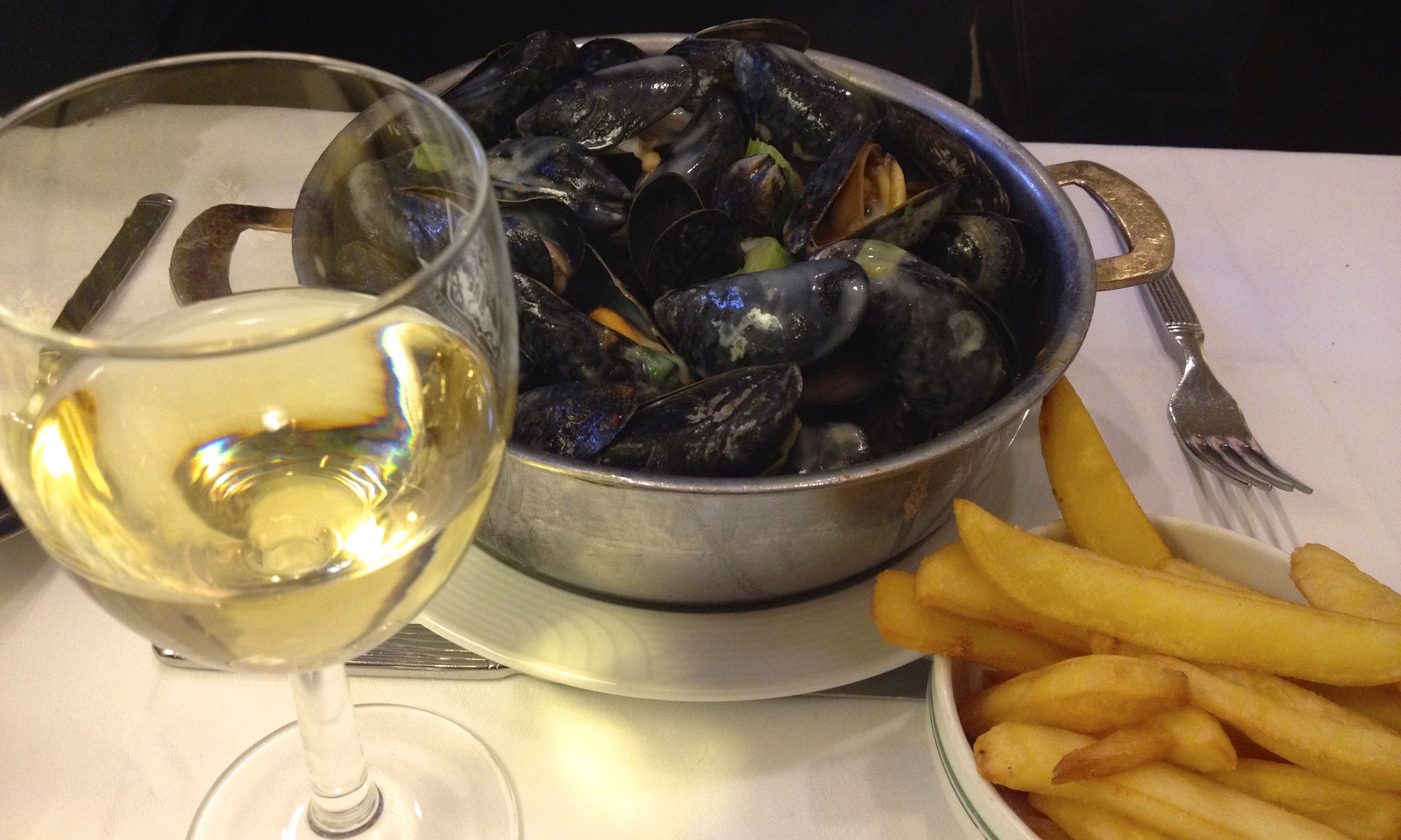
This is my experience with oysters. The memory of where I was when I learned to relish raw oysters served in their shell with minimal garnish is stronger than my remembrance of the taste of them. It might be because the best oyster experience in my life occurred during the chilly winter months when we lived in Paris, France. And, typically, on Sunday mornings on our market street.
The discussion of memorable mollusk eating moments surfaced over brunch at the Stanley Hotel in Estes Park with four overseas friends, all of whom we met while living in Taipei, Taiwan in the 1990s. These two favorite couples visited us during the first weekend in January. The subject came up of the best calamari, the best mussels, the best shellfish any of us could remember eating. An oyster story came to mind, but the conversation moved on.
As a child, growing up in the middle of the United States, I knew nothing about oysters, raw or cooked. It was “foreign” to the food culture in mid-America and never served at home in any season or for any special occasion. Experimenting with new foods and an expanding palate changed in adulthood after living and traveling around Asia, the Mediterranean, and Europe for three decades from the late 1980’s to the 20-teens. But it was moving to France in 2010 that jump-started my true consideration of the oyster.
As a species, oysters are odd and unattractive creatures. In the wild, after spawning, they drift and roam freely about in the tides for several weeks before attaching themselves to the first hard object randomly bumped into. Once attached, they grow by drinking gallons and gallons of water while straining out the delicious little bits that are food. They live motionless and soundless, trying to escape the notice and menace of predators, not the least of which is man who has a particular hunger for them. Fisher mused, “Its life has been thoughtless but no less full of danger, and once it is over then we (humankind) are perhaps the better for it.”
strange and rather unattractive
A commonly held wives’ tale is that oysters are edible only in months with an “R” in them. Not true. May, June, July and August are the months when coastline waters are warmest, and reproduction occurs in wild-harvested oysters. Fisher notes that eating them at this time will not kill you or make you sick, but “…all oysters, like all men, are somewhat weaker after they have done their best at reproducing.”
Oysters are simply good any time of year…if they are fresh, and taster like the taste of oyster. They are nutritionally healthy, full of chemical elements our own bodies house and need–oxygen, hydrogen, nitrogen. Vitamins in oysters provide fuel for energy, build healthy bones and teeth, and nourish the skin. And they contain more phosphorus, the most important food for the brain, than any other food source!
but good for brain and body
Back to Paris. Our market street in the Passy area of the 16th Arrondissement was noisy, vibrant and colorful on weekend mornings. Parisians chatted with neighbors and friends while sipping “un café” or shopping for ingredients in preparation for “le déjeuner en famille”. Children and dogs were ever present. Live music was often part of the hubbub.
our “poste d’observation” Aéro Café
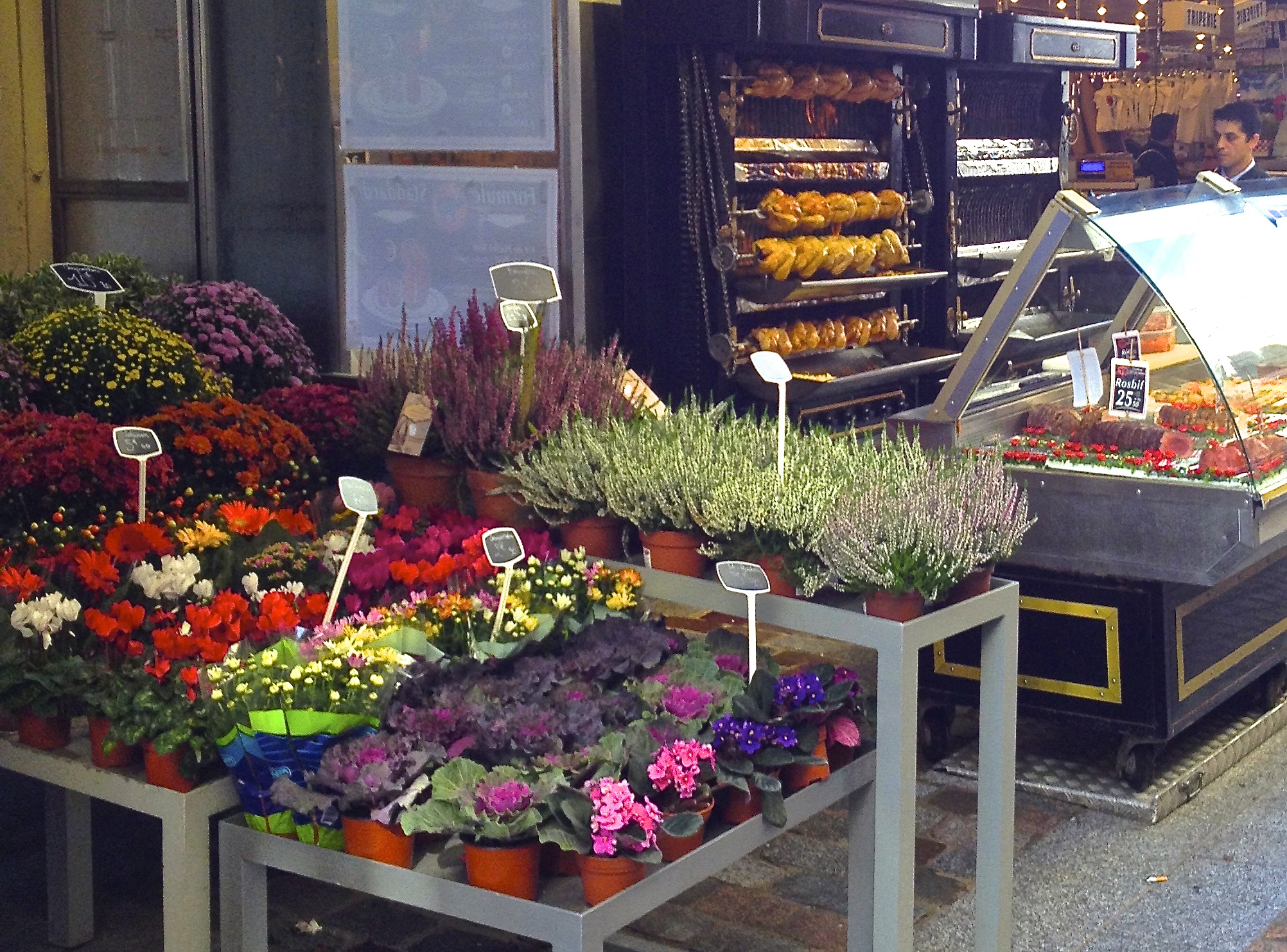
At the beginning of Market Street, on the corner across from our frequented Café Aéro was an all-in-one covered market. The front wall opened to the outside during operating hours, while the green and white tented roof offered overhead protection year-round. Inside, vendors sold everything from fruits and vegetables to fresh flowers, to breads and pastries, cheeses, fish and meats, and even household goods.
In the back, with perhaps four tiny high-top tables and stools, was a seasonal oyster bar. A wall of nondescript beige tiles posted a rusting sign saying, “BAR” in red letters, and a colorful fish underneath. Below the sign behind the bar a man rapidly opened oyster shells with skills that most do not possess. They were piled high on a pan in front of him.
During the busy shopping morning in an unheated market, this minuscule seating area was constantly full of oyster loving customers. With luck and perfect timing, my husband and I slipped onto empty stools at a table for two right next to the bar. And here began the ritual we learned to love.
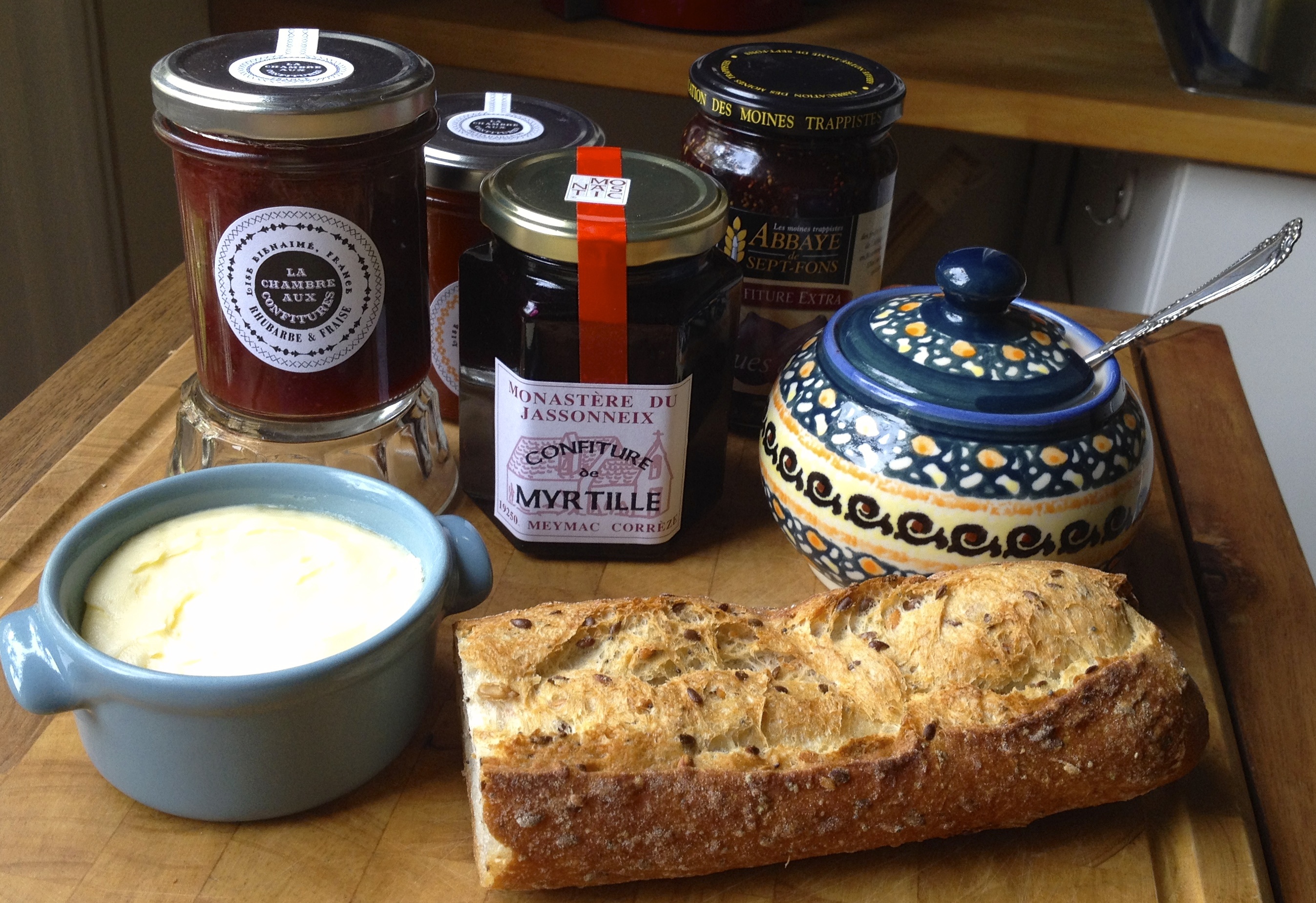
The petite table was square with white stripes, set with large red paper napkins, a knife and fork. I can’t tell you the name of one oyster we ate all those years, but every variety was delicious and shipped directly from the west coast of France. We pointed, and a dozen were placed immediately in front of us on a round plate with a bowl of fat lemon wedges in the middle. Then, a basket of dark brown bread and sweet butter was delivered, and finally, two glasses of crisp white wine, normally a Chablis from Burgundy. We began by toasting a moment of lusty shellfish eating bliss.
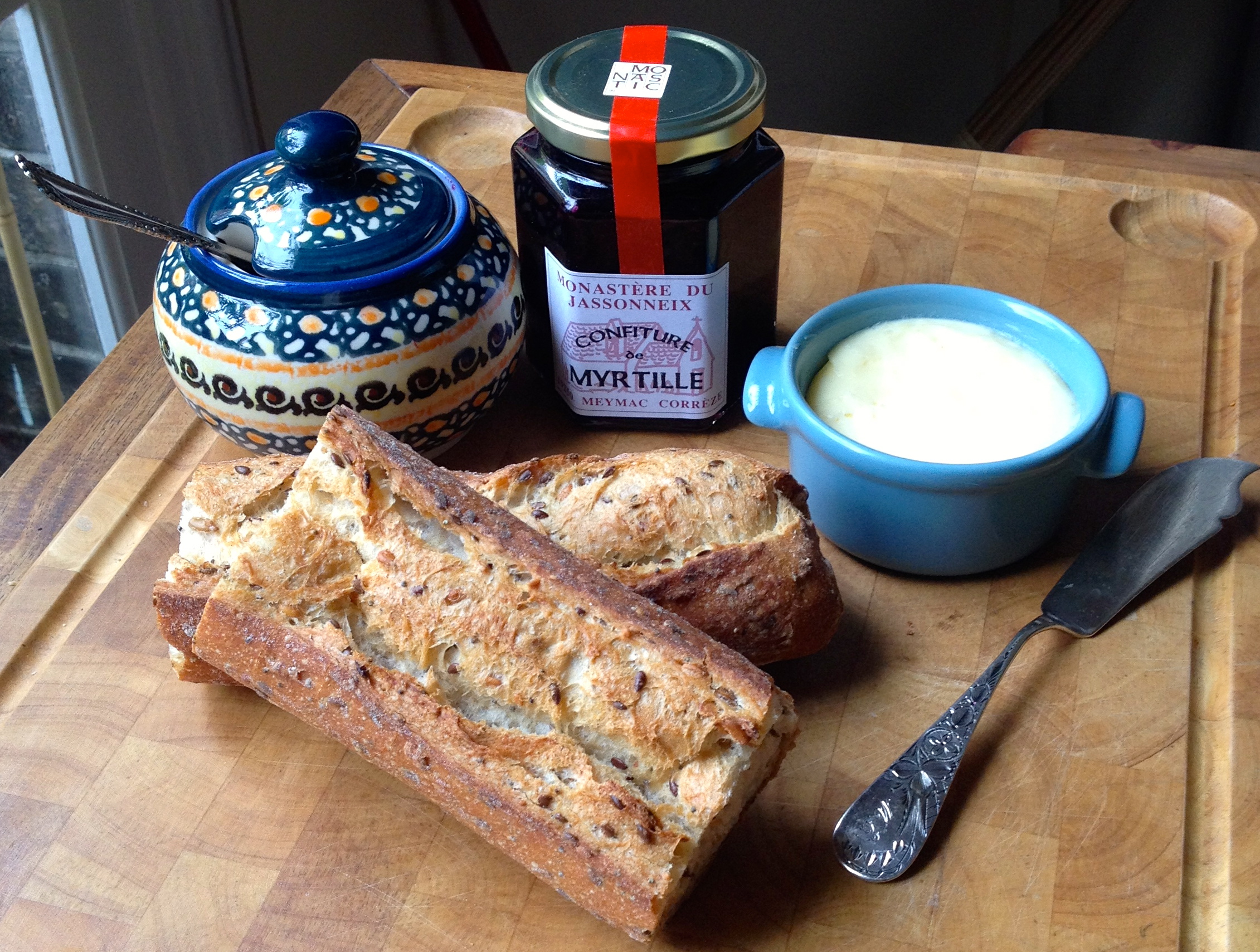
M.F.K. Fisher discovered that a few drops of lemon juice on the buttered bread tasted even better than on the oysters themselves. I tried it both ways–on the oysters and the bread. Her serving opinion proposed this rule “…thatall oyster-bars and every self-respecting restaurant…which presumes to serve raw oysters in their shells…should at once make it compulsory to serve also a little plate of thin-sliced buttered good dark bread, preferably the heavy fine-grained kind…and a few quarters of lemon.”
Entirely agree. And that is why eating oysters at the back of a market in Paris wintertime was about more than the taste of fresh seafood. It was about the air temperature, the crowded ambience, the skilled shucking of the oysterman, clinking glasses over our good fortune, squeezing lemon juice over briny oysters, tasting the salt and sea and citrus combined, and then biting into buttered brown bread followed by a swallow of fine wine.
The oyster bar ritual dwindled and lost some consideration when we repatriated home to Colorado. Then, several years later, I fell into another captivating mollusk moment–this time in Washington, DC. As Fisher implied, place and time can outrank food, and this proved true again alongside an icy platter of oysters. Now the place is venerable Old Ebbitt Grill, mostly in the wintertime. Inside, at the antique bar, the precise area where I sit and who I am sitting with creates the magic that follows.
preferred seating at far end
Two well worn wooden stools at the far end, away from the entrance, should be open so that we can slide onto them side-by-side. The chosen ones with me are either my husband or a best friend. Sometimes both. We peer in dim lighting across the burnished surface in front of us to the gilt-edged mirrored wall lined with bottles, greet the bartender, and begin by sipping a good cocktail or a pour of dry white wine or draft beer. We speculate quietly over far-ranging conversation for as long as we want. All the while nourishing ourselves on one or two dozen oysters, with lemon of course.
On a dark wintery Colorado evening, these vignettes keep me company in thoughtful “place and time” reminiscence of food moments shared with people I love everywhere in the world. As the wind outside blows at gale force, I pick up the wrought iron poker on the hearth, add a piece of firewood, and prod ponderosa pine logs from red coals into warm yellow and orange flames.
This is a factual but personal story about my daughter & son-in-law’s entrepreneurial, creative, community and philanthropic spirit in the business they created together. These two inspire me.
In the Crossroads area of downtown Kansas City, Missouri, directly across the street from the attractive brick façade of the former Kansas City Star Newspaper, resides Casual Animal Brewing Company.
On the outside, a colorful mural is painted above a window that opens like a garage door when the weather favors outdoor seating. The bar stools, where customers sit and sip cold craft beer, overlook the sidewalk as pedestrians pass by.
Inside, industrial steel cylinders are tucked under open ceiling beams and skylights. Hanging Boston ferns trail down from above and a tall Umbrella tree reaches upward to the central skylight. The seating is mostly handmade wooden tables. Refinished log stools line the sides of one long table. Leather sofas and cushioned chairs are placed in cozy conversation corners surrounded by potted green plants.
conversation in a corner
exposed rafters, steel cylinders, and strings of lights
center stage Schefflera tree under skylight
kyle art wallpaper, darts, and the door connecting new and old sides
Colorful oriental carpets lay on the cement floor in a patchwork fashion. Shuffleboard, darts, and boxes of board games are ready to play with family or friends. Strings of lights are draped throughout, exposed brick walls create texture, along with original art wallpaper and paintings designed by head brewer, Kyle Gray. He also happens to co-own Casual Animal with his wife, Lara. The overall atmosphere of this craft brewery exudes laid-back ease with an infusion of warm ambience. You want to sit down, order a beer from one of eleven full taps, and just hang out for a while.
kyle paintings
the current lineup on tap
Kyle runs the “back of the house”; creating beer recipes, brewing twice a week in a 7- barrel system, canning, designing logos for labels or merchandise sold online and directly from the brewery. Lara takes charge of the “front of the house”, staffing and training, social media and marketing, taproom events, distribution and delivery in local restaurants, liquor stores and bars.
Lara is also the current President of the East Crossroads. This is their neighborhood organization whose goal is to unify all area businesses as a destination entertainment district for locals, conferences, business travelers, and vacationers. One important aspect is to increase traffic and retail business for the diversity of restaurants, small shops, craft breweries, and cocktail bars in Crossroads. Recently she has helped the neighborhood receive $35,000 in grant monies from the city of Kansas City. This will be used for commercial branding, highlighting the district with streetlight pole banners, directional signage, and other resources.
The Beginnings Through a Pandemic to Today
The background of how Casual Animal Brewery was first dreamed and conceived by Kyle and Lara in 2017-18 is a compelling story of its own, and told here: Becoming a Casual Animal
The story of the opening of the larger, plant-draped conservatory side of the brewery began just before the shutdown of the Coronavirus pandemic. In November 2019, Kyle was taking trash out to a dumpster in the back alley. A secretary from a neighboring business was standing outside on a break. She asked Kyle if he knew the building next door to the brewery was for sale. At the time, it was a truck storage warehouse with zero infrastructure. But it was big and shared a common wall.
Kyle called the owner, toured the space and applied for a loan in February of 2020. They closed on the property in May of that year when the whole country was hibernating at home amid the uncertainties of Coronavirus. Kyle’s brother, Alex, was hired as General Contractor and moved into their house for the next nine months.
The risk of taking on a new, larger loan and beginning a complete renovation to expand Casual Animal (by more than doubling its size) started in earnest while a global pandemic was raging. Kyle had serious doubts and anxieties about moving forward, but ultimately decided there was no better time to expand the brewery than with this serendipitous opportunity.
Crafting a New Craft Brewery
Deconstruction before construction. Kyle, with Alex and their father, Kass, jump started the demolition. There was junk removal of heavy lath, bundles of old wire, and equipment. The linoleum floor tiles were scraped clean to the concrete underlayment. In the rear space that now houses four 15-barrel fermenters, an old ceiling of tin, wire, and plaster was painstakingly cut out, dropped, and hauled away.
Plaster walls were blasted with a jack hammer to reveal the brick underneath. It was hard, excruciating and dirty work. Finally, Alex said, “Stop. Leave some of the wall plaster and call it done.” It is an attractive stopping point. Alex then got busy and built bathrooms, the new, larger bar area, and engaged in even dirtier work by climbing high into the ceiling rafters to painstakingly clean away 100 years of industrial dust and grime!
looking from new side to original side with brick and plaster walls
another view of brick and plaster
Subcontractors installed electricity, HVAC, plumbing, and the front garage door window to match the original side of Casual Animal. Creating openings into the common walls required considerable consultation with structural engineers because both buildings are more than a century old. In the end, doorway-sized holes were sawed through two walls (one for each building) and reinforced with steel beams. And just like that–the taprooms and brewing areas were connected.
Debut Side 2
In January 2021, nine months after taking possession, with the mask mandate and six feet of separation still in full effect, Casual Animal, side two, opened to the public.
From the beginning, the word got out, and the people flocked in. The high ceilings, the big windows and skylights, the greenery and wide spacing between tables and “living room” conversation corners were a welcome reason for being with friends in public again. There was a feeling of being safe in your own “pod”. Families, and dogs, welcome. Everyone loves the casual-animal-dogs-are-welcome theme.
conversation corners
and dogs!
high ceilings, string lights, open windows and greenery
casual conversation in a cool space
The Current Vibe
Last fall, with the garage door opened wide on a perfect autumn day, I sat in my favorite spot next to the wall at one end of the bar–the best vantage point to soak in the early afternoon atmosphere. Sunlight was streaming in from the central skylight, customers were working on computers or talking in quiet conversation around the room. Mellow music provided soft background sound. The back brewing area behind the big tap room was clean and quiet. Tables were laid around the tall central Schefflera tree in a spoke-like pattern over the oriental carpets. Kyle-designed merchandise was hung on hangers, or neatly stacked on shelves––t-shirts, hoodies, baseball hats, water bottles. Next to the merchandise, a glass front refrigerator displayed the current variety of canned six-packs for take away. Customers regularly strolled to the bar to place an order.
a quiet work space early in the day or conversation with a friend
view from the end of the bar
Seven women entered as a group. None of them drank beer. They ordered red sangria (locally made and canned, but not in-house), rosé wine, and vodka spritzes (a house-made cocktail on draft). The friends sat down to play Kansas City Trivia in a lively fashion.
It’s now late Friday afternoon. The scene is growing steadily livelier as more people arrive, order a beer, and mingle with friends. Darts and shuffleboard are active. A group of twelve takes up the center court tables under the skylight and tree. They are standing, sitting, talking, laughing, taking pictures and enjoying themselves.
shuffleboard against the back wall
Kirstie, with 4+ years on staff, works the tap room, knows and can talk in detail about every style of beer. She offers a taste to customers who are particular or unsure. Erika has also worked at the brewery for four years. She spent 2 ½ years brewing with Kyle. Now she works in the front of the house, serving and chatting up customers. Ethan started at Casual Animal in 2018 when the first side opened. He left two years later, then returned in 2024 to become the assistant brewer with Kyle. These three, along with the rest of the employees, embody the small business model of a loyal Casual Animal family. They know their regular customers and suggest who I might approach with a few questions.
I sat down with a couple who told me they live within walking distance and often come after work or on a day off. What they love; always a likeable beer flavor in rotating fashion, the ambience of hanging lights, skylights, garage-door-open windows, the mash-up of decorating textures, the food pop-ups. As to the beer, he likes all Lagers, she is more experimental and willing to try different styles.
Another couple has a newborn. They have been coming to Casual Animal since the time of Covid when their first baby arrived. After getting vaccinated they brought the infant with them to get out of the house into a cool environment to sit and talk and sip beer. Now they are repeating the cycle three years later with baby number two. They love the plants, the trees, the natural lighting, the soft seating. They wish food was served regularly but enjoy the pop-up vendors that rotate through on a regular basis.
Madi has been a regular casual animal for 3-4 years. She comes in the early afternoons during the week, when it is mellow and quieter, to work on her computer. She always sits at the bar, knows and likes the staff, and chats with them while working.
Commitment to Community
Local Motive is the name of Casual Animal’s fund-raising beer selection, sold to support Kansas City non-profit organizations. It was written into their business plan from the start, as a way of giving back to the local community. It began as a quarterly offering for the first two years. However, for half of 2020 and all of 2021, during Covid, it was placed on hold.
Now Local Motive rotates to a new charitable cause every two months. Two dollars from the sale of every pint of one specially selected “Local Motive” beer is donated to the non-profit’s cause at the end of a rotation period. Each non-profit can organize events at the brewery to educate the public and optimize giving during their cycle. Some of these have involved trivia nights, live music, or bringing in rescued kittens and puppies for adoption.
Lara and Kyle annually select from a wide variety of Local Motive applications submitted on their website, choose about 15 that meet the criteria they have set, and present them to the staff. The staff votes for six non-profits as local motive recipients for the upcoming year. By the end of 2025, over the past 8 years, Casual Animal will have hit a new marker for giving back–more than $100,000 flowing into the Kansas City community and helping 30+ organizations.
Better Together
There is a collaborative relationship between Casual Animal, other breweries, and even farmers. Kyle has generated several co-branding ventures to promote a new beer, such as with Odell Brewing in Ft. Collins, Colorado, Cinder Block, Double Shift, Big Rip and others in the Kansas City area. This is usually a one-of-a-kind endeavor to co-produce something different and even experimental in the craft beer industry.
Then there are the livestock farmers. Kyle has always donated his spent grains, barley, oats, wheat and rye, to farmers as feed for pigs, chickens, cows. In the past several years a joint relationship was formed with KC Cattle Company. Head rancher Marc Wermersen has loved cows since childhood. He is in charge of hand raising and feeding 275 head of selective Wagyu beef cattle.
spent grains for KC Cattle Company Wagyu cows
Wagyu is the American version of the highly marbled, tender, Kobe beef from Japan. For these cows, fed largely on pasture grass, the small grains extracted from Kyle’s tanks (mixed with corn) are a high energy supplemental food. As Marc says, “Good feed equals good beef equals good taste.” The relationship is reciprocal. The brewery receives Wagyu summer sausage and shaved peppered beef to serve as charcuterie meats in the taproom. Marc often gifts the brew team with steaks, ground meat, and award-winning beef hotdogs.
Special Events
Planning and organizing events is one aspect of Lara’s on-site job description. Currently, Casual Animal offers special taproom evenings such as Wednesday Art Night, where coloring and painting supplies are available to dabble in, or pop-up food vendors serving inside or from trucks on the street. There is an annual Earth Day celebration on April 22.
Perhaps the most popular and very highly attended event is the Kitten Pop-Up Party. KC Pet Project, a no-kill pet shelter as well as a former Local Motive recipient, currently sponsors a bi-annual Kitten Party offering rescued babies for adoption. Foster parents bring their kitten charges in baby buggies or pet carriers and customers are allowed to cuddle, play with, and love up the kitties while foster moms and dads supervise. Singles, couples, families, and kids all participate in a standing room crowd.
Being Beer Specific
And what about those beer flavors served up from Kyle’s creative, revolving list of recipes? There is a favorite taste for every palate–hazy IPAs, sours, dark stouts, lagers, Kolsch, cold IPAs, West Coast IPAs, wheat beer, nitro offerings, including some atypical choices such as an Ice Cream ale.
When I asked Kyle and Lara to name Casual Animal’s most requested and top selling beverage choices, they said (although it varies somewhat), #1 is the Hazy IPA, #2 is a Lager, #3 a Wheat or Sour choice, #4 and #5 rotate between another kind of IPA or the Local Motive choice. Moving up in line of popularity is the Vodka Spritz draft cocktail made on site and sold on draft as a gluten free option. There is always a hard cider on tap for non-beer palates as well.
Styles of beer have creative names that are usually animal-related to the brewery theme. Animal Control Cold IPA, Bear Hug Brown, Climbing Wolf Hopped Lager, Hyper Lynx French Pilsner, Vipers in the Garden Hard Cider, Blue Flamingo Fruited Sour, Luminary Canary Kolsch, and my personal name favorite–Chaos Monkey Hefeweizen.
This is Your Third Place
So, what’s left to tell? Perhaps it’s time to stroll into Casual Animal when you find yourself in Kansas City or peruse their creative website for merchandise if you’re not. Go with friends, with family, or by yourself to work on a quiet afternoon in a beautiful environment, to attend an evening event, to plan a gathering, to sit and drink good craft beer, to listen to background music or watch a special sports event like the Super Bowl with a crowd.
Casual Animal is the classic drop-in, home-away-from-home, relaxed and easygoing brewery you have been searching for. Meet friends and stake out your favorite seats in the house.
From its origins, Casual Animal was conceived of and built to represent the “Third Place”. That other place you seek after home and after work. It’s the place you go to relax and let go, to find joy and camaraderie, to feel safe, and to have fun. It’s not just about the beer or the greenery or the skylights. What it is…no actually, what it’s about, is being somewhere else, spending good time with people in warm and welcoming community surroundings.
Isn’t that something we all need?
CASUAL ANIMAL BREWING COMPANY 1725 McGee St, Kansas City, MO 64108, USA Telephone: +1(816) 648-0184 Hours: Monday-Thursday, 12-9PM, Friday & Saturday, 12-10PM, Sunday, 12-7PM www.casualanimalbrewing.com Facebook: Casual Animal Brewing Co. Instagram: casualanimalbrewing
When the first side of Casual Animal opened in early February 2018, the Gray family was brewing their first baby, and daughter Sloan was born in October 2018. When they closed on the building for the second side, in May of 2020, son Isaac had just entered the world on May 13. The Grays today are a beautiful family of four.
Visiting an overseas friend who lives in Luxembourg, I found a book of poetry by Mary Oliver on a living room table. Awake early the first morning with jet lag, I settled into a comfy chair with a cup of coffee and thumbed through poems in the dim light. One entitled “Poppies” provided pause.
Oliver is known for connecting life lessons to her observations of love for the natural world. In “Poppies” her poetic sentiment contrasts the transient beauty of wild poppy fields with the inevitability of life and death.
“There isn’t a place in this world that doesn’t sooner or later drown in the indigos of darkness.”
To lighten the mood, she weaves in a moment of pure joy while visualizing poppies in the field.
“…But also I say this: that light is an invitation to happiness, and that happiness, when it’s done right, is a kind of holiness, palpable and redemptive. Inside the bright fields, touched by their rough and spongy gold, I am washed and washed in the river of earthy delight…”
While immersed in her river of delight, she circles back to darkness and loss, ending with a question.
“…and what are you going to do–what can you do about it–deep, blue night?”
Of course, there is nothing to do other than letting it go. Thus, exemplifying one of Buddha’s teachings that there is nothing anyone can successfully cling to in between the moment of conception and the moment of death.
Poppies became my favorite flower when we lived on the island of Cyprus for three years. Every spring, deep red fields of poppy flowers bloomed in profusion all over grassy orchards, fields, and pastures. Shaped like a fine teacup, the crepe-paper-thin petals flutter freely in the breeze. En masse on a roadside or in a field or even in a small clump, they are spectacular. But poppy season is brief. Flowers wilt, fade, and fall to the earth as graying-red dust in a short time. Breathtaking in the moment and then gone. Another year passes.
Our children were young in those years. On weekends we drove out of Nicosia searching for a carpet of red and green to spread out our blanket and picnic. Spending an afternoon in a wild field of flowers and tall grasses is still a magical memory. It was stunningly beautiful, a family outing in the season of rejuvenation, and it made me happy to be there with loved ones.
Cyprus poppy field, circa 1991
During World War 1, [1914-1918], most of the fighting in Europe took place in open fields where poppies proliferated despite the death and mayhem all around. In 1915, Lt. Colonel John McCrae wrote his famous, historic poem, “In Flanders Fields”* after witnessing the returning spring bloom across red battlefields.
*Full poem at the end of story.
Since then, poppies have been a symbol connecting the blood and sacrifice of soldiers with remembrance, hope, and peace. They are also associated with the Greek God Morpheus–the god of sleep and dreams. Morphine and opium narcotics are derived from poppies, hence the reference to death and sleep.
What draws me to experience a profusion of blooming poppy fields whenever possible? Because, like Mary Oliver, I connect them to a personal lesson. They remind me of the nature of our own family’s life cycle. Beauty in learning and growth, and the eventual letting go as necessitated by time. There was uncertainty and risk taken by our young family of four when we made a decision to live and work overseas in the late 1980s. In geographies and life styles, that were not a reflection of our home culture, we adapted and grew in individual ways. Incorporating the very best of each country’s experience added significantly to our lives.
Now we are all back living full time in America. Our children are young adults with children of their own. They each have a personal perspective about growing up in other countries for thirteen and sixteen of their formative years. My hope is that it enhanced and deepened their awareness as global citizens, as more thoughtful inhabitants to contributing to the health of the world and our planet for their own children’s future.
I think about these things along with the light and dark life cycle of the seasonal poppy. The lightness, the brightness, the earthly delight when seeing them massed in peak glory. The dark side of “here and now” beauty is knowing that it is fleeting. It will leave. Which must occur in order to be ready for the next opportunity to grow.
poppies fadeas beauty has its season
This past spring, the seasonal return of poppies in the wild offered an opportunity to re-experience an assault of red on the senses. We were in Greece in April. Poppy season was on, but had passed its peak in Athens. Then we traveled to the island of Hydra. Asking others to be on the lookout, someone said they saw “a whole field of poppies in bloom” on a hike.
It wasn’t exactly like that. What we found was a roadside of brilliant red flowers crowning a cliff high above the Mediterranean Sea, still lacy and vibrant and swaying in the breeze. It was a sought-after reminiscence, perfect for the moment, the contrasting beauty of vibrant red petals and deep blue sea.
…and it was enough, before moving on down the path.
We live in a world where people think happiness is a condition, but it’s not; it’s a sensation. It’s momentary.–Fran Lebowitz
This existence of ours is as transient as clouds. A lifetime is like a flash of lightning in the sky, rushing by, like a torrent down a steep mountain.–Buddha
You can’t say I’m not happy ‘cause happy’s not an action, you just feel that way. –Ambersunshower, from the song, ‘Walter T’, 1996 [Only available on YouTube.com]
POPPIESby Mary Oliver
The poppies send up their
orange flares; swaying
in the wind, their congregations
are a levitation
of bright dust, of thin
and lacy leaves.
There isn’t a place
In this world that doesn’t
Sooner or later drown
In the indigos of darkness,
but now, for a while,
the roughage
shines like a miracle
as it floats above everything
with its yellow hair.
Of course, nothing stops the cold
black, curved blade
from hooking forward–-
of course
loss is the great lesson.
But I also say this: that light
Is an invitation
to happiness,
and that happiness,
when it is done right,
is a kind of holiness,
palpable and redemptive.
Inside the bright fields,
touched by their rough and spongy gold,
I am washed and washed
In the river of delight––
and what are you going to do––
what can you do
about it––
deep, blue night?
IN FLANDERS FIELDSby John McCrae
In Flanders fields the poppies blow
Between the crosses, row on row,
That mark our place; and in the sky
The larks, still bravely singing, fly
Scarce heard amid the guns below.
We are the Dead. Short days ago
We lived, felt dawn, saw sunset glow,
Loved and were loved, and now we lie,
In Flanders fields.
Take up our quarrel with the foe:
To you from failing hands we throw
The torch; be yours to hold it high.
If ye break faith with us who die
We shall not sleep, though poppies grow
In Flanders fields.
poppies sown in Colorado fields, courtesy of Harrington’s ranch
The screen saver on my computer is a continually revolving door of the pictures in my digital photo library. Sometimes an image arises and pulls me into such strong “déjà vu” moment that I am carried back to that exact place and time. A photo from several years ago opened on the screen recently. I paused, after it flashed by, to reflect on the moment a very young child learned to adapt to uncertainty with resilience and her own brand of spunk.
Leila before adaptation
We were living in Paris, France when our granddaughter, Leila, who had just turned one-year-old, was left in our care for a four-day weekend. Our son and daughter-in-law, who met and fell in love in London, were attending the wedding of close friends there.
Leila was an active, walking toddler with strong attachments to her parents, particularly her mother. She had never been in the care of a babysitter or day care since her birth in California in 2016. Although we were living overseas at the time she was born, we had been together many times in both the U.S. and France. But she was a baby. And we were not her parents.
Leila and Mommythe whole fam 2017
Anticipating separation anxiety even in the care of loving grandparents, I had suggested [several times] that the parents try some outside babysitting with other caregivers before leaving her with us in an unfamiliar environment in Paris. Well…
Our son flew directly to London on business before pleasure. Daughter-in-law and Leila flew to Paris first and were embraced by my husband and me in our Parisian apartment. Mother and daughter settled easily into the guest suite, and we spent a fine two days establishing routines and exploring the neighborhood. Then, early on the third morning, Mama left to catch a train to the UK. Seeing her mother descend on the elevator with a suitcase, life shifted dramatically in Leila’s experience.
all is well in the beginningof settling into Parisian life
This little girl cried herself into a state of exhaustion that resulted in an unusual morning nap. When she awoke, still inconsolable, it was time to mix things up. I called in reinforcements. My friend, Sally, came over. We went to a nearby park with a large sandpit playground. Sally and I watched Leila explore the play equipment, get dirty with digging toys, and sit with independently playing French children. Sad eyes throughout, but no tears. Home to lunch, an early bath, and second nap ending in the late afternoon.
Sally to the rescue at the playground
the saddest eyes
Then an epiphany.
Hearing that she was awake, I went to the bedroom. Leila was sitting up, wearing an uncertain face, as she watched me open the door. It seemed another round of tears was about to begin.
And then something happened that I will never forget. While I spoke to her quietly, Leila looked at me, still in the doorway, closed her eyes and visibly shook herself. From head to toe. As if, by shaking, she was able to transport herself to a new place. As if, intuitively, saying, “I will shift gears. Right now.” In the eight hours since her mother left, an emotional switch turned. She emerged from complete misery to a different way of seeing things.
Leila reached out her arms to me. And I witnessed true grit in a little girl who visibly changed her perspective because she needed to, and then wanted to. Yes, adaptability is a trait in tiny people, too.
The next three days unfolded seamlessly. The daily park adventure was an anticipated and engaging outing. At home, we watched my revolving computer photos and talked about the people she recognized. Mommy and Daddy, Donk and DeeDee [Mark and me], herself as a younger baby. She imitated my yoga moves. We danced.
There were sweet moments of playtime in the bathtub, bedtime songs and stories, and hiding in the dining room curtains in a funny game of hide and seek with Leila certain that she was invisible. There were trips to the toy store and stops for coffee and snacks at our market street café. At a sidewalk table we watched the world go by and then explored the pedestrian street.
By the time Leila’s parents returned, a life lesson in trust and love and flexibility had been established. She was fine. We were fine. Back on the scene, witnessing their daughter’s smile and welcoming hugs, the parents were fine, too.
Trocadero playwith mommy back again
Adaptability is a step above resilience in human temperament. It takes behavioral and emotional coping skills to adjust to new circumstances. In the ever-changing situations of life, learning to adapt as quickly as possible, ideally with support from others, is vital developmental know-how. Leila hit the first mile marker.
As the saying goes, it takes a village to raise a child. Grandparents and grandchildren each need to find a way to create and live in their own special harmony. Young children can, and do, adapt when facing new or unfamiliar situations. But they need to figure things out in their own way and time. Successfully overcoming challenges, particularly at a young age, lays the groundwork for all that lies ahead in life.
When I see a photo of that memorable visit flash by on the computer screen, I relive the story of a beloved granddaughter who found the ability, within herself, to emotionally change at a tender age. In doing so, she grew. And thrived.
It happened right before my eyes. Simply unforgettable.
still friends at 18 months in Californiastill friends at 4 years in Colorado, 2020feeding the horses at 6 yearsballplayer at almost 7 years, 2023
Subcultures are made up of people who share a passion about a specific interest that is often stereotyped. Hippies, bikers, skate boarders, NASCAR racers, bird watchers, body builders, punk rockers, break dancers, to name a few. Recently, I learned about an American subculture that has been around since 1992 but escaped my attention for a couple of reasons–geography and interest.
We were living in Cyprus and Taiwan in the 1990s, and I was involved in learning quirky details about other cultures rather than paying attention to what was going on in my home country. Also, the subculture I recently witnessed in California was about 180 degrees outside of my normal interests. Possibly because it involves five and six-ton vehicles doing impossible tricks–jumping in the air, spinning donuts, flipping over, standing on two wheels, and racing in circles. It is a competitive spectator sport of huge trucks with notorious names and drivers. This is Monster Jam.
While visiting a four-year-old grandson who is obsessed with cars, trucks, and trains–basically anything with rotating wheels, I was notified by his father that we would be attending a Monster Jam rally with the entire family on Sunday afternoon. I watched a YouTube video that told me, “If you don’t know what Monster Jam is, you are a certified city slicker.”
Archie with Son-uva Digger
Monster Jam is a live motorsport event under the auspices of U.S. Hot Rod Association, based primarily in North America. The Monster Truck series is the longest running and most successful competition of big trucks in the last 30 years.
Monster Trucks are special off-road vehicles with heavy duty suspension, 4-wheel steering, and oversized tires. The tires are a monstrous 66 inches tall and 43 inches across. Each truck is built like “an engineered fighter jet airplane” but only used for competitive entertainment. They cost $250,000.
Velociraptor
The drivers work on teams, performing in seasonal rallies that tour the U.S. with famously known and named vehicles–Grave Digger, Son-uva Digger, Zombie, Whiplash, El Toro Loco, Megalodon, or Jurassic Attack. Currently, there are 14 female Monster Truck drivers in a predominantly male circuit. All driving teams are salaried and receive no prize money.
Monster Jam is one of the safer driving sports. Drivers are protected from head to toe in custom-made fire-resistant suits, helmets, and gloves. They are completely strapped in with head, neck, and body support. When a truck flips upside down or catches fire, most drivers walk away unscathed.
It’s very LOUD when turbo-charged engines rev up and grind away in competitive stunts for several hours. Six-year-old Leila and four-year-old Archie wore protective headsets with flashing lights over their ears. We stuffed orange and white foam plugs tightly into each ear canal. The arena was packed with fans of all shapes and sizes, ages, and genders, defying stereotypes. Families, couples, and singles gathered for the same purpose, waiting for their favorite Monster truck to take center stage and perform.
And so, the show began.
Exactly on starting time, overhead lights dimmed. Multiple Monster trucks vroomed into the stadium flashing headlights, painted in bold designs. The first competition was racing around in a circle. Followed by the Two-Wheel event where each truck has two attempts to show their strongest skills on two wheels, either front or back. Drivers could choose to spin in a whirlwind of donut dust as an alternative in this category. The final competition was Freestyle, where trucks showcase any, or all, of their abilities in timed competition from ramp jumps and diving, flips, or wheelies.
Grave Digger, the most famous of them all
Like any subculture, Monster Jam has its own vocabulary. Cyclones are high speed donuts. Doing an endo is not cool. This is where the truck does a front-end rollover and crashes. Pagos are good and applauded loudly. It means doing a wheelie and bouncing forward on the rear tires. In contrast, riding the wave is bouncing up and down while standing precariously on the front tires. The hot shoe is the top driver who scores the most points overall. Grave Digger driver, of course.
During our show, the lone female driver attempted a flip…but failed. The indoor venue was a bit small for this maneuver, but she was the only one who tried. Then had to be rescued from sitting on her head by a massive crane that re-righted her machine. She emerged smiling and waving to the cheering crowd. And won the Freestyle event.
It’s a formula that works and has gained popularity over the decades. For adult spectators, large-can beer drinking is involved. For children, sticky blue and pink cotton candy from a bag is preferred. For any age, heavily breaded chicken nuggets and french fries smothered in ketchup. American dining not at its finest. But this is Monster Jam!
We said “yes” to it all and were caught in the uplifting atmosphere of a new experience. It was about participating in the enjoyment of a boy who knows the names of all the big trucks and has a fine collection of them at home. He owns this subculture, for now.
Here’s to boys and girls everywhere who love to push, [even across the street on the way to breakfast] or drive, big wheels that go around and around and sometimes even upside down.
when all fours is best
Monster Jam. Know what it is. Don’t be a city slicker.
When living in France, as we did for eight years, you learn there is no such thing as Bastille Day. Instead, “la Fête nationale” or “le 14 juillet” is the national public holiday celebrated on July 14 everywhere in France and in many places around the world. The date is never changed to make it convenient to a long weekend. It’s that important. Like 4th of July, Christmas Day, and New Years’ eve.
The 14th of July is the anniversary of the beginning of the revolution when the common people revolted against their king, Louis XVI, and the French aristocracy. In 1789, economic conditions in France were in crisis and tensions were nearing a breaking point. People were fed up and unable to afford daily bread.
Louis XVI of France
The Bastille was a medieval fortress-prison that held political prisoners with no hope of pardon or freedom. It was also thought to contain munitions and gun powder. A crowd of angry citizens stormed inside the Bastille, freed the few [only 7 at the time] who were imprisoned, but found no guns. It was a compelling action and the rest, as they say, is history.
the Bastille thenthe Bastille now
In 2010, we were living on the 5th floor of a small apartment building in Paris’ 7th arrondissement, on avenue de la Motte Picquet. Tall multi-paned windows opened like full length doors onto the street below. There was a direct view of the top third of the Eiffel Tower in the park of Champs de Mars. For five minutes every night, at the top of the hour, from dark until midnight we watched thousands of lights twinkling on la Tour Eiffel. It charmed our guests and was a spectacular display we never tired of during two years in the neighborhood.
first apartmentla tour Eiffel by dayand by night
What we did tire of was perpetual plumbing problems ancient apartment buildings in Paris are prone to. It’s all part of 19th century architectural charm. But still. Leaks from above dripped through our ceilings and light fixtures or down walls. After a middle of the night broken pipe in the wall of our unit flooded apartments one and two floors below, it was time to try our luck elsewhere in the city.
But for two summers, living near the Champs de Mars, we adventurously celebrated la Fête nationale far above the crowds amassed for the fireworks display along the river Seine. With the best seats in town.
French neighbors who lived in the apartment above ours shared the idea because they said the entire building would be deserted by early evening. And they weren’t going to try it themselves.
There was a tiny one-person-sized elevator in the back of the building that accessed 7th floor apartments. These “chambres de bonne” were maid’s quarters in another century. But in this century they made for inexpensive living, like a one room studio. The ceiling in the hallway of 7th floor had a trap door to the roof eight floors above the street.
By removing the ladder attached to the wall and climbing up to the hinged glass door, it was possible to unlatch and fold it back onto the metal roof. We came prepared. One backpack carried chilled champagne and glass flutes, crudités, and salty snacks. Another held big camera equipment. This was not a party for cell phone photography.
We gingerly situated ourselves on the angled roof near some chimney stacks and away from the sloping edge, set up the picnic, toasted a new adventure, waited for darkness and the show to begin.
We had a bird’s eye top-of-the-world view, albeit a bit precarious. Tiptoeing back up the roof and descending the ladder was another intrepid experience, but no one was the wiser. For two memorable years we managed to enjoy le 14 juillet festivities with a private rooftop party in magnificent Parisian scenery.
I’m reminded this week, on July 14, of the sacrifices French citizens made 233 years ago to spur change and move an entitled monarchy to a democratic republic for all.
A guest is good or bad because of the host who makes being a guest an easy or a difficult task. –Eleanor Roosevelt
When I was a child, there was a book called Miss Jellytot’s Visit that formed my first impression of what it means to be both a host and a guest. Nine-year-old Katie O’Dea watched her mother host college friend, Irene, in the guest room of their home. The bed was made up with the best linens and quilts in the house. There were big, soft feathery pillows in pink pillowcases that you could sink back into, and a rose on the bedside table. The towels were fluffy and white in the spotless bathroom. Their guest was served breakfast in bed on a tray with another rose alongside. There was an assortment of magazines and books to peruse in lounging leisure.
Katie dreamed of being a guest in her own house, staying in that comfortable room with nothing to do but dress up in fancy clothing, wear French perfume, and be waited on like “Aunt Rene”. With her parents’ indulgence, she arrives as a “visitor” from out of town, calling herself Miss Jellytot because that was the name of her favorite cookies. Everyone stayed in their assigned roles. Katie was treated like an adult the entire visit.
Of course, there were problems with all of this. The first was that Aunt Rene stayed for two weeks and never lifted a finger as she had come “to rest and relax.” Mrs. O’Dea was not sorry to see her friend leave on the train. The second was that Katie learned being a grown-up meant missing pleasurable childhood activities like playing outside with friends, going to swim parties, or getting a new puppy. She couldn’t wait to end her “visit” after six days and be a kid again. Lessons: Don’t jump into adulthood when you haven’t finished the fun of being a child. And don’t overstay.
The story left me with “how-tos” carried into my own adult life. As a guest in someone else’s home, I stay no more than three days, with exceptions for family birthings or need-to-help home stays. I also like to set up a room for overnight guests in my home that is cozy and welcoming and well-outfitted. A room that I would enjoy spending time in, too.
In early December, a cousin’s memorial service created the need to travel to St. Louis while I was already out of town for another event. My niece, Rebecca, has a large home with a guest bedroom and bath separate from the family’s living space. It was mine for the weekend. I flew in from across the country on a blustery wet night, rented a car and drove to her house knowing that everyone was out for the evening.
It couldn’t have been a better welcoming. Shrugging off coat in the back door entry, I smelled something delicious. Christmas lights and decorations were twinkling in every room. There was soft music coming from a speaker in the kitchen. Simmering on the stove was a pot of homemade chicken soup. There was a place setting on the counter next to a fresh baguette, butter, and a note inviting me to help myself. I was warmed to my soul.
I sighed gratefully and headed for the bedroom. Lights were on, a little gift in a colorful bag was on the bedside table next to a carafe of water. White towels were folded on the chair by the window. The bed was layered with white quilts, comforters, and billowy pillows.
Back in the kitchen, I poured a glass of wine, served myself a bowl of soup with bread and butter on the side, and said aloud, “This woman gets it.”
Hosting overnight guests involves providing for them in surprising and generous ways, going out of your way to roll out the welcome mat, even if you aren’t there to open the door. My niece checked all those boxes.
Rebecca is an interior decorator and organizer extraordinaire in her home and for her clients.
dining room decorated for holidays
Christmas table setting
the whole room
On a previous visit I noticed an opportunity where I could be of help. There is a small, temperature-controlled wine room in the basement. I had seen bottles of red and white and bubbly of differing vintages and values pushed randomly into wine slots. There were shelves a-jumble with gifted booze never opened and never intending to be drunk, gift bags strewn on the floor. If trying to find something special to serve and drink, well, there was no order.
My offer–to sit with her [and a charcuterie plate and two glasses of wine], pull everything off the shelves, put like vintages together, separate great bottles from the good and the cooking variety, use the label maker, toss out or give away questionable items like Ever Clear [!], horrible flavors of vodka, and other unidentifiable poisons. We set aside whisky that I might drink on another visit. She was thrilled. I was happy to spend time in a companionable activity in return for her hospitality. Win-win, like a thank you note in action.
Guest: Be genuine. Be remarkable. Be worth connecting with. –Seth Godin
Hosting at home can also be a celebratory party, a dinner, an outside barbecue. The host sets the stage while guests bring their exuberant mood, conversational banter, and best engaging self to round out the table. The most memorable get-togethers with family or friends have free-flowing discussions, storytelling, perhaps some soul searching, and laughter.
To me it has always been clear that a dinner party is about what is said, not what is eaten. There would always be wine and salad and bread and stew: chocolate and fruit and nuts and sparkling cold duck. But those were just the props — the conduits for funny and real and meaningful conversation; the set pieces of a lively, engaged, lingering old-school dinner party. The one that I have been chasing ever since…
–Gabrielle Hamilton,chef and author
at home in Paris with petit-déjeuner for guests, 2018
We have a friend who masterfully slips in what he calls “the provocation” during dinner parties and casual social gatherings. It’s not confrontational and participation is optional. It’s a conversational attention grabber along the lines of “Who was an important influence in your life?” or “What is something that changed the direction of your life?” or “Have you experienced anything scientifically unexplainable, something paranormal?” Everyone chimes in because it adds another dimension to what we know about people we care about, and isn’t that why we get together in the first place? Adding detail, bridging thoughts and ideas with content, creating connection.
One more thing about being a good host and an even better guest. After years of inviting people to our home in Colorado, and for many years overseas, I have learned to enjoy late hours clean-up after the candles are snuffed and guests have cheerily said, “Good Night”. I like putting the kitchen back in order by myself or with my husband and thinking about the best parts of the evening. Again, from Gabrielle Hamilton:
I’ve always been against the insistent, well-meaning cleanup brigade that convenes in the kitchen before anybody has even digested…When I invite you over, I mean it. I mean: Sit down. I will take care of you. I will buy the food and get the drinks and set the table and do the cooking, and I will clean up after. And when I come to your house, you will do the same. I will get to have the honor of being a guest. To perfectly show up, 10 minutes after the appointed time, with a bottle in hand for you, to bring my outgoing, conversational self, my good mood, my appetite, and to then enjoy all that is offered to me, and to then get my coat at the very end and leave without having lifted a finger. It is just the greatest thing of all time…
Yes, it is.
Rebecca in Paris, 2018
Notes:
Rebecca uses bamboo sheet sets from Cozy Earth. They live up to the advertising “sleeping on a cloud”. www.cozyearth.com
Gabrielle Hamilton wrote the memoir, Blood, Bones, and Butter. Her writing voice is very engaging. She also owned and cooked at Prune Restaurant in East Village, NYC until the first Covid shutdowns in 2020. She contributes occasional articles to the NY Times.
For additional stories, international anecdotes, and photos about hosts and guests there is this: The Grown-Up Table.
rebecca, daughter emily and aunt wendy in paris, march 2018
One of my favorite M.F.K. Fisher quotes is: Wine and cheese are ageless companions, like aspirin and aches, or June and moon, or good people and noble ventures. To this I would add another companion comparison from my own recent experience: children and ice cream.
In 1686, the first café in Paris, Le Procope, opened in Saint-Germain-des-Prés with a Sicilian chef at the helm. His recipe of milk, cream, butter and eggs, an early Italian gelato, made ice cream available to the general public for the first time. For centuries it had only been enjoyed by the aristocracy. Over in America, it wasn’t until 1790 that an ice cream parlor opened in New York. George Washington, Thomas Jefferson and Abraham Lincoln were known to have an affinity for this creamy icy treat. Ice cream’s reign as an indelible taste of summer is in the hearts of people around the world. Perhaps children most of all.
When I was growing up, the seasonal ice cream truck rang its bell through the streets of our neighborhood in St. Louis once or twice a week every June, July, and August. Parents doled out pocket change. We shouted and ran to the ice cream man who opened his portable freezer filled with drumstick cones or chocolate coated vanilla ice cream on a stick or ice cream sandwiches. It was a race to eat as fast as possible in the heat and humidity while trying not to lose precious drips on the way home. There was usually some kind of messy “plop” on the sidewalk which was left for the ants.
There are, of course, other foods typically consumed in the summer besides ice cream. Fresh corn-on-the-cob or s’mores made around a campfire are two of them. Food happiness, measured individually by expression, is certain to occur when delicious things are eaten by young children for the first time.
looking, tasting, then boy of few words ate the whole thing and was happys’more assembly, first bite, pleasure all in the eyes
In April, we drove across two states to care for a two-and-a-half-year old grand-daughter and her eleven-month-old brother while their tired parents flew somewhere else for adult R & R. We brushed off muscle memory around the heavy lifting required with infants and toddlers. By the third day, it was time for a change of scenery away from the house, backyard, and front porch. Some kind of field trip.
Because of the previous fifteen months of shutdown life during Covid, I thought an outing for ice cream might be just the thing for young and unsuspecting palates. Also, it could be accomplished outdoors on a warmish spring day.
With the 2-year-old, things began with the anticipation of a drive somewhere new. There was curiosity to stand at a window, place an order, and be held up to see what was going on inside. There was eagerness when a cup of vanilla ice cream smothered in rainbow sprinkles was handed through the window. There was barely contained excitement while carrying it to a red iron bench and sitting down with a spoon and her own multi-colored delight.
While husband fed tiny tastes of ice cream to infant brother, the independent “I-dood-it-myself” girl spooned one transformative bite into her mouth. After one or two more she discovered a faster method.
It was the hand-to-mouth-vacuum-cleaner-technique. Her eyes narrowed momentarily as the heady sensation of cold and sweet sank in. Both hands tipped the cup to vertical maximum.
There was a moment of selfish possessiveness as she huffily pulled away from brother’s outreaching hand. Letting the remainder of the icy creamy semi-liquid slide into her mouth, she paused to consider what had just happened. Then, with a smug and satisfied grin, what was left was an empty container and face, hands, and clothes covered in sticky.
The success of the outing was summed up in one final moment. It was the kind of moment that captures the best part of kids and ice cream. With a timely click of the camera, a small girl was framed in a spontaneous second of joy…and ice cream euphoria.
Joseph Campbell said that sacred places are where you go to wake up something important about yourself. Specifically, “A place where you can simply experience and bring forth what you are or what you might be.”
…go where your body and soul want to go. When you have that feeling, then stay with it and don’t let anyone throw you off. –J. Campbell
When I wrote about how creating and inhabiting personal space nourishes us from the inside out The Poetry of Space, I remembered a place rooted in my childhood. It was an 1840’s, pre-Civil War, stately brick home fronting more than 600 acres of Missouri woods and farmland.
Why did a 100+ year-old house in Villa Ridge, Missouri, deeded to my grandmother on the sudden death of her second husband, John Coleman, take me metaphorically “where body and soul wanted to go”? I stayed with the feeling, as Campbell suggested, dug into archival history, then realized it was a story of its own.
This place, in rural Missouri, is why houses and spaces resonate with me. Time spent here, in a house with more than a century of history, was where I learned that certain spaces are more than a container with walls and floors.
illustration of Coleman House by Eloise LeSaulnier, 1975
I don’t remember John Coleman, who wed my grandmother late in life, but I do remember the house that his grandfather, Spencer J. Coleman, bought exactly one hundred years before John, his last living heir and my step-grandfather, dropped dead outside the home where he was born.
That unexpected death occurred two years into the second marriage of John Coleman and my paternal grandmother, Effie (“Fifi”) Harbour Coulter. They wed in 1954. John died two years later at age 77. Fifi, widowed for the second time at age 68, was deeded the house and 665 acres of prime Missouri farmland.
wedding photo john and effie coleman (center), I’m on my mother’s lap next to john and fife
The Coleman House, as it is called today, became the place for our extended family to spend time together. Thirty miles from St. Louis off old Highway 100, Fifi’s six children and many grandchildren annually spent Memorial Day, July 4th and Labor Day holidays at the farm. Potluck picnics were set up on tables in the side yard. The adult crowd socialized on lawn chairs set out under towering trees while grandchildren from toddlers to teens were largely left to their own devices.
In my age group, cousins ran freely around the house and outbuildings or across the road to the school playground. We banged out every duet version of “Chopsticks” on the old upright piano. We walked the grassy road to the first big gate. If the black bull with a reputation for charging wasn’t in sight, we went on through and down the hill to the pond. Or we walked farther into the woods looking for the headstones of a family cemetery.
It was a jubilant time with a different brand of freedom; protected independence, discovery and exploration, wide-open country spaces, and the backdrop of a slightly downtrodden, but still imposing house, with tall-ceilinged rooms so different from the way we lived in town.
Coleman House, 1960s version
The condition and decor of the house might be described as mid-20th century shabby. There had been multiple renovations since its pre-Civil War prime. At this time, it featured large-patterned wallpaper, beige carpeting over wood floors, rickety enclosed porches with creaky, tilting floorboards, and fireplaces sealed or completely walled off. The eat-in kitchen had no built-in counter space. The plumbing upstairs and down was cast iron bathtubs, no showers.
cousin judy when she lived at the farm, with curlers and large format wallpaper
What it looked like didn’t matter. What I remember is feeling happiness and liberating independence when I was there. Coleman House was where I “woke up” to making a decision about the future. I would only live in places and spaces that offered a brand of comfort and being at home in myself.
The summer I turned 11, we moved to a different state. Two years later we returned to visit the St. Louis family. At that time, an aunt and uncle and two of my closest cousins were living with Fifi to help manage the big house, the livestock, and the fields.
When it was time to drive back to Texas, I begged to be left for a longer stay. The rest of that summer is etched in long-term memory. Finally I was living in a place I loved, where learning and experiencing and confidence building occurred by waking up in rural country spaces every day.
My cousin Karen taught me to drive a stick shift VW Beetle on farm roads. I gathered eggs, hung wet laundry to dry outside, picked garden strawberries, rode tractors, hand milked the cow, and stuck my finger into the thick layer of cream at the top of the milk canister. In the pick up truck, we checked on the cows down in the fields, sometimes with hay or a block of salt. I hiked to where the tiny Coleman cemetery was hidden in the woods.
1231) Dedication plaque, 2) 1st wife of Spencer Coleman, Elizabeth Ann, d.1867, 3) infant daughter Lucy Emma d. 1853
My cousin Judy and I had a job selling July Fourth fireworks at a temporary stand on the highway. We sweated through our clothes, walked home covered in dust, and with a little money in our pockets. Before falling asleep, I climbed onto Judy’s bed under the window hoping to catch a whiff of breeze. Every night, with hands propped under her chin, she rattled off the make, model, and year of each passing car as it rounded the curve in the highway. Squinting at red taillights from a second floor window and listening to her monologue was completely sleep inducing.
In the old house, Judy felt the presence of “others.” No one believed her. According to her daughter Elise’s retelling, radio and television dials were in the habit of flipping on and off. Once, to make it stop, Judy unplugged the big radio in the kitchen, but the music continued. Sometimes the vacuum cleaner mysteriously went into action with no human nearby. On her only visit to the house, Elise herself experienced an eerie vision of “a coffin with a body” right where she was standing. She ran out of the house to escape the image. In an earlier century, the room she was in would have been used as the viewing parlor when family members died. Current owners of Coleman House mention “a light” or “a shadow” going up the staircase from time to time.
When Fifi died, her estate was sold in its entirety, house and acreage, to a real estate firm in St. Louis and later to Ralston Purina Company. Purina owned much of the surrounding land since the 1920s and still operates a research farm in the area.
I knew the Coleman House before I understood Joseph Campbell’s sentiment about “sacred places and spaces”. It awakened something inside me at a tender age for two reasons. It was a unique and memorable place. And I was with people who granted me the freedom to experiment and experience during formative years.
Everything that happened at Coleman house helped nurture my better self then. And everything that happened brought forth the person I became.
ADDENDUM 1
A Consolidated History of the Coleman Family and Coleman House
In 1837, Spencer Joseph Coleman [1816-1888] moved west, with his father and brothers, from the depleted soils of Virginia to land south of the Missouri River near St. Louis. They planned to start a new family plantation. By 1841, Spencer married Elizabeth Ann Wright and decided he liked the land further west, near Gray Summit, in Franklin County. So he split off from the family and began buying up different sized parcels over many years. Eventually he acquired 665 acres of rolling hills and fertile fields for growing tobacco and hemp.
Along the way he saw an elegant red brick mansion built by James Ming in the 1840’s. He offered to buy it with an attached 200 acres. Ming was a skilled craftsman and had built the home for himself using walnut, white pine, and oak cut from the land. He oversaw the making of each brick–cut from clay soil, shaped, molded and fired on site. But he sold the house and land to Spencer for $6000.00 in 1856.
It was initially called Bellaire, a solidly built mansion of masonry walls two bricks thick with a foundation of limestone blocks. The front porch entry was relatively small, but featured hand carved decorations and four columns on the front and two on either side of the door. There was leaded glass above and around the door.
front of coleman house, date unknown, in 1800s
Inside were two large rooms flanking a central walnut staircase. The back entrance opened to a double open porch gallery of two stories with its own smaller stairway. Beams used to support the upper gallery were hand hewn from trees cut on property and cemented with wooden pins. The kitchen was also in the back with an attached summer kitchen for hot weather cooking. Upstairs were three bedrooms, two large ones at the front of the house and a smaller nursery behind. There were six fireplaces for heating, three on each floor.
Spencer Coleman, with wife Elizabeth Ann [1823-1867] and four children, moved into Ming’s mansion in 1856. For the next 100 years it was passed down through succeeding Coleman generations. Eldest son William Joseph Coleman [1848-1925] was the first to inherit the house and farm when Spencer died in 1888.
William Coleman married 15-year-old Emma Lou Sullivan [1860-1883] in 1875. She bore three children before dying tragically when her skirts caught on fire while burning trash and leaves in the orchard. She was only 23. William was left with two young living children–Emma Josephine [1876-1952] and my grandfather by marriage, John Marshall Coleman [1879-1956]. William asked his unmarried sister, Elmira, to move in and help care for the family. He never married again.
That generation of Colemans, Emma and John, children of William and Emma Lou, and grandchildren of Spencer and Elizabeth Ann, produced no heirs.
John Coleman’s first wife died in 1925. He waited 29 years to remarry. The second time was to my paternal grandmother Effie Lavina Harbour Coulter (Fifi). He was 75. She was 66. Fifi had raised five daughters and one son, my father Joseph Clayton. My grandfather, Andrew Joseph Coulter, left her widowed in 1946.
Fifi’s wedding to John Coleman, with her children, from left: Jackie, Lee, Nicky, Effie, Joe, Bess, Dot, 1954
Effie and John had already known each other for many years. John was a lawyer by degree but worked as the bookkeeper for my grandfather’s “Coulter Hay Feed and Grain” store in downtown Kirkwood, Missouri. It is rumored that he was sweet on Fifi for a long time before asking her to marry. She moved into Coleman House in May 1954.
Fifi and John at the farm
Two years later, John was in the yard talking to a neighbor about building another pond in the fields when he keeled over from a heart thrombosis and died instantly. My cousin, Linda, remembers it vividly because she was spending the night at the farm as she often did with Fifi.
From the purchase of the property by Spencer in 1856 to John’s death in 1956, one hundred years of Coleman legacy ended that summer evening. My grandmother inherited the estate. For the next seventeen years Coleman House and farm was part of our extended family.
In 1973 Fifi died and everything was eventually purchased by Ralston Purina Company. It added a large parcel to their adjacent land. Transient workers, who were researching animals or Purina product development, moved in and out. Soon everything–the house, grounds, and outbuildings fell into crumbling disrepair.
Finally, in 1985, Purina sold the house “as is” with a few acres of land to a couple working for the company. That’s when transformation began. I didn’t meet these owners, but I learned that their labor-of-love restorations saved the historic property from complete ruin. Over many years, with a contractor’s help, the house was gutted and literally rebuilt from the inside out.
Because it was solid brick construction, they began pulling down interior plaster walls to build new walls with studs, insulation, and dry wall. All six fireplaces were opened and restored to the top of the chimneys. In the kitchen, one fireplace was hidden behind a wall. It turned into a beautiful and usable part of the room.
kitchen fireplace uncovered and restored
dining and living room fireplaces rebuilt
White pine floors were uncovered and refinished. The walnut staircase was refurbished. The attic was insulated. Original single pane windows were replaced by custom built ones. Two rickety enclosed porches on the back were torn off and rebuilt to their original open architecture.
12 a2 b2 c31) original pine floors, 2 a,b,c) walnut staircase, 3) attic door up the narrow stairs123 a3 b1) torn off porches on back of house, 2) view of sagging floor of upper porch, 3 a,b) open galleries today
The smallest of the upstairs bedrooms was opened and incorporated into the master bathroom with a fireplace and sitting area, which is now used as a sewing room. The summer kitchen was torn off and rebuilt brick by brick to become the back entrance. The old wooden front porch must have been unsalvageable because it was replaced with bricks spanning the front of the house and a second floor balcony was added. Shutters were hung on the outside windows.
1231) old front entry with wooden porch, 2) new front entry with brick porch, 3) view from front door to yard12341) side view showing old and new bricks where summer kitchen rebuilt, 2) counting masonry construction–every 8th row the bricks are turned on end to stabilize, 3) new shutters, windows, and black trim, 4) front of house today
After years of living in a construction zone, a job change occurred, and the property sold in 2003 to the couple who now live there. They have added their own touches–an attached garage and an outbuilding for storing antiques for their business. The summer kitchen entry was raised by one story to house an office upstairs and an improved bathroom/laundry area below. The cedar shake roof was replaced with metal after severe hail damage several years ago. They built a patio and walkway around the house with 10,000 cobblestones and added to the landscaping by replacing dead trees, planting many shrubs, and adding a large flower/vegetable garden.
1 a21 b341 a,b) fireplace mantel decorations in current sewing room/master bath, 2) garden in early April, 3) cobblestone patio with covered cistern in center, 4) view of side yard and garden
The current owners graciously allowed me to visit Coleman House in early spring this year. I went with my cousin, Karen, who had lived there with her mother, father, sister, and our grandmother.
karen, who taught me to drive a standard stick shift VW beetle
It was wonderful to see the changes from “then to now”. Coleman House was truly saved after 1985. It was revitalized to modern living standards and new generations continue adding to its legacy. Restorations that took decades of vision and a tremendous outlay of work enhance the original beauty of James Ming’s craftsmanship from almost two centuries ago.
121) Effie Lavina Harbour (right) with sister Ethel as teenagers, 1902 2) Effie’s engagement announcement to my grandfather who quit the presidency of the Kirkwood Bachelor’s Club to marry in 1909. He was 43, she was 21.
Coulter family, circa 1937
Standing left to right: Bessie Mae (Bess or Betty), Joseph Clayton (Joe), Effie Lavina (Fifi), Andrew Joseph (Joe), Ethel Ann (Nicky), Dorothy Jane (Dot) Seated left to right: Jacqueline Elise (Jack or Jackie), Frances Lee (Lee)
Fifi Coulter Coleman dressed up, in summer
*Final musings about my grandmother.
When I began this research, I wasn’t thinking about the work-a-day life for women in my grandmother’s era. But it was overwhelming by anyone’s standards. Over the span of 17 years, Effie bore 5 girls and 1 boy at home in a bedroom and raised them almost singlehandedly. Her husband, a middle-aged man who provided for the family, was uninvolved in household life. Grampa Joe was known to sit in his chair reading the newspaper with a spittoon at his feet, seemingly oblivious to the chaos of six children running circles around him. Added to that workload was the daily care and feeding of a mother-in-law who couldn’t, or wouldn’t, get out of bed for the last 20 years of her life. And then, after early marriages, several daughters lived at home with their husbands until finding other living arrangements.
The overall picture of Fifi’s life looked like this: The full management of a large household with six children underfoot, a disconnected, but working, husband, a mother-in-law who decided to stay in bed for 20 years, taking in boarders for extra money, and adult daughters moving in and out with spouses.
Perhaps John Coleman saved Fifi by wooing her out to the farm where she only had one man to worry about.
As a mountain is unshakenby the wind,so the heart of the wiseperson is unmovedby all the changes on this earth.
–Buddha
Summer 2020. July road trip from the mountains of Colorado to lake hopping in Wisconsin–cancelled. Coronavirus rampant worldwide and no vaccine, yet. While accepting the present moment, something needed shaking up.
A conversation about camping in early marriage led to the basement in search of gear. It was not what we remembered. There was an under sized tent–don’t think so, wafer thin sleeping pads–nope, one camp stove–completely rusted. Not much in the way of basics. However, a reliable looking percolator coffee pot and two fine sleeping bags revived hope and possibility. We headed to the nearest REI store to fill in the gaps.
An open sky half-domed tent, two self-inflating sleeping pads, and one tiny state-of-the-art stove later, we were ready to reconnect with outdoor living in nearby mountain campground terrain.
September was late to get started. We hoped the fire ban, in place since July, would be lifted but instead it was extended for good reason. It’s almost obligatory to come home from camping and smell like campfire smoke. Not this season.
We scoped out sites in advance because reservations are mandatory. To “walk in” means setting up a tent next to the bathrooms. Our choice was a good one. We had neighbors to the right and left, but lodge pole pine forest behind.
first campsite 2020
Forgetting a few things prompted the start of a “next time” list. The night passed peacefully for husband who slept right through while I lay awake with a maddening bout of insomnia. Hours spent listening to night sounds–the tent-side scratching and rustling of small rodents. Later, there was a loud and persistent snuffling noise just north of sleeping man’s head. I chose to let him slumber on as I flipped over and over in my sleeping bag in hopes of urging away nocturnal critters, imagined or not.
In the morning, the aluminum coffee percolator worked like a charm.
A month later, we tried out new territory in the Arapahoe/Roosevelt National Forest. Within the forest is a huge expanse of land originally owned and used by Hewlett-Packard for employee recreation and leadership retreats. It has since become public space with large, natural, private campsites.
The mid-October day of our reservation began with cold rain, then sleet, and finally horizontal blowing snow. We watched and waited. Hours later, as often happens in Colorado, the sun was shining. Deciding that our tent and sleeping bags could withstand forecast colder temperatures and high winds, we headed out.
Campsite #38 in Hermit Park is isolated and beautiful. Late autumn golden-leafed aspens, craggy rocks, boulders, and pine trees surrounded the tent. Metal stakes and rocks kept things battened down as the predicted wind picked up with attention getting gusts. Yet again, we were underprepared. This time–no warm gloves, no insulated footwear, no heavy coats. Temperatures dipped even before darkness fell.
second campsite
late fall aspen past their peak
Only 25-minutes from home, I volunteered to collect missing gear so we could see the night through. Upon return, husband was stamping in circles to keep warm. It was time to open the wine and get the stove fired up. Hands and feet were toasty and battery lanterns lit up the dusk as night settled in, even without a campfire.
preparing the feast
Homemade chili heated in vintage cast iron warmed our insides. Finally, with the wind blowing in breathtaking gusts, an empty wine bottle, and total darkness, we looked at each other and laughed. The tent was an easy invitation to turn in.
snow starts, time to turn in to the tent
All night the wind moaned, circled and doubled back relentlessly. But we were snug as bugs. This time, the only outside noises were buffeting tent flaps noted briefly before turning over and settling back to sleep under layers of cozy warmth.
Husband was up at early light to get the coffee started. It was a feat of expertise to keep the stove lit and protected from the high wind. But he did. Emerging from the tent, I took a photo of the moon above the trees.
daybreak
We cheered when the pot finally began percolating. Coffee was steaming and strong. Continental breakfast, camp style, was s’mores bars dipped in tin mugs. [recipe: Guest Ready Sweetness]
watching the pot boilcontinental breakfast, camping style
We could have stayed home. We could have sat by an indoor fire in a heated cabin with candles on the coffee table. But a pandemic with ongoing caution to remain hunkered down and distant from others invited us into the wilderness.
So we found ourselves pitching a tent, in a remote campsite, in inclement weather, inside a slice of time with no past or future, only the present. A late autumn afternoon turned into evening, and then a new day.
We chose to go deeper into the mountains and sleep on the ground with high winds as our companion. And while there, we let go and breathed deeply in the midst of life’s uncertainty.
Climb the mountains and get their good tidings.Nature’s peace will flow into you as sunshine flows through trees.The wind will blow freshness into you,and cares will drop away like leaves of Autumn.–John Muir
smoky mountain views in RMNP [drone photo by Jeremiah Green]
To say it has been an atypical summer in the mountains is an understatement. Forest fires burning around us since July, ash and haze obscuring mountain outlines, no rain in three months, statewide fire ban, surging global pandemic, and a lack of visitors except for children and grandchildren.
playing with sticks around the unused fire ring, bro/sis time before bed
rocks and a river
I’m more than ready for next season’s return to normalcy if it works out that way. By ready, I mean that I have three exceptional recipes to satisfy the sweet tooth of any person or group that drops by, sits around a campfire, or stays overnight.
idle campfire ring [drone photo by Jeremiah Green]
Maddy’s Caramel Bars, Patricia’s Double Chocolate Brownies with Sea Salt, and Jean’s S’mores Bars are unbeatable for chewable bites of sweetness cut out of a 9×13 inch-baking pan.
As all great passed-on recipes should be, these come from stories about friends.
Last summer’s road trip in 2019 was to Maddy and Cabby’s cabin on the Methow River [A Guest Room Under the Porch] in eastern Washington State. Maddy is a great cook and hostess. Their log home, with overflow teepees and tents, is a revolving door of family and friends. She offered us her always-on-the-counter pan of caramel bars and said, “Try these. People love them! They are my go-to for company all summer long.” We sampled and agreed. Caramel bars with chocolate chips and pecans were prepared over and over for our own guests, with rave reviews.
cool completely before cutting
Patricia, whom I have written about in several adventures, Cocoa Cake With My Curry, Please, Sunshine on the Back of Your Knees] vacationed in Colorado in August. She rented a cabin bordering on the National Park just down the road from us. The double chocolate brownies she brought to our front porch originated from a friend in Wisconsin. Richly chewy, with texture from chocolate chips inside, these brownies are for every chocoholic. I switched out the garnish of powdered sugar for flaky sea salt sprinkled over the top. Et maintenant ç’est plus délicieux. Chocolate and salt can’t be beat. Except by caramel and salt. Or almost anything with salt.
double chocolate brownies with sea salt
The last recipe came onto the scene this summer because of the harsh no burn season. We invited neighbors for a socially-distanced outdoor cookout around the fire ring. S’mores were requested for dessert. Except a campfire couldn’t be lit. Our friend, Jean, came bearing S’mores Bars baked in the oven and cut into bite-sized squares. These are even better than real s’mores, which often feature charred marshmallows blackened over red-hot coals.
With baked s’mores you can revisit the original in one chewy, not overly sweet, bite of marshmallow and chocolate chip cookie dough over a graham cracker crust. There is melted chocolate on top so licking fingers is required. I substituted dark chocolate for traditional milk chocolate. [S’more better.]
baked s’mores
I’m anticipating the return of a next summer’s season of sequential guests. This winter while I drink coffee next to the picture window with the wide angle view of Long’s Peak, I will muse about the return of daily summer afternoon rainstorms followed by rainbows, campfires by sunrise, sunset, or moonrise, and baking pans full of dessert bars to sweeten everything that happens in between.
CARAMEL BARS [Maddy Hewitt]
First Layer:
1 C melted butter
1 C flour
1 C oats
1 C brown sugar
1 ¼ tsp baking soda
Combine dry ingredients in a bowl. Pour melted butter over and mix in. Reserve ¼ of the mixture for topping. Pat the rest into bottom of a 9 x 13 inch baking pan. Bake 15 min. at 350 F. Cool 5-10 min.
line up of ingredients, first layer pressed into bottom of pan
Second Layer:
1 bag Kraft Caramels, wrappers removed
3 ½ Tbs butter
3 Tbs cream [or Half & Half]
Melt all together, SLOWLY, in cast iron skillet over low heat. Stir constantly. When melted, pour over cooled crust.
Third Layer:
1 C semi sweet chocolate chips [or dark chocolate chips]
¼ to ½ C pecan pieces
Mix together and sprinkle over caramel layer
reserved crust mixture for 4th layer is sprinkled over top of chips and pecan layer
Fourth Layer:
Using reserved crust mixture, sprinkle over the top of chips and pecans
Bake 10 min. more at 350 F. Allow to cool completely before cutting. Store in tins. Freezes well.
caramel bars
DOUBLE CHOCOLATE BROWNIES WITH SEA SALT FLAKES [Patricia Green-Sotos]
4 oz. unsweetened chocolate
1 C butter
2 C granulated sugar
4 eggs
2 tsp vanilla extract
1 C flour
12 oz semi-sweet chocolate chips
1 ½ C miniature marshmallows
Flaky sea salt crystals
ingredients for brownies with sea salt
Melt chocolate and butter slowly in a saucepan over low heat. When melted, add sugar and set aside to cool slightly. Beat in eggs, one at a time. Stir in vanilla and flour. Mix well. Fold in chips and marshmallows.
melting chocolate and butter over low heatbeat in eggs, add chips and marshmallowsspread into parchment paper lined pan, sprinkle with sea salt after baking
Bake in a parchment paper lined 9 x 13 baking pan [or grease the pan] for 30-35 minutes at 350 F. Top may be bubbly. Don’t overcook. Sprinkle with sea salt flakes and cool completely before cutting. Store in tins or plastic ware. Freezes great.
S’MORES BARS [Jean Adam]
Crust:
1 ½ sleeves graham crackers, crushed with rolling pin in zip-loc bag
2/3 C melted butter
1/3 C granulated sugar
Mix together and press into bottom of 9×13” pan lined with parchment paper. Bake 7 min at 350 F. Cool slightly.
crushed graham cracker bottom layer
Cookie Top:
1 C butter softened to room temperature
¾ C brown sugar
¾ C white sugar
1 tsp vanilla
Cream together. Add:
2 eggs
Stir in:
2 ¼ C flour
1 tsp salt
1 tsp baking soda
Mix in:
1 C semi-sweet or dark chocolate chips
2 ½ C mini marshmallows
drop clumps of cookie dough layer over crust, then gently press to sides of pan
Drop by large spoonfuls of dough carefully over crust and press into graham crackers without disturbing the layer underneath. Bake 15 min at 350 F or until golden brown on top. Quickly remove from oven and cover the top with broken pieces of Hershey’s dark chocolate bars. [2 large ones or 3 small]
Return to oven until chocolate melts ~ 3-5 min. Don’t overcook or let the top get too brown.
place broken chocolate bars over baked cookie dough layerheat in oven just until melted
Cool completely before lifting parchment out of pan and cutting into small squares.
Refrigerate to slightly harden. Freezes well.
Summer’s End…
“It was now one of those moments when nothing remains but an opening in the sky and a story–and maybe something of a poem.” –Norman Maclean, “USFS 1919-The Ranger, the Cook, and a Hole in the Sky” from A River Runs Through It
It’s late summer in Estes Park, Colorado. Smoky haze from surrounding forest fires has begun to subside. Afternoon rain showers precede lower temperatures day and night. A bugling elk was heard from the open window last night. Change of season is near.
Sunday afternoon. We spontaneously headed into Rocky Mountain National Park. A picnic supper was packed, and we set out to an undetermined location for sunset watching and contemplative time.
This wasn’t our first venture in improvising an outing at the last minute. But it turned out to be a memorable one.
Moraine Park is a vast landscape with 360-degree wide-angle views. Elk herds typically congregate here during the rut, covering wide swaths of the meadow. It is still early for this so we looked for a scenic place to set up temporary camp.
The Big Thompson River flows east through Moraine Park, gurgling and sparkling and encouraging fishermen to cast lines in late afternoon sun. We spied an empty sandbar and a trail leading there. Pulling over, we walked to the water’s edge.
The sandbar was wide and pebbled with small and medium sized rocks. Clear, shallow water curled around with soothing sounds. There were tall green reeds on the far side, shining in the sun, waving in the breeze. The river is narrow here but cold, as expected of mountain run-off streams.
Green folding camp chairs, a small oak table, a cooler and a basket of food completed the set up. We settled in and began with a toast to the sunset, to the high peaks, to living in such an incredibly beautiful natural environment, and to each other.
Up river from us, backlit by sunlight, a fly fisherman cast again and again. His wet line glistened and lashed out like horizontal lightening. It was perhaps too breezy for trout to bite, but the silhouette of his attempt was lovely.
Husband indulged with homemade pizza taken from the oven just before leaving home. There was farmer’s market arugula as salad on top. And, there was champagne because bubbles create an optimal accompaniment with pizza. [Champagne: “Tasting the Stars”] [Wait Twenty Minutes Then Add Salt] A square of dark bittersweet chocolate accompanied last sips.
Clouds formed between the sinking sun and western mountains. Breezes blew them south and then new ones took their place. We settled in to see what would happen.
Rain happened. A misty, silky, spotty rain destined to subside quickly. Reluctantly we began to pack up.
Then, the almost certain finale to showers in the mountains lit up the sky behind us–a full rainbow that touched the meadow on both ends.
There it was–nature’s beautiful end to a serendipitous outing. It gave us more than we expected on a late August evening.
It is not economical to go to bed early to save candles if the result is twins.–Chinese Proverb
when cowboys wore snow-boots on horseback
There is something about a Martini, a tingle remarkably pleasant, a yellow, a mellow Martini, I wish I had one at present. –Ogden Nash
mellow martini and a view
Twins and martinis are an interesting study of compare and contrast.
I’m married to an identical twin. He is ten minutes older than his brother. They learned to speak the mother tongue on the normal developmental curve, but retained a private language from the time they were infants until four-years-old.
Look at identical twins. When you get closer, you start to see the small differences. –Brian Swanson
still flying united
Placed in different classrooms in elementary school, their interests and friends diverged. One gravitated toward sports, fishing, and camping, the other to art, music, and drama. As adults, it is easy to identify who is who because hair parts are on opposite sides and voices differ, but they use identical hand gestures and are both creative leaders in their respective professions.
Not even identical twins can have the exact same experiences and their brains are not wired the same way. –John Medina
mark & erik, “the boys”
There are significant differences in food and taste preference in these twins. My husband’s brother eats coriander, both raw and cooked, while my husband turns away from any food with a hint of it. In childhood, one twin developed a food allergy to shellfish, the other to fish with fins.
Then I stumbled onto the great martini divide, placing them firmly into polarized camps…
I’m not talking a cup of cheap gin splashed over an ice cube. I’m talking satin, fire, and ice, surgical cleanliness, insight and comfort, redemption and absolution. I’m talking MARTINI.–Anonymous
with a Capital “M”
In the late 1990s, my brother-in-law, Erik, joined colleagues after work at a bar conveniently located on the ground floor of their office building in New York City. Martini culture was popular, and an architect he knew always ordered one. The bartender used a small aerosol bottle to spray vermouth inside the glass. Then he added a 50/50 ratio of gin and vodka. It was a memorable first martini because my brother-in-law despised it. Later, when he decided to try again, there was the same essence of vermouth spray followed by chilled vodka only. Thereafter, his go-to cocktail was born.
During the same time period we were living overseas. My husband never drank distilled liquor, preferring wine or beer as a social beverage. Then, last summer in Colorado I began experimenting with “dirty” vodka martinis as a late-in-the-day-cabin-cocktail. He turned up his nose and stuck with wine. Dabbling with other recipes, I mixed vodka and gin. He agreed to taste, but only tolerated a few sips before a decided, “No thank you”. Several months later, experimenting again, I offered a pure gin concoction and substituted Lillet [a French aperitif wine from Bordeaux] for vermouth. He surprised us both by saying, “This could be my martini.” He is also big on many green olives as garnish.
And so, with ongoing research, I discerned a new difference–to each twin, his own base spirit.
The iconic martini is never completely out of style. Yet it could be the most argued about drink in history because it comes in such a variety of variations. Amazing for a cocktail with only three parts:
1. Base alcohol
2. The ratio of spirit to vermouth
3. Garnish
Seemingly simple, yet every martini must be carefully created. Often it’s better not to order one in public. Most bartenders, unless you instruct them carefully, don’t have the time or inclination to make it to personal specifications. There is no right or wrong recipe. It’s just that the best martini is one made the way you like to drink it. Begin mixing at home.
home line up
If someone says they hate martinis, it’s possible they never had a proper one. The disgruntlement is most often not with the gin or vodka. It is usually with the concentration of vermouth.
A perfect martini should be made by filling a chilled glass with gin then waving it in the general direction of Italy. –Noël Coward
For many martini lovers, the “right” proportion of vermouth to spirit is more art than science. An exact measurement can be difficult when it is more like a hint or a suggestion. Like the spritz my brother-in-law sprays inside his glass. Or the way Dukes Hotel Bar in London pours vermouth in and then out of the glass. Whatever sticks inside is just enough. A fraction of the whole, the vermouth ratio can define or ruin a martini depending on your taste.
Vermouth should be used quickly. Some sources say within a month. Toss out those years-old-dusty-bottles on a shelf. Keep it cold. Never buy icky vermouth. Buy the smallest bottle of the best quality [not Martini & Rossi] and make great martinis.
The vermouth dilemma was solved in our home by ditching it entirely. We only use white Lillet. One measure of this French invention offers smoothness not tasted with vermouth. I don’t know if vermouth really goes bad after a month, perhaps it’s that we don’t like it, but Lillet keeps in the refrigerator for a long time and is always just right. The point is, to each his own proportion of spirit to vermouth, or to Lillet, or to none. I have a friend who loves her martini with only the taste of good, icy, shaken vodka unadulterated by vermouth or Lillet. Olives and ice chips as garnish.
It was Ian Fleming who introduced me to the idea of using Lillet. In the 1953 novel, Casino Royale, James Bond invents the “Vesper”, named for a short-lived girlfriend:
“A dry martini,” he [Bond] said. “One. In a deep champagne goblet.”
“Oui, monsieur.”
“Just a moment. Three measures of Gordon’s, one of vodka, half a measure of Kina Lillet. Shake it very well until it’s ice-cold then add a large thin slice of lemon peel. Got it?”
“Certainly, monsieur.” The barman seemed pleased with the idea.
“Gosh, that’s certainly a drink,” said Leiter.
Bond laughed. “When I’m…er…concentrating,” he explained, “I never have more than one drink before dinner. But I do like that one to be large and very strong and very cold, and very well made. I hate small portions of anything, particularly when they taste bad. This drink’s my own invention. I’m going to patent it when I can think of a good name.”
–Ian Fleming, Casino Royale, Chapter 7, “Rouge et Noir”
james bond’s “vesper”, dressed to kill
It was in Dukes Hotel, on tiny St. James Place, Mayfair London, where Fleming regularly consumed vodka martinis while writing his infamous 007 spy stories. Today, Dukes’ bar is an institution with an established reputation for great martinis. Head bartender, Alessandro Palazzi, is Italian and has worked there for more than three decades. He says, “A martini is a drink that has to be strong and three ingredients only.” No chocolate, no espresso, no fruit additions make the cut. Their current signature drink has been around since the mid-1980s. Dukes is known for using a direct martini method, cutting out ice as middleman. After a thin wash of vermouth, already frozen gin or vodka is poured like syrup directly from bottle into glass.
alessandro palazzi at dukes hotel, london
the dukes’ vesper
There are martini snobs today who claim that Fleming’s British spy ruined the cocktail with his standard “shaken not stirred” preparation and for ordering vodka instead of straight gin. It’s remarkable that people not only target a fictional character with a cocktail crime, but that martinis still provoke argument 100+ years after being invented.
A martini should always be stirred, not shaken, so the molecules lie sensuously on top of one another.–Somerset Maughan
If you belong to the stirring-only-fan-club, mix ingredients in a container with ice for 30 seconds to bind and thoroughly chill. It will only be diluted a touch. If you shake, use plenty of ice and keep going until shaker is frosted over, your hand is frozen to the metal, and/or you feel a decent upper body workout. For the unprofessional occasional imbiber there is no discernible difference in taste or chill factor with either method. We tend to go the shaken route because we like sipping through a sea of ice shards on top.
Whether shaken or stirred, the “have to” of every martini is that it must be served extremelyCOLD.
The real key to a great martini is it should be all arctic, deliciously crisp… –Victoria Moore
Glassware can be freezer chilled or let ice cubes rest inside while ingredients are assembled. Also, consider the allure of the glass. A long stemmed V-shaped martini glass looks better in your hand than any other drinking receptacle. [Except a champagne flute!] The conical shape allows olives to stand upright rather than clump unattractively in a heap. The stem protects cold glass from warm hands. The wide bowl opens the alcohol to air and makes it pleasantly aromatic, especially with gin.
glass freezer chilled or iced for several minutes
This is an excellent martini – sort of tastes…just like a cold cloud. –Herman Wouk
a cold cloud on a hot day…
Dueling twin tastes in our family parallel the general public debate between classical gin martini lovers versus those who drink only vodka. I went to my own double sources to learn why each side aligns so dramatically one way or another.
Brother-in-law enjoys the peppery taste that certain vodka emits. Ketel One for everyday, Christiania–Norwegian potato vodka–on special occasions. He likes one spray of vermouth in his glass, replicating the method of the bartender who made his first martini. He believes gin tastes like fertilizer or moldy leaf compost.
Mr. Ketel One mixing it his way
Husband who prefers gin says it has substance and tastes like earthy herbs and spices that linger on the palate. His current favorite is Fords Gin, known for its juniper essence, but cites Botanist and Bombay Sapphire, too. He likes a martini laced with Lillet rather than vermouth. He believes vodka tastes like lighter fluid.
Mr. Ginman shaking things up
There you have it–true twin diversity in taste and preference, martini style. To finish the story, two final quotes from two favorite writers:
I had never tasted anything so cool and clean. They made me feel civilized.–Ernest Hemingway, A Farewell to Arms
A well-made martini correctly chilled and nicely served has been more often my friend than any two-legged creature. –M.F.K. Fisher
Civilized or not, friendly or not, it’s wise to be slightly scared of martinis. This is not a girly wine spritzer you can swill in multiple rounds when thirsty. This is an adult drink, a serious drink. It is a pond of pure booze in a glass and should be treated as such. For most of us, who inhabit a world with both civility and friendship, one martini is probably enough. Unless you happen to be drinking with twins…then, better make it a double.
4MARTINI RECIPES
[Shaken or stirred, or eliminate ice with frozen gin or vodka & a very well chilled glass]
THE 007 VESPERTINI
[Disclosure: Impossible to replicate exactly as Bond created. Why? Gordon’s gin in 1953 was not the same gin as by that name now. Kina Lillet is no longer made either. Use a strong rather than a soft gin, Stoli vodka, white Lillet and a dash of bitters for the closest approximation.]
2 shots gin of choice
1 shot vodka [100 proof Stoli preferably]
½ shot white Lillet
Optional: 2 dashes bitters
Always shaken
Garnish with large twist of lemon peel
THE SIGNATURE LONDON DUKES HOTEL MARTINI
Rinse a well-chilled glass with dry vermouth by pouring in and out
Add 5 shots [oh my!] of frozen gin or vodka
Express the oil from the peel of an organic, un-waxed Italian Amalfi Coast lemon over the top and then drop in as garnish
House rule–maximum 2 drinks allowed
Served with olives and snacks on the side
Customer has table rights all evening
THE MARK GINTINI
3 shots Fords or Botanist Gin
1 shot white Lillet
Always shaken
Garnish with minimum of 3 green olives
Float ice chips over the top
THE ERIK VODKATINI
1 spray vermouth to inside of glass
3 shots Ketel One or Christiania Vodka
Always shaken
Garnish with lemon peel or burnt blood orange peel, olives if you must
dilly bean ‘tini garnish!summertini snack time
“The Boys” back then…
and several years later…
There are two things in life for which we are never truly prepared…twins. –Josh Billings
It’s the middle of April. There are eighteen inches of snow outside our cabin in the Rocky Mountains. It’s stay-in-place quarantine time so there is nowhere to go anyway.
We watched a coyote run by in the early morning hours yesterday, on the hunt for something to fill his stomach, followed by four more.
Today, a family of deer bedded down among the pine trees on the southern hillside. What we actually saw was heads and ears, their bodies completely blanketed in white powder like a downy duvet.
The pine needles are so heavily laden that they create avalanches when they unburden themselves from the top, cascading down through lower branches in bulky snow burst plops.
All of this is pretty to look upon, but we must occasionally venture from the fireplace to don boots and hats and gloves and shovel out the drive, now a pileup growing foot by foot instead of inch by inch. Back inside, we shake off the snow and head to the kitchen. It’s time to refuel with something hot, hearty, and with ingredients almost always on hand.
Our quarantine comfort food go-to is an improved reboot of a childhood staple; grilled cheese sandwiches. But this is not some processed-cheese-slices-between-layers-of-white-bread kind of sandwich. I’m talking GrilledCheese. With caramelized onions, bacon, and fresh spinach [or apples].
It’s a simple how-to with satisfying returns.
GRILLED CHEESE WITH CARAMELIZED ONIONS [and More]
Ingredients:
1 whole large onion, halved and sliced thinly
Good Butter
Grated mix of meltable cheeses such as Gruyere, cheddar, or whatever is on hand
Thick sliced bacon, if desired, or use crisp apple in thinly sliced wedges
Fresh baby spinach
4 slices hearty bread such as rye or sourdough
Preparation:
Fry bacon slices [if using], set aside, and drain grease from pan.
Add some butter to heavy skillet [cast iron!] and slowly sauté sliced onions over med-lo heat. Onions will brown slowly. Stir occasionally. It can take 20 minutes, so be patient. The crucial step is tocaramelize those onions!
Place grated cheese in bowl.
Add the browned onions and mix together thoroughly.
Pile onion/cheese mix onto each slice of bread.
Top with bacon [optional] and spinach. For a meatless version substitute very thin slices of raw apple for the bacon.
Press sandwich halves together.
In cast iron skillet, place sandwich into melted butter and heat to grill bread on both sides. It’s helpful to press down with heavy spatula to squish insides together. Turn over carefully.
When bread is toast-y and cheese is melt-y, serve at once.
taking raw onions to caramelized sweetness
mix hot onions with grated cheese, spread onion/cheese on bread, top with bacon & spinachgrill sandwich in melted butter, press down firmly to set ingredients
Enjoy with a Mediterranean salad of chopped tomato, cucumber, red onion or scallion, black olives, and feta or goat cheese. Glass of wine–always nice.
Afterward, poke the fire, add some wood, lay down on sofa with a book or for a shelter-in-place power nap.
I’m watching snow fall outside the dining room windows in our mountain cabin in Colorado. It’s good to have a retreat for winter hibernation or to avoid cities during a pandemic.
With the world facing a global health challenge and each of us needing to do what we can, collectively and individually, my thoughts turn to kitchens. Kitchens are the heartbeat of a home. During uncertain times we need them more than ever as a calming, comfortable retreat to nourish body and spirit.
A kitchen is a good place to be, almost always the best place in the house.–Michael Ruhlman
The world begins at the kitchen table. No matter what, we must eat to live. The gifts of the earth are brought and prepared, set on the table. So it has been since creation, and it will go on.–Joy Harjo
Designed as the room to prepare food and feed a household, kitchens are also the place for informal banter, story telling, blasting favorite music while cooking or cleaning up, problem solving around the table, and memory-evoking aromas from childhood onward.
From early marriage through 31 years of overseas living, I have unpacked and set up sixteen kitchens. Eleven were in rented houses or apartments. Five were in homes we purchased. One is of my own design. It stands as a close second to the best kitchen I ever inhabited.
Good kitchens are not about size. –Nigel Slater
My favorite kitchen has an old, yellow and orange, hexagonal-tiled floor. There is strong natural light, wooden countertops, and a window that opens in, like a door. It overlooks an interior courtyard of leafy Virginia creeper, twining thickly up brick walls. There is a small eating area next to it with a brown and gray marble fireplace and a tall French window with wavy antique glass. Outside, tendrils of vines hang down and create a living curtain that moves in the breeze.
window courtyard view
informal dining
courtyard from kitchen eating area
To reach the kitchen, you crisscross the entire apartment–from the front door, through the wide entrance corridor, zig zagging down two narrow interior hallways to the backend of the building. This is the original floor plan for family-sized apartments, built in 1905, in the sixteenth Arrondissement in Paris.
During the early 20th century, Parisian kitchens were largely domains of household help who slept in tiny bedrooms under the roof. They shared a Turkish toilet and cold running water from a miniature corner sink in the hallway. There is a spiral wooden staircase to these rooms behind a double locked metal door in the kitchen.
By the time we moved to Paris, my daily cooking years were over. Children had grown up and now lived on another continent. Still, I was drawn to this kitchen every time I came home. Windows that opened wide over the quiet green of the courtyard became my meditative retreat.
olive tree view
window meditation
I have a fireplace in my kitchen that I light every night, no matter what. –Alice Waters
During the dark wintery months, candles and oil lamps were lit on the fireplace mantel every morning and evening in the kitchen dining area.
My writing mentor, M.F.K. Fisher [1908-1992] said that a good kitchen requires few things.
There are only three things I need to make my kitchen a pleasant one. First, I need space to get a good simple meal for six people…Then, I need a window or two, for clear air and the sight of things growing…more of either would be wasteful. –M.F.K. Fisher
During our last six years overseas, I found Fisher’s vision in my perfect kitchen too. It had sufficient counter space for setting out an array of ingredients or rolling out pizza dough. The chopping board under the window opened to flowers in window boxes and vines that unfurled in tender green shoots each spring and dropped to the ground in red, yellow and orange splendor by November.
chopping block with a view
spring vines unfurl and darken in maturitycourtyard from formal dining roomresplendent in fall colors
This kitchen was the site of preparing simple meals for two, dinner parties for ten, girlfriend TGIFs, or standup cocktails and hors d’oeuvres for a crowd. Sunday pizza night was a weekly ritual. [wait-twenty-minutes-then-add-salt] It was the gathering place for breakfast and Christmas holiday meal preparation with family visiting from America. The chopping block was the stage for photo shoots to illustrate my story writing.
adam, anna, and leila in paris for the holidays, 2017
You start out playing in kitchens, and you end up playing in kitchens.–Trisha Yearwood
Our first grandchild played with wooden utensils and plastic storage containers on the tile floor while her mother and I played at roasting a chicken or making Latvian Lasagna. [love-and-layers-of-lasagne] She patted her own tiny pizza dough with her grandfather at the marble topped table in front of the fireplace.
Donk and Leila make pizza
The kitchen is where we come to understand our past and ourselves.–Laura Esquival
Many people think spending an hour or two in the kitchen is a waste of time. But it is a good investment in your spiritual development. –Laura Esquival
People who find their kitchen a good place to spend time would agree there is another dimension beyond mere preparation and cleanup. Whether you cook regularly or not, “inhabiting” a space that is pleasant and inviting is paramount to defining the kitchen as the soul of the house. More importantly, this is where you can retreat into your thoughts and dreams and nourish health in a personal way.
True health care reform cannot happen in Washington. It has to happen in our kitchens, in our homes, in our communities. All health care is personal.–Mehmet Oz
These days, as we are staking out a safe place in the world by spending more time at home, don’t forsake the importance of your kitchen. Use it as a haven for renewing spirits, replenishing bodies, and exchanging worry for hope and optimism.
Hopefully, there is a window nearby to provide “clear air and the site of things growing”. And candles to light when the sun goes down.
I believe that one of the most dignified ways we are capable of, to assert and then reassert our dignity in the face of poverty and war’s fears and pains, is to nourish ourselves with all possible skill, delicacy and enjoyment. –M.F.K. Fisher, How to Cook a Wolf
Weeknight Bolognese from the Barefoot Contessa–Good comfort food
Ingredients:
Good Olive Oil
1# lean ground sirloin [or 1# mushrooms for vegetarian, or both!]
4-5 minced garlic cloves
1 T. dried oregano
1/4-1/2 t. red pepper flakes
1 1/4 C. dry red wine
28 oz. can crushed tomatoes
2 T. tomato paste
Salt and freshly ground pepper
1# dry pasta, any kind
1/4 t. nutmeg [optional]
1/4 C. chopped fresh basil, packed tightly
1/4/ C. heavy cream [or use milk]
Fresh parmesan
Assembly:
Heat 2 T. olive oil in large skillet on med-hi. Add ground meat and cook until it starts to brown. Stir in garlic, oregano, and red pepper. Cook another minute, then pour in 1 C. red wine. Add canned tomatoes, tomato paste, 1 T. salt and 1 1/2 t. pepper, stirring to combine.
Bring sauce to a boil, lower heat and simmer 10 min. In another pot, cook pasta in salted water until al dente.
Add nutmeg [if you have], chopped basil and milk or cream to the simmering sauce and continue another 8-10 min. Add remaining 1/4 C. red wine or some pasta cooking water [as needed] to make enough sauce.
Serve sauce over pasta with lots of freshly grated Parmesan on the side.
A Hollywood movie was released in 1998 called Sliding Doors. It’s a romantic comedy in which the plot alternates between story lines depending on whether the female character jumps through a closing subway door and catches the train or misses it entirely.
The concept of “sliding doors” is life’s trajectory. Even mundane moments of decision-making can alter future outcomes. We all think about what might have been if we had chosen differently in our lives.
I wonder if we sometimes pass through sliding doors completely unaware. When what we are doing is different than what we think it is. When someone else chooses for us.
It helps to have an active imagination.
For example, I could have been recruited as a CIA operative earlier in life, making a conscious choice to jump through that door. But it didn’t happen that way. Instead, the CIA found me.
In the early 1990’s, I was married and raising two young children with a husband working in Nicosia, Cyprus. We had a friend I will call “John”. His job was with the “State Department” in the U.S. Embassy. We assumed he was part of the CIA desk because he made extensive trips throughout the Middle East, Europe and North Africa. Also, he never talked about his work.
John was a foodie before the term was common in popular culture. He relished good food and wine, and was knowledgeable about both. When he wasn’t out of town gathering information and following leads, he enjoyed long lunches at his favorite Italian restaurant, La Romantica. The owners knew him well. They were cued to his wine preferences and shared what was fresh on the menu. He always reserved the same corner table.
As John often entertained visitors, he began inviting me to join his lunch gatherings. I had no idea who any of the guests were, met them only once, never saw them again. It was always new people from different countries and cultures. At first, I thought I was rounding out the table for some good food and conversation with a friend and his clients.
I can talk to just about anyone in a social setting, even people I don’t know, by asking a question that leads to a further question. “Tell me about…” followed up with “And what about…?” A slight nod and unwavering eye contact helps people go on and on with their stories.
As a conversational skill, the focus is on the talker. Begin with one searching question, followed by the next, and then another. Sometimes people share more than intended. Perhaps John knew I naturally asked a lot of questions. What I noticed about him was that he hardly said anything at all. He just listened.
Oh, he ordered bottles of wine for the table, joked with the chef and his wife and made recommendations about food. Otherwise, he quietly took in what people were saying, what they were telling me.
After several lunches, I began to wonder if I was gathering info for his professional files instead of being a good guest chatting up sophisticated visitors. The thought escalated after my husband asked, “Do you ever wonder why John invites you to lunch with people you don’t know?”
Eventually the lunch crowd thinned and the restaurant emptied, but our table remained intact. There was no mention of needing to vacate the space. This should have been my cue to excuse myself so John and his guests could get down to “real business.” If non-verbal cues were signaled, I missed them.
Instead, I busied myself a different way. Over the course of four, and sometimes five-hour lunches, I became familiar with Romantica’s owners who invited me into the kitchen for a mini-cooking lesson. With hindsight, Signor and Signora “Romantica” were probably in on the gig, too. Allowing John some professional space in the front of the house while they tried to beef up my cooking skills in the back of the house.
I have often said that I am not a natural born cook. Eating well is important, but I love when someone else is in charge of the preparation of a good meal. Still, I learned two memorable recipes from my post-lunch lessons.
The first was how to make a fresh tomato sauce from the beautiful, deep red, Cypriot tomatoes. It begins with removing the skins by dropping them into boiling water. After de-skinning, it is basically a stir-fry for about 20 minutes with olive oil, garlic, salt and pepper, fresh basil leaves added at the end. The eye-closing-wonderful-taste of this simple sauce, with any pasta, has everything to do with tomatoes grown in ancient soil, ripened in blazing hot Mediterranean sun. I found it difficult to replicate elsewhere.
The second thing I learned was how to prepare my favorite order at Romantica; spaghetti aglio, olio e peperoncino. This became one of my comfort foods–spaghetti with garlic, oil, and red pepper flakes. It’s a fast prep made as easily for dining solo as for a crowd.
If the afternoon wore on toward 4:00 or 5:00PM, my husband and John’s wife would show up, their working day ended. They wondered why lunch had stretched into the apéro hour, but sat down as John ordered a final round of wine before we all headed home.
What they didn’t realize was that I had completed another assignment of covert information gathering as a CIA volunteer.
Well, anyway, all imagining aside, what those lunches provided was a set of skills that served me for the rest of our years overseas. With insightful questions, I learned to navigate, and [mostly] enjoy, large social gatherings where I didn’t know anyone.
I’m not wild about stand-up cocktail parties, shoulder-to-shoulder receptions, huge galas, or fancy dancing balls. But we participated in all of these during 31 years overseas. Many times. Gearing up for such events was less formidable when I realized I didn’t have to talk to every person or “work the whole room” as my husband did naturally and very well.
My tactic was to zero in on one or two people for meaningful conversation. Time flew by in a satisfying way and felt better spent without idle mingling and wishing to kick off high-heeled shoes. Thus, my brief interrogation stint with the CIA had a positive afterlife.
Life’s opportunities come and go. Whether we decide to enter a door as it opens, or miss it and choose the next–there is always an experience or an unexpected something that follows.
Overseas living was a sliding door of opportunity for us. The courage to jump [blindly] was necessary only once. With the next international job and the next, we understood that our family unit would remain tight and our collection of memorable stories would continue to grow.
However, I still wonder about one sliding door, many years ago, which briefly opened for me personally. Riding horses in my 20’s, and newly married, I was offered a job as an exercise rider for thoroughbreds. It required travel and hinted of excitement, risk, adventure.
Now there’s another story ending to imagine…
SPAGHETTI AGLIO, OLIO E PEPERONCINO
Ingredients:
1 lb. spaghetti
1/3 C. good olive oil
8 garlic cloves, minced
½-1 tsp. red pepper flakes
½-1 C. flat-leaf parsley or baby spinach, coarsely chopped
1 C. freshly grated Parmesan cheese
only 6 ingredients: red pepper, olive oil, parsley, garlic, parmesan and spaghetti
parsley ready to cut in tall glass with scissorsparsley coarsely chopped and ready
Preparation:
Cook spaghetti in boiling salted water until al dente. Reserve ½ C. pasta water.
Heat olive oil in large saucepan.
Sauté red pepper flakes with garlic until garlic just begins to brown.
Stir in the reserved pasta water.
Add the cooked spaghetti and heat through, mixing all together.
Sprinkle with parsley and Parmesan.
Serve immediately.
Use additional parsley and Parmesan as garnish.
If you don’t like spice, leave out the pepper flakes and you have spaghetti aglio e olio.
sauté garlic & red pepper in olive oiladd cooked spaghettitoss in parmesan and parsleystir together and heat through
comfort food garnished with extra cheese and parsley
or a whole meal with spinach salad, wine, and candles
Addendum:
Some Italian lineages say never use Parmesan on any pasta dish with an oil base. Parmesan is for tomato sauces. Signora Romantica was of that tradition. But we love Parmesan and made it our own addition.
Other stories of friends and adventures in Cyprus [with recipes, too]:
Summer in the Colorado Rocky Mountains began in June this year.
A guest I wasn’t expecting had already arrived. Stepping onto the covered front porch, a young deer with budding antlers leapt out from underneath my feet. He had moved in below the decking, among rocks laid down years ago.
The buck didn’t venture far, sticking close to nearby pine trees, pretending to graze and glance silently at me. Over the course of days, I became familiar with his routine and he with mine.
Buddy as a youngster
I began calling softly, “Hey Buddy, it’s just me”, when he startled awake with my footsteps above him. If it was late afternoon, nocturnal foraging began and he wandered away.
My husband arrived one week later. We have our morning coffee here, on the porch that faces north, with a view of craggy rock knobs and old Ponderosas. Rays of rising sunlight are welcome when the air is cool.
We began to see Buddy meandering “home”, well after sunrise, having pulled the typical all-nighter for a mule deer. Sometimes there were two younger bucks with him. When he angled down the hill toward his sleeping space the others strolled on down the road.
Because we were often sitting on top of his semi-concealed den, he began lying down in the grass area off the porch, awake and relaxed. He saw us. We saw him. He heard our voices as we talked. An unusual compatibility formed. When we left our chairs he would ease back into his rocky enclosure and bed down. One day led to the next…
Mule deer are indigenous to Colorado and Rocky Mountain National Park. They differ from their whitetail cousins with a larger body build, oversized ears, a black tipped white tail, and white patch on the rump. Males prefer sleeping among rocky ridges while females like bedding down in meadows protected by trees and shrubbery. Life span can approach ten years, but only if they avoid mountain lions, bobcats, and packs of coyotes.
the corner guest room
Antlers are shed and re-grown every year. In the beginning, they are covered in hairy skin called velvet. Velvet supplies blood to protect and nourish them while they are still soft and fragile. As they grow, [as much as half an inch a day] a deer’s antlers branch forward and “fork”, then fork again. When full size is reached, the velvet dies off and bucks remove it by rubbing on trees and bushes. This also strengthens their neck for sparring with other males in the fall rut.
Days turned into weeks as we watched Buddy’s frame fill out. His antlers seemed to grow visibly overnight, forking once, then twice into an impressive display. He was going to be a player in this season’s rut.
antler growth one half inch per day
In late July, we left Estes Park heading northwest on a road trip to visit two families of overseas friends. In contrast to dry, grassy, wildflower meadows and granite-rock mountains, our friends summer near water–a large lake in the Idaho panhandle, and the Methow River valley in northern Washington State.
finally left home alone
Sometimes we wondered about our under-the-porch guest back in Colorado. Husband surreptitiously placed a web cam to observe activity while we were away. Feedback went to his phone, but only for a short time. Within days, Buddy stuck his face into the camera lens and apparently kicked the whole thing over. We could only guess whether he abandoned the den…or simply triumphed over unwanted technology.
dozing
and spotting the web cam
Spending time with friendships that began in Taiwan in the 1990s was the highlight of our days on the road. In northern Idaho, on our friends’ boat, we enjoyed a scenic tour of Lake Pend Oreille followed by a sunset dinner al fresco. The next day, in a two-car caravan, we drove to Mazama, Washington where the Methow River runs through the property of our friends.
Lake Pend Oreille, Idaho
Methow River valley, Mazama, Washington
Important activities take place along this strip of rocky, sandy riverbed as the Methow flows by. Cooking over fire in a circular rock surround, lumberjacking dead trees for winter firewood, sleeping in teepee or tent, sharing meals, talking and story telling, watching clouds, the sunrise or the sunset, reading with the soothing background noise of water sounds. Rhythms of a summer lived outside play daily here. It is the spiritual landscape of our friends. While sharing their space we moved within its cadence and felt it, too.
symbolic exchange of antique tins with back and forth visits
A circuitous route took us back to Colorado after saying good-bye in Mazama. When we pulled off the dirt road onto the cabin driveway, it was still light enough to note the sleeping den was empty. The web cam was upside down near rocks about fifteen feet from the porch steps. Buddy returned the next morning, noting our presence by plopping down and waiting for us to finish breakfast and move off the porch.
Our cabin was built to house a crowd. Family and friends pile upstairs and bunk in rooms with multiple beds. Less than a week after we returned home there were rounds of guests–more footsteps, new smells, even a baby’s babbling voice. Buddy moved out.
It’s been several weeks now since he left. A woman mentioned that her husband saw a deer sleeping in an unused barn on the property they are renting. It is just below us. Visiting sister-in-law saw a buck with good-sized antlers walking with a doe early one morning. We ran into Buddy, grazing one evening, as we walked home from a neighbor’s cabin. He started to walk toward us, then turned and kept his distance. There is a return to natural order on the hillside.
These days the morning air smells of approaching autumn. The temperature at sunrise can be nippy in that put-on-your-sweatshirt-to-sit-outside kind of way. Sunlight has shifted its arc. The bugling chorus of bull elk, signaling the start of the rut, is only days away. Change of season in the mountains propels the notion of moving on.
Yet, for a short while this summer we shared an uncommon acquaintance with a young deer as he grew into strength and maturity. We liked his quiet presence. He tolerated ours. We didn’t invite him, so I guess he chose us…because he found a guest room that suited him under the porch.
Long’s Peak sunrise
and sunset
buddy keeping watch by the fire ring
CLICK HERE to view a short video of Buddy coming home
Editor’s Note: While we were living in France, my husband was invited by the American Embassy in 2014 to take a group of students from the American School in Paris to a commemorative ceremony overlooking Omaha Beach at the Normandy American Cemetery and Memorial. It was the 70thanniversary of the D-Day landings on June 6, 1944. The presidents of France and the United States spoke. American veterans of that fateful day were present. It was a time to reflect on remarkable courage and leadership–with freedom as the outcome. I wrote about that here: The Unexpected in Normandy
Five years later, as the 75th D-Day anniversary approaches, we now live in the U.S. and find ourselves thinking about our country’s role in today’s world. I asked my husband to be a guest writer and offer his perspective on keeping the spirit of D-Day alive. What follows are his remembrance and thoughts about an historic event and the hope that the metaphoric message of D-Day will live on throughout all generations. Thank you, Mark.
“an orchard of graves”, Normandy American Cemetery and Memorial, Omaha Beach
There’s a graveyard in northern France where all the dead boys from D-Day are buried. The white crosses reach from one horizon to the other. I remember looking it over and thinking it was a forest of graves. But the rows were like this, dizzying, diagonal, perfectly straight, so after all it wasn’t a forest but an orchard of graves. –Barbara Kingsolver
Second Lieutenant Richard Winters parachuted into D-Day in the early hours of June 6, 1944, separated from his weapon as he jumped, landing miles away from the rest of his Easy Company 506 Parachute Regiment. A soldier from another company, who came down near Winters, asked if they were lost. Lieutenant Winter’s response? “We’re not lost private, we’re in Normandy.” Operation Overlord had begun at 1:30AM on a pitch-dark morning.
In all, about 75,000 Americans parachuted behind the lines or disembarked from an armada of boats onto Utah and Omaha beaches that first day. Casualties were over 10,000. With unimaginable sacrifice and courage, so began the liberation of France and, once the breakout unfolded beyond Normandy, the fall of German Fascism.
Consider that seventy-five years ago the youth of America with their lives out in front of them came ashore, under withering fire, based on a premise of arriving into a country not their own, fighting to liberate a people they did not know, and becoming one with the human race in a fight against Nazism. Not words but actions to preserve democratic ideals of self-government, liberty, equality and human freedoms. “America First”–no. American leadership–yes. In the words of Harry S. Truman, “America was not built on fear. America was built on courage, on imagination and an unbeatable determination to do the job at hand.”
But on June 6, 1944 there was terror amid bloodshed and dying young men crying out for their mothers. It was a time when America did the most important thing on earth by letting besieged nations know they were not alone. It was American power with characteristic capacity for good.
Today if you fly into Paris, rent a car, and drive into the Normandy countryside you will see two flags adorning doorways of farmhouses and homes–the French tri-color and the American stars and stripes. Young school children still tend the graves in allied cemeteries across France.
two flags, two allied nations
Five years ago, I took students to Colleville-sur-Mer, in Normandy, France, to participate in the ceremony of the 70thanniversary of the D-Day landings. That year’s commemoration brought together then U.S. President Barack Obama and French President François Hollande at the Normandy American Cemetery. They spoke of what love means after all: sacrifice and selflessness. Standing on this ground, absorbing the meaning of their speeches, made me weep. I wanted every child from now to eternity to understand what happened in Normandy.
entrance to American Cemetery and Memorial, Omaha Beach, Normandy
President Obama observed that, “If prayer were made of sound, the skies over England that night would have deafened the world. And in the pre-dawn hours, planes rumbled down runways; gliders and paratroopers slipped through the sky; giant screws began to turn on an armada that looked like more ships than sea. And more than 150,000 souls set off towards this tiny sliver of sand upon which hung more than the fate of a war, but rather the course of human history.”
Then our president said, “But in the annals of history, the world had never seen anything like it. And when the war was won, we claimed no spoils of victory — we helped Europe rebuild. We claimed no land other than the earth where we buried those who gave their lives under our flag and where we station those who still serve under it. But America’s claim — our commitment — to liberty, our claim to equality, our claim to freedom and to the inherent dignity of every human being — that claim is written in the blood on these beaches, and it will endure for eternity.”
How important it was for our students, surrounded by 9388 gravestones, to hear about America’s (and our allies) sacrifice beyond borders.
9388 gravestone markers stretching toward the sea
President Hollande described the reality of that day in 1944, “Seventy years ago to the day, right here, opposite this beach, this beautiful beach on the Riva Bella, thousands of young soldiers jumped into the water under a torrent of gunfire and ran toward the German defenses. They were 20 years old, give or take a few years, and at that moment, who could say that 20 was the best age in life? For them, 20 was the age of duty, it was the age of commitment, it was the age of sacrifice. They were cold; they were afraid. On that June 6th the air, so pure today, was thick with the smoke of the first clashes, and riven by the din of explosions. The calm water we see today was striped with foam from the landing craft and red with the blood of the first combatants. What were those 20-year-olds thinking in the face of this terror? They must have been thinking of their beloved mothers, their fathers so worried, their loved ones so far away, their childhoods so recent, and their lives so short, lives whose horizons were blotted out by the war.”
“And yet those young men, amid that hell of fire and steel, didn’t hesitate for one second. They advanced, advanced across the soil of France, braving the bullets and shells; they advanced, risking their lives to defeat a diabolical enemy; they advanced to defend a noble cause; they advanced, yes, and went on advancing, to free us, to liberate us at last.”
The French president reminded us about the character of America and our country’s leadership, “But the soldiers who came from the sea had achieved the essential thing. The essential thing was to set foot on French soil, and on 6 June they had begun to liberate France. And as the sun set on the Longest Day, a radiant beam of hope rose over subservient Europe. On these Normandy beaches, the memory lingers of a bitter, uncertain, decisive confrontation. On these peaceful Normandy beaches, the souls of the fighters who gave their lives to save Europe live on. On these tranquil beaches, whatever the weather, whatever the climate of the seasons, a single wind blows, the wind of freedom. It still blows today.”
Presidents Barack Obama and François Hollande, June 6, 2014, Omaha Beach
On that beautiful spring day in the “orchard of gravestones”, Normandy American Cemetery, all of us attending the 70thanniversary recognized that freedom is fragile and that we must stand together as nations. Hollande continued, “I’ve talked about courage – the courage of the soldiers, the courage of the resistance fighters, the courage of people at the time; courage in wartime. But courage in peacetime is just as essential and necessary. What motivated the soldiers who landed here 70 years ago? Their patriotic duty? Yes, no doubt. But also an idea, an idea they all shared, whatever their nationality: by setting foot here, on these beaches, they were carrying a dream, a dream which seemed impossible in 1944; a dream born out of the depths of despair, a dream which enlightened their conscience. What was this dream? It was the promise of a world free from tyranny and war.”
Speaking directly to President Obama, François Hollande said, “Mr. President, the French people recognize an indefatigable energy in America, an ability to innovate, create, invent and carry the dream of success. But what they admire the most in the American people – because they themselves are its most ardent champions – is their love of freedom. And my compatriots know that, when the critical moment comes, when our principles are in danger, France and the United States always come together, as in that terrible summer of 1944 on the beaches of Normandy and on the beaches of Provence.”
playing the national anthems of France and the U.S.A.
How is it possible to hear the French president’s words about the spirit and character of America and not feel proud, and today wonder how we would ever compromise this legacy under the moniker of “America First?” What is the message we send our youth about the principles of democracy and friendship between nations being worth courage and sacrifice? The story of June 6, 1944 must live in the hearts of today’s and future generations too.
As the 75thanniversary of the Normandy landings approaches, with many fewer World War II veterans alive, is there not still a message about America’s leadership overseas? To honor those young, forever young soldiers who died for our freedom on foreign soil that day in 1944, what decisions will we make about our world? Is it going to be totalitarianism or will democracies prevail? Will the current “America First” idea, or runaway nationalism, diminish the message of Normandy? History tells a different story. America was not so constructed. We lead with generosity.
Today, American leadership around the world is perhaps in doubt, especially when leaders of other countries are asked. We appear to be an uncertain friend. Our moral compass is without a true north.
Maybe the Longest Day, seventy-five years later can serve as a reminder that if there is an “America First” concept, it is our willingness to step into the breach–to advance values born out of the Constitution and with our allies in common purpose to preserve freedom around the world.
It was William Blake who said, “The most sublime act is to set another before you.” We remember June 6, 1944 by defining a hero as someone who has given his or her life to something bigger than oneself. Such thinking might well apply to individuals and nations alike. A life message to all children–we want them to know and to care.
Let “America First” mean finding our way with confidence and courage to confirm our nation’s place as an agent for good in the world. On this principle, we need to stand rock solid. Think of two soldiers finding their way on the darkest of nights, having been dropped from the sky, not knowing what was ahead, but optimistic–where the metaphor of our time lies in the hopeful words of Dick Winters, “We’re not lost private, we’re in Normandy.”
Naples, Italy is the birthplace of pizza. When tomato was added to flat bread in the late 18th century, pizza, as we know it today, was born. If you go to Naples, you will certainly enjoy eating pizza on a cobblestoned street after touring the Amalfi coast and the dusty excavations in Pompeii. Then fly out the next day. Naples is not an easy city.
Neapolitan pizza
Pizza ranks high as a favorite food all over the world. You can order in, carry out, or enjoy at your neighborhood spot. However, I don’t eat restaurant pizza anymore, except in Italy, because my husband learned to make perfect pizza dough at home. His finesse began with a friendship of mine.
My husband enjoys creative time in the kitchen. Not everyday. But when people come to our home he will go to finicky recipe extremes. I call it performance cooking. Guests love it. Each course is beautifully plated and presented with a detailed description of what goes into whatever is being served.
His foray into kitchen time began when we lived in Taiwan. Home dinner parties were an almost every weekend event. This, in contrast to meeting up with friends in fluorescent lit, Formica tabled, disposable chopstick, plastic plate restaurants circa 1990s.
We did that often, as well, because the food in Taiwan is fresh and delicious. However, it wasn’t a place for long, conversation filled evenings with good wine and food, heavy china, linen napkins, and candles flickering down the middle of the table.
One of our family rituals while the children were growing up was to have a formal Sunday night dinner. Husband was in charge of menu planning, shopping and meal prep. I laid the table with the “fancier” china and flatware. Son and daughter were on cleanup and some form of “presentation” as entertainment. Those responsibilities worked some of the time.
My friend, Linda, is a Midwestern ex-pat who moved to Taipei with her family several years after our arrival. We became fast friends with husbands and children joining in. Linda’s Sunday night family ritual was making homemade pizza. Her youngest daughter liked to participate by carefully rolling out the dough, just so. Her two teenagers showed up for the eating part.
When she made pizza for guests, I discovered my favorite Linda-topping-recipe. It was always this: the thinnest crust, basil pesto sauce, toasted pine nuts, sliced garlic and fresh chili peppers with grated Parmesan cheese over the top.
Along the way, a quirky tweak was added to her recipe because of an Italian chef named Max, who found himself temporarily employed in a Taipei restaurant. He left Barbados for one year while the hotel where he worked was being renovated. What he loved about the Caribbean was the warm, turquoise colored water and beautiful beaches. Max found Taiwan on a map and saw it was an island, too. He thought he could happily cook and still be near sand and water. That didn’t exactly work out. Not much white sand and blue water in Taipei.
Max enjoyed chatting up lingering late night restaurant customers after the kitchen closed. When Linda mentioned she often made pizza from scratch at home, he told her the secret for the “best pizza dough”. It was a tip from his Italian mama.
Don’t add salt right away. Wait at least 20 minutes to let the yeast, sugar and warm water begin their bubbly reaction. Yeast reacts better without salt added until later. It creates more pliable and elastic dough. From a mother in an Italian village, to a beach loving chef in Taiwan, to an American home cook, here was insider pizza chemistry.
Before Linda left Taiwan, I wrote down her dough recipe with Max’s tweak. I’m the basic kind of cook rather than the finicky kind, so it was filed away and several years went by. Children left home. A new job with new geography moved us out of Asia.
With only two at the table, formal Sunday dinners faded away. We ate out more often because it was Europe! Germany! Restaurant atmosphere was charming. And the food didn’t disappoint.
Sundays in Germany are quiet. Everything closes from Saturday afternoon until Monday morning. Pulling out Linda’s recipe, I waved it in front of my husband and suggested, “We need a new Sunday eating ritual. I love Linda’s pizza. Why don’t you learn to make it?”
And so, my man began kneading and punching and creating homemade dough with puffs of flour in the air and a rolling pin in hand. Sunday night became Pizza Night. It worked when there was just the two of us. It worked as a night for entertaining guests. It worked as a Christmas Eve meal for a crowd.
pizza patio in oberursel germany
From rustic Naples centuries ago, to an ex-pat friendship in Taiwan, to a displaced Italian chef and his mother, to a man who found contentment in mixing flour, water, yeast and salt into elastic dough, a new family tradition was formed. Linda’s pizza became ours.
We have made it for family, and for people from cultures around the world. In whatever geography we find ourselves, and in the midst of complexity and the rush of life, we always wait twenty minutes. And then add salt.
MARK’S PIZZA CRUST
Yield: 4, 15-inch or 6, 12-inch pizzas
the basics–flour, water, yeast, sugar [not pictured], and salt
Ingredients:
2 packages active dry yeast
1 t. sugar
2 C. semolina flour–mix in first [optional, but a good Italian touch]
3 C. all purpose flour, plus more for kneading
2 t. salt
Olive oil for coating bowl as dough rises and for pizza pans
Preparation:
Place 2 C. warm water [110-115 degrees F.] in small mixing bowl.
Stir in 1 t. sugar. Then sprinkle in yeast. Stir to combine.
Set aside for at least 20 minutes, letting it expand and bubble.
After 20 minutes, combine flours, salt and yeast mixture in a large bowl. If using semolina flour, stir in first, then add the rest.
When dough becomes difficult to stir with a wooden spoon, turn out of bowl onto a lightly floured smooth surface.
Begin kneading by hand. Add small amounts of flour, as needed, so dough is not sticking to hands and surface.
Knead at least 10 minutes, squeezing and folding dough over on itself, pushing with heels of both hands. I like to pick the dough up and throw it down hard onto kneading surface several times. Husband likes punching it.
When dough becomes smooth and elastic, form into a ball.
Lightly wipe a large bowl with olive oil. Place dough in bowl. Turn once to coat both sides in oil. Cover with a clean kitchen towel.
Set aside to rise 45 min. to an hour or until doubled in bulk.
Punch down, reshape dough, and cover. Let it rise once or twice more as you wish. It’s not necessary to do multiple risings, but time gives more structure and flavor to the dough.
Preheat oven to 465 degrees F.
Wipe or spray pizza pans lightly with olive oil. Optional to sprinkle pans with semolina flour.
Roll out sections of dough as thinly as possible to fit prepared pans.
Arrange toppings on dough. Less is more with homemade pizza. This keeps crust from becoming soggy and heavy.
Bake in preheated oven to desired doneness. Start checking at 10-12 min. Watch the edges so they don’t get too brown.
Remove from pans and cut into slices. Kitchen scissors work great.
Toppings:
Unlimited variety
Individual preferences rule
Allow guests to create their own pizza topping combination
Toppings and Sauce suggestions: light brushing of red pesto, basil pesto, tomato sauce or olive oil over unbaked dough
Thinly sliced [or diced] garlic cloves–always
Red pepper flakes or sliced fresh chili peppers–optional
Meat–chicken, prosciutto, pepperoni, sausage
Or no meat
Roasted vegetables such as eggplant, broccoli or cauliflower
Raw veggies like sweet peppers, mushrooms, black olives, onions or shallots
I like freshly grated Parmesan, only, over top of ingredients.
Husband mixes a little fresh buffalo mozzarella, or goat cheese, or mixed grated cheeses with a topping of Parmesan.
Final Flourish:
Fresh arugula or baby spinach strewn over cooked pizza adds a bite of salad and green. Add before serving or let people help themselves table side.
Champagne is our pizza beverage of choice. There is some kind of chemistry going on there too. In your home, family choice rules.
Santé, cheers, za nas [За нас]
champagne sipping for assembling and eating
Final Note:
Practice makes perfect. Play with proportions until you are comfortable with the sequence of steps. You won’t need a recipe if you make it regularly.
This makes a LOT of dough, which is efficient for later use.
It freezes well in zip lock bags and thaws easily. Place in refrigerator overnight or on the countertop until soft.
Roll out on lightly floured surface and proceed with toppings.
Make friends and family happy! Pizza night!
yeast bubbles begin
stir to mix flour, salt and yeast mixture turn lump of dough out onto floured surfacebegin kneading by handpushing, pulling, flatteningand punching doughafter 10 or more minutes of kneading, form into ballplace dough in lightly oiled bowl, turn once to coat top and bottomlet rise and double in bulkpunch dough down and reform into balllet rise againtake sections of dough and begin to roll into a circleflat and thinkitchen scissors for cutting slicesdinner for guests
My favorite kind of integrated person–some of each thing and not too much of any one. –Gabrielle Hamilton, owner of Prune Restaurant, author of Blood, Bones & Butter
Prune Restaurant, 54 E. 1st St, New York, NY
Two great-nieces came to stay with us in Princeton, New Jersey over a winter holiday weekend. The trip was a Christmas gift from their parents. They arrived from the Midwest, St. Louis, Missouri, which is my birthplace too.
The girls are “16 going on 17”, and since we live in proximity to New York City it seemed like a fine place to send them on a cousin adventure.
waiting for train on NYC day
The weekend was a mixture of a full on activity in NYC balanced with some leisurely relaxation at home. One day–an early morning train to Penn Station, three hour shopping spree in Soho, a Broadway matinee [Hamilton!], followed by dinner at Prune Restaurant in East Village. The next day–a sleep-in/pajama morning, breakfast in bed, and binge watching reruns of a favorite TV series.
Over three days, I learned the trending social media sites that teens use as well as a photo editing/filter app that I will use [VSCO]. I waited outside dressing rooms as clothing options were tried on, modeled, considered, or rejected. Only the very cutest made the final cut to the checkout line.
On the last day, before departing to the airport, the girls shared with us their favorite things about the weekend. Then I spoke up, because I wanted them to know there was a best part of the visit for me, too.
It was simply this–I loved observing, and then knowing, how confident they are in their ability to talk about anything–high school, friends, teachers, popular culture, university options, career wonderments. Most importantly, when asked a direct question requiring an opinion, a preference, or a desire, they had thoughtful, ready answers. Two young women with a point of view!
When these girls were given choices, there was no dilly-dallying around, no hemming and hawing, no shrugging of shoulders or murmuring, “I don’t know” or “I don’t care” or “Whatever you think”.
Plans and logistics seamlessly came together because there was no second-guessing. I didn’t have to be in charge of every thing. Their ease in speaking up was a gift that led us forward. It allowed us to recalibrate or mix things up. And to fine tune how we enjoyed time together over the weekend.
In the best circumstances, a person begins to develop self-confidence, including the ability to express one’s own ideas and thoughts during childhood and adolescence. Some develop it later, after leaving home and living independently. And some people find it a challenge throughout life. There are adults who hedge and defer and cannot give a straight answer to the simple question, “What do you want…?”
I don’t know how or when my nieces became so comfortable in their own skins. It is testimony to guidance from home, influences in school, the community and friendships.
aaron burr’s grave, princeton cemetery
where I told them
we had tickets
to hamilton on broadway
for the next day matinee
The girls’ maturing confidence reminded me of an M.F.K. Fisher story, which I shared with them. Fisher wrote about a cross-country train trip where she learned to use her own voice and life changed forever, in a good way. She began to speak up almost a century ago.
Mary Frances Kennedy Fisher was 19 years old in the mid-1920s when she was sent to school in Illinois from California. She was both naïve and extremely self-conscious. Her words follow, in bold italics:
m.f.k. fisher, 1908-1992
“I must have been a trial, or at least a bore, on that trip. I was horribly self-conscious; I wanted everybody to look at me and think me the most fascinating creature in the world, and yet I died a small hideous death if I saw even one person throw a casual glance at me…”
Her travelling companion on the train was her mother’s brother, Uncle Evans. They ate together every night in the dining car. From the first evening meal, he began teaching her to really look at a menu, to use deliberation and care when deciding what to eat, and never make decisions haphazardly or with phony indifference.
“…I would glance hastily at the menu and then murmur the name of something familiar, like lamb chops. ‘But you know what lamb chops taste like,’ my uncle would say casually. ‘Why not have something exciting instead?’”
Then her uncle would order food that seemed quite exotic at the time such as Eastern scallops and an avocado salad with fresh lime. Over the next five days she began to feel more comfortable, enjoying their meal times together. When the train reached Chicago, Uncle Evan’s son, her older cousin, met them for dinner. Suddenly Mary Frances lost her confidence, and her way. Asked what she would like to eat, she averted her gaze and mumbled, “Oh, anything…anything, thank you.”
“’Anything,’ I said, and then I looked at my uncle, and saw through all my gaucherie, my really painful wish to be sophisticated and polished before him and his brilliant son, that he was looking back at me with a cold speculative somewhat disgusted look in his brown eyes.
It was as if he were saying, ‘You stupid uncouth young ninny, how dare you say such a thoughtless thing, when I bother to bring you to a good place to eat, when I bother to spend my time and my son’s time on you, when I have been so patient with you for the last five days?’
I don’t know how long all that took, but I knew that it was a very important time in my life. I looked at my menu, really looked with all my brain, for the first time.
‘Just a minute, please,’ I said, very calmly. I stayed quite cool, like a surgeon when he begins an operation…Finally I said to Uncle Evans, without batting an eye, ‘I’d like iced consommé, please, and then sweetbreads sous cloche and a watercress salad…and I’ll order the rest later.’
I remember he sat back in his chair a little, and I knew that he was proud of me and very fond of me. I was too.
And never since then have I let myself say, or even think, ‘Oh, anything,’ about a meal, even if I had to eat it alone with death in the house or in my heart.” **
It doesn’t necessarily matter when a person learns to speak with confidence and purpose, but it matters very much that they eventually do. My nieces are clearly on the way.
showtime!
That evening, after the Hamilton performance, the three of us sat at the black marble counter facing the antique fuzzy mirror behind the bar in Prune Restaurant. I told the girls that any food choice, no matter how simple, would be delicious prepared by this chef. We discussed options and then ordered.
where we sat
Elizabeth chose soup and then a plate of tender potatoes and herbs to satisfy her tastes. Emily and I had different soups and then split the duck breast with white beans and sautéed root vegetables. Conversation flowed between bites as we sampled each other’s fare. The finale was sharing three desserts and deciding, unanimously, which one was best. “Lemon Semifreddo” drizzled with extra virgin olive oil and sea salt. Oh My!
Dining in French bistro ambience, with good food, and easy banter was a fine way to end an event filled day, as I hoped it would be. Each of us will surely hold onto different stories and memories from the time together.
But for me, it will always be this–a snapshot moment of two lovely nieces when they were sixteen years old. They came, and they readily shared the best parts of themselves. They showed me that my favorite kind of teenager is one with a few life lessons already in place, integrated with “some of each thing and not too much of any one.”
**Excerpts from the chapter “The Measure of My Powers” in The Gastronomical Me by M.F.K Fisher, compiled in The Art of Eating, published by Collier Books, Macmillan Publishing Company, NY.
I have flown a million miles over the 31 years we lived overseas. As the miles accumulated so did stories of airports and airplanes. One of them, now part of family lore, involved a plane departing with my child but without me.
There are two other unforgettable stories about one airport in particular, the old Hong Kong Kai Tak International. It closed 20 years ago, in 1998, after serving the city for 73 years. In the late 1980s we used it for three years to fly from the U.S. to our home overseas in Singapore. It was a 24 hour trip from Denver, Colorado with layovers in California and Hong Kong before landing at Singapore’s Changi Airport.
One decade and two international moves later, a contemporary oil painting by an artist friend in Taiwan transported me back to the first, spectacular, pulse-racing landing we made into Hong Kong.
In 1999, Heloiza, who is a Brazilian artist, had a show of her oil paintings in Taipei, Taiwan. Strolling the array of artwork, I saw the title “Rooftops” next to a large canvas. Looking from the title to the painting, something shivered through me. Art is supposed to create emotions like this. When I looked again, I had a visceral flashback to 1987, the summer we left Colorado and moved to southeast Asia. Now, I wanted to own that painting.
In the years since Taiwan, “Rooftops” has hung in our home in the “altstadt” in Oberursel, Germany, later above an elaborately carved marble fireplace in Paris, and now in the living room of an apartment in Princeton, New Jersey.
Neither of our two children understand why I love this painting. One summer, our son Adam stayed in Taipei to work while the rest of the family was on home leave. He disliked it so much that he removed it from the wall and stashed it out of sight until August.
Adam was only 5, 6, and 7 years old during those early years overseas. He doesn’t remember what made this particular piece of art “real” for me. Or why I keep dragging it around the world to hang in a place of prominence in our homes.
Hong Kong’s Kai Tak International was a city airport in the midst of densely populated Kowloon. There were mountains and hills and multi-story apartment buildings surrounding it. The runway protruded into the sea. Reclaimed land kept extending its’ length as airplanes grew bigger.
kai tak runway into kowloon bay
But there was something even more remarkable about it than just longevity. Pilots of all airlines regarded it as one of the most difficult airports in the world to land a jet smoothly and safely. Because Kai Tak was renowned for its’ challenging, hair-raising approach to the runway. For a spectator on the ground witnessing jumbo airliners land was eye-popping entertainment. As a passenger in a window seat–it took my breath away.
45 degree turn to runway
landing approach into kai tak
skimming rooftops–part of a normal day
One commercial pilot with 30+ years of experience remembers, “As a pilot, it was totally unique. It was the only major airport in the world that required a 45-degree turn below 500 feet to line up with the runway, literally flying between the high-rise buildings, passing close to the famous orange and white checkerboard as you made that final turn toward the runway.”
making the turn with checkerboard markernight time view of landing pattern
With two sleeping children who were oblivious, I watched with my forehead pressed against the window while the pilot executed that sharply arced turn to align with the runway. As the engines decelerated, the fuselage and wings seemed to barely skim the flat tops of square-shaped apartment buildings–block after block after block of them. In slow and slower motion, I looked down onto rooftops, laundry flapping on clotheslines, children playing, and Chinese faces with features easily distinguishable, turned upward. It was a bird’s eye view teeming with life.
an inhabited world below the plane on the rooftops
Landing at Kai Tak was tricky partly because of a prominent hill blocking what would normally be a straight-on approach to the runway. Another daunting reason for a truly “white knuckle” landing was inclement weather.
A Cathay Pacific pilot reflects, “This [landing on runway 13] was quite a challenge, especially in strong wind conditions. As Cathay pilots, we had plenty of practice and became very adept at flying the approach…but it was quite a challenge for pilots from other airlines, especially in the more demanding flying conditions, as they might only come into Kai Tak once a year.”
Wind was one very big problem. Rain and low ceiling cloud cover were another. Because of the unique approach over the city, it was important for pilots to have a good view of the runway in order to avoid overshooting the turn on the approach.
A retired pilot recalls watching unsuccessful landings from the ground. “Being at the Kai Tak car park watching airplanes land in heavy rain could be very worrying. The pilots could not see the runway, and landing over Kowloon, you had to be visual with the runway. Some [pilots] seemed to wait a little longer than others before they aborted the landing and went around for another go. Some would appear out of the low clouds on the approach path, then power up and vanish back into the clouds.”
Another year I was traveling alone back to Singapore via Hong Kong. The descent began in extremely foul weather. There was rock and roll turbulence, heavy rain, and no visibility as we neared the airport. Everyone strapped in, no rooftop views, just a wish and a prayer to be on solid ground. The plane angled and tipped drastically with a big “bump”. Suddenly, the engines powered into high acceleration as the nose pulled upward sharply. We were pinned back in our seats, gripping armrests. The cabin was silent. No explanation from the flight deck. We swung around for another try.
circling for another try
Vivid memories tie me to that now defunct airport of crazy turns, aborted landings, and inhabited rooftops appearing like colorful concrete terraced gardens in the sky.
rooftops like gardens in the sky
And that is why a painting always hangs on a wall of our home depicting blocky, geometrically aligned squares and rectangles in colors of red, blue, yellow, green, and mustard brown.
“rooftops”, by heloiza montuori, 1999
The other story, mentioned as family lore at the beginning of this story, has tried to remain buried at the bottom of mothering mistakes. But it is the one our son most definitely remembers. In today’s world of air travel the same series of circumstances would never happen again. It was bad enough 30 years ago.
Our first home leave trip was not until 1989, the second summer away from the U.S. I made the trip alone with the children, husband coming later. Four-year old daughter did not sleep for the interminable hours from Singapore to Hong Kong to California to Arizona where we had one final flight before meeting grandparents in Iowa.
She passed out in deep slumber as we landed at the Phoenix airport. There was no plane change, simply a one-hour layover to pick up additional passengers and a new crew. I asked the flight attendant if I could leave soundly sleeping child to run into terminal and make a phone call about our very delayed arrival to Des Moines.
Taking seven-year-old son, we disembarked and found the pay phones. Twenty minutes later we were back at the gate.
The jet-way door was locked. The plane was no longer there. A new crew had boarded quickly and, because the flight was well behind schedule, a decision was made to depart right away. I went into panic mode, pleading that my child was asleep in the back of the plane. IT COULD NOT POSSIBLY HAVE LEFT! The flight attendant who had [minutes before] agreed to my brief leave-taking “forgot” to mention sleeping child. The gate agent told me it was too late, the plane was in the sky.
In actuality, the plane taxied to the departure runway, was cleared for take off and began acceleration. As a new crew member prepared to take her jump seat, she discovered a small girl in the back of the plane with no adult nearby. A hasty call to the flight deck and jet engines were powered down seconds before lift off. The plane returned to the gate.
I did not look at the faces of the other passengers as I re-boarded, holding tightly to the hand of the child with me. I knew they were appalled at the situation and angry about the further delay.
In the long walk to the back of the plane, I focused only on the shining face of my now awake child, eyes blinking and small blond head bobbling back and forth above the seat, calmly wondering what was going on.
Two stories–one of a plane swooping low over flat rooftops teeming with life, the other of a plane that left the gate…early. A painting reminds me of one. A heart-stopping memory will not let me forget the other.
Both are reminders that life unfolds as a collection of stories–some of them expand the world we know, as when we see or do something extraordinary, and others remind us there is a world of unexpected, too.
…Every one of us is called upon, perhaps many times,to start a new life…to embrace onepossibility after another…that is surely the basic instinct…–Barbara Kingsolver, High Tide in Tucson
In 1989 Ray Oldenburg coined the term “third place” to define an essential zone separate from home and the people you live with [“first place”] and work [“second place”]. Third place is your hangout, an informal social space with no dress code and a welcoming vibe that invites you to return again and again.
A third place is also one’s anchor to community life. You are drawn to it because it is socially fun, playful, and light-hearted. It’s where you go to chew the fat, discuss issues, ventilate, play games, or get to know someone. It is “…where you relax in public, encounter familiar faces and make new acquaintances.”
Third place is like pitching a tent in your back yard. It is home away from home.
When life opportunities create a geography change and your third place is left behind, it’s important to find a new one. And if what you are looking for can’t be found after searching, a creative instinct might emerge “…to start a new life…to embrace one possibility after another”.
This is Kyle’s story. He grew up in Kansas, in the heartland of America. From the age of five, he began drawing images–people, animals and made up characters. Riding in the car during family vacations, he drew the storylines from books-on-tapes while the rest of the family listened. While still a high school student, Kyle knew he would pursue an artistic course of study at university. He graduated in Fine Arts and Graphic Design.
In 2006, Kyle’s first job took him away from home and long-term friends to Fort Collins, Colorado. He started out living in the basement of a relative’s house. It was isolating for a young man. He needed friends his own age and a place to socialize with them.
A booming craft beer industry was the catalyst for many microbrewery openings in Fort Collins. Kyle found his “third place”, along with a friendly social circle, in the evolving scene.
Later, in a widening circle of mutual friends, Kyle met Lara. They enjoyed camaraderie in the breweries, but also shared a strong sense of community service. Together they coached Special Olympic basketball and softball for disabled adults.
When Lara accepted a new job in another state, Kyle’s mother said, “I thought he would never leave Colorado. So when he followed Lara to Kansas City, I knew she was the one he would marry.” They did.
In 2014, the craft brewery scene in Kansas City, Missouri was not as mature as the one left behind in Colorado. Lara and Kyle searched but couldn’t find the informal, social environment they were looking for in their new hometown.
Creative “can do” instincts took over. Kyle had experimented with beer making in the past. Now he became serious, bought equipment, and began home brewing in the basement. He went to weekend fairs, gave away samples, and won some tasting competitions, too. Feedback was consistent and positive.
He read book after book about the chemistry of beer making, industrial brewing equipment, hops and grains and flavor additives as well as how to open a small business. He enrolled in the American Brewer’s Guild Intensive Brewing Science and Engineering program. The final weeks of coursework were on site in Vermont.
Kyle befriended local KC brewers by cold calling them. He volunteered to work one day each week to help them brew commercial batches. He gained knowledge and a warm welcome into the community of micro-brewers. By now an idea was actively fermenting.
logo designed by kyle
Over the next couple of years, Kyle and Lara drafted a business plan, found real estate property to buy, cultivated investors, and a bank loan. In a former commercial garage space, Kyle designed a back-of-the-house brewery with a front-of-the-house taproom. Doing most of the interior construction, alongside family members who pitched in time and expertise, Lara and Kyle founded a craft brewery on the principle of creating a social community space and then giving back to it.
kyle and his dad building the deck
lara after new equipment installation
In early February 2018, Casual Animal Brewing Company opened its’ doors at 1725 McGee Street in the Crossroads area of downtown Kansas City, Missouri. Their signature motto is: “Laid back beers that tap into your wild side.”
1725 McGee St, Kansas City, Missouri
Casual Animal runs eleven full taps. Each has its’ own beer style, name, and an original logo of Kyle’s design. Animals are a recurring theme. Names are metaphorically linked to the style of brew. Customer favorites include Chaos Monkey [a banana cream pie ale], to Honey Wheat light ale, Nomo Rhino IPA, Branch Out Stout, and Hop The Fence IPL.
one “flight” is 5 tasting choices
menu changes by popular requests and brewer’s creative recipes
full house
front door open, weather permitting
some casual animals hanging out
rotating t-shirt and hat designs by kyle
brewery paintings by kyle
art graphic wallpaper
designed by kyle
Tying into Kyle and Lara’s commitment to community service, Casual Animal taps into the ethic of “giving back” by designating a rotating beer called Local Motive. The beer style changes quarterly along with the charitable organization the staff votes on to support. Two dollars of every pint of Local Motive sold is donated. In-house events promote the spirit of the current charity.
brut IPA featured for one local motive promotion
designed by kyle–graphics and artwork for quarterly local motive tap
The most recent charity promotion was the Kansas City Pet Project, a nonprofit pet shelter that guarantees every stray animal a home. Kittens and puppies were brought into the brewery for customers to play with and cuddle. A completely contagious combination–adorable baby animals plus eleven beer styles equals fun AND donation success!
KC Pet Project nite
Unless you are a real brewer, all there is to know about the process of grain and hops and water turning into deliciously drinkable beer is the basics of what happens in Casual Animal’s back room. Inside a series of huge shiny stainless steel tanks, Kyle’s chemistry know-how is mixed with the help of fermentation, time…and recipe magic.
Hot Liquid Tank water is piped into the Mashtun Tank where grains are mixed together and cooked. Next, this mash up is transferred to the Brew Kettle where hops [and sometimes other flavors] are added. After time in the Kettle, the liquid is piped into the Fermenting Tank, leaving behind all the grain residue. Now yeast is added and fermentation begins. This takes approximately two weeks depending on the kind of beer. From the Fermentation Tank, beer is transferred to the Brite Tank for carbonation and clarifying. And finally, kegs are filled and stored in the massive walk-in refrigerator that feeds the taps at the front-of-the-house. 217 gallons of beer per brew.
dividing brewery from taproom
kyle on brew day
hot liquid tank
mashtun mixes grains with water
brew kettle where hops added
fermentation tanks plus one brite tank
grain residue inside brew kettle
cleanup takes longer than brewing
removing grain mash which is picked up by local farmer for animal feed
walk in refrigerator with full kegs
keg feed from refrigerator to taproom
looks like this on the other side
Cycle complete. As for the magic? Well, every time I sip Casual Animal’s velvety dark nitro stout, it’s easy to believe in magic.
When I asked Kyle to talk about his favorite beer tastes, he said, “Well, it depends on the day. On cold, snowy days, I would say smooth, slight malty sweetness, and roast-y to describe a tasty pint of Nitro Stout. Other days it might be an IPA with resin-y, fruity, and bitter characteristics imparted by the hops. Now, is anyone thirsty?”
There is passion and precision in Kyle’s word selection that describes every beer Casual Animal makes. That same passion speaks of a man who dreamed of possibilities and pursued them with intense preparation. And labor. And love.
The truth is, when Kyle couldn’t find his “third place”–he built one.
…Let me be a good animal today. Let me dance in the waves of my private tide, the habits of survival and love…–Barbara Kingsolver, High Tide in Tucson
A new experience can be extremely pleasurable, or extremely irritating, or somewhere in between, and you never know until you try it out. ―Lemony Snicket, The Blank Book
artist rendition of singapore, 1980s
There are myriad ways to experiment with life. Moving away from the known or familiar is one way to keep things interesting. Finding enriching friendships is another.
In the late 1980’s, a new job opportunity nudged our family geographically away from the comfort zone in middle America. Our two children were young and adaptable. As the decision-making adults we took a chance–letting go of two jobs, two cars, a house in the ‘burbs of Denver, Colorado. Just for a couple of years. We moved to Southeast Asia.
From the beginning, everything we saw, smelled, ate, drank, or experienced in those first years in Singapore laid the foundation for what followed over the next three decades. We moved to four other countries. Singapore was the catalyst to keep the experiment going.
Singapore when we moved there, 1987shopping, late 1980s
My husband remembers pacing the aisles of the airplane as we flew there for the first time, children sleeping peacefully, worrying about what he had wrought on our family. How would we adapt a very American lifestyle to this small, tropical, island-state with three predominant cultures–Chinese, Malaysian, and Indian?
Actually, it was easier than we imagined. Because of the people we met, the friends we made–living a little off balance, in the unknown, became our new norm. The first important overseas experience happened when I met my friend, Jan.
Jan was an operating room nurse–we had that in common–who left her job to follow a husband who worked in Germany and then Singapore. We both missed the camaraderie of our co-workers and the hospital environment. Here we were, in a foreign country, unable to work professionally. It was time to find something else to do.
still a lot of bicycles in 1987, singapore
There was a refugee camp located in a former British barracks on Hawkins Road in the Sembawang area of Singapore. It was established after the fall of Saigon in 1975 for Vietnamese “Boat People”. Because Singapore did not accept refugees, this camp was a transit stop before deportation to countries accepting them. Volunteer nurses were needed. Jan signed us up.
We took long bus rides to the north of the island to work in the clinic. Giving immunizations, tending injuries, dressing wounds, treating minor illnesses in men, women and children who usually spoke no English, but knew how to smile in gratitude. A steady influx of refugees created long lines of those needing help. I jumped feet first into learning the risks that other people take, too.
risking all for a new life
singapore refugee camp, 1975-1996
Another friendship, with Sandy, provided something different. She was also an American nurse who moved to Singapore with a husband and three children several years before we did. It didn’t take long for her to start a business by filling suitcases with wholesale women’s clothing made in Hong Kong and selling them out of her home. Clothing in Singapore in the ‘80s was available only in small Asian sizes and styles. Non-Asian women were an eager and ready market for her niche.
updated façades, little india, 2017
singapore little india shops, 2017
merlion park and a modern city backdrop, 2017
Sandy’s home was a cozy, eclectic mix of styles and textures that I loved. When I asked where she found certain pieces of furniture or funky artifacts, she said, “We should go Kampong shopping.”
The word “Kampong” is from the Malay language, meaning village. Throughout Singapore’s early history, and well into the 20thcentury, kampongs were settlements of houses and small shops where the indigenous population lived. Initially, huts were built with palm-thatched roofs designed to let the air pass through and temper the heat of tropical sun. Later, wood and zinc replaced thatch because it leaked like a sieve in monsoon rains and housed centipedes and other creepy crawlies that dropped down from overhead.
The kampong communities were close-knit, doors left open, children of Chinese, Malay, Indian, and Eurasian culture played together seamlessly. Rainwater was collected. Cats, dogs and chickens roamed in co-existence. Later, generators that sometimes worked brought electricity.
map of known singapore kampong locations
Colonial British government began addressing overcrowding and poor hygienic conditions within the kampongs in the early 1900s. Public housing began in earnest after WWII as the Singaporean population rapidly increased.
In 1960, (prior to independence in 1965) the Housing Development Board [HDB] was established to further urban renewal. Mass demolition of shop houses and kampongs began to build affordable, low cost, high-rise, housing estates for all Singaporeans. HDB flats led to the creation of “new towns” throughout the island.
Transition from kampong living to government sanctioned housing flats allowed people to easily enjoy clean water, electricity and gas. However, life changed dramatically in the sense of decreased community spirit, less neighbor interaction, and a population of children who grew up playing on concrete, not in nature.
By the time we moved to Singapore many kampongs had been partially bulldozed or completely razed as residents moved on to modern living. Tropical heat, humidity, and prolific vegetation growth from daily rains rapidly invaded and took over abandoned sites.
remains of kampong house
steps leading to nowhere
the jungle takes over in time
Sandy knew locations of deserted kampongs where, if you dared to venture into the overgrowth of tenacious weeds and jungle vines, dodge snakes and crawling things, repel dengue-fever-bearing mosquitoes, you could unearth left behind possessions with potential for renewal and use.
abandoned ruins in the jungle
jungle jars
food and oil storage pots, 1988-’89
It was the Singapore equivalent of an archeological dig, with a recycling component. Here we witnessed the life of a community after the community had moved on.
Kampong shopping was always a dirty, sweaty proposition of hunting, excavation and fun. Rewards were in the discovery. We found crocks used for storing water, oil or food, incense burners, altar tables, tea pots, baskets, dragon pots, glass jars, marble lamp bases, teak tables, a wooden kitchen cabinet with rusted screens. We hauled our “treasures” home and spent hours cleaning or refinishing them. They functioned as decorative or usable artifacts, with a back-story.
kampong teapot
dragon pot
unearthed jar
altar table, refinished
ceramic pots for storing water or food
baskets refurbished
Initiation into the exciting world of Singaporean cuisine came from my friend, Mary, who was Singaporean Chinese, married to a German man. She was a tiny woman who loved food–as culturally important to her as her matrilineal family hierarchy. Mary would call me on the phone and say, “I’m picking you up to go eat. Right now!” The food in Singapore was, and is, phenomenal. This is the country where my taste buds learned to crave spices, with Mary as my guide.
We ventured to her favorite “Hawker Centres”–informal, open-air food stalls specializing in Chinese, Malaysian, Indonesian, or Indian food. Cooked to order on site, eaten with chopsticks while sitting on plastic stools at plastic tables on the sidewalk.
I tasted Nonya Laksa [Laksa Lemak] for the first time at Peranakan Place on Orchard Road–a spicy hot noodle soup in curried coconut broth with prawns and a quail egg. Carrot cake [Chai tow kway] is not cake and not carrots, but a favorite hawker dish of mine. Steamed white radish and rice flour cut into cubes and fried with garlic, eggs, preserved radish and other spices. Whatever Mary ordered I ate, sweated through, and loved.
nonya laksa
fried carrot cake
Peranakan Place pre-urban renewal, 1979
one rendition after renovation
current look in june 2017
Singapore was the beginning of making friends who lived as we did, away from the usual, outside the familiar. People who said “yes” to living outside of the box.
I thrived in our international moves because of every friend I made. Sometimes it was hard to leave one place to rebuild relationships in the next. And sometimes friendships were lost with the geographical changes. But shared experiences with every friend remain in my most important memories.
Creating relationships and life lessons is really what overseas living is about. In such a nomadic lifestyle, the key is making a home where you embrace friends as family.
Anywhere in the world.
A REASON, A SEASON, OR A LIFETIME
When someone is in your life for a REASON, it is usually to meet a need you have expressed. They have come to assist you through a difficulty, to provide you with guidance and support, to aid you physically, emotionally, or spiritually. They are there for the reason you need them to be.
Then, without any wrongdoing on your part, this person will say or do something to bring the relationship to an end. Sometimes, they die. Sometimes, they walk away. What we must realize is that our need has been met, our desire fulfilled; their work is done. The prayer you sent has been answered. Now it is time to move on.
Then people come into your life for a SEASON, because it is your turn to share, grow, or learn. These people bring you peace or make you laugh. They may teach you something you have never done. They give you an unbelievable amount of joy. It is real, but only for a passing season.
LIFETIME relationships teach lifetime lessons, things you must build upon in order to have a solid emotional foundation. Your job is to accept the lesson, love the person, and put what you have learned to use in all other relationships and areas of your life.
A solid Dutch oven, a cast iron skillet, and an excellent knife with a fine blade–the good life. –Anonymous
Cast iron cookware is one of the things to have in your life–but only if you love it.
An iron skillet is a link to the past [one of the oldest cooking tools in any kitchen], relevant to the present and can be passed into the future. It connects you to the people who used it before–to the everydayness of their lives.
Cast iron is durable on top of the stove and inside the oven. It retains the flavor of foods cooked in it and is considered to be superior for cooking in general. Cast iron grabs heat and holds it. It is not Teflon, something you throw away when it becomes scratched and used. Cast iron will outlive you and begs to be passed on.
There aren’t many things in modern life that are passed down through generations and remain both beautiful and useful. –Ronni Lundy, historian of Appalachian food
vintage cast iron, seasoned to the sheen of glass
Older cast iron is considered by purists to be superior. It is made with higher quality raw materials and the interior surfaces are smoother. A good vintage pan will be completely black in color and almost glassy in the texture of its’ interior surface. Seasoned right it becomes nonstick. Pitted surfaces on newer cast iron allow food to stick. It’s also more difficult to season.
Several summers ago, I met “Cast Iron Don” in an antique mall in Saugatuck, Michigan when my daughter and I were on a mom/daughter getaway. Don is a consummate collector of vintage cast iron, owning more than 100 pieces. He uses only two.
Don offered a wealth of cast iron history and information when he spotted my interest in a marked “Griswold, Erie, PA” skillet for the reasonable price of $17.00. He said it was the best-priced-name-brand-cast-iron-piece in the whole market.
Cast iron cookware was made in the U.S. from the 18th century to the first half of the 20th century. Griswold, Wagner, and Sidney were brand names casting pans in foundries, which also made farm tools and weapons. Each piece was poured and polished by hand which took hours of human labor, but produced a notable difference. They were lighter, thinner, with a smoother interior.
Today, some cast iron pans are being made this way but, with labor costs as they are, prices are in the hundreds of dollars for a contemporary artisanal skillet. For the fun of a treasure hunt you can find vintage cast iron in your relatives’ kitchens, garage sales, estate auctions or flea markets at a fraction of the cost of anything new. Many of them will already be seasoned.
Well-seasoned cast iron is the equivalent of a broken in pair of well-loved jeans. This is what makes it both beautiful and utilitarian.
Cast iron is porous. To make a nonstick cooking surface it needs oil for protection. Seasoned correctly, oil bonds with the iron pores. When exposed to heat, the polymer chains link and form a durable, slick coating surface.
Back in Michigan, Cast Iron Don has refined his own techniques for rehabbing antique ironware. I don’t recommend any of his rather dangerous methods. Vats of lye, boiling water, hoses, and protective wearing apparel require a lot more time and caution than most consumers need to muster.
Rusted or mistreated skillets can often be restored with a simple steel wool scrubbing before re-seasoning. Or, use coarse salt mixed with oil and rub mixture around with a paper towel. For a super tough buildup of dirt and grime, place pan in a self-cleaning oven for one cycle. Sediment flakes off and can be wiped away.
After cleaning, the important next step is to season iron correctly.
Animal fat! Use lard, bacon grease or Crisco. [Do not use vegetable based oils because they leave a sticky residue and you have to start over, so no olive oil.]
Coat the entire surface including edges. Place upside down in 500 F. or 260 C. oven over a piece of foil. Bake 1 hour 15 minutes.
Cool gradually in oven with door ajar. Once thoroughly cooled, wipe off any excess oil.
Cast iron needs to be cleaned in a specific way.
Do not soak in water, put in dishwasher, or use soap.
A hot water rinse using a stiff brush to clean off residue will keep seasoning intact. If necessary, use a small plastic scraper first.
Dry completely. I always air-dry, but my daughter puts her cast iron on the stove over a low flame, briefly, to evaporate water.
If necessary, wipe with a thin coat of oil and buff with paper towel.
hot water and scrub brush
use plastic scraper if necessary
Use your cast iron often. For everything! Consider it an heirloom to be passed on and on and on from generation to generation. Embody it with your own family’s cooking lore. Someone else may get a taste of it down the road…
Two classic cast iron skillet recipes:
DUTCH BABY, SWEET – serves 2
Start with ingredients at room temperature.
In a bowl, whisk together 3 large eggs.
Then whisk in ½ C. flour, ½ C. milk, 1 T. sugar, ½ tsp. vanilla, and a pinch of nutmeg and salt.
Melt 2-3 T. butter in 10-12 inch cast iron skillet by placing in oven at 425 F. [220 C]. Watch so butter doesn’t burn! As soon as butter melts, pour in the batter.
Bake for 15-20 minutes until puffy and golden.
Cut into wedges and serve immediately with choice of toppings: maple syrup, confectioner’s sugar, confiture [jam], cinnamon sugar, or fresh berries.
Makes an excellent, light, breakfast pancake.
batter on the left and ready to melt butter on the right
whisk ingredients by hand or in blender
pour into prepared skillet
ready to bake
with confectioner’s sugar topping
DUTCH BABY, SAVORY
dutch baby savoury ingredients in kitchen window with a view
In a large bowl, whisk together 1 C. + 2 T. flour, ½ tsp. salt, ½ tsp. pepper.
In a separate bowl, combine 8 large eggs and ¾ C. whole milk.
Whisk wet ingredients into dry until just combined.
Stir in 2 T. fresh thyme, 2 T. minced chives [or parsley or tarragon].
Melt 2-3 T. butter in 12-inch cast iron skillet until it smells nutty and brown. Swirl to coat sides and bottom of pan.
Pour in batter. Scatter ¾ C. freshly grated Gruyère or Parmesan cheese over top.
Bake 15-20 minutes at 425 F. [220 C.] until puffy and golden.
Serve with lemon wedges and Siracha sauce. Both add a lot of flavor!
Long ago, M.F.K. Fisher [1908-1992] wrote about the art of good eating in one of these combinations: “one person dining alone, usually upon a couch or a hillside; two people…dining in a good restaurant; six people…dining in a good home.”
Fisher suggests that six people, together in a private dining room, form the ideal dinner party combination. The reason is simple–it engenders the best conversational exchange with everyone’s participation.
The six should be capable of decent social behaviour: that is, no two of them should be so much in love as to bore the others, nor at the opposite extreme should they be carrying on any sexual or professional feud which could put poison on the plates all must eat from. –mfk fisher
dinner for six
Her other requisite for a memorable party is to make the usual unusual, the ordinary extraordinary. In other words, when inviting people to your home, be playful and sometimes mix up expected rituals or habits.
I still believe…that hidebound habits should occasionally be attacked, not to the point of flight or fright, but enough. –mfk fisher
During our years of living overseas, we have been both frequent dinner party guests and hosts in various countries and cultures. Our own rituals evolved from naive beginnings. But we improved with creativity and practice.
sunday pizza night–courtyard oberursel, germany
When we first began inviting guests to dinner, I needed guidance to learn one decent party dish to cook. [Two Non Cooks Saved by the Brazilians] After that I shifted into doing-everything-mode; the guest list, menu planning, shopping, prepping, cooking, creating the ambience, serving and finally…retreating into a Zen moment of clean up.
Gradually, and gratefully, the entertaining routine evolved into a shared partnership. My husband began cooking for dinner parties. He planned menus, shopped for ingredients, selected the wine, did most of the cooking and serving.
Left to my preferred activities, I carefully prepared the table. Sometimes layering antique linens that belonged to my mother and grandmother. Filling tiny vases with small flowers or vines, alternating them with candles down the middle of the table. Scattering glass beads to reflect the candlelight.
After echoes of departing guests drifted away, I stayed up late to put the kitchen in order listening to favorite tunes on high volume. Then, lights off, I sipped a last bit of wine in fading candlelight and remembered the best parts of the evening.
My current mentor of all things culinary is Gabrielle Hamilton, owner and chef of Prune Restaurant in the East Village, New York City. Her memoir, Blood, Bones, and Butter, was a gift to me several years ago by my daughter. Since then, I have gone to Prune every time we find ourselves in NYC. Twice, late at night, I have seen Gabrielle climb the stairs from the basement kitchen and hurry out the door as diners lingered over conversation and dessert. Once, she stopped to briefly say hello and signed a copy of her book.
Prune Restaurant, East Village, NYC
I have read Hamilton’s description about the art of a grown-up dinner party. Her words depict not only a vision of a perfect dinner but also some advice for the perfect guest.
Gabrielle’s words from a New York Times series of articles published October 2017 are in bold italics preceded by her initials, GH. They are followed by my own thoughts and experiences.
GH: To me it has always been clear that a dinner party is about what is said, not what is eaten. There would always be wine and salad and bread and stew: chocolate and fruit and nuts and sparkling cold duck. But those were just the props — the conduits for funny and real and meaningful conversation; the set pieces of a lively, engaged, lingering old-school dinner party. The one that I have been chasing ever since…
The art of good conversation and story telling is central to a successful party of any kind. I also believe the best dinner parties are the ones you think about afterward. When guests have departed, before candles are snuffed for the night and you head to bed, there are a few moments spent remembering everything from mishaps [such as our friend Alec’s kitchen clumsiness Taiwan Green-Marble Pesto] or ideas exchanged during a group study of Joseph Campbell’s Power of Myth interviews. Optimally, thisis the way a good party night should end–in a quiet, candle lit room reflecting on the spirit of friends present around the table hours earlier.
For guests, “debriefing” is the perfect transition while returning home. Once, my husband and I laughed out loud during a taxi ride in Paris about the enforced departure from our host’s home. We were offered orange juice on a silver tray followed immediately by our coats. Buh-bye now.
GH: …But there were always, also, a couple of guests who knew exactly what to do. Who never arrived too early but allowed you a 10-minute breather just past the hour they were expected. Who never just plopped their paper cone of bodega flowers on the kitchen prep table in the middle of your work but instinctively scanned the cabinets for a vase and arranged the gerbera daisies then and there. They found the trash and put the wrapping in it, leaving your counters clean and your nascent friendship secured for eternity. When less-experienced guests arrived, those perfect friends guided them quickly to the bedroom to stash their coats and bags so they wouldn’t sling them willy-nilly over the backs of the chairs at the dinner table I had spent a week setting.
There is cultural variety in correct “arrival times” to dinner parties. Americans are almost always on time, unless they follow Hamilton’s ten-minute rule. Europeans generally adhere to a 20-30 minute-late ritual. They also thoughtfully send flowers in advance so there isn’t the scurry to trim stems, arrange, and find a vase while other dinner prep is going on. I love this idea. But if you haven’t pre-planned, then be the guest who knows how to put flowers in a container without leaving a mess.
GH:I’ve always been against the insistent, well-meaning cleanup brigade that convenes in the kitchen before anybody has even digested. Those people who are pushing back their chairs and clearing the dessert plates from the table just as you are squeezing the oily tangerine peels into the flames to watch the blue shower of sparks, who are emptying all the ashtrays just as you are dipping your finger in the wine and then running it around the rim of your wineglasses to make tones like those from a monastery in Tibet. When I invite you over, I mean it. I mean: Sit down. I will take care of you. I will buy the food and get the drinks and set the table and do the cooking, and I will clean up after. And when I come to your house, you will do the same. I will get to have the honor of being a guest. To perfectly show up, 10 minutes after the appointed time, with a bottle in hand for you, to bring my outgoing, conversational self, my good mood, my appetite, and to then enjoy all that is offered to me, and to then get my coat at the very end and leave without having lifted a finger. It is just the greatest thing of all time…
This is my pièce de résistance, the centerpiece of all parties. Invited guests should be the King and Queen of Everything. They should not clear plates or stack dishes or put away leftover food or wipe down kitchen counters. They have been invited to be taken care of, to feel special. A guest need only bring an appetite, a good sense of humor, and their best “conversational self”.
informal dinner for 4
thanksgiving table, chez bentley
GH: …The dinner party now depends more than ever on having one frequently, offhandedly, with abandon. If there are only eight seats and you know a few are going to end up with someone who’s got his head down to check his phone every 20 minutes, or who will be drunk on red wine by the salad course, just think of next month. To know that there will always be, for you, month after month, year after year, decade after decade, a well-set table and a roast and a salad and still,always, the wine, is to know that you are always going to find along the way another perfect friend, and then yet another.
About the wine…When living in Taipei, Taiwan we had an experience of marked East/West differences around wine and a meal. Seated in the dining room of our Chinese host’s home, the first bottle of red wine was a 1953 Château Lafite Rothschild which had been “breathing” on a side table before gently poured into each glass. A brief toast, then the tasting which was velvety, delicate and delicious. There was a pasta course generously garnished with white truffles imported from Italy. He proposed another toast. This time he held his wine glass with both hands and looked directly at my husband, who followed his example but held his glass slightly lower to show respect. Then they executed a perfect “ganbei”, the traditional Chinese toast of draining glasses until empty. It was a time-and-place cultural experience, but tragic, too. This vintage Bordeaux wine, which we were privileged to drink once in our lives, was downed like a beer on a hot day.
A dinner party doesn’t require formality. As Hamilton says, throw them often, even with reckless abandon. It’s about getting people together. We love hosting an informal dinner of homemade pizza topped with arugula and served with champagne for Sunday night supper. There could be placemats instead of tablecloths or bare wood with a colorful tapestry down the middle of the table. Candles always. [Kindle Some Candlelight]
family style, at the cabin, estes park
GH: …Set the table. Arrange the chairs. Even if you can now afford real flowers, trudge across a field for a morning anyway collecting attractive branches and grasses to arrange down the center of the table — it will put you right. Roast the rabbits and braise the lentils, and clean the leeks and light all the candles. Even now, someone may get a little lit on the red wine and want to do a shot. But that may be just what your dinner party needs…When your kids come downstairs to say good night, give them a glimpse of something unforgettable.
Our children are adults now and the best ones to say what they remember about growing up overseas. I believe they might recall coming home, from their own night out, to a dining room full of adults known to them, backlit with candles, open bottles of wine, empty dessert plates and drained coffee cups and, always, the lingering aura of good friendship around a table.
I can’t say whether this memory is unforgettable to them. But it is indelible in my mind as the communion of wonderful people around a grown-up table.
The last time I turned down a whisky, I didn’t understand the question. –Anonymous
I always take whisky as a night preventative of toothache. I have never had a toothache. What is more, I never intend to have one. –Mark Twain
Whisky is liquid sunshine. –George Bernard Shaw
I love so many things about Scotland–except perhaps the food culture that takes mashed up sheep innards, encases them in stomach lining and disguises the whole mess by calling it “haggis”. Scottish comfort food for some, an acquired taste for others, or neither option for me. On the other hand, a morning bowl of hot porridge with butter and honey stirred in, topped with fruit and a wee drizzle of whisky–well, I took to that right away.*
Our New Year’s holiday was spent in the countryside of the central Scottish Highlands, south of Inverness. We stayed in a stone cottage on the grounds of a 17th century farm in Cairngorms National Park. It was nicely decorated, outfitted with a wood-burning stove that kept the living room toasty warm. Otherwise, we wore layers.
The Bothy, our cottage
the source of heat
Killiehuntly office and storage buildings
This excursion was inspired by the Outlander series of books by Diana Gabaldon. Each is a captivating tome of historical fiction set in 1700s Scotland, England, France, and the young U.S. colonies. There is also some time travel. A few characters have the ability to pass through a cleft in a ringed cairn of upright stones and fall into a different century. Somehow Gabaldon makes it all work. She weaves an engrossing tale with strong male and female protagonists who pull you right along.
The other reason we headed from Paris into the winter Highland hills is that I enjoy single malt whisky. My husband does not, but he does enjoy driving on the opposite side of the road. Match, game, win-win!
driving north from Edinburgh–not a black and white photo!
next day, a bit more color
I don’t just like to taste or sip whisky. I need to understand it. “Distilled” into bullet points, this is what I know about the drink of my ancestors.
Single malt Scotch whisky is distilled and matured in Scotland from 100% malted barley and water. No other grains are added. It is the product of only one distillery.
It must be kept in a wood barrel for a minimum of three years in its’ country of origin. [Otherwise it is considered a “spirit”.]
It is at least 40% alcohol by volume.
The difference between Scotch whisky and Irish whiskey is in the spelling and the process of how the malt is dried. Hence, flavor differences.
Peat is partially carbonized plant matter [largely heather and mosses] decomposed over centuries. It is cut directly from the bogs and marshes where it forms. Its characteristics differ from geography to geography.
If there is a ready supply of peat for drying the barley during malting and firing the stills, the whisky will have a smoky flavor.
Location of a distillery is dependent only on a supply of good, clean, fresh water.
Water is of critical importance in the production of whisky. It is used for soaking the barley, making the mash, condensing, and diluting the spirit.
Water must be COLD, unpolluted, and as constantly flowing as possible.
Water picks up the influence of the peat over which it flows.
Every distillery is on the bank of a river or by a mountain stream or spring.
Water guarantees both the quantity and the quality of the end product.
It is crucial that a river runs through it…
Water is also important when enjoying whisky as a beverage. You can drink it straight, unmixed, and un-chilled. Or, water can be added to bring out subtle nuances of flavor.
Ernest Hemingway contributed to the misconception about water when he proclaimed, “Real men drink whisky straight.” An unnamed source “straightens out” Hemingway’s assertion. “There are two things everyone should know about Hemingway. First, the whisky he drank had already been diluted by the distillers before he got it; secondly, that man was an awful fool.”
If water is added to whisky, it should be “as soft and pure as you can find”–ideally, natural spring water or filtered water. Distilled water is less desirable because you lose the minerals occurring in natural water.**
Water taken in moderation cannot hurt anybody. –Mark Twain
When in Scotland never request “a Scotch” from the bartender. Total tourist talk. Ask for “malt whisky” or request by distillery name to guarantee being served native spirit.
Words for whisky measures vary in Scottish jargon. Dram is now in common use, but there is also a nip, a toot, a tot, or a wee goldie. All equate roughly to a single measure or one shot, 25-35 ml. A double shot is 50-70 ml. Asking for “a glass” of whisky means a double pour.
three glasses holding the same amount of whisky, a two dram pour
Measurement size is ultimately determined by the generosity of the pourer. In most Scottish bars, one dram is usual, but not always…a bartender in Edinburgh overflowed the measuring cup directly into my glass upon hearing the sorry tale of my cell phone’s demise when it smashed to smithereens on rain slicked cobblestones just moments before.
after the rain in edinburgh
edinburgh skyline with christmas fair and market
the royal mile, edinburgh, scotland
With designated driver behind the wheel, I sampled whisky from two distilleries, Tomatin [Speyside] and Dalwhinnie [Highland], because they happened to be close to our farm cottage and the winter roads were icy.
Dalwhinnie Distillery was particularly popular on New Year’s Eve as it was open all day. Their sampler of six whiskies was served with six chocolate palate cleansers on the side. I wanted to buy a bottle that was not exported or distributed in stores. Dalwhinnie Distillery Limited Edition is sold only on site–6000 bottles produced, 900 were left.
Dalwhinnie Distillery–six whiskies, six chocolates, and a pitcher of water too
A serendipitous coup occurred in the town of Aviemore. I walked into a retail shop and asked the man behind the counter where to find a liquor store. He scratched his head and said, “What? You must be American. No one says that here. We call them booze stores.”
Ben Harris is the proprietor of Cairngorms Creations, a shop of colorful knickknacks. I told him I was interested in whisky found only in Scotland to take home with me. He said, “Do you know the black whisky, Beinn Dubh? It’s made just a few miles down the road.” I had never heard of black whisky. Speyside Distillery which produces it is not open to the public.
Ben Harris of Aviemore
Speyside Distillery–known as the prettiest in Scotland
December 31, late afternoon. We followed Ben’s hand drawn, not very accurate map, got lost, backtracked, and finally found a store with the right address but selling home furnishings. The glass doors were locked–early closure for the New Year’s Eve holiday. Seeing people still inside I knocked loudly, pressed my map to the glass and shouted, “We were sent here to buy black whisky!”
They let us in. The man behind that counter was drinking a glass of Beinn Dubh before he went home. He offered me a taste. The dark-as-night color is specific to its maturation in Portuguese ruby port casks. [I later learned that added coloring helps too.] I bought a bottle for my son and one for myself.
calling the kettle and the whisky black
New Year’s Eve night–after three days of sleety rain, icy snow, and bone chilling cold the clouds parted to reveal a full moon.
Killiehuntly Farmhouse and Cottage now has a Danish owner. He and his extended family were using the main farmhouse, up the hill from our cottage, for the holiday. While they ate dinner inside, we sat by a bonfire outside, drinking champagne under fog-rimmed moonlight and tossing large logs into the pit to keep warm. It was exactly where we wanted to be.
New Years’ eve–bonfire, champagne, full moon
and a fence post for a poking stick
The owner came outside wearing a tuxedo and, after chatting for several minutes [ascertaining our American politics–yes indeed!], invited us in to see the restored 400 year-old farmhouse, meet his family, and share a dram of…black whisky. The very same we had chanced upon that afternoon.
In the living room a fire burned brightly. The Christmas tree was adorned in Scandinavian straw ornaments. Conversation flowed easily between Danish and American cultures and across three generations from children to grandparents.
The whisky was very smooth, very black, and served neat. My husband politely, tentatively, sipped his first-dram-ever. He looked up from his glass to me across the room…and smiled.
It was a “verra” good holiday.
* Whisky in the morning oatmeal was not on the menu during our Scotland trip. The idea came from Gabaldon’s books. She describes steaming bowls of porridge served with butter and honey melting in. If whisky was available to the Scottish character, Jamie Fraser, he would drizzle it onto his porridge. Now, in the wintertime, I make it that way at home. Sublime! [Note to self: hack this recipe for future story.]
** I’m neither a water purist nor a Hemingway abstainer. I have my own method for the perfect water to whisky ratio. If the ABV is too strong for my taste, I use a glass “whisky straw” to add water a little at a time. Just right.
Dalwhinnie Limited Edition Highland Single Malt purchased on site and Beinn Dubh Black Mountain Single Malt, Speyside Distillery
Showing color variations. No added colouring on the left, caramel colouring on the right and a lot of something in the middle
We drove by these ruins daily in the Highlands. It is Ruthven Barracks built in 1720 by King George II to keep the Scottish Jacobites in order. The barracks played in history until after the Battle of Culloden in 1745 when the Jacobites were finally defeated and Bonnie Prince Charles fled in exile to Italy.
There are two kinds of people who make messes in the kitchen–those who cook and those who prepare meals because they have to eat.
Anna, our Latvian/Russian daughter-in-law, is one who cooks. All the women in her family chop, stir, taste, and serve wholesome food. From a young age she learned from her grandmother and mother before beginning to experiment on her own.
The cooking gene skipped around in our family. My grandmother cooked. My daughter cooks. My mother prepared food that fed us. Joy of cooking doesn’t fill me either.
For most of my life, I never made lasagne. To me, béchamel sauce is like wallpaper paste. Bolognese is so heavy with meat and thick with canned tomatoes. Then, all those layers of rubbery pasta–simply too much of everything.
One year, for Christmas Eve dinner, Anna made what she called Latvian Lasagne. It was a recipe she invented. The origins began while she was a student in university in England. It evolved as her life changed and each improvement in the recipe was sparked by an episode of love.
The Beginning:
In 2007 Anna left Riga, Latvia to attend Bournemouth University in the United Kingdom. She bought a used book called Simple Pasta for one pound Sterling. It featured a Bolognese recipe, full of vegetables, which she cooked for herself and friends in their shared living quarters. They poured it as a sauce over pasta or ate as a hearty stand-alone main course. It was nourishing and inexpensive on a budget.
Anna in the UK
The Next Episode:
For a time, there was a German boyfriend. His mother was a wonderful cook who took pride in her meals. However, once while Anna was visiting, lasagne was served and it was a disaster. The green-colored pasta was undercooked and crunchy, the sauce, dry and tasteless. Three sons complained loudly over the meal. There was drama. German mother, humiliated by criticism, slammed her hand down on the table, picked up a full bottle of wine, and left the room.
Anna thought the recipe could be improved. She began by using her already delicious sauce, layered it with thin, flat sheets of pasta and baked it in the oven.
The Final Episode:
A new relationship bloomed between Anna and our son, Adam. He told her his mother said he should eat something green everyday. So they began adding fresh spinach and basil leaves into the lasagne layers. He suggested that a bit more cheese might enhance it. This became his part of the assembly. Together, they improved the recipe to its final evolution and, soon after, began a new life together. Letting Go In Latvia
It was during that Christmas Eve dinner when Adam and Anna were dating that my taste buds took serious notice. This was lasagne I wanted to eat again. It wasn’t ponderously heavy. It was slightly sweetened with the addition of bacon, lots of vegetables, liquefied and mellowed with milk and red wine reductions. The ingredients blended smoothly and distinctively. Everything worked in this dish. Now I wanted to know how to cook it.
November 2015, in the first days after the terrorist shootings in Paris, cooking this recipe offered me respite from the shock of a devastating event. Planned violence at several popular cafés and the Bataclan concert theatre occurred on a Friday night. Everyone in Paris was tender and raw. Friends from the United States were arriving on vacation. We had planned to take them out for dinner in our neighborhood.
one of the restaurants where shootings occurred, as a memorial site
Eating out was the last thing anyone felt like doing. Instead, I shopped in the morning on my eerily quiet and deserted market street. Then spent the afternoon meditatively chopping, sautéing, and stirring a bubbling pot of sauce. I set a formal table, assembled, and baked Anna’s lasagne for our guests. It was focused and calming, cooking food for friends we hadn’t seen for many years.
That evening, six of us sat around the table, warmed by candles, nourishing food, friendship, and conversation. It was the right blend of the right ingredients and the right recipe. I remember everything, even now, entwined as it was in those circumstances of the time.
With our dual-culture family in Paris with us this Christmas, we will chop, stir, and assemble layers of Latvian Lasagne on Christmas Eve. It’s a new family holiday tradition.
Even if you have your own traditional holiday meals, this lasagne recipe is one of the very bestcold weather comfort foods for family or guests.
Everything about the result is worth the mess it creates the kitchen.
LATVIAN LASAGNE
flat sheets of pasta, spices, canned tomatoes in juice, white and red sauces, red wine, milk
Ingredients for Bolognese:
2 large carrots, diced
1 large onion, diced
4 large stalks celery, diced
6 large mushrooms, chopped in half, then sliced
6 cloves garlic, chopped
1/2 lb. thin slices of bacon, chopped [I use center cut bacon]
1 lb. lean ground beef [5 -10% fat]
1 large can or 2 regular size cans diced tomatoes in juice
Red sauce of choice, ~2 C. This is approximate, but use an amount that when mixed with the white sauce covers the casserole to the edges.
White Alfredo or lasagne sauce of choice, ~1 C.
8 oz. Italian blend cheese, grated
8 oz. mozzarella cheese, grated
Baby spinach or torn up leaves of regular spinach
Fresh or dried lasagne noodles, enough for 3 layers in casserole dish Use thin, flat sheets of pasta, rather than the wavy variety.
Making the Bolognese:
Heat 2 T. olive oil in large saucepan over medium heat.
Sauté onion until translucent.
Add carrots and celery. Cook until softened.
Add chopped bacon and cook until it turns pink.
Add ground beef. Cook and stir until it turns brown.
Add red wine, reduce heat and simmer until ½ has evaporated.
Add milk and do the same thing.
Stir in canned tomatoes with juice, marinara sauce, chopped garlic, sliced mushrooms, dried spices and fresh ground pepper.
Keep stirring and mix everything together well.
Turn heat to low for 45 minutes to 1 hour until mixture is very thick.
Take off heat and set aside.
This sauce can be used with any type of pasta.
sauté first ingredients
adding mushrooms and spices later
Assembling the Layers:
Wipe bottom and sides of a deep-sided casserole dish lightly with olive oil.
Place a layer of noodles on the bottom. Break dry noodles to fit evenly in pan.
Spread one layer of sauce over noodles.
Sprinkle a sparse layer of grated cheeses over sauce.
Add a layer of fresh spinach, as much as you wish, and a few mushroom slices if you kept any aside.
Cover with another layer of noodles.
Repeat layers one more time.
Cover all with noodle sheets.
Mix red and white sauces over top and spread to edges of pan.
Cover with remaining cheese, as generously as you desire.
Bake 350 F. for convection oven [385 F. for gas oven] for 60 minutes. If pasta sheets are fresh, 30 minutes cooking time. Keep an eye on it. When top is browning and bubbly, check that noodles are cooked all the way through. Cover top lightly with foil if cheese is too brown before noodles are tender. Remove from oven and let sit 5-10 minutes before cutting into squares and serving.
first layer of noodles, sauce, light cheese, spinach
mushrooms sprinkled in
red and white sauces over top layer and spread to edges
fine tuning the cheese on top
out of the oven and to the table
Serve with salad and fresh baguette. Decant a red wine from Burgundy or pour a Chablis if you prefer white. Light candles. Sit around the table for a long, relaxing evening.
dining room chez nous, Paris
Final notes:
Purists will note this is not Italian style lasagne. Anna describes it more as a “pasta cake”. She believes cheese is what makes the whole thing delicious. Adam still does the cheesing at home. She usually thinks he overdoes it, but then says it turns out great.
You can make it non-dairy by eliminating milk, white sauce and cheeses. It then becomes a tasty red-only-pasta-cake.
You could make it vegetarian by eliminating bacon and beef. However, bacon adds something sublime to the sauce.
No added salt. Bacon and cheese are enough.
There is flexibility in personal touches. I usually put red pepper flakes on the table because I never know other’s preference for spiciness. Sometimes I sprinkle them inside the layers.
Every part of the Earth is sacred to my people. Every shining pine needle, every sandy shore, every mist in the dark woods, every humming insect is holy in the memory and experience of my people. The perfumed flowers are our sisters; the deer, the horse, and the great eagle; these are our brothers. We are part of the Earth and it is part of us.–Chief Seattle, native American
It’s autumn now in northern Europe where I returned a week ago. The courtyard Virginia creeper vine is reddening more each day. Heavier bed linens are in place so the window can remain open for good sleeping. Scarves donned for outdoor wear. And rain.
autumn in paris
Still, for the moment, I’m thinking about a longer than normal summer season in Colorado. Three months at “Camp Estes”–our hillside home with Front Range views and walk-in access to Rocky Mountain National Park.
camp estes’ long’s peak view
What made it particularly special were the visitors, different from other summers. A toddler grand-daughter’s first time to roam rocky, hilly landscapes, a reunion of women from my high school graduating class, visual apparitions of campfire spirits after two years of “no-burn” ban, s’mores with dark European chocolate, and a herd of rutting elk who wandered in–and stayed.
These events merged with other things I love; wildflowers in profusion, mountain sunrise and sunsets, thunderstorms and rainbows, low hanging clouds clearing to snow on the high peaks, elk bugling in the change of season.
Returning to the mountains is particularly meaningful to me because of our overseas lifestyle. For twelve summers, during the years we lived in Taipei, Taiwan, I needed to come home and recalibrate. Living and breathing for a few months at a higher altitude under clear blue skies was very different from a big Asian city of concrete, tile, and smoggy air.
The mountains give us our “spiritual geography”, a term coined by Kathleen Norris in her book Dakota: ASpiritual Journey. It is the place we inhabit to find our best selves.
Mythologist Joseph Campbell wrote of the importance of finding individual “sacred space”.
A sacred space is any space that is set apart from the usual context of life. It has no function in the way of earning a living or a reputation…In your sacred space, things are working in terms of your dynamic–and not somebody else’s…You don’t really have a sacred space until you find somewhere to be…where joy comes from inside, not something external that puts joy into you, a place that lets you experience your own will and your own intention and your own wish…
Your sacred space is where you find yourself again and again.–J.Campbell
My sacred spaces begin in physical forms–a cabin in Colorado mountains, a carefully constructed stone campfire ring, and a secretive destination called “Rock on the River” where I hike alone to heal or think.
There is a chameleon-like aspect to living an overseas lifestyle, between home in the U.S. and home elsewhere in the world. In the mountains I live in jeans and soft shirts, moccasins or cowgirl boots. I drink coffee on the front porch in sunshine or on a deck overlooking Long’s Peak and Rocky Mountain National Park. I go to bed after sitting around a campfire and awaken to the smell of smoke on my pillow.
Returning home to Paris, there is a seamless slide into the city version of myself. I adapt to the rhythms around me as I sit in cafés watching people instead of coyotes, hawks, deer and elk.
Returning to the mountains is what makes this work. Feeling small and insignificant amid the backdrop of a huge landscape clears my mind. I love the smell of rapidly changing weather, poking campfires with a stick, and wild animals that roam without fences. I think about the good fortune that lies ahead–sharing this with a generation of grandchildren.
Another way to tell the story is with pictures. To those who dropped in, or to those who stayed awhile, and to those who will return–a look back at the best of this season’s memories…
“mexican hat” flowers germinated from seeds sown over many years without luck. in 2005, a new cabin was built and they popped out of dormancy
leila 15 months, discovers and wobbles on uneven terrain
jet lag means 5:30AM sunrise with coffee on the deck
horse rides at the shaka shaka [Russian for playground]
chalk art in perfect squat formation.
early morning reading with auntie “yaya”
thunderstorm in sunshine
followed by perfect rainbows
sunset champagne
fire ring supper with leila, deedee and yaya
high school girlfriends reunite in estes park, photo by betty cleffman hager
marking time with an “old time” photo
september light, RMNP, photo by debbie windus
“shining pine needles”, photo by mary beckey kelly
blooming russian sage, photo by debbie windus
fire ring built in 1991 is mostly in the same configuration. when a landscaper called it a “spiritual circle”, I quit messing with it.
s’more ingredients: grahams, marshmellows, European chocolate choices–plain, sea salt or caramel and sea salt. whisky and wine, optional
smush together, enjoy with adult beverage of choice
fall begins the elk rut. 6:30 AM bugling wake ups outside bedroom window
CLICK HERE for 30 second video taken from front porch of Mr. Big re-claiming the harem after three younger males tried a take-over coup
herding on south side of camp estes
baby elk cuteness
leila cuteness
natural symmetry
low clouds, aspen turning in distance
next day, new high country snow
spirit of the flames turns into double horse head
And finally, to our darling grand-daughter Leila; I hope the wide and wild natural world will always be part of your adventure, that you will be nurtured by its rhythms and beauty, and know that nature exists to support all of her creatures. You are now part of the earth and it is part of you.
Climb the mountains and get their good tidings. Nature’s peace will flow into you as sunshine flows into trees. The wind will blow freshness into you, and cares will drop away like leaves of Autumn.
painting by gustave moreau, french symbolist, 1826-1898
Some “firsts” you remember and others you don’t. I can’t remember my first Sex in a Pan.
Many years ago, I was told Sex in a Pan was for women only. Men don’t like it. It is something you never do alone, always with others, preferably in the afternoon.
Hemingway once said, “Never go on trips with anyone you do not love.” I say, never have Sex in a Pan with anyone you don’t like–at least a little bit. Otherwise, why go to all the trouble?
What’s special about Sex in a Pan? It’s not the equipment, which is ordinary. It’s not the getting ready, which is straightforward. It’s not the result, which is pleasurable. It is when everything comes together.
I remember one Sex in a Pan party around my friend Linda’s table when we lived in Taiwan. The other guests were Asian women who had no idea what to expect. But, as with our American Thanksgiving dinners, they wanted to learn and share new customs. So they joined in…and loved it.
Sex in a Pan is like secretly swiping your finger across a thickly frosted cake. It’s what lingers in the memory after taste melts away. But Sex in a Pan is not cake. It is a decadent dessert of many layers–for sharing.
The recipe I have carried around the world is in someone else’s handwriting. That well-worn piece of paper is the key to unlocking where I was and who I was with my first time. It’s lost to memory now.
author unknown
So, by default, Sex in a Pan is mine to offer anyone who loves smooth and creamy with some crunchy, slightly sour with some salty, chocolate-y, close your eyes, eat-with-a-spoon-kind-of-fun.
At the Taiwan party, inhibitions were safely shed around the table as we talked of taste and texture and guiltless self-indulgence while eating something fun. There was laughter and letting go among friends. And that, in its nutty crust, is what Sex in a Pan is about.
Since we live in France, the ingredient choices are different. Butter from Normandy embedded with crystals of sea salt, Chantilly whipped crème instead of Cool Whip, dark chocolate, shaved into curls, instead of milk chocolate.
We were four women around the table–two Americans, one French and one German. The other three had no forewarning except I needed help to write this story.
It doesn’t really matter who or how many you gather for Sex in a Pan. Once you invite people in, they are mostly curious, ready to dabble in the unconventionally offbeat, perhaps with a touch of “double sens”, [“double entendre”, which is strangely not the expression in France]. The truth about Sex in a Pan is that what’s in the pan is simply a channel for what happens around it.
sex in a pan parisian party, champagne of course
In double-sens-speak, I learned that “sensuously seductive” is said to be “croustillante” in French or “eine heisse Affäre” in German. We romanticized taste by describing the salty [yes to French butter!] and crunchy [those pecans]. Layers of chocolate, sweetened cheese, and fluffy crème mingled. Tiny pellets of chocolate atop hid unexpected softness below. Voilà! Quelle langue!
We sipped Champagne and dipped into the communal dish. Late afternoon gave way to evening where everyone had different liaisons waiting…
Sally digs in
When you host a Sex in a Pan party, try to keep the memory alive by having it again…and, then again.
SEX IN A PAN
Ingredients:
1 C. flour
½ C. butter–best quality salted butter you can find
¾ C. chopped pecans
8 oz. cream cheese at room temperature
1 C. icing sugar
1 large pkg. instant chocolate pudding [6 ½ C. size]
1 large pkg. instant vanilla pudding [6 ½ C. size]
3 C. cold milk
1 large container Cool Whip or any good whipped cream
1 large dark chocolate bar
Preparation:
Mix flour, butter and pecans and press into bottom of 8 1/2 x 11 inch [22 x 28 cm] pan. Bake for 20 minutes, 350 degrees F. [180 C.].
Mix cream cheese and powdered sugar and spread on top of cooled crust.
Spread ½ of Cool Whip or whipped cream over cream cheese layer.
Mix together instant chocolate and vanilla pudding with COLD milk and beat by hand with a whisk until it starts to thicken.
Spread over top of whipped cream.
Spread remaining Cool Whip or whipped cream over pudding.
Shave, grate and chop the chocolate bar. Sprinkle all over the top.
Refrigerate until ready to serve.
Serves 12-15 from one pan, depending on appetites.
Serving:
Pass out spoons, one to a person. Place Sex in a Pan in the middle of the table. In the spirit of communal adventure everyone dips in and eats spoonful by spoonful from the pan. Scoop all the way to the bottom with each bite.
So far, I’ve only known one man who said he enjoyed Sex ina Pan. He was able to rise above the gooey communal aspects others have no taste for. However, let it be known that my brother-in-law, Frank, is very partial to anything chocolate.
We might live in less divisive times if world leaders learned a few lessons from multi-cultural families.
The intersection of New Year’s weekend in Latvia with the Russian side of our family [by marriage] with news of cyber-hacking by Russia’s government in the U.S. presidential election is one example. Cultural and political tensions between nations have always been complicated to resolve. In contrast, relationships in our dual culture family grow stronger with shared experiences, cooperation, and acceptance. People behave better than governments.
The holiday time in Riga made me think about new ways to initiate diplomacy between Russia and the United States. It might begin with, well…making Russian dumplings.
I have been to Latvia twice before with our daughter-in-law’s family. [Shrooming in Latvia, Letting Go In Latvia] What I know about Russian generosity, from the first time and thereafter, is that it begins at the table and flows outward from the heart.
New Year’s Eve, December 31, 2016
holiday lights in Riga
This was the evening for a small family gathering. After gifts were exchanged, we sat down at Aunt Olga and Uncle Ivar’s large dining table.
olga and ivar
site of the feast
sergei and tania
There was food covering the entire surface. We generously helped ourselves to dishes of caviar or smoked fish and quail eggs on bread. There was a huge platter of olives, pickled tomatoes, stuffed peppers, salted cucumbers, garlic and mushrooms. There was perch salad, stuffed calamari, meat salad, and layered shrimp salad. There was sturgeon in fish jelly, herring-in-a-coat, and lamprey–a bottom feeding fish that I diplomatically declined.
aubergine salad, crudités, caviar, quail eggs on smoked fish, meat salad, marinated mushrooms [from the forest]
That was the beginning. Later, a second round of eating featured mutton, potatoes, and more of the first courses. The finale was cousin Polina’s homemade cheesecake.
We toasted throughout the meal, which meant raising a shot glass of icy Beluga Vodka and downing it whenever someone spoke. After the first two toasts, I strategically sipped my drink. The other women refrained from vodka and drank juice or wine. I stayed with the cold Beluga, finding it perfect with the food.
At 11:00 PM, when it was midnight in Moscow, we toasted Russian New Year. One hour later we toasted the arrival of 2017 in Latvia. Fireworks lit up the sky. Seven-month-old granddaughter was carried to an upstairs window to see the colorful light show.
anna, leila, babushka [vera]
wendy, adam, leila
New Year’s Day, January 1, 2017
The day for partying with family and friends! Guests and more guests arrived throughout the afternoon. It was an open house that overflowed with adults and children of all ages. There were platters and casseroles of food, shots of vodka [yes, indeed], glasses of cognac [with tonic and lemon], prosecco, champagne, beer and wine.
Russian music concerts played nonstop on the television. Women gossiped around the table or in the living room. Men stood at the kitchen island for manly talk and vodka. I learned that if Beluga is not available, Grey Goose or Finlandia are good choices for icy shots.
manly toasting with vodka on new year’s day
Yuri Gorbacev is the maternal grandfather of Anna, our daughter-in-law. Every year, on January first, he makes fresh dumplings from a family recipe that originated in the Ural Mountains.
Meat stuffing had been prepared the day before. It was a mixture of ground beef and pork, eggs, salt and pepper, onions and cabbage. When it was time to make the dough, two young girls joined Yuri. A new generation was eager to learn, as there is no written recipe.
Basic Dumpling Dough [by observation]:
Start with a glass bowl with water in it. Break three eggs into the water. Stir yolks with a fork until broken. Throw in two unmeasured amounts of salt [like mini handfuls]. Add more water. Pour in flour straight from the bag in several batches. Keep stirring with the same fork, even when dough gets thick and sticky and hard to turn. Arm muscles helpful.
yuri gorbacev
photo by kristians lipse
muscles for stirring dough
photo by kristians lipse
Eventually, dump the lump of dough onto floured counter. Begin kneading.
yuri’s hands, photo courtesy of kristians lipse
The girls were fully engaged under Yuri’s guidance. The rest of us watched. Our hands-on help time was approaching. Kneading completed, the dough was rolled out flat and thin, then cut into small rounds with the open end of a glass. Each round had to be packed full of the meat mixture, pinched tightly closed, bent into a circle and laid on a floured tray.
the art of cutting circles, photo courtesy of kristians lipse
stuff, pinch and…
…turn into dumpling circles
Readied dumplings were placed in boiling water. In a few minutes, they were pulled from the pot and immediately served. Latvian sour cream with or without black pepper was the dipping sauce. Vodka shot optional.
serve hot with sour cream
and vodka! photo by kristians lipse
My son, Adam, and I stood next to each other as part of the dumpling-filling team. Others continued to roll dough, cut circles, fill or boil dumplings. Volunteers rotated by choosing a part to play: production, cleanup, serving, eating, or simply enjoying the party.
photo by kristians lipse
photo by kristians lipse
leila lends her helping hand
Suddenly, the volume of voices grew very loud. Russian–spoken, shouted and sung overwhelmed the room. The cacophony turned into background “white noise” for Adam and me. We spoke of feeling “invisible” in the middle of a hubbub we couldn’t understand. It was surprisingly peaceful, even meditative. We murmured in our own language, rhythmically filling, pinching, and turning out dumplings.
Adam said it is like this every year. The dumpling ritual gives him a purpose. Then, when he can no longer discriminate words through the tangle of sounds, he slips into his own thoughts. It’s a little quieter there, yet he remains physically present amid the chaos. He can be happy in both places at the same time.
I had my own thoughts, too. Here I was, on New Year’s Day, in a houseful of partying Russians and Latvians who embraced me with ease. No tension. No discord. An international marriage, a dual culture grandchild and, of course, Yuri’s dumplings bound us all together in friendship, joy, and love.
In April 2016, my husband and I headed to Provence for an early spring weekend getaway. We wanted to explore Avignon, the former Papal capital during the Middle Ages. The direct TGV train from Paris’ Gare de Lyon took us there in a little over three hours.
staircase up to le train bleu
We arrived at the station two hours before departure time and ascended the wide curving staircase to the historic restaurant on the second floor, Le Train Bleu. It overlooks the tracks of incoming and outgoing trains, on one side, and the city of Paris, on the other.
track side view, judith clancy drawing, 1979
street side view, judith clancy drawing, 1979
The first order of business was to relax in comfortable ambience before the train departed. The second was to order petit déjeuner à la M.F.K. Fisher who wrote stories about this restaurant from the 1930s-1960s. I wanted to replicate her experience 50+ years later.
Le Train Bleu is always grand, but mostly empty in the early mornings. A few scattered travelers may show up to drink coffee or tea, but the white tablecloth tables and red leather banquettes are unavailable until lunch. We were seated at an unadorned table near the trackside windows.
the revolving door into another century
We invited friends, Sally and John, to join us even though they were not travelling. They were first timers to Le Train Bleu, and we knew they would enjoy the historical elegance with a light breakfast, too.
Fisher’s typical order was thin slices of Italian Parma ham, good bread and butter and a half bottle of brut Champagne. Parma ham is no longer a choice, but whole grain brown baguettes with butter and jam are still traditional. Cappuccino or café noir was our beverage of choice.
petit dej at gare de lyon
We breakfasted leisurely, ordering a second round of coffees. As our friends left to return to their apartment in Montmartre, we boarded the train going south.
Exiting the station, the train picked up speed passing sooty graffiti-walled cityscape. Then came the banlieue [suburbs] with blocky cement apartment buildings and finally pastoral countryside dotted with farms and grazing animals.
Avignon sits on the banks of the Rhône River in Provence, north of the coastal city of Marseille. When the Catholic Church moved the papacy from Rome to Avignon in the 14th century, it became the center of Christianity. The Palais de Papes [Popes’ Palace] was occupied for the next seven decades by a succession of seven popes.
UNESCO world heritage sites: bridge of avignon and pope’s palace
Avignon was still under papal control until the time of the French revolution in 1789. Afterward, it was used as a barracks and then as a prison for many years. Today it is a UNESCO World Heritage site with a must-see museum–the Palace itself.
The Palais de Papes is the largest Gothic palace ever built. Its’ walls are an impenetrable 17-18 feet thick. Immense proportions are filled with cavernous halls, chapels and chambers.
top of the pope’s palace tower
palace walls 17-18 ft. thick
The “Treasure Room” was where all the gold, silver and jewels owned by the Church were kept. Back then it was off limits to everyone except the Pope. Today the room has a glass floor where you can see massive rectangular stones, propped up, under which the treasures were hidden, back in the day. It is impossible to imagine the wealth once secreted under these stones.
papal tower thru a rampart
three gargoyles
We stayed at La Mirande, an historic hotel in the shadow of the Palace museum. Originally it was a Cardinal’s palace, resurrected into a period hotel centuries later. Our room had a small, walkout walled terrace overlooking rooftops and a church steeple.
closeup on the steeple view
rooftop mosaic from terrace
As often the case when traveling, one of the best experiences we had was stumbling upon an unknown restaurant when we were rain-soggy, tired, and very hungry.
We were lucky to slip into the last table for two in a tiny, terra cotta tile-floored café called Chez Lulu. On a piece of black slate, we were served a small round of Camembert cheese baked in its’ thin wooden container. Around the cheese box there were rolled up slices of prosciutto, tiny roasted potatoes, small green cornichons, and a lightly dressed mixed salad.
That molten cheese into which we dipped bread, potatoes, prosciutto and pickles is as memorable now as it was at first bite. The cold dampness of all-day showers disappeared. Dim interior lighting radiated warm ambience. Provençal wine complimented the peasant-like simplicity of the meal. We ordered a second glass.
There is subtle enjoyment in the harmony of opposites. Early morning spring sunshine in Paris–chilly, all-afternoon rain in Avignon. Beginning the day under the splendor of Belle Époque frescoes in Le Train Bleu and ending it in an unpretentious brick walled café with fogged over windows dripping rain.
Si vous êtes chanceux, alors ça va parfois dans la vie…
remove some rind, insert garlic slices, drizzle with olive oil
sprinkle with rosemary and/or chili peppers, place in an oven proof dish
Preparation:
Remove the paper covering over cheese. Line the inside of the wooden box with aluminum foil to keep cheese from leaking out of box. Place cheese back in box. [Box should be held together with staples, not glue.]
Cut a thin layer off the top rind to expose interior. Insert several slices of fresh garlic, place a few fresh rosemary leaves on top, a sprinkle of sea salt or chili peppers, as desired.
Drizzle a tiny amount of olive oil over. Place on baking sheet or in cast iron skillet then into preheated oven set at 180C or 350F.
Bake no more than 10-15 minutes, until cheese is “melt-y”.
Place box of oozing Camembert on serving plate arranged with prepared potatoes, crudités, pickles, meat, and salad.
In June 2015, our son Adam married his bride, Anna Jerovejeva, next to a lake in the Latvian countryside. The partying went on for two days and was told in a previous story, Letting Go In Latvia.
the wedding site, june 12, 2015
The women in our daughter-in-law’s Russian family–mother, aunt, grandmother–invited me to return to Riga, Latvia for mushroom hunting season in September. Foraging the forest for edible fungi is an anticipated annual event.
The lack of language on both sides [no Russian-me; basically no English-them] was slightly daunting. Then I realized it would be crazy to pass up an adventure like this. Think of the advantages. 1. I would forge a new Russian/American alliance. 2. I would participate in an ancient survival skill involving tools and hunting. And 3. I would learn to avoid poisonous fungi that could upset international family relations.
the historic part of riga
Arriving in Riga, I was hosted to a private tour of the old city and its history. My guide, a young Latvian woman, spoke fluent English. Anna’s mother, Tania, who speaks a little English but not confidently, acted as my personal photographer.
ceiling in the orthodox church
tania and wendy and a monument
touring riga
Like many Eastern European countries, Latvia has a complicated history. In the beginning it was purely Pagan. Then Germanic people arrived bringing Christianity to the old world mix. They set up shops and churches and a new form of civilization. There were influxes of settlements of Poles, Finns, and Russians.
on the city tour with tania
After WWI, from 1918-1940, Latvia had a brief twenty-two year period of complete independence. The Russians returned in 1940. Then the Germans replaced the Russians until WWII ended. In 1945, the Russians ran the Germans out for the last time. The Soviet Period lasted until 1991. Finally, Latvia underwent its second independence with the breakup of the USSR. The post-Soviet years began.
In 1991, a new law stated that in order for citizens of Russian heritage to receive Latvian passports they must learn both the language and history of the country. Many chose not to as they were past school age, raising families or trying to get by working their everyday jobs. Anna’s maternal grandmother, Vera Gorbacova, is one example. She was born on the eastern edge of Latvia near the current border with Russia. She raised two daughters, Tania and Olga, and worked in a factory as an engineer. She never learned to speak Latvian. The family mother tongue is purely Russian.
vera aka “babushka”
Mushroom hunters in Latvia are a devoted cult. The day of the hunt has its own rituals. As foragers, the women have favorite forest areas where they return many times each season. Mushrooms are best harvested in cool, rainy weather where fungi grow plentifully in mossy groundcover under trees, rocks, and leaves.
Early fall of 2015 was unseasonably warm and sunny . I didn’t need to dress traditionally in rubber boots or even wear a coat. We left Riga mid-morning and drove 45 minutes outside the city to the secret woods. My guides were Tania, her sister Olga, and their friend Edita, who acted as my translator. That day they needed to do some serious sleuthing to find the coveted treasure.
I was given my own set of tools–a basket holding a knife for harvesting and a purple plum for energy. I was shown how to cut mushrooms close to the ground with the special blade. Off we went, fanning out to cover maximum territory.
The woods were not particularly dense, but if I wandered out of visual range I would hear a plaintive “Wennndeeeeey, where are you?” These women were not about to lose their American relative in the Latvian forest. I tried to stay within their range of comfort.
serene beauty in a secret forest
Olga is particularly gifted in guiding the hunt. She would search an area alone and then call me over to do the actual picking. Or cutting. But I really liked finding some little nest of mushrooms on my own. However, when I showed them off proudly, Olga threw most of them back on the ground because they were too small. Or they were, well…poisonous.
olga scouting for me
the highly coveted cepe mushroom
a little mushroom family
beauty=danger=POISON!
a prize cepe mushroom
my morning crop
baskets set aside for lunch
One of the great parts of the day was when we returned to the car for lunch. A tailgating party! From the open trunk came a delicious little feast you could hold in one hand. No plates or napkins necessary. Silvery smoked fish covered small squares of sliced black bread. There was a whole hardboiled egg, and a big wedge of red tomato. Lunch looked like a beautiful still life painting–in my hand.
an edible still life-in hand
olga and edita my translator
Two more hours of hunting before returning to the city, changing clothes, and meeting at Tania’s to cook dinner. My translator from that point on was the vivacious Julia, married to the very patient Juris who would not take a drink of alcohol during our time together because he was responsible for safely chauffeuring “precious cargo”–Julia and me. You have to love a man like that!
cleaning ‘shrooms with julia
the harvest pre-cleaning
Tania was cleaning mushrooms when we arrived. Her technique was meticulous. They must be completely peeled–head to stem. [Thus, bigger means less work for the end result.] If the inside of the stem was not perfectly white, when looking at it from the bottom, it meant worms had invaded. These were immediately discarded as unacceptable. After peeling, mushrooms were rinsed and drained in a colander.
tedious peeling
perfectly cleaned, ready to cook
While the cleaning is tedious, the cooking is easy. Slice and chop stems and heads into random sized pieces. Sauté diced onion in olive oil. Add mushrooms and cook on medium-high heat. Keep the water that is released and stir it around to steam them.
Then, drain the water. Add some butter. Add two big spoonfuls of solid cream [like crème fraîche]. Add salt. Serve immediately. I would add a generous grind of fresh pepper or even some red pepper flakes. But this is not the Russian way.
While Tania was preparing our meal of roast duck, fried potatoes, sautéed mushrooms, and sliced tomatoes, Julia was introducing me to the finer points of drinking vodka Russian style. It should be consumed in shots with traditional food pairings.
fish, onion, tomato on black bread, icy cold shot vodka
First the vodka is frozen. Pour into a shot glass. Drink the shot. Immediately eat a tiny piece of black bread covered by oily fish, onion, and tomato. Or, down a shot followed by a pinch of warm fried potatoes and some pickled cabbage. Either way–deliciously satisfying. No side effects.
vodka with bread and fish or
with a pinch of cabbage
A cultural turning point occurred at evening’s end. For dessert we had eaten sweet watermelon chunks with our fingers. This reminded me of a story daughter-in-law Anna had told me from her childhood. So I shared it with the others.
When her parents, Tania and Sergei, would go out on summer evenings leaving her at home, Anna would slip out of the apartment and go to the market with saved coins. She would pick out a big ripe watermelon and lug it home. Managing to cut it in two pieces, she ate one whole half by herself with a spoon down to the white rind. Seeds and all!
As I finished telling the story, everyone glanced down at the dessert plates. On every plate there were two or three watermelon seeds idly dropped. But on my plate there was a mountain of black and white seeds because I had carefully picked them out before eating the sweet fruit. Every single seed.
I quietly covered my plate with a napkin. But it was too late. The women watched and erupted into uproarious, mirthful laughter. So did I.
As it turned out, Glasnost prevails. Around this cross cultural table of Anglo/Russian women we laughed long and hard. And saw each other clearly.
A perfect summer day is when the sun is shining, the breeze is blowing, the birds are singing and the lawn mower is broken. –James Dents
Hey! It’s summer! Be free and happy and danceful and uninhibited and now-y! –Terri Guillemets
Summer afternoon–summer afternoon; to me those have always been the two most beautiful words in the English language. –Henry James
My husband refers to me as a “late adopter”. This has been true regarding certain forms of technology. I’m not the first to run with the latest innovation when it enters popular culture. But when I do jump in, it’s all the way. Then, I can’t remember life as it was before.
This summer I was surprised with a different type of “late adaptation”. It happened to be with a beverage I had never tried, even once.
On the July 4th American Independence Day holiday weekend I was with Dietician Daughter, her husband, and his Kansas family. She served me a berry and fresh fruit topped drink in a tall glass with a straw. It was deep burgundy in color. The icy glass, sweating beads of condensation, was garnished with succulent fruit. It was her version of Sangria.
On a sultry summer afternoon, around a backyard table with good people, this drink captured my attention. There was thirst-quenching coolness. There was the lushness of summer berries in red wine. I drank a second glass.
Sangria has been around for 2000+ years. When the Roman Empire reached the Iberian Peninsula of Spain and Portugal and began mixing wine into the water to sanitize it, the beginnings of Sangria were born. Long a common, informal drink on the European continent, Sangria was not widely consumed in the U.S. until it was introduced at the New York World’s Fair in 1964.
Twice I have been to the Iberian Peninsula in western Spain hiking the Camino de Santiago de Compostela, but I was not offered Sangria there. We drank wonderful Galician wines every evening as an accompaniment to the regional food. It was poured straight from the bottle and never mixed with anything.
trail marker camino de santiago
Sangria comes from the Spanish and Portuguese word “sangre” meaning blood because of its’ dark red color. It is traditionally made with Spanish red wine, fruit, brandy, some kind of sweetener and ice. Carbonated water may or may not be added for fizz.
That’s all there is to it. This is also where Sangria becomes much more interesting. With a rudimentary knowledge of ingredients, the end result is in the hands of the maker. Dietician Daughter was imaginative in her “berry” form of creativity. Now I can’t drink it any other way.
For the rest of the summer, I began ordering Sangria in restaurants. Some were made with white wine, some with red. At the very most they might have one or two pieces of shredded, mangy looking citrus fruit in the bottom of the glass. Pizzazz and eye candy beauty were nonexistent. Not one was memorable. Not one reminded me of friends and family sharing stories and playing games on a summer afternoon. Not one begged to be repeated.
My short scientific study convinced me that the only Sangria worth the calories is the one you make yourself. With ingredients you choose. The wine must be of a quality that you would drink on its own. The fruit must be plentiful. And FRESH.
sangria ingredients: summer fruit, wine, brandy, and a jar
Here is the very best summer SANGRIA you will ever make. Or drink. It’s simple, it’s fruity, slightly dry and slightly sweet, a bit boozy, and refreshing like a lazy summer day. Pass the pitcher around a table in the mountains, by the sea, on the terrace, or in the backyard. Say, “yes” to a berry summer sangria. Then go lie in a hammock under the trees and muse.
sangria in the mountains
sangria on the côte d’azur, france
sangria on a terrace in germany
in full summer bloom
LARA’S BERRY BEST SUMMER SANGRIA
fresh whole berries [or pieces of fruit] for garnish
ice to chill
750 ml bottle of Spanish Red wine, chilled [I used Ribiera de Duero. Or Rioja.]
½ C. brandy
¾ C. orange juice
3-4 T. brown sugar
any seasonal combination of blueberries, raspberries, blackberries, strawberries. [Or use peaches and mangoes]
½ orange, rind on, sliced thinly
½ apple, skin on, chopped
In a large glass jar or pitcher, place fruit and sugar and muddle with a wooden spoon or muddler.
Add OJ and brandy and muddle again. Add red wine and stir.
Taste and adjust flavors to your liking. [More brandy or OJ or sugar as you wish.] Stir again. Add ice to chill and serve as is in clear glasses.
Get the fruit on. Garnish with lots of fresh berries or fruit of choice. Serve with a spoon for scooping winey fruit into your mouth between sips.
May be stored, covered, in refrigerator to steep and chill several hours, but then don’t add ice until serving.
Babies are such a nice way to start people—Don Herold
leila alisa ulfers, born may 24, 2016
It’s true what they say. Grandmother hormones materialize in much the same way maternal ones do–even 30+ years later. Babies born in one’s own family are the most miraculously perfect creations in the world. Parents [and even grandparents] check out other newborns to confirm this nuance of nature. Gradually it is understood to be a “Universal Truth”. We all simply feel this way.
The good fortune to dust off my pediatric nursing and maternal memories arrived with the birth of our first granddaughter. I reflected on the gift of “presence” my mother gave me after our son and daughter were born. It’s a gift that gives both ways.
First, an [experienced] pair of hands in the early postpartum weeks gives new parents time to focus on the interplay of relationships that are suddenly rightthere. Baby inside, baby outside. Everything has changed. All three, mother, father and newborn, enter a timeless dance that begins with a new song.
A distinctive aura hovers over first time parents, beginning in their own relationship. Helplessly charmed by the miracle they created, they now exist inside a bubble of enhanced love and new responsibilities. At the same time, bonds between mother and baby, father and baby unfold daily, even hourly. My presence [teaching rigorous burping techniques [!], offering parental napping time, having my own cuddling and singing time] opened a bit of space for these relationships to settle and strengthen in the first month.
dressed like daddy
The second gift of being present was entirely personal. Watching my first-born baby [now a 34 year old man] tenderly hold, and croon to, his tiny, perfect daughter overwhelmed me with wonder. That “circle of life”, as clichéd as the phrase may be, sideswiped my heart with a flush of love and emotion. I’m all in now.
At night, I mulled over the randomness of dominant and recessive genes forming this beautiful baby’s eye color [murky grey to clearly blue–overnight!], the turned up button of a nose, the rosebud mouth, the one dimpled cheek, and the movable face of so many expressions [skeptical, smiling, hesitant, observant, and sometimes cross-eyed]. Even though it was too early for spontaneous social smiling, we gathered expectantly, eagerly, with each facial movement, hoping to be the first to receive that important human recognition, “I’m happy to know you.”
dimpled dream
One day I had a flashback of maternal “déjà vu” when my daughter-in-law said, “I’m overwhelmed by how precious she is to me. I didn’t know I would feel this way.” None of us do. But almost every new mother is eventually overcome by the feelings of her own power to nurture and love her baby. That’s universal too…
wearing her “what’s not to love” onesie
I observed parents and babe develop their rhythms–for communicating, comforting, handling, and, of course, feeding. The dance changed by the minute, the hour, and the day. Flexibility is key with babies. But, in less than a week, my daughter-in-law blossomed from tentative new mama to an instinctively confident one. My joy was seeing this unfold.
mama/baby love
Newborn nourishment is where everything begins. Breastfeeding rituals gradually establish themselves. Then, suddenly, they fall apart with a day of feeding frenzy or a night of longer sleeping intervals. It is an ebb and flow of constant change in the early weeks.
independent girl time–hanging out with the owls
No less important is the nourishment of parents. Emotional swings as a result of sleep deprivation, new responsibilities, and sweetly swaddled newborn love leave not-so-much-time for meal preparation.
father fatigue happens
We planned and cooked together as a team. Daughter-in-law, knowledgeable of her protein needs, prepared the meat or fish. Son stepped up to roast veggies on the grill. I offered carbohydrate rich side dishes and green leafy salads.
Leftovers were used creatively for other meals. A big batch of brown rice became the base for protein breakfasts of eggs on rice*. Two eggs cooked over easy then cut up into a bowl of rice with freshly chopped tomato on top nourished mama with easy effort.
Grilled eggplant, peppers, onions and mushrooms from the night before became a hearty side dish the next day when combined with whole-wheat penne, sautéed garlic, fresh spinach, and a sprinkle of grated Parmesan.
One night I made an old family favorite, Mujaddarah, a Lebanese lentil and rice casserole. The addition of chopped up bacon made it not purely vegetarian. Still, it was smothered with very slowly sautéed onions that made a delicious caramelized topping. Recipe found here: People Who Pull the Magic Out of You
Babycakes nearing the one month mile marker
Extra lentils [the tiny green French kind] became the basis for another day’s cold salad with green onions, carrots, cucumber, parsley, and homemade vinaigrette.
The family food tradition I used every day and wish to pass on to my granddaughter is the simple 1-2-3 of dressing a salad. Any salad, any day, any time. With ingredients found in most kitchens.
So, with arms opened wide to embrace Leila Alisa into our family’s love, care, and nurturance, here is my simple wish:
May you grow up healthy and wise and become an interesting person. And may you always make your salad dressing from scratch.
a smile on my departure day
remembering the sweet baby smell
DEEDEE’s VINAIGRETTE DRESSING
Ingredients: Amounts will vary according to how large the salad, so all are approximations. Taste testing necessary. Stick your finger in and adjust.
basic lineup of what you need, plus some options
Dijon mustard, if you have some [optional]
Good quality vinegar of choice [balsamic, wine or champagne]
Place a small amount of Dijon in the bottom of a bowl. [¼ to ½ tsp.]
Measure about 2-3 spoonfuls of vinegar over mustard. Add the garlic, seeds and basil, if using.
Sprinkle in S&P.
Then, very slowly, pour in a thin stream of olive oil, blending rapidly with a small spoon. There is no exact amount of oil. You simply taste with your finger and adjust proportions of vinegar to oil, as you prefer. Adjust salt.
Pour dressing over prepared greens and veggies. Toss together.
Grind of fresh pepper over all and serve.
Voilà! A lifetime of salads without bottled dressing.
Have nothing in your house that you do not know to be useful or believe to be beautiful. –William Morris
No kitchen is complete without a container of wooden spoons on the counter. Both useful and beautiful. In our Paris apartment, a wire basket holds an assortment of spoons, soup ladles, spatulas, salad servers and flat bladed stirrers. When home in Colorado, an antique stoneware pitcher and sugar bowl overflow with old and new implements. All wood.
I come about this affection genetically. My mother had a collection of well-used wooden spoons. Some were from her mother, whom we called “Gram”.
Before she married my grandfather, Gram was a Home Economics teacher in the local high school. That was when “Home Ec” was taught in U.S. public schools. Several of her oldest spoons now have an asymmetrical edge on the left side. This came about after many years of right-handed stirring by my grandmother, my mother, and me.
In Gabrielle Hamilton’s book, Blood, Bones, and Butter, her French-born mother was known to wield a wooden spoon as an extension of her arm:
“She lived in our kitchen, ruled the house with an oily wooden spoon in her hand, and forced us all to eat dark, briny, wrinkled olives, small birds we would have liked as pets, and cheeses that looked like they might well bear Legionnaire’s Disease….Her burnt orange Le Creuset pots and casseroles, scuffed and blackened, were constantly at work…cooking things with tails, claws, and marrow-filled bones–whatever she was stewing and braising and simmering to feed our family of seven.” –from Blood, Bones & Butter, Random House, 2011
Legacy spoons are recycled pieces of history. The patina and grain are enhanced by generations of cooks stirring rich stews, thick hot chocolate, or biscuit batters.
Wooden spoons and implements are not meant to be purely decorative. I use them all the time for cooking or baking. The difference is I treat them like royalty compared to other kitchenware. They don’t roll around in overstuffed kitchen drawers. They aren’t abused in soapy cycles of the dishwasher. They are hand washed with a scrub brush and hot running water.
When my spoons become noticeably dry and splintery, it’s time for a sanding, smoothing, oiling timeout.
rejuvenation tools: sandpaper, steel wool and mineral oil
Fine grade sandpaper exfoliates surface problems. Smooth wood grain quickly emerges. Rinse off sanding dust under tap water. Air-dry and then apply the final finish.
No olive oil or furniture polish should condition wood used in food preparation. Use an inexpensive bottle of plain mineral oil. Massage into the wood from head to handle. Buff off excess oil. Admire them briefly.
mineral oil rubdown
after-oil-sunbath
Drawing on William Morris’ philosophy, it’s time to make them useful. Baking is a good idea. The gold standard of baking in our household for many years was Oatmeal Chocolate Chip Cookies.
In my teens, I learned that the best homemade cookie batters are creamed, beaten, and stirred by hand with a sturdy, long handled wooden spoon. I have been making these cookies for decades–for my adolescent sweet-tooth cravings, for a young husband in early marriage, for the children-raising years overseas, for nieces, nephews, sisters, and countless friends. The contractor and crews who built our Colorado cabin ate “Wendy’s Cookies” from beginning to end of construction. Some say it is better built because of that mixture of oats, chocolate, and physical labor.
Wooden spoons are like the trees from which they are honed. They are organically beautiful. They are eminently utilitarian. They can be passed through many generations of kitchens and cooks. In this way they live…maybe forever.
CHOCOLATE CHIP OATIES
Ingredient lineup
2 C butter [454 gm]
1 1/2 C packed brown sugar
1 1/2 granulated sugar
3 tsp vanilla extract [use high quality vanilla]
4 eggs
2 tsp baking soda
2 tsp salt
4 C unbleached flour [adding an extra 1/2 to 3/4 C. flour makes cookies thicker rather than flat]
4 C whole oats [not instant]
3 C semi-sweet chocolate chips or cut up dark chocolate bars or a mixture of both. Can use mini-sized chips for variety.
In a large bowl, beat butter, sugars, and vanilla until light and creamy. You can melt the butter first to speed this up. Beat eggs lightly together. Add to creamed ingredients.
Beat everything together with a sturdy wooden spoon. Stir in salt and soda. Add flour one cup at a time, mixing in each cup completely. Stir in oats and finally chocolate bits.
Drop spoonfuls of dough onto un-greased baking sheet. [A melon ball or small ice cream scoop holds the perfect amount.] Bake at 375 F. [190 C.] 7-10 minutes, depending on oven hotness. For crispy cookies, bake to a darker brown. Lighter brown results in chewy cookies.
Remove immediately from baking sheet to cool. If you transfer to newspaper for cooling, it will soak up extra oil from bottom of cookies. Store in food tins lined with wax or parchment paper. Or in jars as my daughter does. Keep one container out for noshing. Freeze the rest.
Long ago, in December 1570, the first Christmas market was held on a cobblestoned square in front of a towering Gothic cathedral. Torches and candles lit the wintry darkness. Religious objects and decorations were offered for sale. A bowl of steaming stew might have been ladled from a cauldron over an open fire to entice passersby to linger and warm themselves.
Now, 445 years later, this fairy tale-like tradition continues in the “Capital of Christmas”, Strasbourg, France.
Strasbourg is situated in the Alsace region on France’s eastern border, across the Rhine River from Germany. Its’ strategic location dates back to 12 BC where, as part of the Roman Empire, it became the crossroads of Europe. Frequented by both travelers and invaders, Strasbourg has bounced back and forth repeatedly in political tugs of war. At the end of WWII, Germany returned the city to France for the last time. It retains strong remnants of Franco-German culture and tradition from the entwined history.
The original “centre-ville” is a small island formed by branches of the River Ill [La Grande Île]. Here, the red sandstone Cathedral is the most striking architectural feature. Construction begun in 1176 was finally completed in 1439. An impressive 263 years of engineering, masonry, and carpentry featuring a single Gothic spire which rises 142 meters [466 feet]!
The oldest Christmas Market is also one of Europe’s largest. Three hundred cottage-like wooden stalls offer food, drink, and seasonal goodies along with an impressive array of gifts and decorations. A 30-meter fir tree from the mountains is beautifully decorated in Place Kléber. The market officially opens the last weekend of November. This year we made plans early, knowing the crowds are daunting. It didn’t turn out to be that way.
100 feet of mountain evergreen
Late Friday afternoon began with the usual glowing stalls selling festive wares, ambient street decorations, lights sparkling in cold, wintry dusk. It smelled even better. Aromas of roasting chestnuts, gingerbread, grilled brats and sauerkraut, mingled with steaming vats of spiced vin chaud or glühwein [hot wine].
chestnuts roasting
gingerbread smiling
baubles posing
While Mark was on his assigned mission of photographing the charm that transforms Strasbourg into Christmas wonderland, I busied myself locating the best cup of vin chaud. It is a serious task. They arenotall alike!
hot wine comes in red, white, or nonalcoholic juice, pretzels on the side
Unsuccessful initial research shooed me away from the bustling cathedral area. Winding my way to La Petite France, the old tanners district near the river locks, I found a small outcropping of stalls. Here was the place. “Le meilleur vin chaud dans la marché” [the very best in the whole market]. Not gagging-ly sweet, not cloyingly spiced, just good quality red wine, perfectly heated with the right amount of subtle spice. I was scientifically sure. The vendor beamed when I told him this “Truth”.
the best vin chaud in strasbourg is here
la petite france by day
fairytale lights at night, times one
fairy tale lights at night, times two
street of baccarat crystal chandeliers
a closer look inside
This year’s market was very different for several reasons. First were the roadblocks to cars entering the city center. We parked outside and walked in. Secondly, there were heavily armed police and military positioned on every bridge, square, and corner intersection. In teams of two or three, they stood, walked about, or drove slowly down the [now] pedestrian-only streets. We meandered leisurely through even the most popular areas without jostling shoulder-to-shoulder crowds. At 7:00PM the stalls promptly boarded up. It was not a typical opening night.
We slipped into a wine bar to warm up. The owner told us this was the first year he could look out the windows and see across the street. Normally it would be a wall-to-wall crush of people until late in the evening.
Two weeks before, November 13, was a tragic night in Paris. Terrorists killed 130 people and injured 400 others. France is still tender, reeling from an assault on the lifestyle and young lives in a proud democratic republic.
memorial dans la Place Kléber
We paused next to a memorial for Paris victims near the towering Christmas tree. We noted the French tri-color worked into holiday decorating. These outpourings of nationalism, part memoriam and part act of defiance were not surprising. After a tragedy, solidarity and resilience are often displayed this way.
french flag unfurled
the tri color decorates
Still, it can be difficult to know how to move on when inexplicable things happen. We live in Paris and didn’t know the victims. But we learned of them.
The story about the café owner of La Belle Équipe is particularly poignant. One of the shootings occurred at this popular neighborhood bistro. His wife was among the fatalities. She died on the floor, in his arms. This man is Jewish. His wife was Muslim. They have a son. Their family represents the healthy diversity permeating Paris and France.
After burying the mother of his son, the still grieving owner said it was out of the question to close his café. “We must go to concerts. We must sit on terraces. We can still smile with scars on our face. We will lick our wounds and live with our scars. It doesn’t stop us. There is no choice.”
I am struck by this difficult truth after disaster strikes. Of course he is right. One way to reaffirm hope is to return to the things we normally do. Going to work, eating in restaurants with friends, attending concerts, playing with children, musing over coffee on a terrace, visiting museums, strolling through a Christmas market…
The ability to persevere over hundreds of years to complete the building of a cathedral is the same sentiment that propels us forward when heartbreaking events happen. Giving up is not a choice. Instead, as we lean into the collective embrace of family, friends and community, we hold onto our hope for the future as tightly as we can.
Wishing you and yours a warm holiday season of togetherness.
[All photos courtesy of MEU, in-house photographer extraordinaire.]
There is nothing more beautiful than a sunset, viewed over a glass of chilled Champagne. –Jared M. Brown
I only drink Champagne when I am happy and when I am sad. –Lily Bollinger
Too much of anything is bad, but too much Champagne is just right. –Mark Twain
In the beginning, Champagne was not a wine. It was an area in northern France known for producing fine wool. Scattered vineyards made a bit of wine for local imbibing. It was rough and pinkish brown and bubbles were considered a bad sign. For several centuries there was a lot of sacking, burning and desecration of the region, especially during the Crusades and the 100 Years War.
In the late 1660s, a young Benedictine Monk named Dom Pérignon was assigned to the Abbey d’Hautvillers to bring it back to life and productivity. This meant resurrecting the vineyards.
Here is where legend and fact collide. Dom Pérignon has been credited for “inventing” champagne. A famous quote speaks of him hailing fellow monks, “Come quickly. I’m tasting the stars!” But the truth is–Champagne invented itself.
champagne under le tour eiffel
All wines bubble when grapes are pressed. Yeast cells on the skins mix with sugar in the juice and fermentation begins. But no one knew about yeasts then. Bubbles were considered a flaw of nature. Fizzy wines were unacceptable for Mass.
What Dom Pérignon did do was pave the way for the Champagne industry of today. He set down some “Golden Rules for Winemaking”. Like using only the best grapes and discarding the rest, pruning hard in the spring, harvesting in cool weather, and pressing the grapes very gently, keeping the juices separate with each pressing.
The most important thing he did was blend different grapes. The harmony he created between balance and taste was unequaled at the time. He mixed grapes from different parts of the region–a completely new concept. Myths arose because he was extraordinary, but in actuality he just made better wines than anyone else. He was an innovator and adaptor with keen observation and taste. He started using corks as stoppers rather than wooden pegs. Still, most of the wine he made was red, not white. And definitely not sparkling.
pinot grapes
chardonnay grapes
Geographic proximity to Paris [and royalty] further enhanced the region’s reputation. Coronations in the cathedral in Reims featured massive celebrations. Partying Kings and courtiers drank the local wine and decided the erratic tingle in the mouth was rather pleasant. By 1730, Champagne was the beverage throughout European courts.
chagall stained glass in reims cathedral
Production, however, remained unpredictable. It had either too much or too little fizz. There was also the danger element. Because fermentation inside the bottle was uncontrolled, excessive build up of gas caused unexpected explosions. More than a few people were maimed or killed.
Still, love for Champagne continued to rise in France and throughout Europe.
Napoleon purposefully stopped in Épernay before every military campaign to pick up a supply. “In victory I deserve it. In defeat I need it.” One time, in a rush, he failed to make the stop. He was on his way to, well…Waterloo.
Fast forward to the mid-to-late 1800s. Louis Pasteur discovered yeast cells. Fermentation became more than a “strange phenomenon” that exploded wine bottles. Wine making took off with newly applied knowledge. Stronger glass bottles, the invention of the wire muzzle and metal foil to hold down corks propelled Champagne’s future.
champagne leaves in early springtime, april 2015
A common consumer complaint was the unpleasant murkiness left inside bottles from dead yeast cells and other byproducts of fermentation. The discovery of disgorging this sediment became the crowning glory to Champagne fame.
Widow Clicquot [of Veuve Clicquot Champagne] and her cellar master experimented with trying to remove the sticky mess. He cut holes into the widow’s wooden kitchen table and inserted the bottles upside down, suspended by their necks. Periodic twisting and shaking dislodged the sludge and moved it gradually toward the cork. When the cork was pulled, sediment shot out leaving most of the wine and bubbles. Topped off, re-corked, and it was ready to ship. The secret leaked. An industry took off.
champagne countryside, fall 2015
During WWII, most of France’s wine stock was hidden behind false walls to offset German demand for shipments home. Winston Churchill, a notorious Champagne consumer declared, “Remember Gentlemen, it is not just France we are fighting for, it’s Champagne!” His admiration for U.S. President Roosevelt was immortalized in this simile, “Meeting Franklin Roosevelt was like opening your first bottle of Champagne; knowing him was like drinking it.”
undulating symmetry, post harvest, fall 2015
Post-war, vineyards not destroyed were massively re-organized. Numbers of vines were reduced. Replanting in symmetrically ordered rows, rather than haphazardly as in the past, became the norm. Grapes were matched to the soil and climate. The combination of ancient chalky soil, harsh northern weather, and unreliable harvests created a system for blending grapes from current and past years. All fine Champagne is now made from blending three grapes: Chardonnay, Pinot Noir, and Pinot Meunier. Exceptions are Blanc de Blancs which is 100% Chardonnay and Blanc de Noirs which is 100% Pinot Noir.
blanc de blancs
blanc de noirs
My love for Champagne came about later in life. In my 20s, California sparkling wine was the perfect storm for a day-after headache. During fifteen years of living in Asia we drank Champagne only once–on New Year’s Eve of the millennium. In Germany we sipped Sekt, the sparkling apéro-of-choice at social gatherings. But we never drank it at home. Only when we moved to France did bubbly wine shift from infrequent tasting to regular delight.
When we lived in Paris, Champagne was the only beverage served as an aperitif, day or night. It was light, refreshing, delicious, and trés French, of course. We began making weekend trips to Reims and Épernay, the co-capitals of Champagne region, to sample and learn more.
Some people consume Champagne only on special occasions–weddings, anniversaries, birthdays, retirements, christenings, or at midnight on December 31. We live outside of that box now. When at home in France, Champagne is often our daily white-wine-of-choice.
Pairing Champagne with food often surprises. Strawberries and chocolate are cliché. Pizza happens to be a perfect chemistry match. On homemade pizza night we begin by uncorking something to sip while we cook. Glasses are refilled table side when we sit down to eat.
classic pairing
surprise pairing
Sparkling wine produced in other countries–German Sekt, Italian Prosecco, Spanish Cava, and California are runners-up to Champagne. They aren’t bad, just not the same. When you uncork a bottle of Champagne, for whatever occasion, raise your glass to Dom Pérignon, and enjoy “tasting the stars”.
My only regret in life is that I didn’t drink more Champagne. –John Keynes
Joseph Campbell, mythologist and philosopher, wrote,
A ritual is an enactment of a myth. And, by participating in the ritual, you are participating in the myth…But you don’t know what you are doing unless you think about it. That’s what ritual does. It gives you an occasion to realize what you are doing so that you’re participating in the energy of life. That’s what rituals are for; you do things with intention…you learn about yourself as part of the being of the world…
Campbell also said,
Mythology is poetry, it is metaphorical…it is beyond images. Mythology pitches the mind beyond that rim, to what can be known, but not told.
Herein lies the challenge–to tell a story that for the past two months has been beyond the reach of my words. It is rooted in a ritual with pagan origins. It was part of the wedding of our son and his Latvian/Russian bride.
ceremony site
In a countryside setting outside of Riga, Latvia, June 12 was as perfect as a summer day can be anywhere in the world. There was warm sun and a light breeze. Cloudless sky. Lapis-blue lake and a field of soft grass. A ceremonial framework of boughs entwined with flowers. Shared vows in Russian and English. Radiant smiles. Applause, joy, and love.
The after party began with a scavenger hunt and Champagne for guests as the newlyweds were whisked away for photos. Upon their return, the celebration continued with good food and drink, fantastic music, poignant toasts and funny speeches.
Just before midnight, the band music stopped. All of the guests were ushered from the party tent, down the hill, to the wedding site near the lake. Glowing candle lanterns lit the darkness. Blankets were offered for the cool evening air. There was a young man playing soft guitar music. Two chairs had been placed beneath the framework of boughs and flowers. The mothers of the bride and groom were instructed to sit on the chairs. Then our children sat on our laps. No one understood what was happening, but we were entering an ancient Latvian myth.
Mičošana [pronounced “Michuashana”] is a Latvian wedding tradition that dates back to [pre-religious] pagan times. It symbolizes the moment when the bride becomes a wife and the groom a husband. It is a way of saying “goodbye” to childhood and home. In this enactment, there was an unspoken tribute to both mothers as we held our children one final time before they passed into adulthood and the creation of a new family. It is a sweet, sad, and somehow romantic experience.
Historically, Latvia was a country of peasants living and working on large farming estates under a feudal system. Girls typically married boys from settlements far away. Mičošana became a ritual of farewell. After marriage, the bride would live on her husband’s settlement, rarely seeing her own family again. The ceremony symbolized “giving the bride away” because it severed ties between the girl and her family.
Here is how it went 21st century style. Midnight–the end of the day and the beginning of a new day. With soft background music and married children on our laps, the bride’s mother took off her daughter’s veil and placed it into a box. She tied a ruffled apron around her daughter’s waist.
I placed an engraved wooden pipe in my son’s hand. The bride and groom stood together with their symbolic accessories and read aloud the roles they would now assume. This was the lighthearted version of contemporary Mičošana, with laughter too. Choosing from a basket of printed cards the bride read, “I will drink beer and be the master of the remote control.” The groom, “I will always be very pretty and sweet.”
The readings went on for several minutes. The bouquet was tossed by the bride as the guitar music faded. People began to drift uphill to the tent where the party continued until the sun rose. But something very special had happened. I didn’t know what it meant. I didn’t have words to describe it. I only knew how it made me feel. And I couldn’t stop thinking about it.
Walking across the grassy field, the bride’s mother and I linked arms. She turned to me and said softly in her rudimentary English, “Wendy, when babies come, 50/50, okay?” I wrapped my arm around her shoulders and said, “Of course, Tanya. 50/50. Always.” It was another unexpected moment. Her overture touched me. The meaning behind the words was heartfelt and real. First women, then mothers, and now a multi-cultural family bound by our children.
As I learned more about Mičošana, the symbolism became clearer. Our son and his wife have assumed roles in an international marriage. It will take our daughter-in-law far from her Latvian family home. She will undoubtedly see her parents and family less and less often. The bittersweet midnight ceremony was the same parting experienced by generations of brides over thousands of years.
I believe Campbell. Myths are important. Rituals are important. Poetry is important. Symbolism runs through ceremonies from ancient times to the present. Because of our thinking nature, we strive to understand the meanings underneath. This helps awaken us to our place in the circle of life.
Campbell’s words, again: “…by participating in the ritual [with intention]…you are being put into accord with the wisdom of the psyche, which is the wisdom inherent with you anyhow. Your consciousness is being reminded of the wisdom of your own life.”
This is what we hope for all of our children. We wish for them to grow into the wisdom of their own lives.
ajutimestwo, 6-12-15
SOLYANKA [pronounced Sahlahnka] aka HANGOVER SOUP
Partying continues well into the day after a Russian/Latvian wedding. A thick hearty soup of salty, cured meats and sausages is usually on the menu after a night of drinking. It hits the spot with its rich meaty stock, briny pickles and vegetables, garnished with sour cream. Although there is a vegetarian form, meat solyanka is more common. I fell hard for this delicious taste at Jumurda Manor. Anna and I made a version in her London kitchen. The key is a lot of sour and salt in a rich broth. Ingredient proportions are flexible. Rice can be substituted for potatoes. This is an “everything but the kitchen sink” kind of soup. It tastes so much better than you think it will!
lean beef and seasoning for broth
other raw ingredients
MAKING THE BROTH
300 gm lean beef rump
1 whole onion, peeled
4 bay leaves
1 T. whole peppercorns
In a saucepan, cover broth ingredients with water. Boil uncovered over medium heat for 30 minutes. Take out onion and discard. Continue boiling until the meat is cooked through, about 1.5-2 hours. Add additional water to keep meat covered and to build up broth. When meat is tender, take out to cool slightly. Skim fat off top of broth.
NEXT STEPS
200 gm Polish sausage
100 gm good German ham
Cut cooled beef, sausage and ham into julienne strips. Cube some potato. Place in broth to simmer.
ready to use ingredients
Chop ½ onion and sauté in olive oil. Add julienned carrots and ¼ cup [or more] tomato paste. Continue sautéing for a few minutes then add all of this to stock.
Place sliced meat in skillet to warm slightly. Then add to stock.
brine soaked cukes and olives
IMPORTANT FINAL INGREDIENTS
Jar of cucumbers in BRINE. Different from regular pickles. Saltier. Brinier. See photo.
Black olives packed in BRINE
Stir in julienned cucumbers, whole black olives and ¼ to ½ cup [or more] of the brine.
When potatoes are cooked, turn off heat. Salt and pepper to taste.
Slice fresh lemons into circles and place over top of soup. Cover pot and let sit about 30 minutes. Remove lemons. Serve garnished with a large dollop of fresh sour cream.
Delicious and nutritious even without the hangover.
Secret eating is seldom spoken about or easily admitted. If you ask most people what they enjoy eating alone, without sharing, they hesitate with a questioning look. Or mumble that they don’t know. It’s possible they’ve never experienced this solitary pleasure.
The desire to eat unobserved isn’t like bingeing on ice cream or sneaking candy bars to feed your chocolate craving. It’s not comfort food either. It is something you do surreptitiously, consciously, and quietly by yourself. It is a moment, by choice, of indescribable satisfaction.
A survey of extended family members about clandestine eating revealed only one answer close to my definition. It came from my daughter-in-law who is Latvian with Russian heritage. She formed a covert eating ritual as a child, from the age of ten. In the summertime, after her parents left for the evening, she went to the market by herself. She bought a huge watermelon with pennies saved or found under chair cushions. Lugging it home, she managed to cut it in two, carried half to the living room sofa, watched television, and ate it down to the rind. Spoonful by decadent spoonful. Including the seeds. She was not under the watchful eye of anyone, or told to get a plate, or to sit on the floor, or not make a mess. She did it quietly and happily, for her own pleasure.
anna’s secret eating
M.F.K. Fisher [1908-1992] wrote a wonderful story about secret eating. It took place one frigid winter when she and her husband lived in an unheated walkup apartment in Strasbourg, France. They were depressed by the unending cold, dreary grayness and couldn’t afford to move. So they rented a room in a pension for one luxurious week. It came with a big bed, billowy curtained windows and heat.
Each morning after waving Al off to the university, Mary Frances sat in the window considering the day ahead. She wasn’t ready to brave the outdoor temperatures. While the maid fluffed up duvets and pillows, murmuring in her Alsatian accent, Fisher carefully peeled several small tangerines. Meticulously separating each orange crescent and removing all the white “strings” between hi pieces, she placed the sections on top of newspaper over the radiator. And forgot about them.
There was a long lunch when Al returned and perhaps a wee nip of “digestif” from the decanter on the dresser before he went back to afternoon classes. By this time the orange sections had majestically puffed up, ready to burst with heat and fullness. Opening the window, she carefully placed them in the snow on the outside sill. Several chilling minutes passed. Then it was time.
For the rest of the afternoon, Mary Frances sat watching the world go by on the street below, savoring each orange morsel slowly and voluptuously. She reveled in the spurt of cold pulp and juice after biting through the crackling skin that was like …”a little shell, thin as one layer of enamel on a Chinese bowl”. She mused while vendors sold half-frozen flowers, children ran home from school, and prostitutes sipped hot tea in a café across the way.
Winter’s early darkness descended and the orange sections were gone. She couldn’t exactly say what was so magical about them. Yet she knew that others with “secret eatings of their own” would somehow understand.
I read this story many years before we moved to Europe. The first winter we lived in Germany, I traveled by myself to Strasbourg on a train from Frankfurt. Next to Place Gutenberg is a small hotel where I stayed in a room under the roof. The spire of the Strasbourg Cathedral was visible when I stuck my head out the dormer window. The bathroom was at the top of an open staircase right under the peak.
my room under the roof
cathedral view from window by night
That February was bitterly cold.
I bought a bag of small clementines, peeled them into sections, and laid them on a piece of hotel stationery on top of the radiator. Then I went out to explore.
When I returned, the oranges had grown fat and hot just as Fisher described. There was no snow, but the outside temperature was below freezing. Out on the sill they went. When thoroughly chilled, I ate them one by one in the dim afternoon light. It was true–the skins were crisp and crackling. So thin that, when you bit through them, there was a “pop” followed by the rush of cool juice and pulp. It was a replay moment from the pages of a story by a writer I had long admired. It made me happy.
Several years later, a new secret eating ritual started during a visit with “Dietitian Daughter” in Colorado. She was buying a snack item for her husband from the bulk bins of a national food chain. I watched her fill a bag with flattened, dull-colored, brownish-orange pieces of fruit. They looked run over by a truck. They were unsweetened dried mangos. Dehydrated into stiffened leather. She handed me a piece and said, “Try it”.
The first sensation was what it looked like–rough, tough hard-edged, with the taste and texture of dust on shoes. As salivary juices kicked in, that road-kill-looking mango became softer, warmer, and pliable. Careful considerate chewing brought out interesting changes. It turned vaguely sweeter but held onto the essence of fruity leather. I had to chew slowly, without hurrying, before it was ready to swallow. I had to pay attention.
unsweetened dried mangoes
The degree of subtlety from dry dusty toughness to a satisfying payoff several minutes later completely hooked me. I took my own bag back to Paris.
Now when I feel the urge, I go to the hiding place in the kitchen and randomly choose several pieces of dried mango. Then I stand or sit in a window of our apartment overlooking the vine-laden courtyard where I never tire of the view.
If I stand in the kitchen window during secret eating time, I might muse over the spring unfolding of the Virginia creeper vines or the work-in-progress renovations on the apartment across the courtyard. The neighbour’s cat might be outside on the balcony chirping wistfully at pigeons. If I choose to sit in the warm afternoon sun of the dining room windows, I have a private view of sky, rooftops, vine covered brick walls, and my own blooming geraniums.
dining room window
with a view
Or, I might decide to stand in the street-side windows at the front of the apartment where I take note of pedestrians, shopkeepers, or a trumpet-playing street musician four stories below.
street side windows at sunrise
My secret eating is something I try to keep to myself. It gives me great pleasure and satisfaction. But what is it really? Like Fisher, I can’t exactly say. Perhaps it’s simply a meditative time-out, or a few private minutes of simply “being” and not “doing”, or a satisfying break in the midst of a day, a week, a month.
There must be someone out there who understands what I mean…
There is more than the communion of bodies when bread is broken and wine drunk. –m.f.k. fisher
M.F.K. Fisher [1908-1992] wrote that the best outdoor eating is on the side of a hill in the early evening. Her story of an unforgettable picnic took place in Switzerland in the 1930s. Sixty years later, in the 1990s, on a grassy meadow in Taiwan, we had a similar family experience. Continents and decades apart, the stories are interwoven because both Fisher’s memory and mine are reflections about more than the menu.
Fisher’s story went like this. She and her husband were building a small house above Lake Geneva, Switzerland, on a steep hillside surrounded by vineyards. Her parents came from California to visit. Late afternoon sun in June promised just enough warmth for an outside meal. The four of them carried baskets to the construction site, after workers had left for the day.
A table under the apple tree was covered with a checkered cloth and set with silver, ceramic plates and cloth napkins. Bottles of wine were placed in an ancient spring-fed fountain to chill. A fire was built, ringed with stones and roofing tiles, fueled with wood shavings.
The first spring peas were ready to harvest. As the men picked from the terraced garden uphill, Mary Frances ran baskets downhill to her mother who quickly shelled them into a pot. An iron casserole was set over the open fire where the peas “cooked for perhaps four or five minutes, swirling them in butter and their own steam”. Salt and pepper at the end, then table side.
On each plate lay a small roasted pullet. There was salad of delicate mountain lettuces, a basket of good bread, and fountain-chilled white wine generously poured. And those tender young peas–freshly steamed and seasoned! They shared the harvested feast and each other’s company as the surrounding hills turned rosy and the sun began to sink. Suddenly, in a neighboring field, “…a cow moved her head among the meadow flowers and shook her bell in a slow, melodious rhythm, a kind of hymn.” Fisher never forgot it.
In the spring of our first year in Taiwan, we went on a picnic where the alignment of people, place, and food replicated Fisher’s kind of perfection. More importantly, our young daughter began to understand the communal spirit created when food is shared in good company.
Yangmingshan is the national park north of Taipei. It was typically crowded on weekends with cooped up city people seeking fresh air, hiking trails, flowers and greenery. Friends Maddy and Cabby knew of an area in the park where water buffalo grazed freely and people were few. They organized a picnic in Buffalo Meadows on a late afternoon. We were four adults and three young children.
From the parking area we hiked uphill in a cloud so dense it moistened our hair and skin with droplets of water. At the top of the trail the landscape turned sunny and green with views all around. The soft grass was picnic perfect. Out of a backpack came a Frisbee and the men organized play on the hillside. Lara and Liza tired of running after a frisbee they couldn’t catch. They tried to follow a slow moving water buffalo. He wandered on.
lara, liza and water buffalo
girls thinking about things
Our nine-year-old daughter came over and sat down to watch the food preparation. There was a small camp stove along with a battered and blackened Japanese wok in which to put together the meal. Ingredients had been sliced, steamed, grated and pre-cooked at home. Once the stove was leveled, primed, and producing enough heat, assembly began.
Olive oil was generously poured into the wok and heated. Thinly sliced cloves of fresh garlic were added to the hot oil. Shaking the pan continuously, the slices began to brown around the edges. Bite sized broccoli flowerets were stirred in with freshly ground pepper. Pre-cooked penne pasta was added along with butter. Everything was tumbled together with a large wooden spoon until thoroughly heated. Finally, freshly grated Parmesan cheese was layered on top and melted into everything. Lightly browned garlic slices gave toasted sweetness to the broccoli and pasta. A one-dish meal. Perfect.
Plates were passed. We sat side by side on blankets eating, laughing and talking. As the sun lowered over the far hills, the temperature cooled and we reached for jackets. Thimble sized portions of single malt whisky were passed among the adults. A breeze stirred and we leaned in closer, wrapping arms around children. Four-year-old Liza was zipped into the front of her father’s grey sweatshirt where she fell asleep curled into his chest, only the top of her blonde head showing. We talked quietly as darkness descended. The mist returned. It was time to go home.
Days later, our daughter asked if I could make that broccoli pasta. She had a faraway look in her eyes while she spoke of the picnic in Buffalo Meadows and how wonderful it had been. Looking at her face and listening to her speak I knew she had made a connection about more than the food. She was asking to go back to a feeling created on a tranquil hillside with close-knit family and friends. I never forgot her request. She had connected the dots that Fisher writes about so well–the communion of spirits when food and love are shared, around a table or on a hillside, with people who are important to us.
Perhaps this explains why a picnic, so many years ago, is vivid in my memory. Although I love reflecting on Fisher’s story of peas, a Swiss hillside, and a cowbell, my own recollection is this–a beat-up Japanese wok filled with steaming broccoli pasta, a grassy meadow, adults and children with arms around one another, and a water buffalo.
Simmer broccoli in boiling water 1-2 minutes, drain, rinse in cold water.
Heat oil ~ 1 min. Add garlic slices and cook, shaking pan until it begins to brown ~1 min.
Add broccoli, stir, grind pepper on top.
Add butter and penne, stirring continuously until well mixed and heated through.
Sprinkle with freshly grated Parmesan cheese.
Serve immediately.
Pass the pepper mill.
Add garnish and extra Parmesan.
For variety, add shredded or cubed cooked chicken, sliced black olives, or leftover veggies. Red or yellow bell peppers make a colorful addition. [Steam or stir fry before adding.] Red pepper flakes for added spice. Cherry tomatoes, cut in half, as garnish before serving.
Hotel de Ville on the Grand Place, Brussels, Belgium
Brussels is an important city for several reasons. Politically, it is the capital of Belgium and the European Union. Historically, it’s importance as a fortress town began in the 10th century. Architecturally, the Grand Place central square is designated a World Heritage Site of striking 17th century design and construction.
For me, the importance of Brussels is tied to memories of food I ate there while visiting a friend years ago. Now that we lived next door to Belgium, in France, it was time to revisit. We took a road trip from Paris.
In 2002, when I was living in Taiwan, my friend Nancy invited me to Brussels. She had moved there from Taipei several years before. The guest room was on the top floor of their multi-level row house. The ceiling angled sharply from the peaked roof. An over-sized skylight opened to fresh air and rooftop views. Wooden floorboards were painted white. On the bed was a puffy duvet of green and white gingham. The adjoining bathroom housed a big, white bathtub and thick towels warmed on a radiator.
I called it the Heidi-hayloft-room because it reminded me of the children’s book about the little Swiss girl who slept in a hayloft. I had flown from Asia into a fairytale.
A four-year-old boy who believed he was Batman lived in the household. It was impossible to separate costume and character from the child. So his parents lived with a masked, black-caped superhero. At pre-school, Brady acquired a perfect French accent. And, like everyone else in Brussels, he loved pommes frites.
Frites are a national snack food in Belgium. Locals and tourists eat them like popcorn at the movies. Storefronts sell paper cones filled with them. A range of sauces is offered to go on top. Each order is freshly made and just right–crispy on the outside, feathery on the inside. I believe Belgians perfected frites because they know that eating them outside on a freezing day warms you on the inside. We shared a cornet on bitingly cold February days. And stayed warm to our bones.
side by side friteries
sauce choices
cornet with a dollop of spicy samourai sauce
While Nancy and I walked around the Grand Place during my visit, she said, “You must eat this. Right now.” I was handed a waffle wrapped in crisp paper from a street vendor’s cart. On the outside it looked like any waffle, except it was thicker through the middle and more irregular around the edge.
Then I bit into a surprise. Partially melted, caramelized sugar crystals crunched and then dissolved into syrup. My mouth filled with warm sweetness. Time, place, and taste blended into one moment. A winter morning on a cobblestoned square with gothic spires and a hot waffle. I never forgot it.
My food-writing mentor, M.F.K. Fisher, had a similar experience. As a young woman living in France, in the 1920s, she hiked with an Alpine club. Most of the members were much older. She was the only foreigner. On a very cold day, while catching her breath at the top of a steep hill, an old general said, “Here! Try some of this young lady!” He gave her a pale brown piece of chocolate.
“In my mouth the chocolate broke at first like gravel into many separate, disagreeable bits. I began to wonder if I could swallow them. Then they grew soft and melted voluptuously into a warm stream down my throat.”–m.f.k. fisher
Another hiker said, “Wait, wait! Never eat chocolate without bread, young lady!”
“And in two minutes my mouth was full of fresh bread and melting chocolate, and as we sat gingerly, the three of us, on the frozen hill, looking down into the valley…we peered shyly and silently at each other and smiled and chewed at one of the most satisfying things I have ever eaten…” –m.f.k. fisher
MFK’s hillside bread and chocolate. My perfect waffle. Fisher calls them “peaks of gastronomic emotion”. Still, moments like these are personal and hard to describe.
In 2015, waffle vendors were no longer allowed in the Grand Place. Off the square, many shops sold waffles loaded with extras. It wasn’t what I wanted.
waffles plus
waffles loaded
On a side street, I spotted a parked truck painted with “Gaufres Chaudes”. A man was making waffles in his van. What he handed me was smaller and not as dense as I remembered. On the inside there was a thin layer of molten sweetness but no crunch of sugar crystals turning into syrup. The taste was fine. I was hungry. It was cold. But it wasn’t the same.
food truck waffles
The best food revisit turned out to be mussels. “Moules-frites” because they always come with fries. Nancy had introduced me to Aux Armes de Bruxelles. My husband and I found the restaurant and ate there three times over three days. There was no reason to go elsewhere. It’s that special. Belgians get their mussel fix there too.
best moules-frites in brussels
September to April is the season for jumbo mussels from Zeeland, a southwestern province in the Netherlands. It is the only region from where to obtain this particular type of mussel. So our server said. Other mussels, and those eaten throughout the year, are not the same. Smaller. Different. Not as tasty.
They were served in a big bowl, frites on the side, and always bread to sop up the sauce and veggies at the bottom. It was trial and error to choose a favorite sauce. My husband found his on the first try–white wine and cream sauce [au vin blanc et crème]. I asked for a made-up combination that became my favorite–white wine, lots of garlic and red pepper [au vin blanc, beaucoup d’ail, et piment]. It’s not on the menu but the kitchen obliged.
The broth is full of chopped onion, celery, fresh parsley, and once, tiny asparagus tips. It is an intoxicating combination–a bowl of jumbo Zeeland mussels, steamed heat and aroma from the sauce wafting up, crisp fries on the side. We smiled and sipped wine between morsels of mussel and bites of frites.
two ways to eat: using shell as utensil
or fork
The best accompanying beverage required more trial and error. Belgian beer was good for the beer drinker. A glass of Bordeaux was good for the red wine lover. But the unanimous favorite was sharing a bottle of Chablis from Burgundy. Begin sipping while you wait for the moules-frites to arrive.
Mussel memory in Brussels will always be one of my food highlights. Sharing the adventure with a loved one means we both understand what a “Fisher moment” of gastronomic perfection smells, tastes, and feels like.
“...Everything is right. Nothing jars. There is a kind of harmony, with every sensation and emotion melted into one chord of well-being.” –mfk fisher
Fisher describes it better than anyone. Mussels in Brussels. C’est tellement très bon.
My father was the fourth of six children, but the only boy. His oldest sister, Bess, made him an uncle for the first time when he was ten years old. That nephew is my oldest cousin Cal, who turns 84 this month. He doesn’t see so well anymore, yet still spends several hours a day at his law practice, serving clients he continues to outlive. His wife of more than 60 years, Joan, is one of my favorite people. She says that Cal has never been motivated by food or by his appetites.
Shortly after my first story was published Joan wrote, “I am actually doing a bit of cooking. Going out to eat has lost some of its charm. My efforts are very basic, as Cal doesn’t like anything fancy. He enjoys canned baked beans on buttered white bread. I use the vegetarian beans, but he thinks they are ‘pork’. His favorite dish from his mother is creamed tuna and peas on saltine crackers. I prefer my tuna and peas on toast points, thank you. As you can see, the bar is not high. We look forward to new ideas from you.”
I have never eaten creamed tuna and canned peas on crackers, toast points or anything. But Cal’s preferences started me thinking about the notion of comfort food.
Comfort food: n. food that is simply prepared, enjoyable to eat, and makes one feel better emotionally. [Collins English Dictionary, HarperCollins Publishers]
There is no single explanation for how our food preferences arise or change over the years. Yet the taste of certain food is tied to our experiences and emotions. Thoughts of home, family, love, hate, sickness, allergic reactions, holidays, sadness or happiness can trigger a taste memory of longing or loathing.
Cal is a true comfort food creature, formed by his mother’s cooking, honed by childhood likes that matured into adult preferences. His eating experiences are defined by U.S. Midwest geography and by the cuisine of a certain generation.
For example, he is obsessed with Jell-O. Jell-O filled with crushed pineapple and nuts or Jell-O filled with strawberries, bananas and nuts. At Christmastime something special–Jell-O with cream cheese rolled into balls and covered in nuts. This is meant to look like studded snow balls floating in a colored pond. Trying to visualize this, I’m certain I couldn’t eat it.
He also loves sweets. Chocolate pudding, cupcakes, or butter cookies like Aunt Bess used to make. Joan wrote, “Tapioca pudding is his favorite dessert. His mother made it from scratch, separating the eggs, beating the whites stiff, and folding them in after it had cooled somewhat. I make this from scratch when I see pigs fly by the window.Now he enjoys a simpler pudding.”
In similar Midwest fashion, I was raised on meat, potatoes, and mushy canned vegetables boiled before serving. So many childhood meals spent spitting vegetables into a paper napkin and hoping not to get caught.
My food preferences began to cut a wider swath in adulthood when we moved overseas to Singapore in the 1980s. Spices and chilies in ethnic cuisine from India, Malaysia, Thailand, China, Hong Kong, Indonesia and Singapore happily reformed my taste buds and palate.
Life became a tasting/eating adventure in Asia. I sweated my way through outdoor food stalls in heat and humidity plus the spices in whatever I was eating. It changed my definition of comfort food forever.
As Joan and I compared Cal’s food likes and dislikes, other family food lore tumbled out. My father’s second sister was Dorothy [Aunt Dot] who suffered from a “nervous condition” consisting of some strange phobias. She outlived two husbands and never had children. She also wasn’t much of a cook. At family potluck gatherings, she always brought her “signature” Pork and Bean dish. It was prepared by opening several cans of baked beans that contained cubes of pork fat. She added raw onions, catsup and molasses. The casserole was baked in the oven until warm. The onions were always “crunchy”. Children refused to eat it.
Joan and I lost track of time, talking and laughing about family food foibles. Cal called to ask if she had forgotten about him and his lunch. She left and later sent an email, “Cal is such a Prussian! The trains must run on time even if they have nowhere to go. However, upon seeing the glorious cupcakes you sent home to him, he was easily placated.”
You have to love a man who softens when sweets are offered.
I surveyed other family members and friends for their comfort foods. Choices ran the usual gamut of American food tastes–cheese, pizza, ice cream, popcorn, chocolate, nothing unusual. Friends from other cultures and my Latvian daughter-in-law offered more variety in their comfort food desires.
It was our friend Alec [who is part comedian] that gave the most graphic descriptor:
“My comfort IS food. I love to have my mouth FULL. A bite that causes the cheeks to protrude like two small Buddha bellies is a sign of bliss. I am comforted by eating with my hands…likely linked to Neanderthal kin who subdued dinner with their bare hands. There is nothing more satisfying than having a chokehold on a stuffed burrito or pinning the buns of a burger into submission before taking an oversized bite. Wrestling with my food gives both the victor [me] and the vanquished a sense of exhausted satisfaction, after the battle.”
My cousin Cal and I will never share the same food preferences. Nor should we. The important thing is that Cal and I are connected by the way our comfort food choices make us feel–enjoyably nourished, emotionally content, and loved.
Two recipes for opposing tastes, one sweet and bland and one well seasoned.
CAL’S TAPIOCA PUDDING
1/3 c. granulated white sugar
3 T. minute tapioca
2 ¾ C. milk
1 egg beaten
1 t. vanilla extract
Mix first 4 ingredients in saucepan and let sit 5 minutes. Cook on medium heat. Stir constantly until it reaches a full boil. Remove from heat. Stir in vanilla. Cool 20 minutes and stir. Makes 4 servings. Eat warm or cold. Top with seasonal fruit if desired.
WENDY’S SPICY EGGS-ON-RICE
1 serving leftover rice, any flavor, placed in a bowl. Easiest rice cooking recipe: hack-1-making-perfect-rice
Sauté 1 minced shallot in butter until softened. Add red pepper flakes or fresh chilis [optional].
Add 1 or 2 eggs sunny side up to shallots. Turn over easy. Sprinkle with S & P.
Slide eggs and butter from cooking on top of rice bowl. With spatula or knife cut into eggs so yolk melts into rice.
Garnish copiously with chopped tomatoes.
Eat with a spoon.
Optional garnish: equal parts chopped garlic and ginger browned in olive oil.
ginger and garlic garnish
For a less spicy version, leave out red pepper flakes, garlic, and ginger. Just eggs on rice. Very nice.
cal and wendy’s grandfather’s feed store, now a retail store, kirkwood, missouri
In Colorado, this holiday season was snow-white and the fireplace blazed night and day. There were deer and elk on the hillside, daily hikes into the National Park, a miniature snow-woman laboriously constructed from barely packable “dry” snow, and, of course, there were egg sandwiches.
A multi-layered, made-to-order egg sandwich is staple breakfast fare when we are at home in the mountains. It is nourishment spiced with geography and longstanding tradition. The ritual evolved, as things often do, from something I read.
When we lived in Singapore I was immersed in the writings of M.F.K. [Mary Frances Kennedy] Fisher. She weaves autobiographical stories of people, places, and food into descriptive prose. The mythology of her story about “Aunt Gwen’s” fried egg sandwiches caught my imagination. It is the tale of a child’s realization that food and life lessons can be inseparable from a strong adult mentor.
When Fisher was a young girl, several influential summers were spent with Aunt Gwen in Laguna Beach, California. As Mary Frances explained,
“…she taught us a thousand things too intangible to report, as well as how to roast kelp leaves, steam mussels, tease a rattlesnake away from a frightened horse, skin an eel after sundown, and stay quiet while a night-blooming cereus [cactus flower] unfolds…”
With Aunt Gwen leading the way, Mary Frances and her younger sister Anne hiked the hills and cliffs above the beach singing hymns and marching songs at the top of their lungs. There was always an egg sandwich or two carefully tucked into their pockets.
the hills above laguna beach, california
In the good Laguna days, it was an exciting promise, to warm up the pan, ready the ingredients, and make fried-egg sandwiches. Aunt Gwen insisted that we have at least two pockets somewhere on us, one for shells, stones, small fish, or lizards, and one big enough to hold these greasily wrapped, limp, steamy monsters. Then we would race the sunset to a high hill. The sandwiches stayed warm against our bodies, and when we panted to a stop, and fell against a good rock or an old eucalyptus trunk, the packets sent out damp insistent invitations… We each had two sandwiches. The first we gnashed at like fairly well mannered puppies. The second was for contemplation, as we watched all of the quiet empty slopes down to the cliff edge, and the great ocean with the sun sliding into it. —MFK Fisher, Among Friends, Alfred A. Knopf Inc. 1970
sunset at laguna
What I love about this story is that it is about satisfaction beyond physical hunger. Fisher was learning, as a child, that the right combination of food, company, and spiritual nourishment was a metaphor for living well. The ingredients of those egg sandwiches included “equal parts of hunger and happiness”, a hillside sunset, and companions she loved.
There are no cliffs overlooking an ocean where our cabin is located, but cool summer mornings and cold winter ones stimulate good appetites. Mountain views, towering ponderosa pines and native wildlife are our spiritual geography. When home in Colorado, family and friends are often with us. A tradition was born around the kitchen table in winter and the front porch in summer—our mountain version of the fried egg sandwich.
Aunt Gwen’s recipe was well documented by Fisher. It started by heating the grease from whatever was cooked the day before in a large flat-bottomed skillet. When the fragrant drippings reached a smoking hot temperature, an egg was dropped in, the yolk broken, and quickly fried so that the edges were crisply brown and barely digestible. Next, two slices of good bread were added to the pan and browned on one side only. The cooked egg was slapped into the middle of the bread slices and pressed together. Finally, the whole thing was wrapped in wax paper that partially melted into the sandwich, small pieces of which were consumed when bit into with hunger and a happy heart.
As an aid to digestion and modern taste preferences, this is our version.
ROCKY MOUNTAIN EGG SANDWICH
basic ingredients, before adding options
Ingredients [physical]
Thick sliced smoked bacon, cooked crisply
Eggs, preferably brown and free range
Jalapeño jack cheese or cheese of choice
Toasted English muffins or good brown bread
Salsa or fresh tomato slices
Fresh spinach or some kind of leafy green
Avocado slices or guacamole, optional
Salt and pepper to taste
Additional red pepper flakes as desired
Ingredients [spiritual]
Family and/or friends gathered on a sun-warmed front porch in summer, around the kitchen table or fireplace in winter. Laughter and conversation flowing easily with a cooked-to-order egg sandwich in hand. Appetites satisfied. Camaraderie shared. A new day begins.
on the front porch in summer
around the fireplace in winter
Method
Assemble ingredients. Cook bacon in well-seasoned cast iron skillet. Using the bacon drippings, crack an egg into round metal form and break the yolk. Season with S&P or red pepper flakes. When egg is set, remove the form and gently turn the egg over for just a few seconds. On toasted English muffin, layer a thin slice of cheese, tomato, bacon and optional ingredients [avocado, salsa, etc.]. Add cooked egg and fresh spinach leaves or other greens. Press the whole thing down to a manageable biting size. Eat immediately while hot, using both hands. A mug of strong coffee or tea is good accompaniment.
crack egg into a round egg form
break the yolk, season with red pepper if desired
constructing sandwich layers
with a mug of coffee
All I could now say about Aunt Gwen will never be said, but it is sure that much of my enjoyment of the art of living, as well as of eating, comes from her…as well as my certainty that the two are, or can be, synonymous.—M.F.K. Fisher, Among Friends
Our family lived in Taipei, Taiwan for twelve years, from 1993-2005. If you look for symbolism in numbers like I do, it was a complete 12-year cycle of the Chinese Zodiac calendar. Twelve Chinese New Years celebrated traditionally with red envelopes and NT [New Taiwan] dollars, deafening strings of firecrackers, and an annual assortment of snacks from the market on Dihua Jie.
lara and friends, dihua jie, early 2000s
dihua jie market, every chinese new year
In our Tien Mu neighborhood, we ate in local restaurants that served delicious and always freshly made Chinese food. You signed off on ambience while dining out for taste. Formica tables, plastic stools, plates and bowls, disposable chopsticks with splintery ends, napkins like toilet paper, and strong fluorescent lighting–all standard dining décor. It was a good way to get the eating chore done, which we did often in favorite haunts. It was the opposite of cozy.
Desire bred creativity so we found another way of eating with excellent menus in ambient surroundings. Familiar friends around a candlelit table set with china or pottery plates, gleaming silverware and tall stemmed wine glasses became an almost-every-weekend event. It was regular “dining-out” that happened to be in each other’s homes.
Sourcing ingredients was an adventure in foraging. There was one grocery store with more than two aisles, which we fondly referred to as “Two L Wellcome”, as that was the spelling. Otherwise, there were tiny mom-and-pop shops where the nuances of supply, demand, and restocking necessitated flexible planning.
tien mu grocer, of the mom and pop variety
There were several men among our group of friends who enjoyed preparing party meals. One of them was Alec. He inspired my husband to start cooking. Our own dinner parties became more elaborate over the years. Fortunately, Mark adopted Alec’s kitchen-to-table results rather than his in-kitchen “bull in a china shop” methodology.
It’s a fact that Alec operates on a high metabolism. He prowls the kitchen after midnight to down a bowl [or two] of cereal for hunger and insomnia in the wee hours. He bikes up mountains and through forests, he jogs, he talks quickly, and moves fast always. He makes us laugh when he pours coffee into his shirt pocket instead of his mouth or re-arranges pictures by knocking them off the wall. Luckily for his wife, he is the designated chef for their family by mutual choice. He nurtures both family and friends with home-cooked recipes.
Alec not only cooks and bakes, but makes jams and condiments, too. For several years, he brewed fruity varieties of brandied liqueur and tried to persuade us to love them. There were annual gifts of syrupy sweet alcohol and floating fruit. Our appreciation never ripened. We finally had to tell him we didn’t know what to do with the growing collection of unopened bottles.
Sometimes Alec and Mark teamed up for a special celebratory dinner in our home. We had a good-sized kitchen, but I learned to stay out of it during prep time. Unpleasant noises mixed with exclamations of “Oh no!” were normal. Things shattered on the floor and crunched underfoot when Alec was present. Our kitchen table accumulated a series of distressing gouges and missing wedges of wood. By the time we left Taiwan, it was designated firewood. Guests were blissfully unaware of what went on behind the scenes and completely charmed by the three-course meal.
alec and mark prepping dinner, late 1990s
When Alec is wrestling with ingredients in any kitchen, mishaps happen. The first dinner party in their Taipei apartment foreshadowed the future doom of our table. We just didn’t know it at the time.
Six or eight of us were chatting amiably around the dining table while Alec’s final preparations were underway behind the swinging kitchen door. A loud metallic crash was followed by a muffled wail. Conversation stopped. We peeked into the kitchen. Splayed like a fan on the green marble floor was an enormous spilled kettle of spaghetti and basil pesto. It was a vivid image of green and white on green and white, with a touch of barely suppressed laughter. Using the well-known 10-second rule, there was hurried scooping, wiping and reheating. Flustered nervous systems settled. Tableside, we murmured gratefully over the best pesto pasta that ever shined a Taiwanese Hualien-marble floor.
Hualien marble floor, made in Taiwan
My favorite recipe of Alec’s, and the most memorable, is this homemade pesto. Served immediately over hot pasta, it is a garlicky, basil-y, olive oil-y sensation. Each time we were invited to dinner I secretly hoped it was on the menu.
There are several advantages to making your own pesto. It’s easy and versatile and can be frozen if made in big batches. Aside from pasta, it can be stuffed into chicken breasts, spread on sandwiches, used as a dip, or an alternative base sauce for homemade pizza.
It’s up to the cook whether to use it to polish the kitchen floor.
ALEC’S GREEN-MARBLE PESTO
basil pesto ingredients
2 C. tightly packed fresh basil leaves
6 large cloves garlic
¾ C. extra virgin olive oil
1 C. freshly grated parmesan cheese
½ C. pine nuts or walnuts [or both]
¼ to ½ tsp. salt and pepper [start light and adjust upward]
red pepper flakes [optional] for those who need some heat
toast pine nuts in un-oiled pan
Blend ingredients in food processor until smooth. Taste and adjust S&P. Dilute with a bit of hot water to mix easily with prepared pasta. Delicious on it’s own or add cooked chicken, sun dried tomatoes, artichoke hearts, black olives, or cherry tomatoes.
Recipe is sufficient for up to two pounds [1000 gm] of pasta. Adjust pesto amount to your taste. I tend to go on the lighter side when adding other ingredients. Store any extra in airtight container under a thin film of oil.
I have also made pesto à la Alice Waters [Chez Panisse] using only a mortar and pestle. This is a labor of love, and meditation, with a uniquely wonderful result. For pesto purists. Or those without food processors.
the usual raw ingredients
prepared for food processor or mortar and pestle: oil, garlic, pine nuts, basil, parmesan
When our son made his first trip to Paris in 2008, he wryly observed that the city seems to be founded on the notion to stop, have a drink, and talk with someone every 50-100 feet. Café culture is built into centuries of French history. Within almost any radius of where you stop walking in this city, a sit-down-and-take-a-break opportunity presents itself. Locals always have a favorite café in their neighborhood or “quartier”. Here, you take a load off your feet, eat, drink, talk, muse, or hang out. It’s easily some of the best entertainment around.
When I told a French neighbor in our apartment building about my ritual at a favorite café on our market street, she nodded and said I had established my “poste d’observation”. Now that’s what I tell my husband when he calls wondering where I am. I’m involved in an activity of great importance–assessing the cast of characters who walk by my table. Sometimes he hurries to join me.
the beginning corner of market street
where the ritual begins
Of course, there are market streets all over Paris—open markets, covered markets, farmers’ markets, daily markets, bi-weekly markets, organic markets. The most important is the one nearest to where you live.
I venture to our market street in late afternoon to find something delicious for the evening meal. If, by chance, there is an empty table at my café, I take it as a sign that I must sit down for a moment or two. In the season of warm weather, I count 11 businesses with sidewalk tables on this narrow street. For my musing and entertainment, I have pledged allegiance to only this one. It’s on the corner where all the action begins.
There is a children’s book by Arnold Lobel called On Market Street. It tells the story of a little boy enticed by shopping on a particular street. He buys everything from A to Z, then trudges home carrying it all. That is my experience, too, because on this small pedestrian street is almost everything I want or need.
chickens roast, flowers bloom
inside the market stalls
Butchers, bakers, patisseries, florists, cheese purveyors, books, jewelry, fruit and vegetable vendors, grocery stores, crepes, caviar, oysters, homemade pizza and pasta, middle eastern food, cafés and restaurants, coffee, tea and chocolate, wine, champagne and liquor, Italian and Greek delicatessens, candles, household decorations, a pharmacy and a dry cleaner.
pastry art
Before opening my wallet for the day’s necessities, I settle into an empty chair at my “poste”. Greetings are exchanged with the server. I order a glass of wine. This varies by the season or time of day. On a warm day, Côtes de Provence rosé is standard. In cooler temperatures, a glass of Bordeaux feels cozier under the overhead heaters. Every beverage comes with a savory nibble on the side. Something salty and slightly stale. Homemade potato chips are the standard limp offerings. Sometimes a tiny glass of pretzels. It’s what I expect and is always perfect.
standing order: rosé and stale chips
The tables on either side of mine are occupied. To the left, a couple moves seamlessly from kissing to smoking to drinking beer. To the right, two women of a certain age share a crepe sucré. One has coffee, the other sips beer. I give them only a brief glance because my gaze is focused on the cobbled path in front of me. This is where the rest of the world flows by.
Best times to be positioned at the “observation post” are late afternoon or early evening. Sunday morning is a perfect time to make important observations. The parade is constant. It requires full attention. And never disappoints.
Sometimes I’m absorbed by the range of footwear–spiky heels, stylish boots, flip-flops, sandals, platform shoes, sneakers, orthopaedic shoes, even chic Italian shoes on a man with crutches.
crutches plus cool shoes
shopper’s chariot
Shoppers use rolling carts called “chariots” to hold and carry heavy purchases. They carry armfuls of baguettes.
Or they may be laden with flowers, wine, fresh produce, roasted chickens, oysters or prepared food from the “traiteurs”. On Sundays, a cacophony of sound permeates the air. Parisians are picking up ingredients for lunch at home “en famille”.
Vendors hawk produce, servers rattle glasses and silverware, babies cry, friends greet each other with kisses, dogs bark and fight, children laugh and run, bikes and scooters roll by, music plays. And always, people talk, talk, talk over everything.
The sweetest sights drifting by are small children and dogs, completely at home in the hubbub.
Sometimes I notice someone watching me watching them. The ritual is recognized. Smiles are exchanged. The parade glides by.
As the wine and stale chips dwindle, I move on to the shops and my own errands.
time to go
Trudging homeward with arms laden, I pass the chair I recently occupied. Someone else is sitting there–watching me as I walk by…
excerpt from On Market Street by Arnold Lobel, illustrations by Anita Lobel
“The merchants down on Market Street were opening their doors. I stepped along that Market Street, I stopped at all the stores. Such wonders there on Market Street! So much to catch my eye! I strolled the length of Market Street to see what I might buy…
My arms were full on Market Street, I could not carry more. As darkness fell on Market Street, my feet were tired and sore. But I was glad on Market Street, these coins I brought to spend, I spent them all on Market Street…
On presents for a friend.”
illustration by Anita Lobel from “On Market Street”
Our United States home is in the Rocky Mountains of Colorado. When not in our home overseas, we live in a cabin built on a hillside outside the town of Estes Park. The back of the cabin faces the Front Range of Rocky Mountain National Park–mountains towering 10-14,000 feet above sea level. We gaze at them from a deck in the summer or through picture windows near the fireplace in the winter.
There are no streetlights and the roads are unpaved. The landscape is native Ponderosa pines, wild grasses, sage shrubs, and wildflowers. The maintenance is digging up noxious weeds, raking fallen pinecones, cutting and splitting firewood. We built a campfire ring with rocks from the land and sit around it with stories and laughter or the silence of a starry night. This has been our home-away-from-overseas-home since 1991.
The summer season return begins with the first morning after we arrive. It’s early. The sun rises at 5:30AM. Coffee is started and we pull rocking chairs onto the deck. Mountains and clouds to the south and west are pink-tinged at first light. As the sun makes its’ way upward, the color shifts to yellowish gold. When it finally rises over the eastern ridge line, the sky turns robin’s egg and then lapis blue. Second cup of coffee, still in bathrobes, day begins.
early morning pink
pink to gold
There is a different way of living and “being” in the mountains. Time is simpler, less hurried, less structured. It’s not necessary to “do” much of anything for the first transitional days. We live casually in blue jeans, moccasins or hiking boots, cotton or flannel shirts, depending on the temperature.
We eat differently too. The thinner air and long days tempt us with food and drink that somehow belong in the high country. Hearty breakfasts of egg sandwiches [More Than Just an Egg Sandwich] are eaten on the sunny front porch. It fuels the day before stacking split logs of firewood or hiking into the National Park.
When it’s time for a break, there is a place downtown we like to go. Ed’s Cantina is a 30-year locally owned and operated Mexican restaurant. The sign on the side door says, “Get in Here”. Their logo: “Live Forever. Eat at Ed’s.” When we go there, Avocado Margaritas are what we find.
Dietitian Daughter, savvy in combining nutrition with great taste, showed us the way. We fell in love, one by one. It’s the reason we wind up at Ed’s on a warm summer afternoon.
For the nutritionally minded, avocados are one of the healthiest food choices around. They are a good source of mono-unsaturated fat, the desirable fat for lowering LDL [bad] cholesterol while raising HDL [good] cholesterol. Vitamins in avocados, E and C among them, are good for skin tone and texture. There is documentation for the avocado’s anti-inflammatory properties. Even in liquid form, avocados provide a nice range of health benefits!
We also eat a lot of avocados in easy-to-make, lime-y, homemade guacamole. Less is more with guacamole. Let the avocado shine with a light touch on ingredients. Use as a sandwich spread [breakfast egg sandwiches–yes!] or more traditionally as a dip with chips.
Keep your avo margs and guacamole as separate ventures, though. You can ingest too much of a good thing.
GUACAMOLE à la Colorado
2 [or more] ripe avocados
diced red onion [or shallot]
diced or pressed clove of garlic, optional
salt
pepper
juice of fresh lime
the basics
Cut around outside of avocado and separate the halves. Scoop the meat out of the rind with a spoon. Mash avocado in a bowl with a fork or potato masher. Add onion, garlic, S&P. Stir together. Squeeze in as much fresh lime juice as you like, to taste. Adjust seasonings.
mash avos
add onion, garlic, S & P
add squeezed lime juice
Will keep in refrigerator without discoloration by covering with plastic wrap pressed down on top of guacamole, allowing no air space.
with homemade chips
ED’S AVOCADO MARGARITA [AVO MARG by order]
½ ripe avocado
Jose Cuervo Silver Tequila
Agave syrup
Limeade [they say theirs is homemade, but frozen concentrate is fine]
Ice
Lime garnish
Into blender, scoop one half avocado, a shot or two of tequila, a generous squirt of agave syrup, an even more generous pour of limeade and lots of ice. Blend together on high setting. Serve in tall, salt rimmed glass, garnished with a slice of lime.
Best when sipped on Ed’s outdoor patio with the Big Thompson River rolling by.
What to put on toast in the morning was not something I thought much about for most of my life. That is, until four years ago, when we moved to France. It is interesting how a nondescript food item can suddenly become an art form when you step outside your normal way of experiencing it.
Most jams and jellies in North America are found in the supermarket aisle alongside peanut butter or honey. They can be chosen by color, flavor or, in my case, if there was red fruit and seeds in it. One jar usually sat forgotten in the door of the refrigerator unless I remembered to pull it out. It had the status of something easily ignored and possibly moldy.
Within the first year after our move to Paris, I experienced a “jam epiphany”. Students in French language courses learn “la confiture” is something to spread on the breakfast baguette or to stir into plain yogurt for dessert. Outside of class the learning curve rises steeply when you discover that confiture in no way resembles Welch’s-fructose-sugar-product in a jar. Yes, it is packaged in jars, but there are shelves upon shelves dedicated to the myriad brands and flavors in every market or shop. Another difference is that you want to savor, remember, and talk about what the flavors taste like.
considering the options: la chambre aux confitures
While wandering about Paris, I discovered a small shop completely dedicated to “Les Confitures”. This specialty store, stocked floor to ceiling with out-of-this-world-jams, was not in my normal shopping district. Now I plan excursions across town to pick up a jar, or two, or three. I send visitors there to buy gifts to take home.
What is it about jam in France that turned my head around? For one thing, each jar tastes exactly like its name–-to the ingredient. You can close your eyes and identify the fruit from which it is made without looking at the label. The sweetness is not cloying and sugary, but subtle. The taste is pure, sweet, fragrant fruit in spreadable form.
breakfast buffet arrangement
Sometimes confiture tastes like flowers. At a breakfast buffet in a château hotel in Normandy, I zeroed in on an arrangement of seven jars in a perfect circle of color, each with it’s own long handled spoon. They had names like Violettes de Provence, Cerise Grillotes, Oranges Améres, Lait Confiture, and Roses Confit.
I tried four of them on the fresh bread being served. They were all exceptional. Those named after flowers tasted as you might imagine a violet or rose would taste. They had what looked like pieces of flower petals mixed into the jellied matter.
Lait Confiture is light caramel in color and taste. It is notable for a creamy texture that makes you want to close your eyes and hum. When my nephew visited us in Paris from the United States, I watched him quietly stir a spoonful of Beurre Lait Confiture into his coffee each morning.
I have written before of my love for Normandy French butter imbedded with crystals of sea salt; how I spread it daily over toasted pieces of grainy baguette. On the weekends, breakfast has a different routine. My husband and I share a leisurely petit déjeuner in the small eating area overlooking the vine-covered courtyard of our apartment building.
He starts the coffee and begins making a plate of toasted pieces of baguette. Sometimes we have the crusty round bread from Poilâne bakery. On the round marble-topped table goes a clean cloth. From the refrigerator comes a special pottery container filled with confiture transferred from its original jar to this one. The flavor is whatever is on hand: mango, fig, strawberry/rhubarb, wild blueberry, pear, or simply “fruits rouges”, red fruits. Weekend breakfasts are when we indulge pleasurably—when there is time to sit and read, or converse quietly, without rushing out the door. It’s a sweet formula we have come to love.
petit dej on the weekend
I learned something new about enjoying fine confiture from a young French boy. Nico, ten-years-old, lives in Strasbourg, and stayed overnight with us one weekend.
His mother and I were chatting when he arrived at the table to have breakfast. I served him a small wedge of Spanish omelet and two pieces of baguette toast. While our conversation continued, I was distracted by Nico’s approach to his food.
He looked into each of the two open jars of confiture and smiled to himself. Next, he scooped a generous amount of strawberry/rhubarb jam onto a piece of toast. With patience and precision he pressed the fruit of the confiture into the larger holes of the baguette, using the back of a spoon. Then he smoothed the entire surface, back and forth, back and forth, for about three minutes until it was evenly and completely covered out to the edges. Not one millimeter of bread showed through the jam. It looked beautiful. Like a rosy still life painting. Once satisfied, he began to eat. For Nico, nothing was more important than preparing his toast and confiture, just so.
It reminded me of a story M.F.K. Fisher [1908-1992] wrote about Lucullus, a gourmand from ancient Roman times. He had a reputation for hosting lavish, elaborate banquets. But a solo dining experience was just as important to him.
Once, when served a meal where “he was conscious of a certain slackness” in the food, he became annoyed. When the summoned chef protested, “We thought there was no need to prepare a fine banquet for my lord alone…”, Lucullus responded icily, “It is precisely when I am alone that you pay special attention. At such times, you must remember, Lucullus dines with Lucullus.”
At my kitchen table, Nico was dining with Nico. With full attention and pleasure.
We stopped talking and watched as the second piece of toast was readied. With no less concentration, each meticulous step was repeated–smilingly scooping out jam, pressing it in, painting long strokes from edge to edge. His mother asked him what he was enjoying more, his toast or his confiture.
There was no need to answer. Nico’s contentment was visible from his smile down to the bottom of his little boy soul.
World Cup 2014: Germany 7, Brazil 1 [soccer-blogger.com]
There has been plenty of press about Brazil lately. Their national depression over losses in the recent World Cup barely registered with me. Reported problems readying venues for the 2016 Olympics in Rio de Janeiro seem a minor glitch. These things usually work themselves out. Even if, at the deadline, there is little hot water in the hotels, as Sochi 2014. The Games must go on!
My interest in Brazil comes not from sports. It begins with a recipe that solved my first-dinner-party-dilemma when we lived in Singapore. An overseas friend recently reminded me of this. She was there, and it saved her too.
Mary was present in my life in the first three of our five international settings. We met in Singapore as part of a group of friends and families who celebrated Thanksgiving and went on beach holidays together. Then, in Cyprus in the early 1990s we became better friends. She lived in the apartment above us and was our son’s third grade teacher.
When Mary wanted to make a plan with me, an empty coffee can was lowered from her balcony, above our terrace, on a piece of string. When I saw a tin can swaying in the breeze, I knew there would be a folded piece of paper inside with a note: “Meet after school for a brisk walk” or “Come up for a wee dram of scotch”. Often it was both. Later, in Taiwan, we were part of a group of women who bonded in weekly TGIF afternoons in each other’s homes. Our “Wine and Unwind” parties solved most of the world’s problems during those years.
adam and mary, International School Cyprus, 1991
During our first year in Singapore we accepted many invitations to dinners, parties, and holiday events. By the second year, we were past due in repaying friends for their kindness. At the time, I barely cooked and had nothing dinner party worthy in my repertoire. I consulted cookbooks and fretted about what to make.
For the family I stuck to one-dish meals, everything mixed together without the fuss of separate courses. In planning a party, I took M.F.K. Fisher’s advice to heart. She said an in-home dinner party is best when served to no more than six invited guests. Since that required several weekend party paybacks, I needed a menu that was repeatable, too.
Singapore is awash in fresh seafood and world-class cuisine. The spicy mix of Chinese, Indian and Malaysian food cultures always made eating out an adventure. In the late 1980s, we frequently dined at a seaside restaurant on Punggol Point. The specialty was chili crab that made our lips and faces sting. It was served with thick white bread to mop up the sauce. No one stopped eating until the table was a littered mess of shells, claws and sauce. We ate with our hands, wearing a paper bib. When finished, chili sauce covered both hands, went up the arms, and was smeared across cheeks and chin. Hoses were conveniently available.
singaporean chili crab, courtesy of serena foxon
peranakan place, earlier days
peranakan place, now
The other Singaporean dish I fell for was Nonya Laksa. This is from the Peranakan culture, a combination of Chinese and Malaysian cuisine. It’s a coconut curry-based soup with noodles, vegetables, prawns, and hardboiled quail’s eggs. I lost my taste buds to the heat of spices in this soup and never looked back. A walk from our apartment down Emerald Hill Road to the restaurant at Peranakan Place on Orchard Road is where I learned to eat this national treasure. It’s a double whammy to sweat from the heat and humidity of tropical temperatures while sweating from spicy food in an un-air-conditioned cafe. We adapted. And loved it all.
nyonya laksa, courtesy of fiona foxon
It was a different friend who solved the dinner party menu dilemma. Knowing that I needed simple and foolproof, she suggested Brazilian Shrimp Stew–a one-dish wonder. Finding fresh shrimp and produce was easy. Cooking everything all together in a large pan, even easier. A portion of rice for any size appetite with shrimp stew swimming over the top seemed like a hostess’ dream. Easy preparation, plenty of time for socializing with guests and a repeatable result, I couldn’t ask for more.
Mary and her husband were invited to one of the dinners. Like me, she was [and is] uninspired by daily cooking. This easy-to-make stew not only caught her attention with its’ spicy coconut shrimp tastiness, she carried it forward to her own in-house entertaining. Mary reminded me of eating shrimp stew first under our roof, then making it her own success story.
We both thank the Brazilians for saving two non-cooks from dinner party angst many years ago.
Preparing and enjoying Shrimp Stew is for everyone who loves Brazil, her fanatic football fans, and the simplicity of a guest-worthy one-dish meal. Just add dessert.
Bon appétit.
BRAZILIAN SHRIMP STEW
1 kg [2.2 lbs] peeled shrimp
1/4 C. olive oil
1/4 C. chili oil
4-5 large fresh tomatoes, diced, or 1 large can diced tomatoes [do not drain or seed tomatoes]
1 large onion, chopped [or a combination of red and white onion]
1 large green, yellow or orange bell pepper, chopped [or all three]
3 T. parsley [fresh is best, cut with scissors]
6-7 crushed garlic cloves [or more]
fresh red or green hot peppers, chopped and seeded [optional, or to taste]
1 t. salt
¼ t. pepper
½ can unsweetened coconut milk [or the whole can because what else will you do with the rest?]
Heat oils. Add all ingredients except coconut milk. Cook 10-15 minutes. Remove from heat. Add coconut milk. Serve over rice.
Use chopped green onions and fresh lime wedges as garnish. Squeeze fresh lime juice over the stew, table side. Serve with good bread to soak up the sauce.
raw ingredients
ready to cook
cooks in only 15 minutes
dinner party worthy shrimp stew
In Mary’s words: “I have made this recipe many times. Since you don’t specify how many it feeds, I just add more of everything if it doesn’t look like enough.” Spoken like a true non-cook who adapts.
I made this recipe amount recently and it easily serves six people.
It was a birthday to remember. Our daughter turned 22 before Christmas 2006. We were overseas in Germany, she was in Colorado. There was no opportunity to bake a cake. Instead, I invited her on a mother/daughter adventure after the holidays. It would include some fasting and detoxifying, the Deutsch way. It was an opportunity to study foreign nutritional practices before completing her undergraduate degree in Nutrition and Food Science. She said okay because, after all, I was paying. As it turned out, she would have preferred the cake.
A friend told me about the Malteaser Klinik in Bad Brückenau, Germany. She seemed to know a lot about it without having been a client there. Her details were factual rather than descriptive. A naturopathic German physician pioneered a treatment plan to maintain, or restore, optimal health. It included many detoxifying therapies. It was medically supervised and located next to a forest. It had spa-like attributes—indoor pool, gym, sauna, hiking trails. There was free time to bond and have fun.
However, we were underprepared.
I registered us for a five-day “Therapeutic Fasting Classic”. It was their most popular package. Normally clients stayed for 7, 10 or 21 days under doctor’s orders. The plan [translated from German] included:
Fasting drinks, fasting broths, etc.
Best medical attention: two physician contacts per week
One supervised ergometer training
Daily Kneipp therapy
Daily colon therapy
Daily Kartoffelsack or feucht-heisse leberpackung [hot-humid liver potato sack]
Even with a good German/English dictionary not everything was entirely clear. During check-in, it was explained that fasting is an optimal way to rest and restore the digestive organs from processing solid food. Animals do it naturally in hibernation. Undisciplined humans [like us] pay clinics [like them] to tell us how to do what animals do instinctively.
That evening, in the communal dining room, places were set with hot tea and one tablespoon of solid honey served with a tiny spoon. It took the edge off since we had not eaten since that morning. Then we realized this was the entire meal. Dietitian daughter said the honey was to give our brains some carbohydrate in order to function while fasting.
dinner meal; tea and 1 tablespoon solid honey
Breakfast the next morning was a glass of fresh carrot juice. Lunch was a bowl of clear broth with freshly chopped herbs to sprinkle on top. Refills allowed with extra herbs.
breakfast–carrot juice
lunch–clear broth and green herbs
Dinner was the same as the night before, except the tea flavors changed daily. Between meals there were stations with unlimited water, tea or a faux coffee made from barley. Daughter suffered from caffeine withdrawal headache, un-helped by sympathetic doctor’s brief temple massage and, “It will go away soon.” She looked at me crossly, but remained silent.
Each day was scheduled around “meal” times, morning therapy appointments, and an afternoon potato sack ritual. Kneipp therapy is designed to toughen the body by alternating hot and cold water to various parts of the anatomy. After a timed soak in warm water the targeted area is immersed in icy water for 30 seconds. Circulation is encouraged while the immune system and bodily functions are strengthened. The logic seemed sound. Reality was a bit more shocking.
The first session was full body immersion in a tin bathtub filled with very warm water. Lovely. Except, shortly after you relaxed into the water, it was time to get out and be sprayed front and back with freezing cold water. Three times into the warm tub, three times out for an ice shower. After the cold-water-hose-wielding Frau did her thing for the third time, a small lament surfaced from daughter, “Why, exactly, are we doing this for my birthday?” Point taken, but we were already there. And we had no car.
Thankfully, daily Kartoffelsack liver detox had its high points. While we sipped broth at noon and tried to chew on the fresh herbs, a hot, damp sack of cooked potatoes was being placed under the duvet in our beds. Back in the room, we put the towel-wrapped potato sack over the right side of our torso. Shortly afterward, a dream-like state of semi-consciousness took over with vivid imagery. It was strange and pleasant at the same time.
After the first day we hurried through lunch, anticipating those warm sacks of smashed potatoes to help our livers and guide us into surreal dreams. As they cooled, we roused ourselves enough to push them to the floor. Then, without speaking, rolled over into another drug-like sleep. We didn’t know the principle behind this therapy, but it never disappointed. It was a good way to pass several hours.
By the second day, caffeine headache was gone, attitudes readjusted, and therapies were at least tolerated. Open communication was important because it was necessary to do some “inner work” as well as support each other through the nonstop, aching hunger. After the potato sack nap, afternoons and evenings were a long stretch of time to fill.
I brought the book Perfume by Patrick Süskind. It’s a dark sort of story set in France in the 1700s, dealing with murder and the sense of smell. It proved to be highly entertaining, even humorous when read aloud.
Alfred A. Knopf Publisher, 1986
We played endless rounds of Scrabble, Backgammon and card games. We listened to music. I watched German game shows on TV, answering the questions out loud for the contestants. We walked to the village in late afternoon to be distracted by the shops. We worked out in the gym before tea/honey suppertime.
Comedy proved to be one of the best diversions. First season television episodes of the American version of “The Office” provided laugh out loud entertainment so that we savored two, or more, shows each day.
By the third day, adaptation set in. Appetite diminished. We were genuinely full after bowls of broth or tea. We had more energy after “rest hour” with the potato sack.
On Friday evening we were ushered to an area of the dining room screened off from the fasting crowd. A table for two was set with linens and candles. The Clinic Director lit the candles and made a little speech congratulating us on completing the fast. We were cautioned to re-enter the food world carefully in the upcoming days.
They served us soup slightly thickened with lentils, onions, carrots and savory herbs. There was a plain piece of toasted bread. Taste buds reawakened. Every flavor was discernible. There was joy in feeling texture in the mouth. We chewed and swallowed slowly. The next morning we breakfasted on a kind of warm, nourishing gruel and a glass of apple juice before being picked up to go home.
That evening, back in Oberusel, we went out for a restaurant meal and talked about the experience with my husband and a visiting friend. Daughter and I had gone to the Malteser Klinik knowing next to nothing about the German fasting approach to health. That was definitely the adventure part.
The not-so-great birthday part was that it was not an ideal activity choice for a healthy 22 year-old. At the time, I thought any adventure, even an “unusual” one, would be more meaningful than something tangible. It was certainly memorable but understandably forgettable as a gift. Since then, with our far-reaching geography, family birthdays are special when we can be together. With cake and without broth.
WALDORF RED CAKE–Especially for Birthdays
½ C. butter
1 ½ C. sugar
2 eggs
2 oz. red food color
1 t. vanilla extract
2 T. cocoa
1 t. salt
1 C. buttermilk
1 t. baking soda
1 t. white vinegar
2 C. + 2 T. flour
Cream butter, sugar and eggs. Add cocoa and food coloring. Add buttermilk alternately with dry ingredients. Stir in vanilla and vinegar well. Pour into 2 greased 9 inch round cake pans. Bake 350F. [180C.] until done~30 minutes. Cool on racks before frosting.
FROSTING
3 T. flour
1 C. milk
1 C. sugar
1 t. vanilla extract
1 C. butter
Cook flour and milk over medium heat until thick, stirring constantly. Set aside to cool. Cream sugar, butter and vanilla until fluffy. Blend creamed ingredients into the cooled flour mixture. An electric mixer works best. Spread frosting on bottom layer of cake. Cover with top layer and complete frosting.
Baking is a handy skill. There are good reasons to spend time this way. One reason is mental because you need to measure and time things accurately. Another is physical because there is beating, stirring, or folding ingredients. It is also meditative because while things are in the oven you can muse about important matters as you clean up the mess. There are sensory and emotional elements too. Whatever is in the oven smells great, creates memories, and tastes better than anything from the store.
My reasons for enjoying baking evolved over time. In the beginning, it satisfied an insatiable teen-aged sweet tooth. I convinced myself that large batches of homemade cookies were “healthier” than Coca Cola and candy bars. Later, it was an expression of love for a growing family.
There were no appetizing sweets when we lived in Cyprus and Asia in the 1990s. Imported Oreos or Chips Ahoy were available only in the form of stale crumbs. Fig Newtons were occasionally purchased, but only after squeezing the package for freshness. I kept the family in cookies, muffins, and coffee cakes for years. Baking was also useful for saying thank you to friends for a kindness or favor.
Allison & Busby Publisher, 1986
When our children were very small, there was a storybook called Five Minutes’ Peaceby Jill Murphy. I’m not sure they remember it. It was really for mothers, which is why I remember it. An elephant named Mrs. Large tries to claim five minutes of peace from her three rambunctious offspring. Of course she never does. They always want to see what she is doing. They follow her into the bathroom while she is bathing, into the kitchen while she tries to read the newspaper or drink a cup of tea. She never claims a full five minutes by herself because they want her undivided attention. At one time or another most mothers of young children fantasize about a bit of quiet solitude away from family routines.
Once, an artist friend in Cyprus gave me such a gift. We lived in Nicosia for three years in the early 1990s. Most of that time, an Italian friend, Fabio, painted landscapes while living in an ancient stone house in a small Greek village. His art was inspired by Cypriot village life, the countryside, or the sea. He also loved to cook and talk about food. But he did not bake. He kept himself trim with rules about portions, particularly sweets. He always took “a bite” of something sweet while drinking his strong Italian coffee. One bite. Never more.
I enjoyed strong coffee, with or without a bite of something on the side, so we got along fine. He knew I had a young family with the usual busy demands. He also understood I enjoyed being on my own. One time, when he planned to be in Nicosia for the week, he asked if I would like to stay by myself in his village home for a couple of days. I jumped on the opportunity for an overnight getaway.
The house was built in old-Cypriot style. A high stonewall with a wooden door opened onto a cobblestoned open-air courtyard. Each of rooms of the house faced directly onto the courtyard. On one side was the kitchen and living room. On the other side was the bathroom and two bedrooms, one atop the other. An open stone staircase led to the upper bedroom. Olive trees, cactus, succulents, herbs and flowers were in clay pots or scattered about in earthy plots of garden.
the entrance
the courtyard
The house walls were at least two feet thick. A sunny windowsill over a stone kitchen sink held ripening tomatoes, drying herbs and smooth rocks that looked like translucent eggs. There were many decorative blue glass “eye” amulets scattered around to ward off bad spirits. I settled in and went exploring.
The house nearby begged for archeological excavating. It had crumbled into abandoned ruins long before.
Minor foraging produced two mud-encrusted baskets and some tiny tea glasses. They cleaned up nicely. I fixed a simple meal in the primitive kitchen: eggs with fresh tomatoes and herbs, village bread and wine. From the open window above my bed, I stared at the stars and breathed in cool night air before falling asleep.
scavenged baskets as decorations
Driving back to Nicosia the next day, I considered the gift of restorative time Fabio had bestowed. In an old fashioned house in a dusty village, I had a rejuvenating adventure with myself.
A thank-you was in order. I decided to bake something to challenge Fabio’s portion control principles. There are brownie recipes and then there are brownie recipes. Brownies Cocaine can sideswipe almost anyone with its dark chocolate-y decadence.
A day or so later, I brewed some strong coffee and placed six squares of Brownies Cocaine on a plate. Fabio was invited over. While I recounted spending time grooming the courtyard garden, re-arranging windowsills, scavenging rubble in the abandoned house next door, and a blissful night of sleep, he silently ate brownies. Until the plate was empty. That day our coffee klatch was a rule breaker.
Fabio returned to the ancient stone village with extra brownies. And I returned to family life with memories of a quaint dusty courtyard and house that offered me more than five blessed minutes of peace.
BROWNIES COCAINE
baking ingredients in France, except vanilla extract from USA
3/4 C. butter
1 1/8 C. unsweetened cocoa [a good European brand, if possible]
2 T. oil
Melt these ingredients together slowly, over low heat, stirring continuously. Set aside to cool.
6 eggs, at room temperature
1/4 t. salt
3 C. sugar
1 1/2 t. real vanilla extract
Beat the eggs, salt, sugar and vanilla together.
1 1/2 C. flour
Add flour by half cupfuls, folding each one in.
Stir in cooled chocolate mixture quickly using only a few strokes.
Bake 350F. [180C.] 25 minutes in greased 9×13 pan. Cool before cutting.
This article touches only on the FRANCO-AMERICAN aspects of D-Day, 70 years ago. Other members of the Allied Expeditionary Forces landed in Normandy at the same time, assuring the success of the invasion.
General Dwight D. Eisenhower and members of the 101st Airborne, pre-invasion, June 1944
Throughout military history, the most well constructed plans often result in unexpected outcomes. It happened on D-Day, June 6, 1944. In the pre-dawn hours, American paratroopers of the 82nd and 101st Airborne Divisions were scattered all over the Normandy countryside. Most of them had completely missed their drop zones. As they reached the coast of France, heavy incoming anti-aircraft fire caused C-47 pilots to turn on jump lights too quickly.
Soldiers landed far from designated assembly areas, sometimes losing weapons and equipment in the hasty exit. In the Band of Brothers episode, “Day of Days”, Captain Richard Winters and a nervous private were walking through the darkness looking for orienting landmarks. The private asked, “Do you have any idea where we are, sir?” “Some,” came the answer. The soldier mused, “I wonder if the rest of them are as lost as we are.” To which Captain Winters replied, “We’re not lost, private. We’re in Normandy.”
And so were we. Unexpectedly. Seventy years later on June 6, 2014.
Just three days earlier the U.S. Embassy had issued an invitation for a small group from the American School Paris to attend the Franco-American D-Day Ceremony in Colleville-sur-Mer. Presidents François Hollande and Barack Obama would speak to guests and returning veterans at the American Cemetery overlooking Omaha Beach. For many soldiers it would be their last trip to the site where the tide of World War II turned. And, perhaps, their last time to honor fallen comrades.
American Cemetery Omaha Beach, Colleville-sur-Mer
The embassy established a strict timetable. Our bus had to pass inspection in Caen at 6:30AM. The engine number was registered in advance for security purposes. It was another hour’s drive to the memorial site and a second security checkpoint. We were to be seated by 9:30AM. Traffic between Paris and the Norman coast would be heavy, so an early start was scheduled. But, unexpected things happen.
We left from the school parking lot at 3:00AM. Students retreated to the back of the bus and immediately fell asleep. The three adults chatted quietly for the first two hours. I dozed off briefly, but was awakened by loud engine noises and a bad smell. The bus was not moving. The mechanical problem was serious and unfixable. It was 5:30AM.
A replacement bus would arrive from Paris in two or three hours. There was no chance of making the security inspection on time, nor would engine numbers match the original paperwork. Students woke up, but remained quiet. The possibility of missing the ceremony was unspoken and on everyone’s mind.
Around 6:15AM, a Secret Service convoy pulled up next to us. We explained our situation to the lead driver who told us that he was chauffeuring Mary Eisenhower, Dwight’s granddaughter from his son, John. Everyone perked up at the “celebrity” citing. Unfortunately, agents nixed the idea of our group hitching a ride with the VIPs. They pulled out and drove on.
One student mentioned that his father was leading President Obama’s embassy detail in Paris. We called to tell him about the broken down bus and the ruptured schedule. Awhile later, two French “Gendarmerie” [state police troopers] arrived on motorcycles.
our escorts
The boy’s father had arranged for a personal police escort to speed us through the inspection checkpoint and on to the Cemetery! By 8:15 AM, we were back on the road with a new bus and personal “Gendarmes” leading the way. Moods shifted to a higher gear.
leading the way to inspection point
At the first traffic jam, our escort turned on flashing lights and sirens and led us down the wrong side of the road. We skirted a long lineup of vehicles waiting to enter the inspection area. By 9:00AM, dogs had sniffed the bus, forms were stamped, and window stickers applied. Landing at Omaha Beach was next. Closely following the motorcycle brigade, we swerved around roadblocks and through roundabouts, literally holding onto our seats. Local residents lined the streets to watch the parade into the Memorial area.
the way in
Arrival…10:00AM! After thanking the Gendarmes, we inched forward with the crowd waiting to pass through security scanners. Overhead, President Obama arrived on Marine One with four accompanying Osprey helicopters.
merci beaucoup les gendarmes!
At the Memorial area, chairs overflowed with 15,000 people stretching down the grassy field between the white marble markers. More than 200 American veterans from D-Day 1944 were seated on the stage. Small French and American flags decorated each of the 9,387 grave sites. The sky and the sea, both deep lapis blue, created a stunning backdrop.
the backdrop
The Ceremony officially opened with the posting of the colors, French and American. The two national anthems were played, followed by a prayer. French President Hollande spoke first. He commemorated the day, 70 years before, using beautiful descriptive language. He spoke of France’s gratefulness to the American Allies. He thanked the United States for both her help and the ultimate sacrifice made by young men. On the first day of the invasion, 4,000 American soldiers died. The Battle of Normandy lasted three months, until Paris was liberated at the end of August. The total cost was 20,838 American lives.
During President Obama’s speech there were two standing ovations for the veterans seated behind him. He said, “We are here on this Earth for only a moment in time. And fewer of us have parents and grandparents to tell us what the veterans of D-Day did here 70 years ago. So we have to tell their stories for them. We have to do our best to uphold in our own lives the values that they were prepared to die for. We have to honor those who carry forward that legacy today.”
The President reminded us, “Whenever the world makes you cynical…stop. And think of these men. Whenever you lose hope…stop. And think of these men.”
Together, the two presidents laid a wreath for fallen soldiers, followed by a moment of silence. Three cannons poised on top of the cliff above Omaha Beach boomed a 21-gun salute. A trumpet played “Taps”. Finally, four F-15 jets flew over the cemetery in “Missing Man” formation, remembering those who didn’t return home.
missing man formation
Of all the unexpected events that had happened that day, the most meaningful took place when the ceremony was over. After the dignitaries departed, we approached the stage where some of the sturdier veterans lingered. We were able to listen to stories from the men themselves. I overheard an interview with one soldier, now 93 years old. His hand stayed cupped by his ear to hear the questions, but he answered each one clearly and modestly.
veteran interview
American School Paris students and teacher listen to veteran stories
a soldier and a handshake
We shook hands with veterans in wheel chairs and on walkers, thanking them. The students listened intently to stories of the heroism of comrades who did not survive. Respects were paid to the men now resting in the serenity of the cemetery. Row upon row of white marble crosses stretch across the grass, each etched with a name, rank, company, hometown, and the day of death. They stand in perfect formation, like the soldiers themselves once did.
in perfect formation
On June 6, 1944, the unexpected happened. That same day in 2014, none of us expected to feel such intense emotion and awe as we mingled with veterans. But we did. Every one of these men had been there on those bloody beaches or scattered across the countryside 70 years ago. What they accomplished changed the course of history for all of us. It is an impossible debt to repay.
Sharing this anniversary with American veterans from D-Day 1944 was an honor and a lifetime memory for everyone in our group. As the older voices continue to fade, it really is up to us to keep telling the stories, so the next generation and the next…will never forget the legacy left to us all.
Because I live in France and am an unabashed Francophile, things that are part of French food culture often become my eating habits, too. Certain food and drink customs have been more adoptable than others.
For example, I’ve learned to love eating foie gras accompanied by a glass of Monbazillac wine. The sweetness of this wine melds perfectly with a slice of foie gras sprinkled with crystals of sea salt. Foie gras on toast followed by a sip of this wine takes me to a close-your-eyes-and-enjoy-life kind of moment.
foie gras and toast with Monbazillac wine
For breakfast, I slice baguette “cereale”, full of seeds and nutty grains, into half lengthwise. I eat it hot from the toaster and smeared with butter from Brittany with chunks of sea salt in it. My daughter says I have a salt dependency, but I enjoy the crunch and burst of flavor when I bite into a crystal of buttery salt on good toasted bread. Another local custom I adopted quite naturally is a glass of Champagne as an aperitif or with meals.
bubbly apéro
There were other adaptations to French food culture. I eat escargots occasionally, but beef “tartare” never. In France, escargots drowned in garlicky butter and mopped up with torn off pieces of baguette can be pretty delicious, when the mood is right. Although many people enjoy plates of seasoned raw beef [tartare de boeuf] with crispy pommes frites alongside, I can’t get my mind around what the mushy texture might feel like in my mouth. I’ll have my pommes frites with an omelet and salad, thank you.
There have also been some unexpected surprises. Which brings me to the subject of the leek. Leeks are prominently displayed in every indoor and outdoor market, with thick green tops and shiny scrubbed white stalks. They are eaten in a myriad of ways–cooked and marinated as an appetizer, in soups and salads. Leeks are well represented and utilized as a vegetable, but I had never bought or prepared one before we lived in Paris.
market display
I was seduced into trying leeks in a rather offbeat way. While reading the book, French Women Don’t Get Fat, I diligently copied the secret recipe that every French woman turns to when her waistband begins to feel snug, but before things get radically out of control. According to author, Mireille Guiliano, French women know to slice up leeks, boil them into broth, sip the soup, and eat boiled leek salad for two days. Thereafter, order is restored to the waistline.
On a day when it took several attempts to close the button on my jeans it was clearly time to give this recipe a try. I prepared two pounds of leeks by cutting off the green parts, slicing one inch pieces and placing them into a large pot of water to which I added some powdered veggie bouillon. [The French recipe uses unflavored water.] They simmered until soft which didn’t take very long, 15-20 minutes. The cooked leeks were separated from the reserved liquid. The plan was to drink broth every two to three hours and eat the remaining leeks drizzled with lemon juice, olive oil, salt and pepper for the next two days.
I can do anything for two days.
boiling in veggie bouillon
Throughout the day, whenever I was hungry I sipped leek broth from a mug. It was warm and nourishing in an onion-y kind of way and the bouillon gave it a little salt kick. While my husband ate a normal dinner that evening with a glass of wine, I happily consumed cold boiled leeks with lemon juice, salt and pepper and a glass of water. Just like French women do when their clothes are too tight.
the french woman diet plan
By the next morning, I was over it. Looking at the refrigerated leftovers was so grossly unappetizing that yesterday’s waist reducing efforts stayed covered, ignored, and soon to be forgotten. There was little hope except to toss things out when they began to smell.
A solution surfaced serendipitously. While weeding out some old papers and magazines, I came across this: “30- minute recipe for Potato-Leek Soup with Chives“. Maybe redemption was possible with a few added ingredients.
a few added ingredients
I simmered three thinly sliced potatoes in the veggie leek broth until tender, sprinkled grated nutmeg over the cooked leeks and pureed everything in the blender. The result was a velvety textured, fragrant, soulfully nourishing soup, delicious soup.
That night my husband ate three bowls full.
And I learned not to judge food by first encounter because the seemingly boring leek can become so-very-sublime.
leeks reinvented
POTATO-LEEK SOUP WITH CHIVES
2 T. olive oil
2 large leeks, light green and white parts thinly sliced [2 cups, or more]
¼ t. grated nutmeg
1 lb. Yukon gold potatoes [3 medium] peeled and thinly sliced [any potato will do]
3 3/4 C. vegetable broth [can use low sodium]
finely chopped chives
Heat oil in large pot over med-low heat. Add leeks, cover and cook 5 min. Add nutmeg and cook 1 min. more. Stir in potatoes and broth. Bring to a simmer. Partially cover, reduce heat and cook 10 min. or until potatoes are tender. Purée with an immersion blender. [Or a regular blender]. Serve hot or chilled, sprinkled with chives. Velvety and golden. Serves 4.
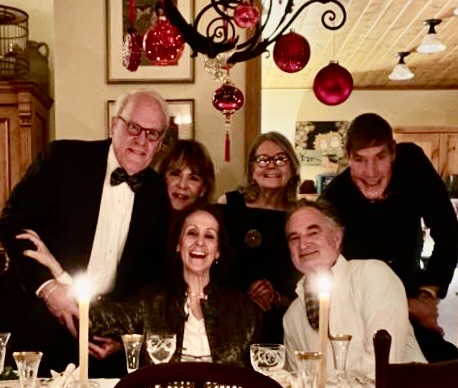
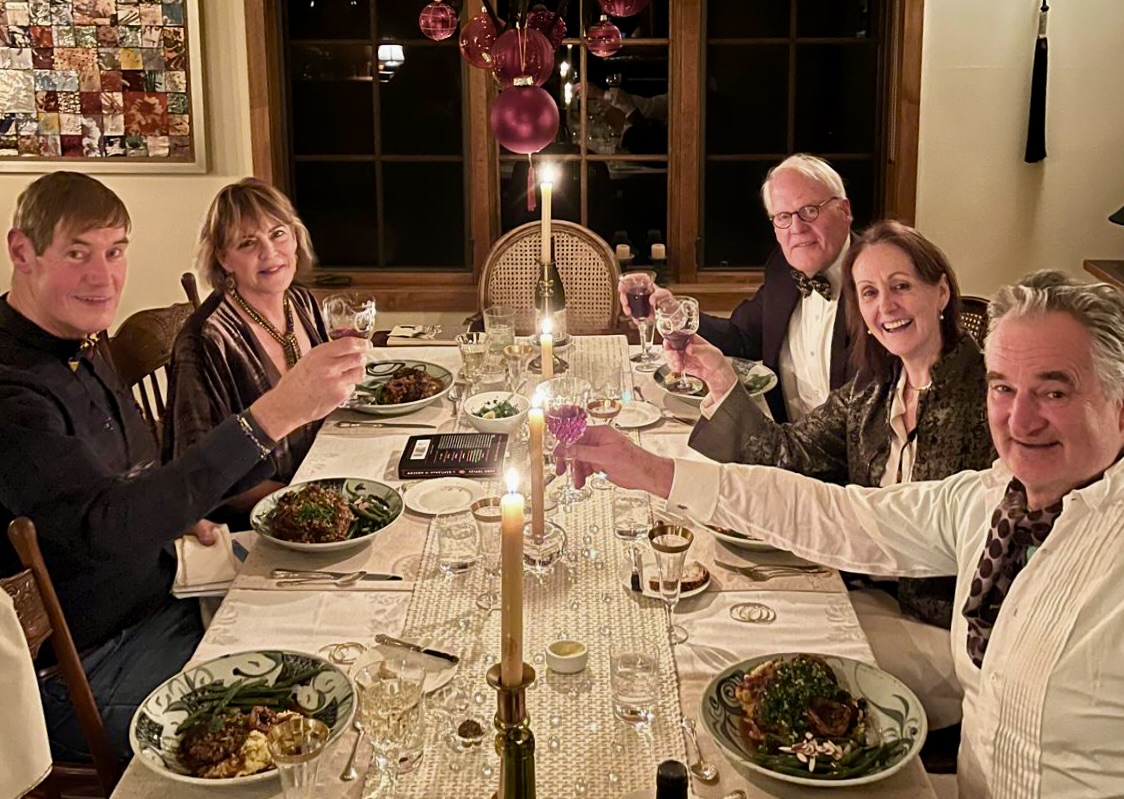
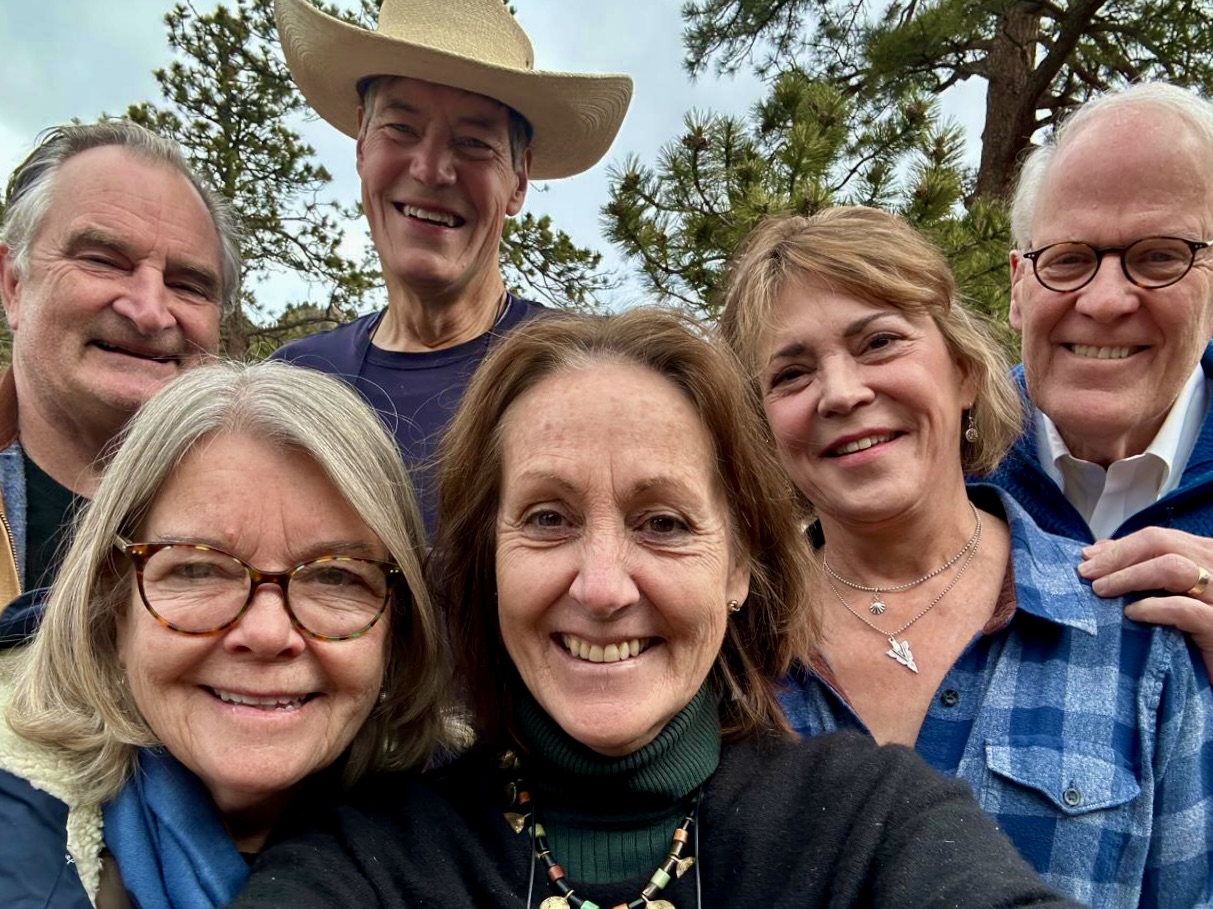
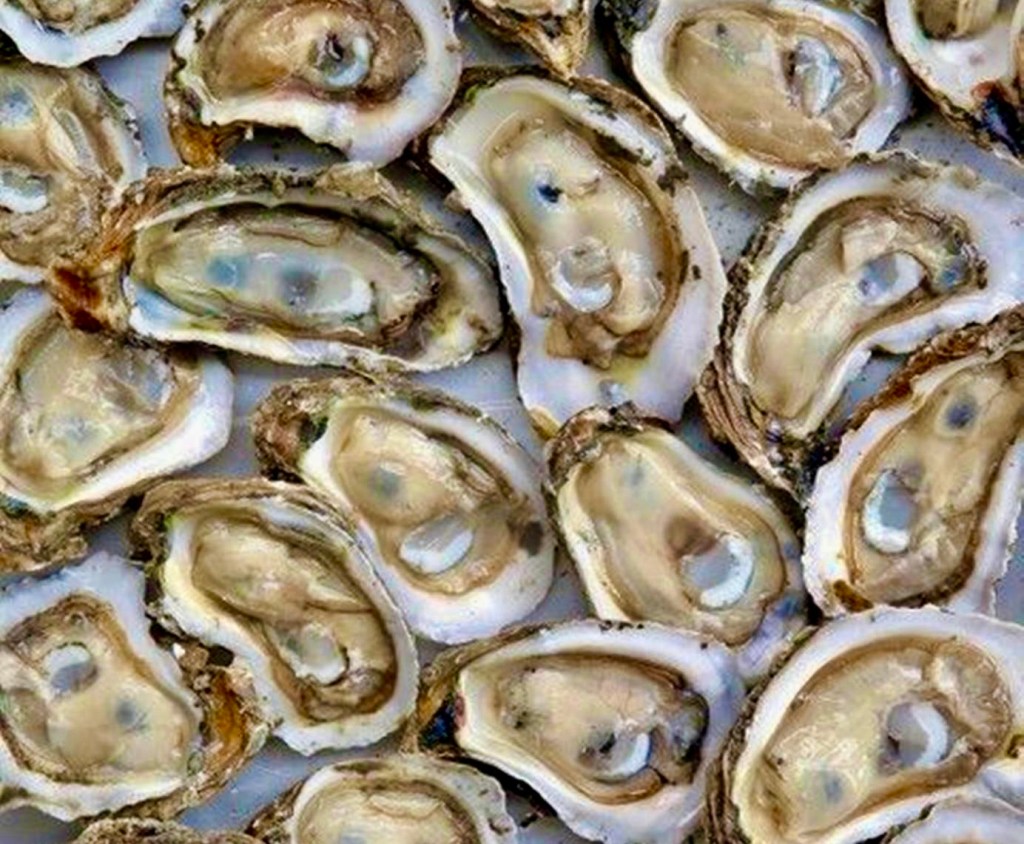
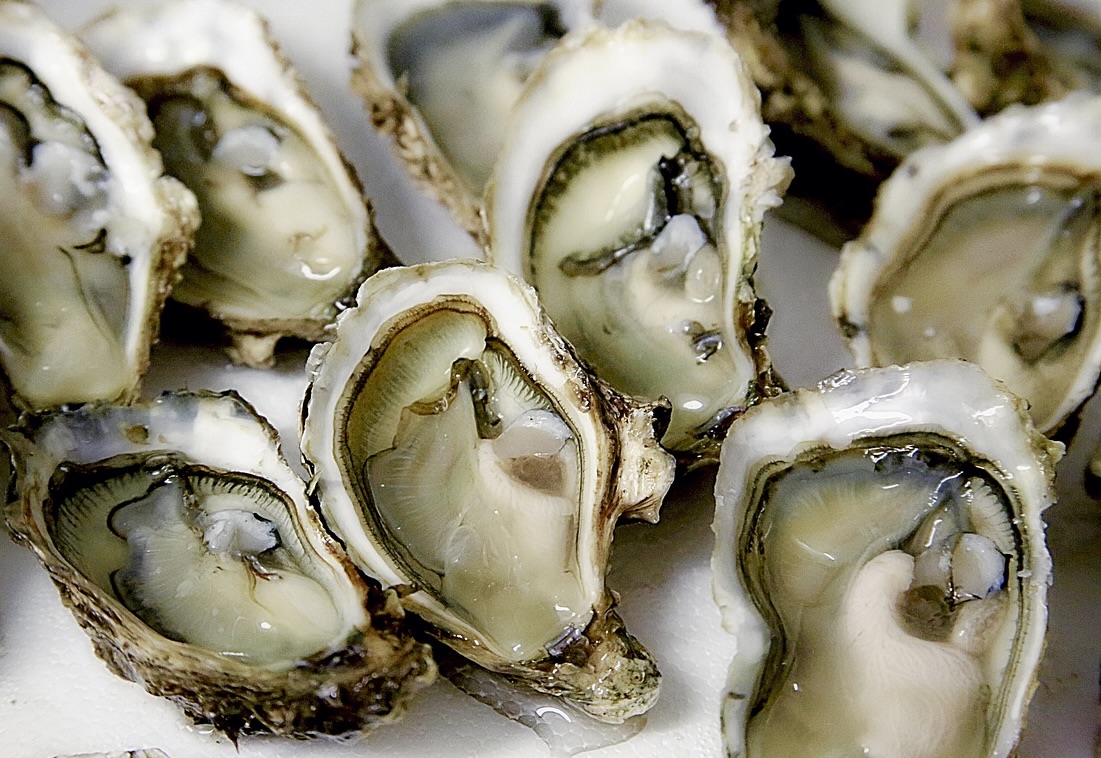

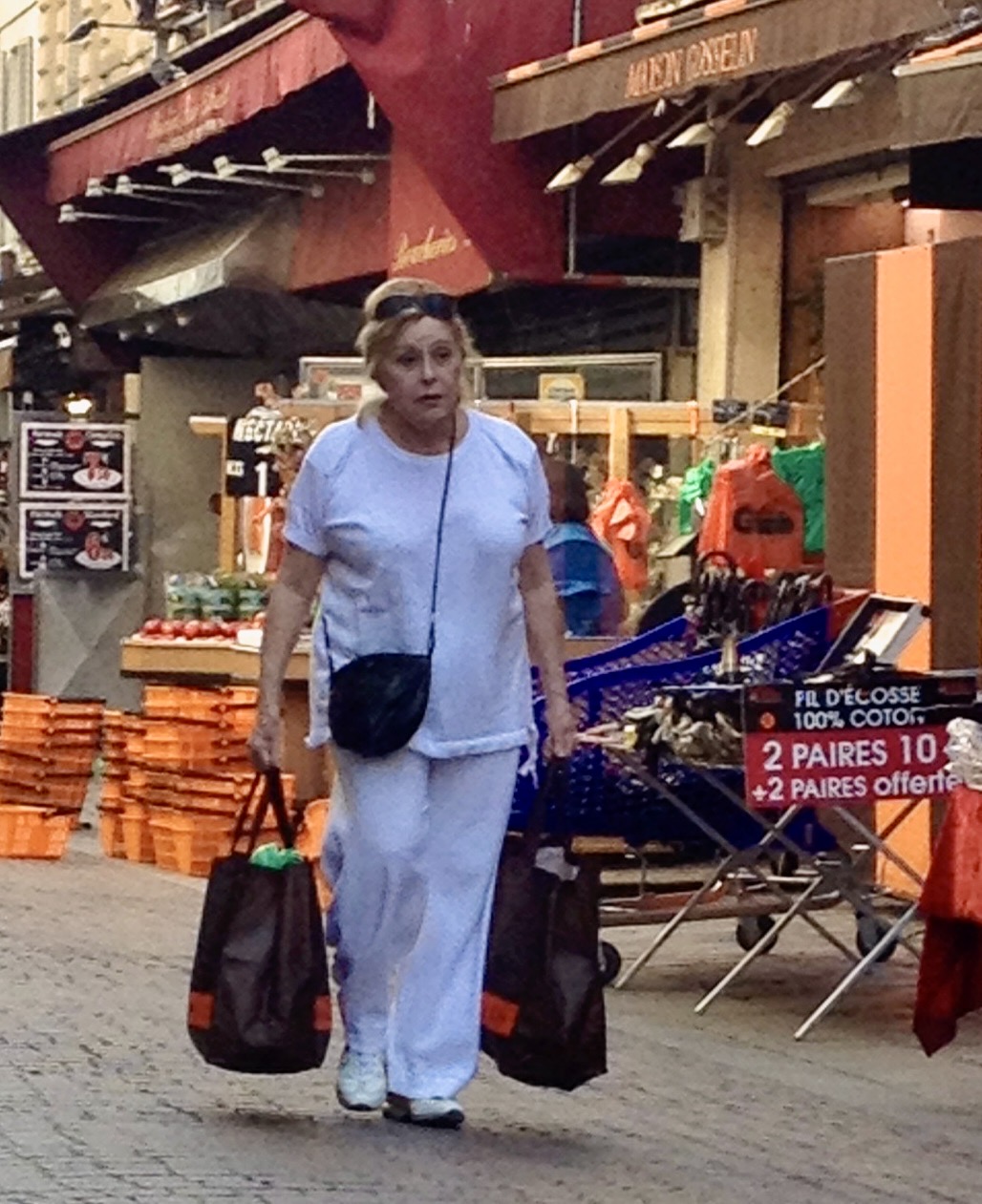
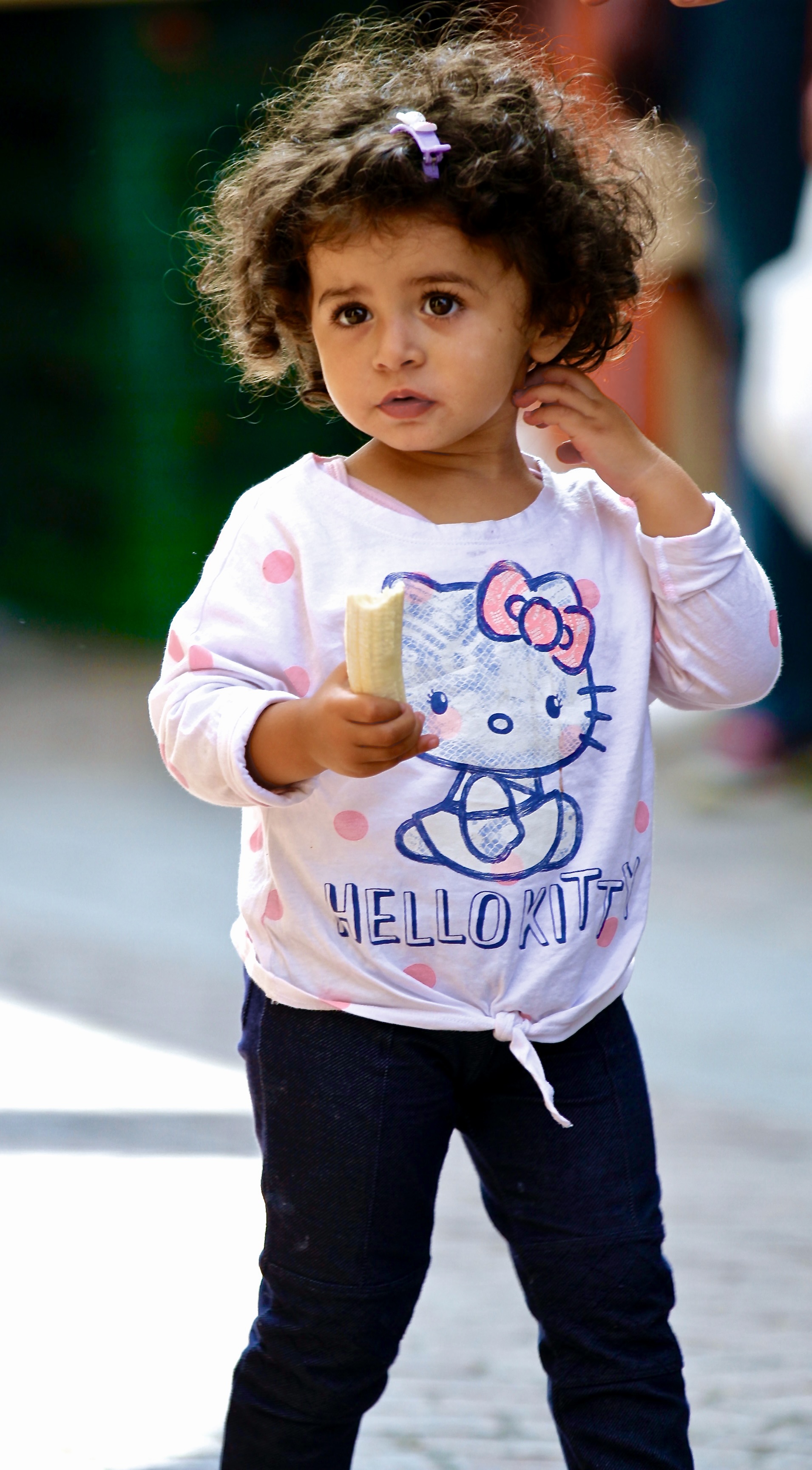
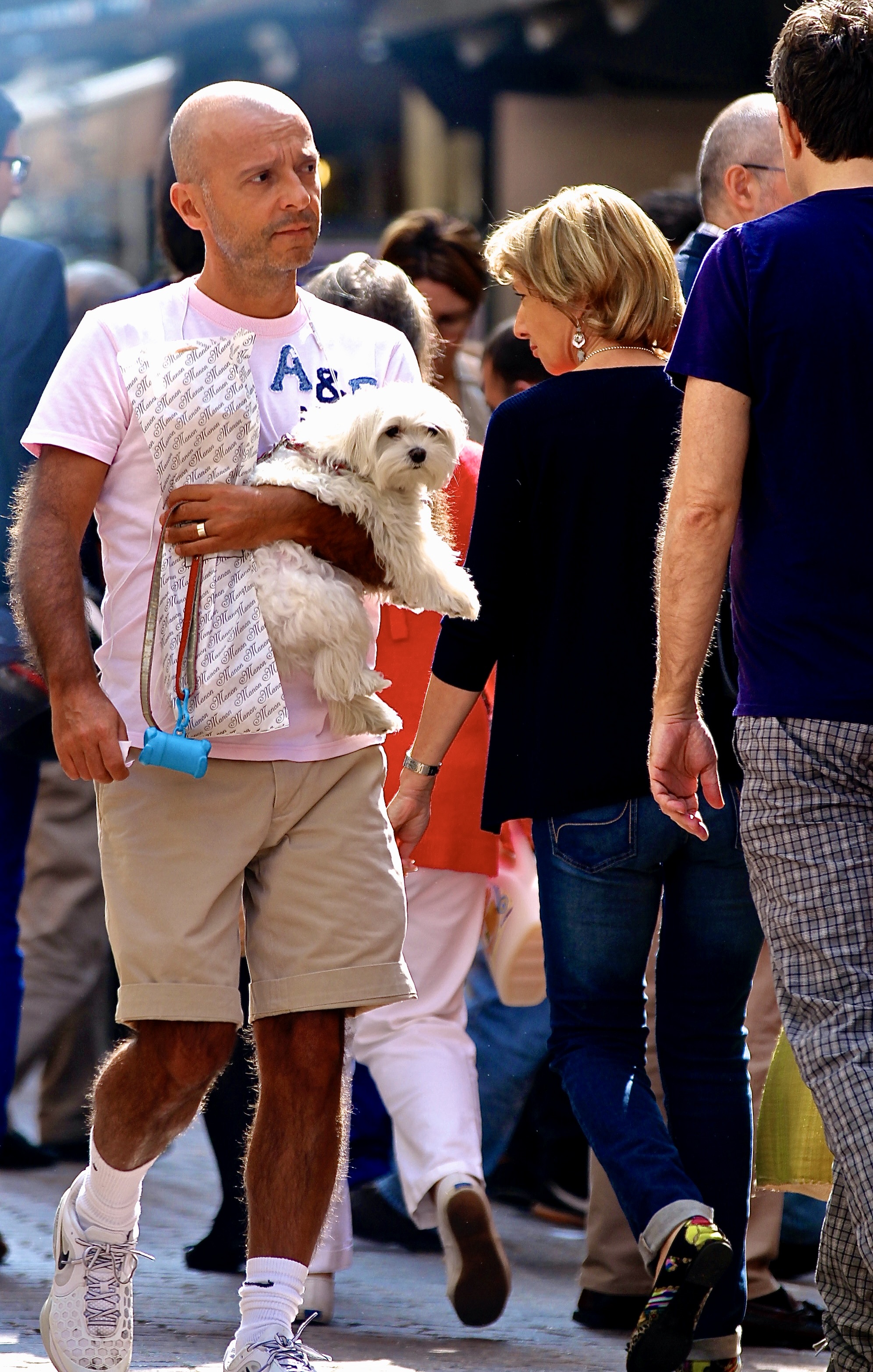
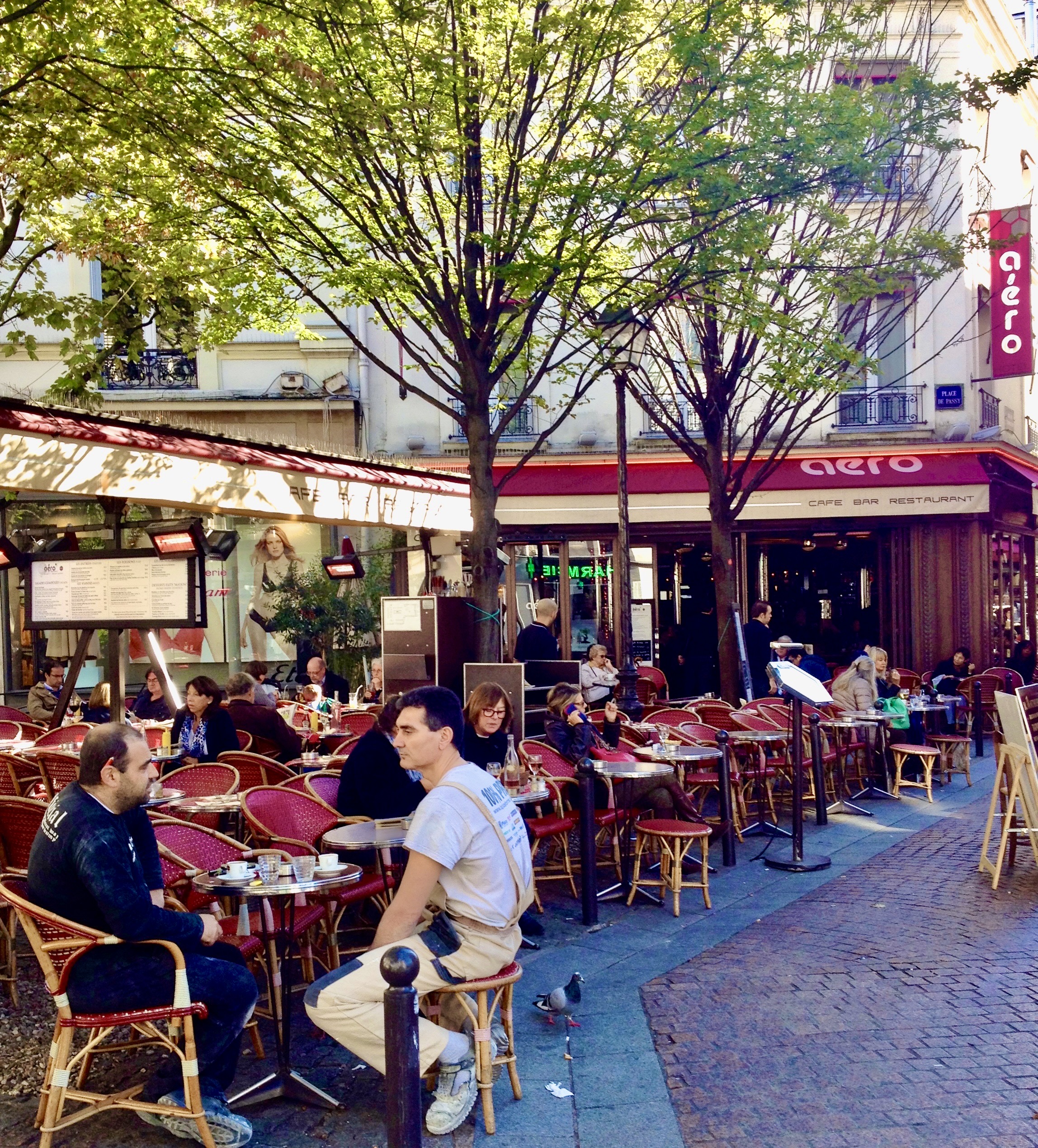
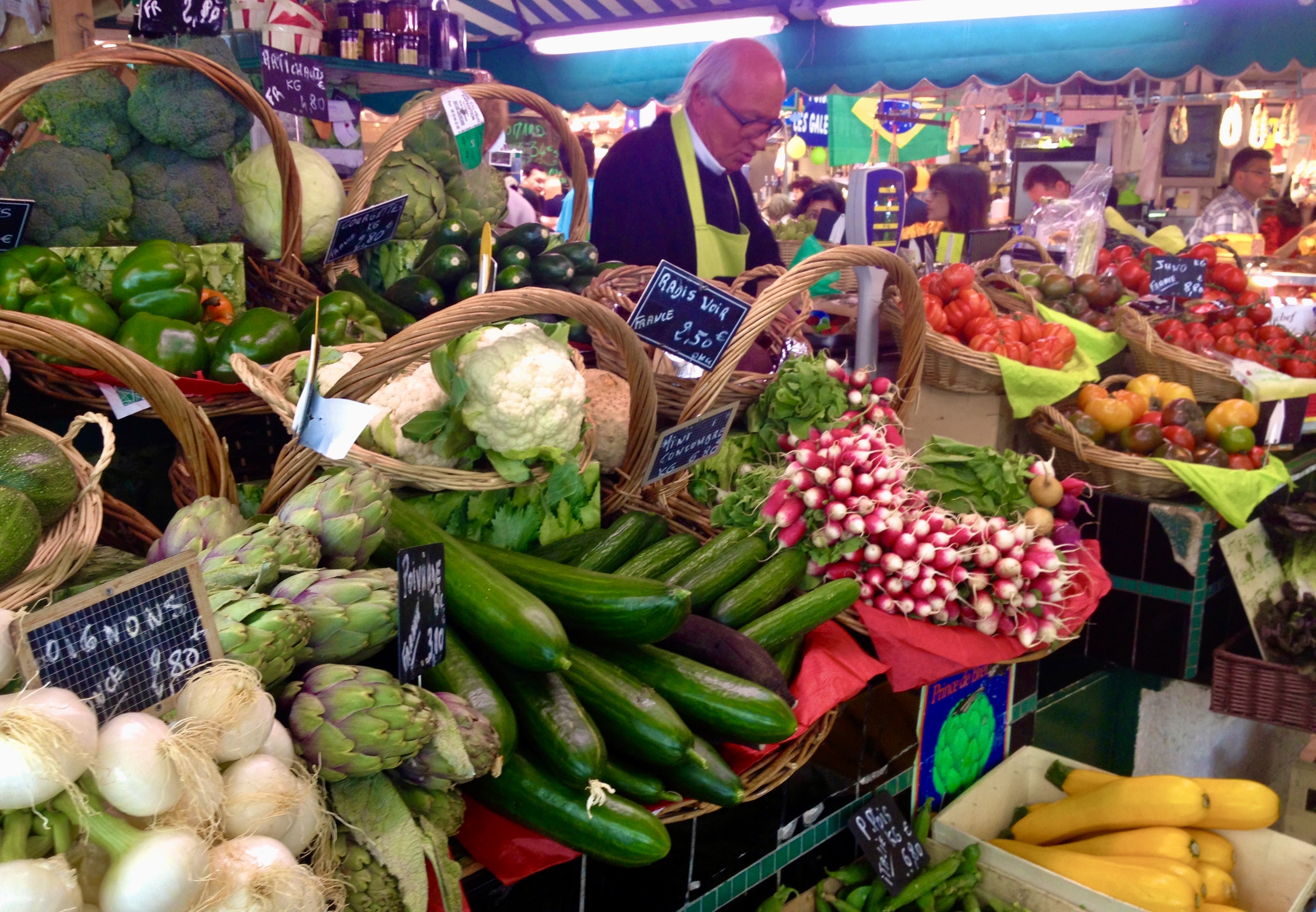
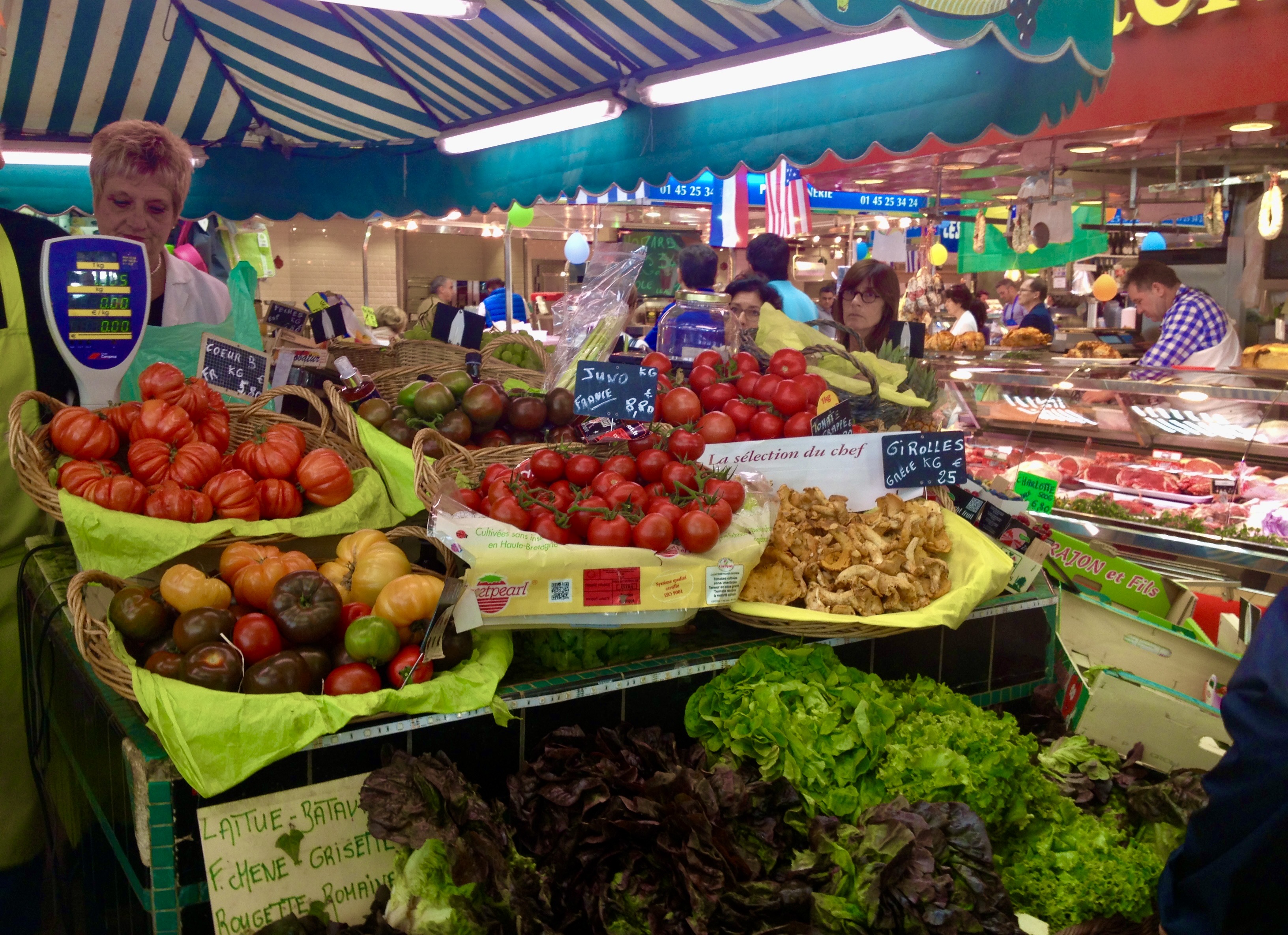
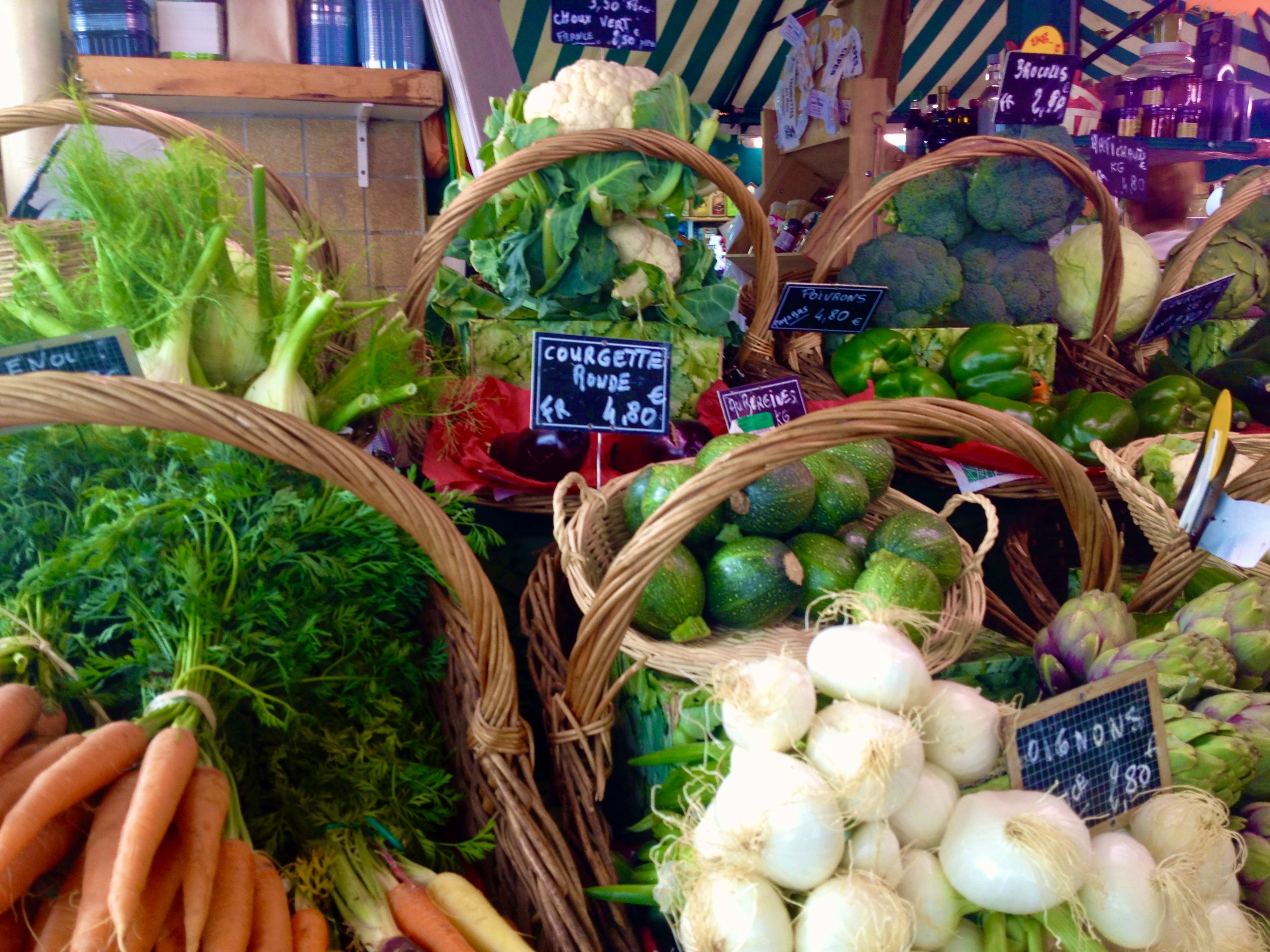
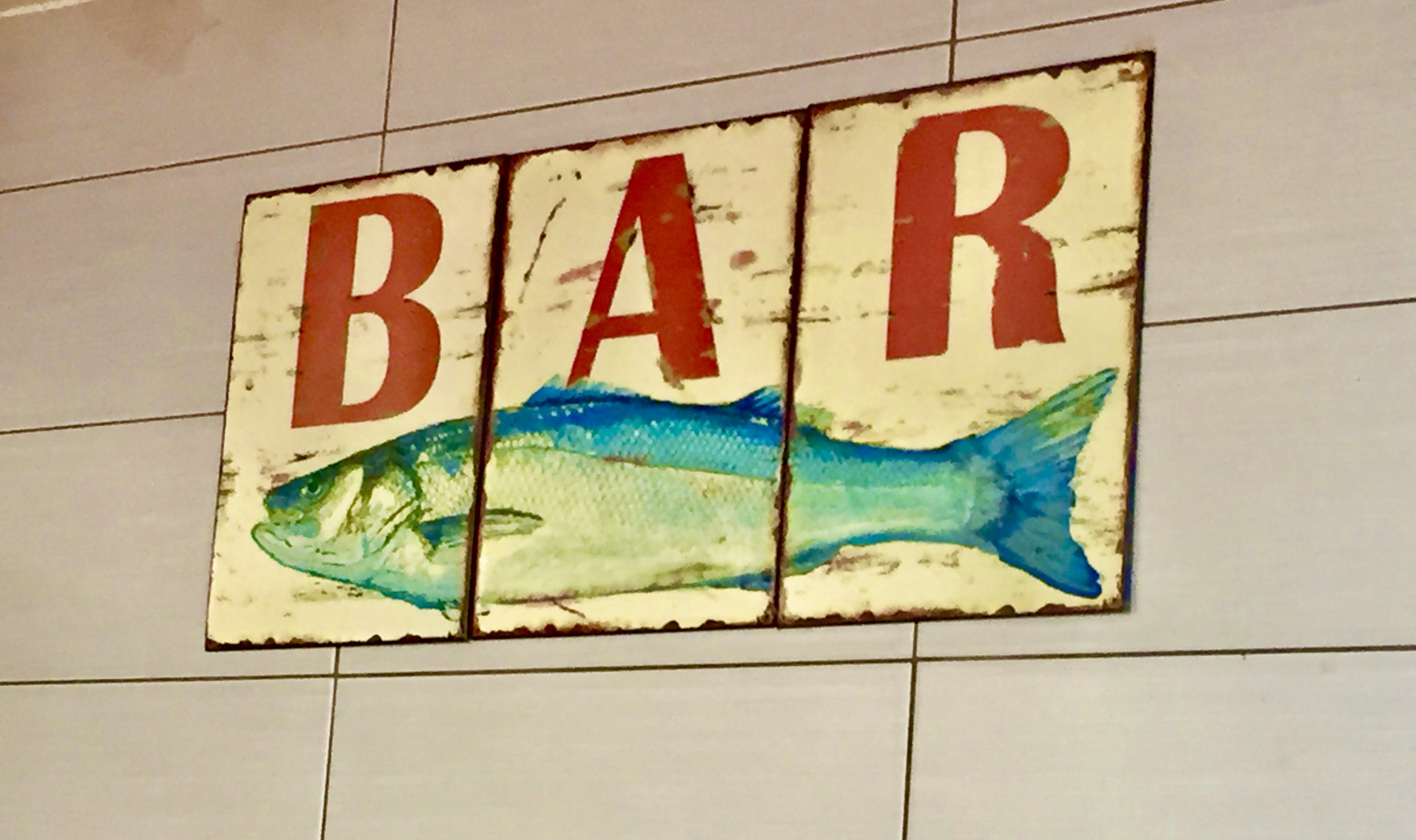
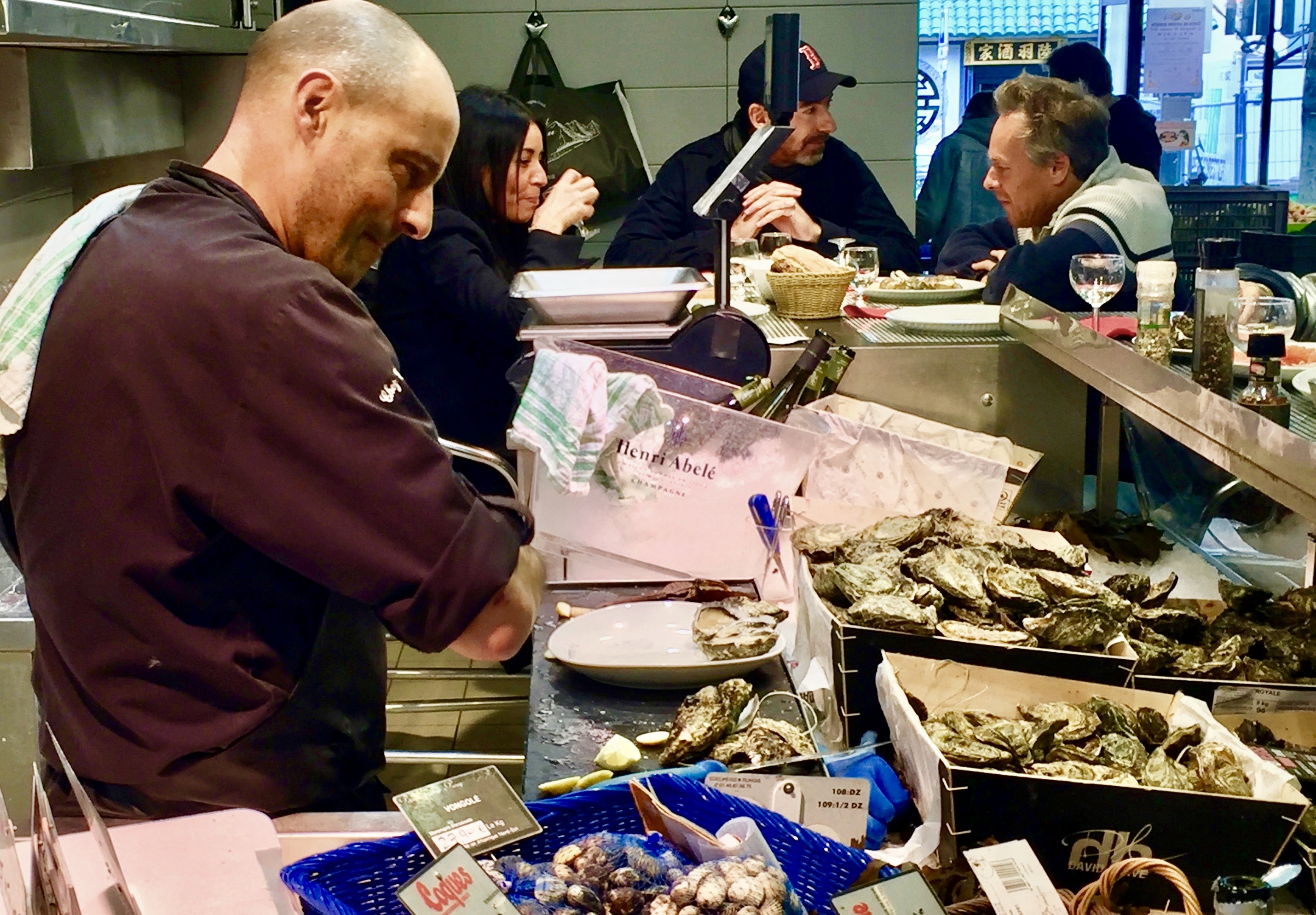
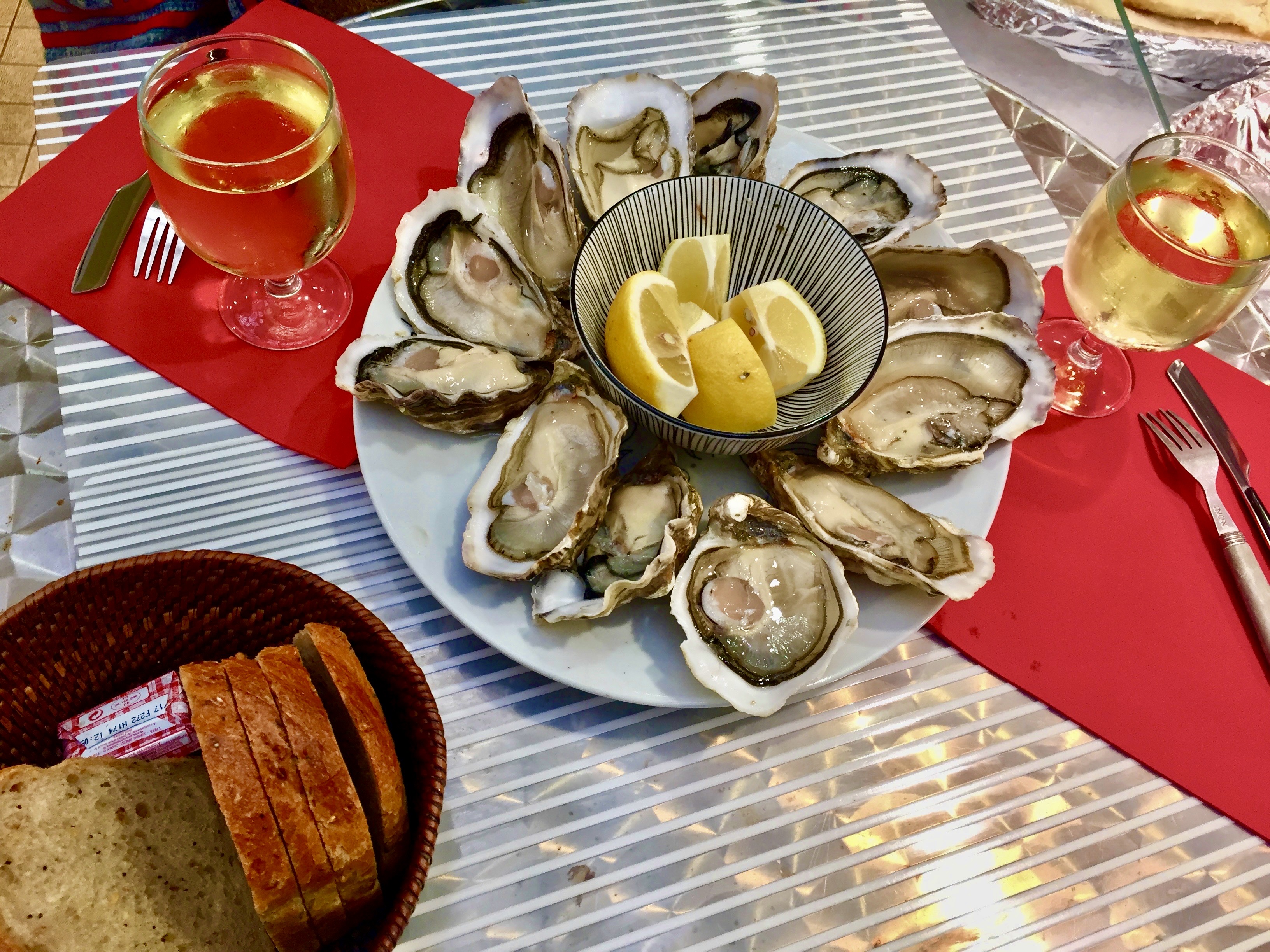
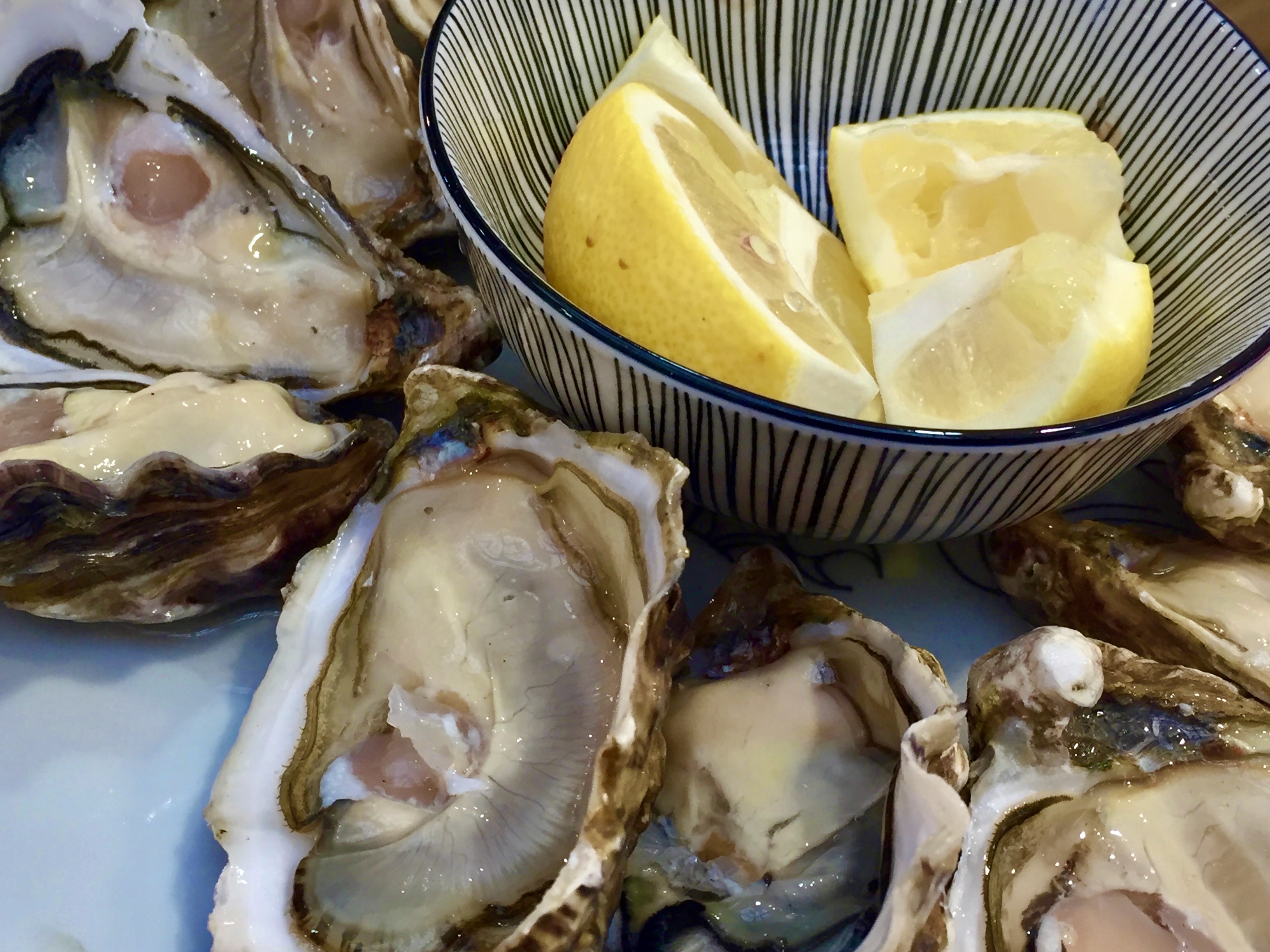
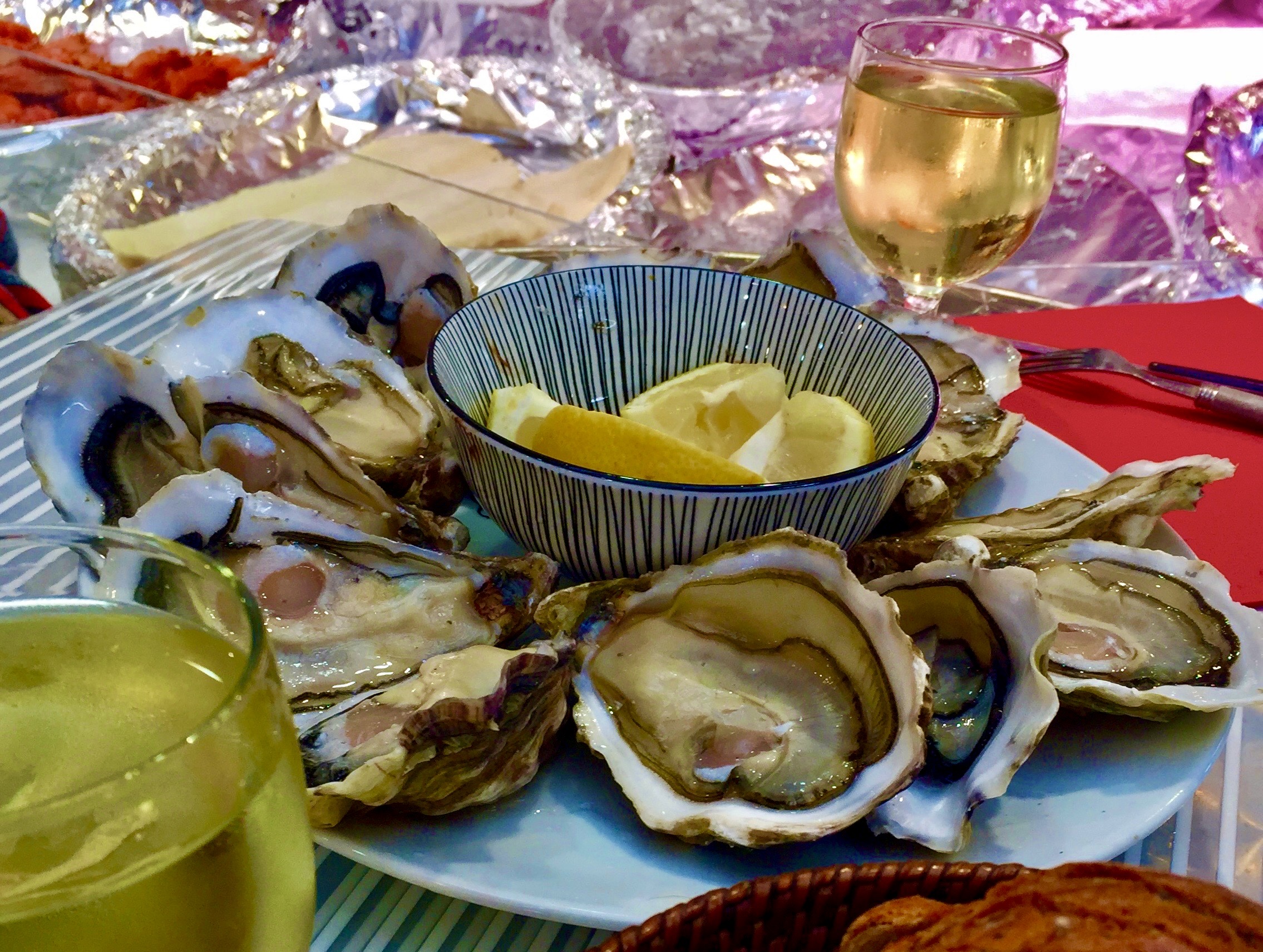
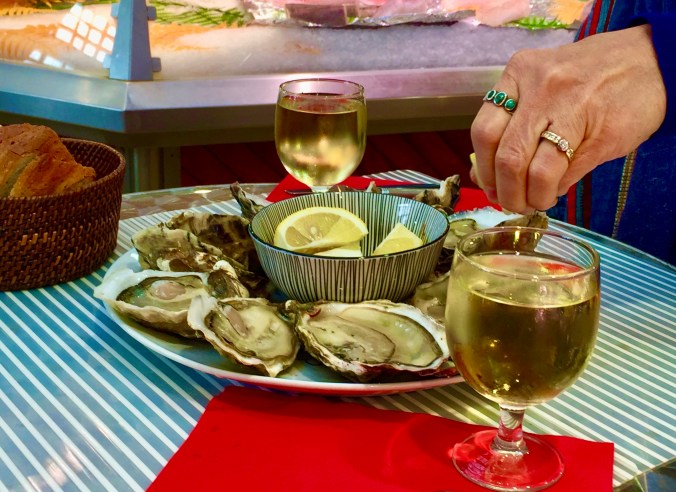
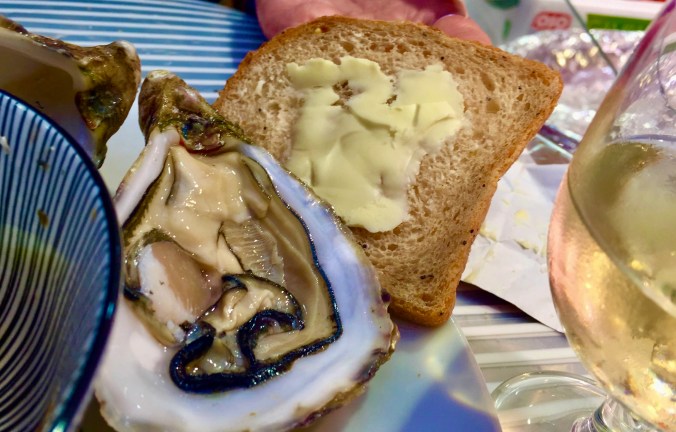

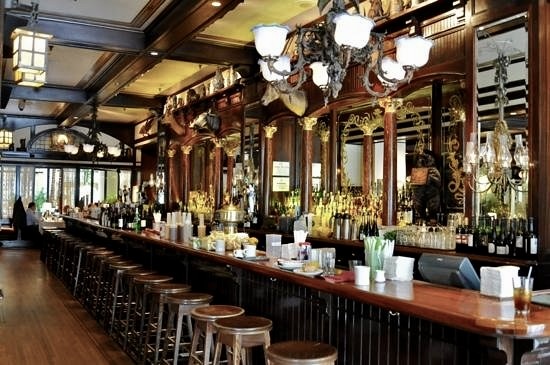
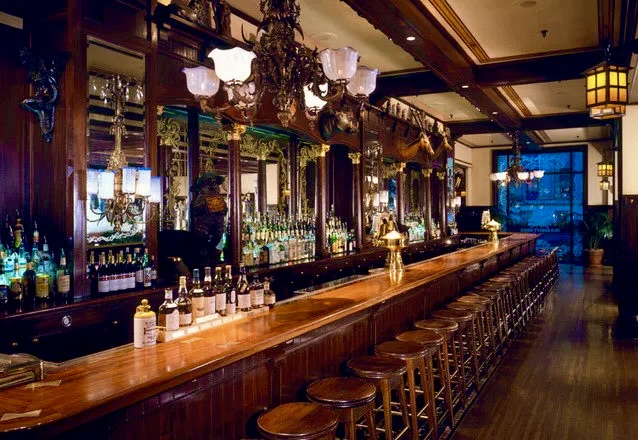
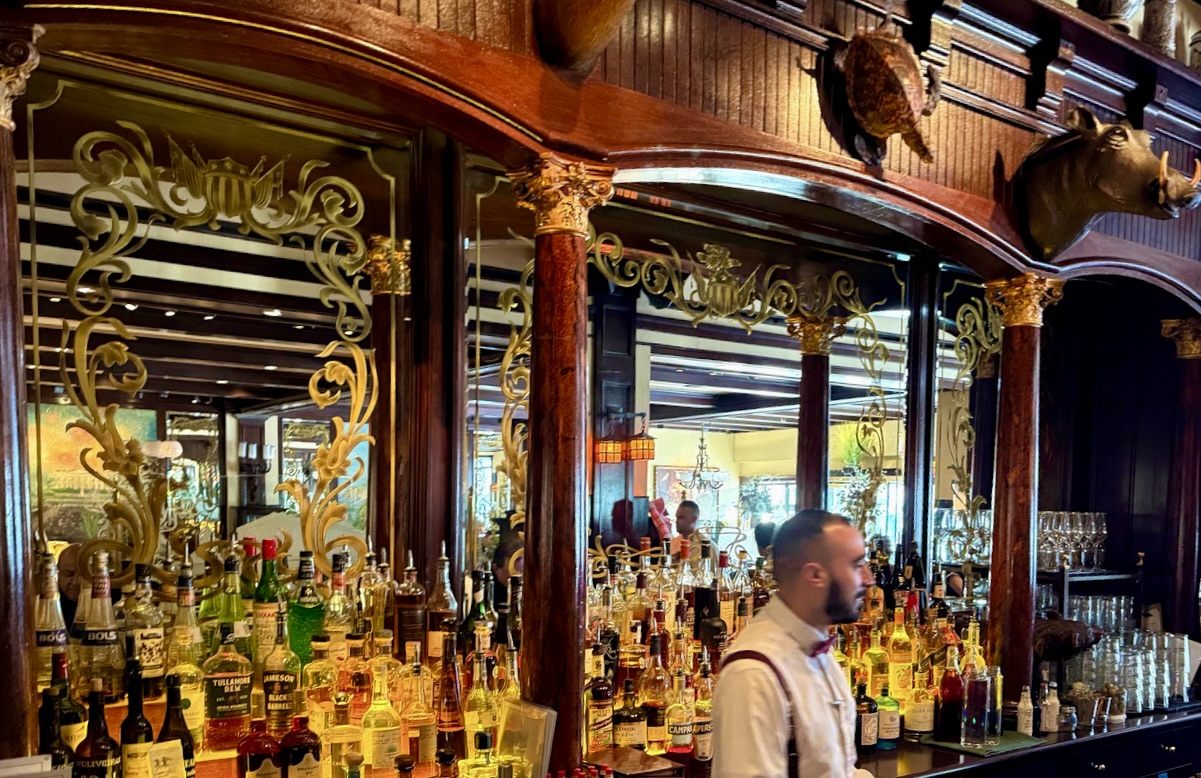
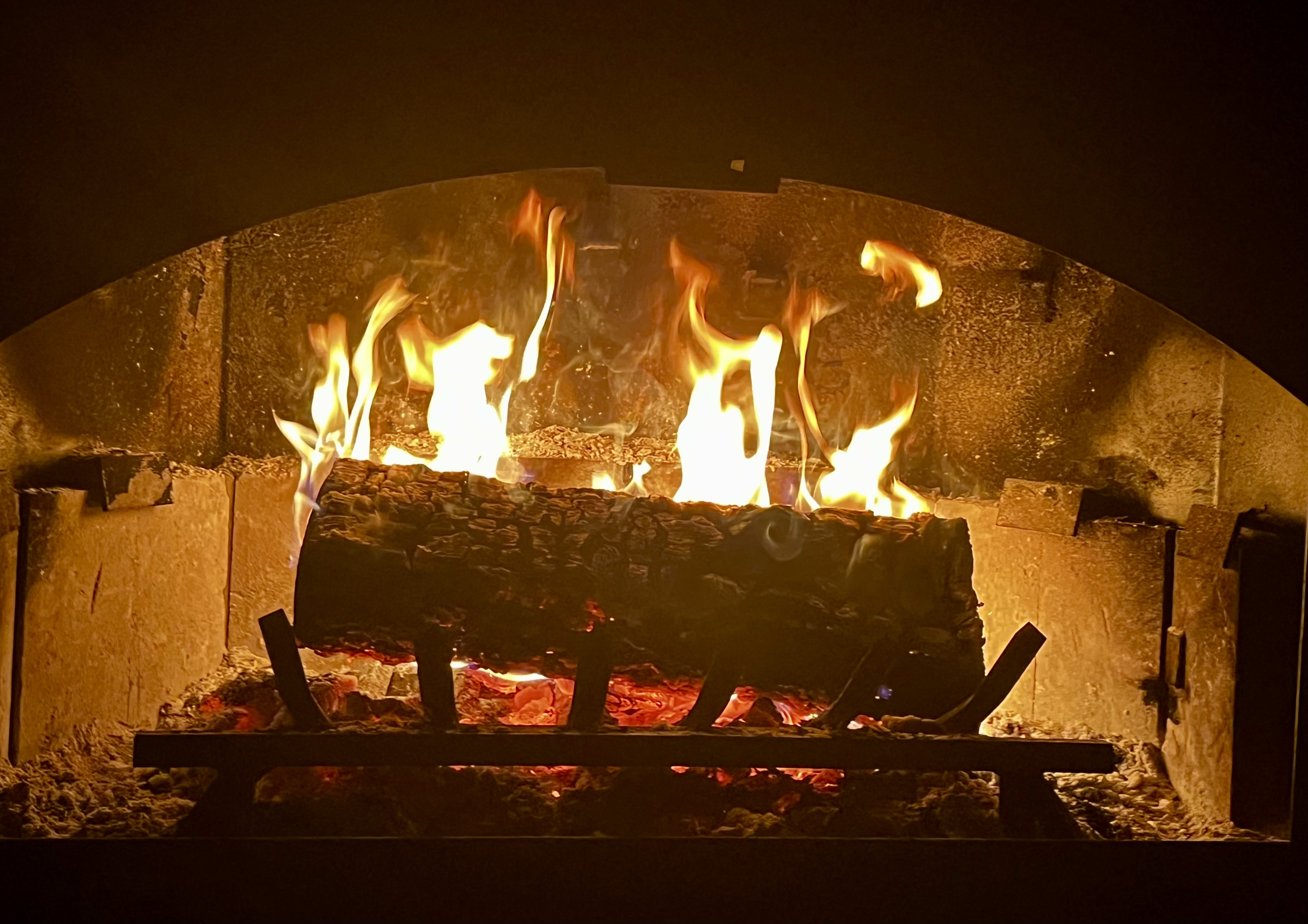


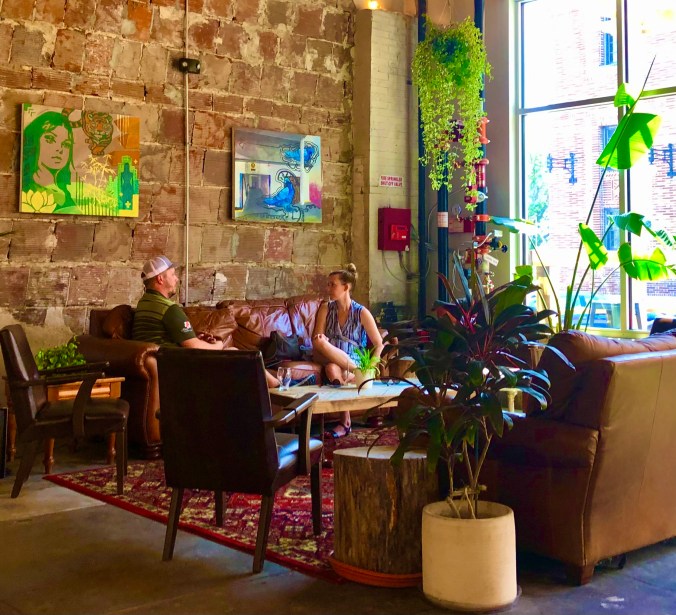


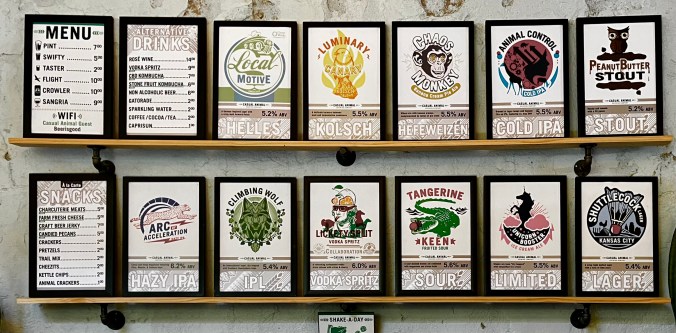
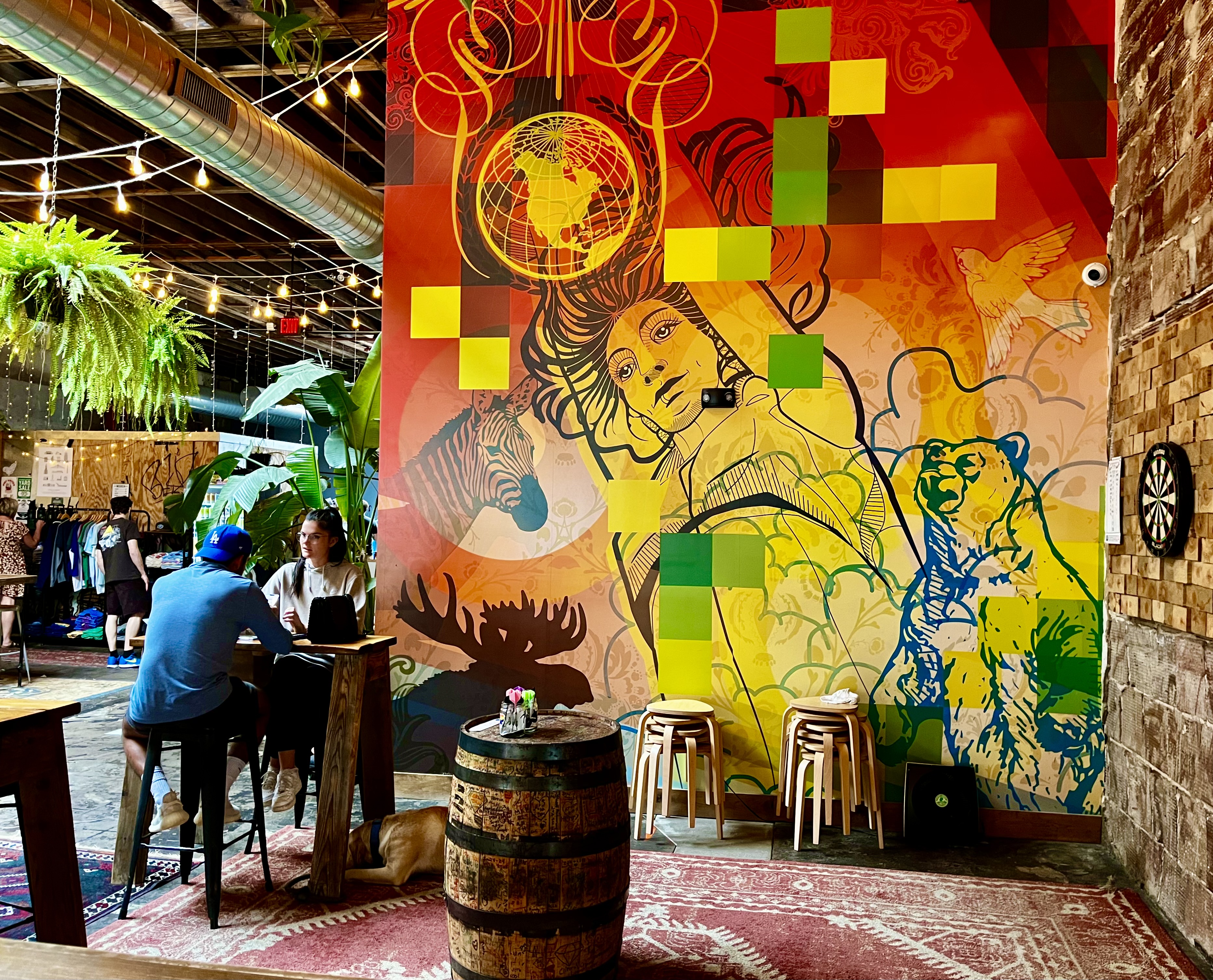


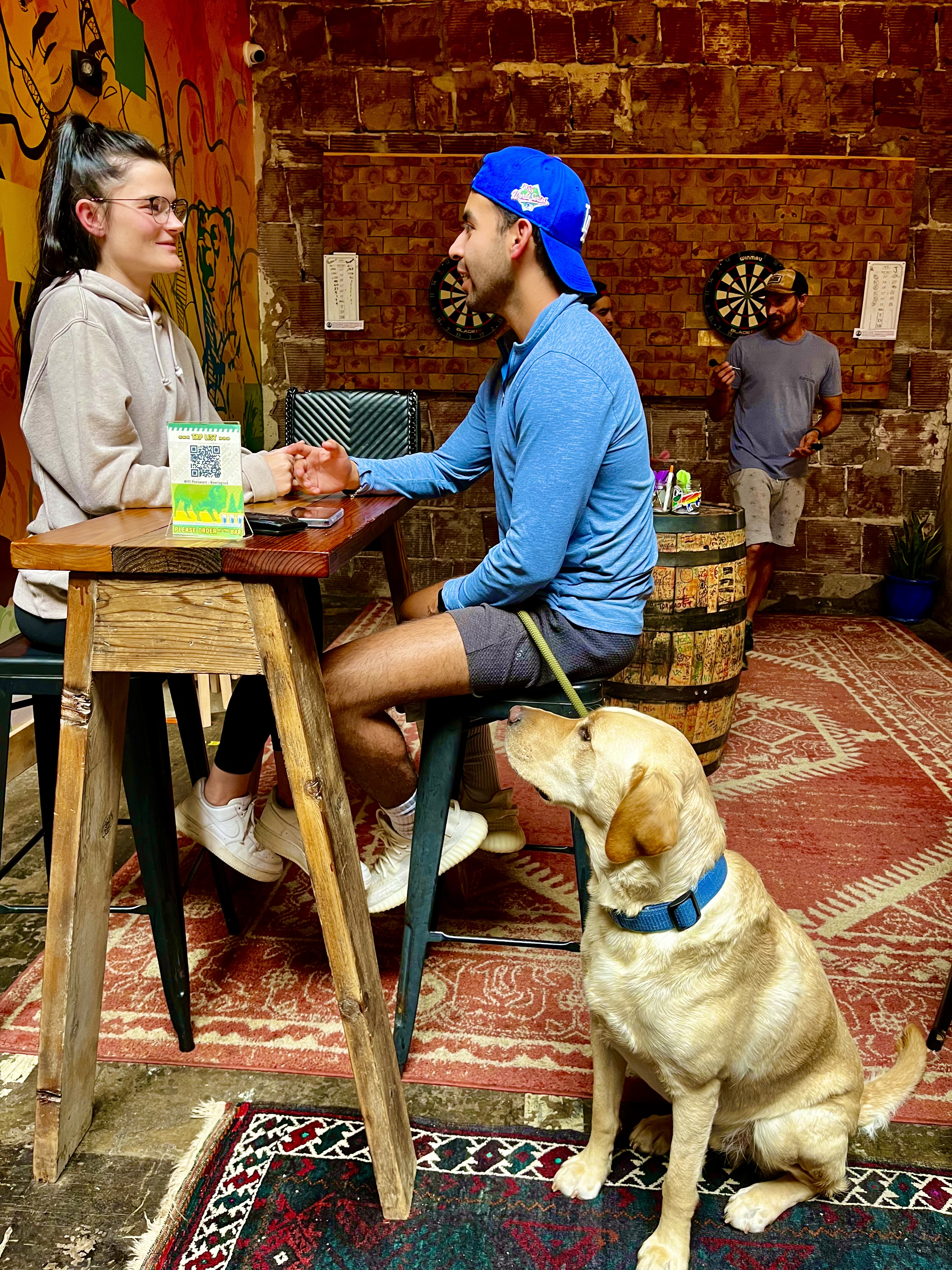

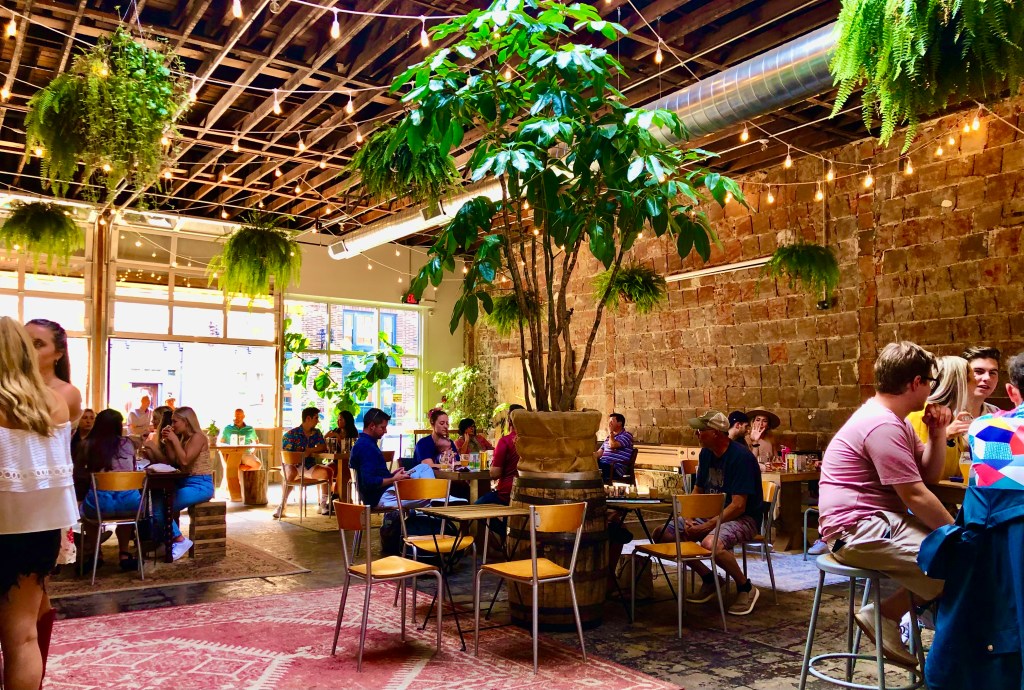
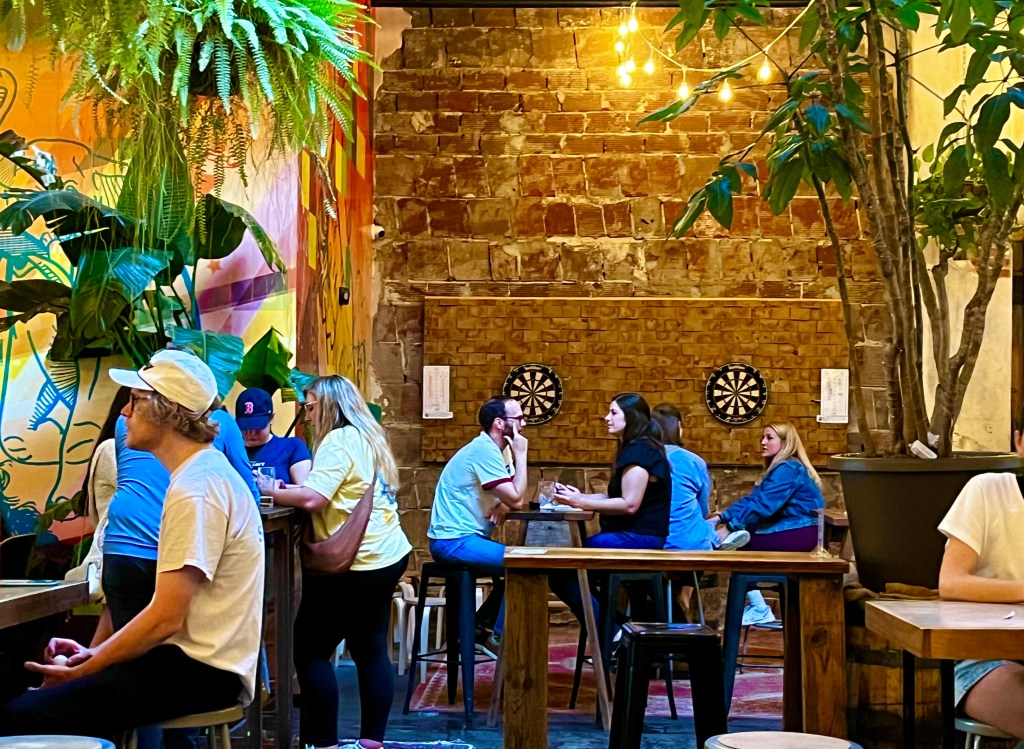



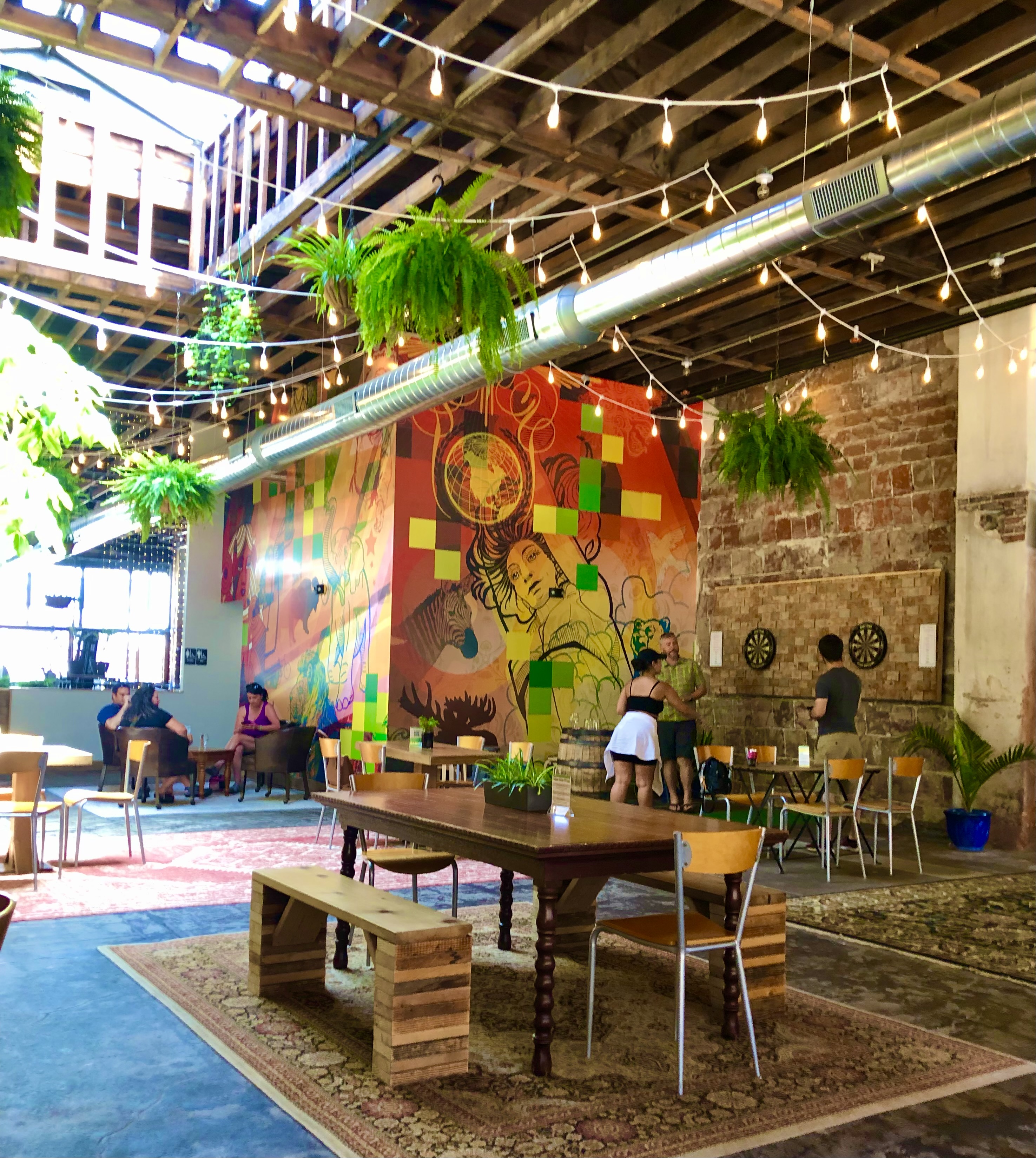
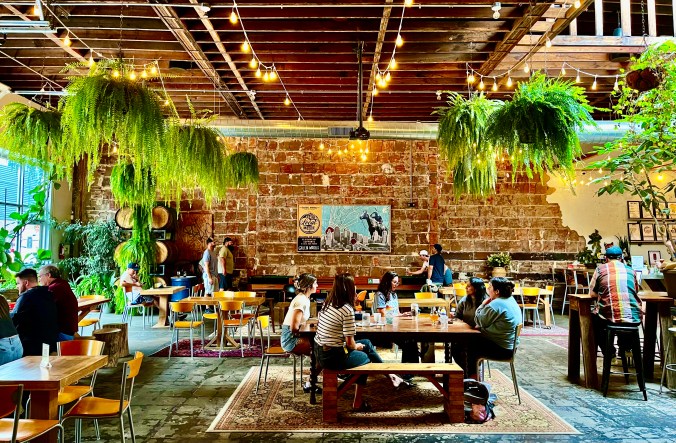



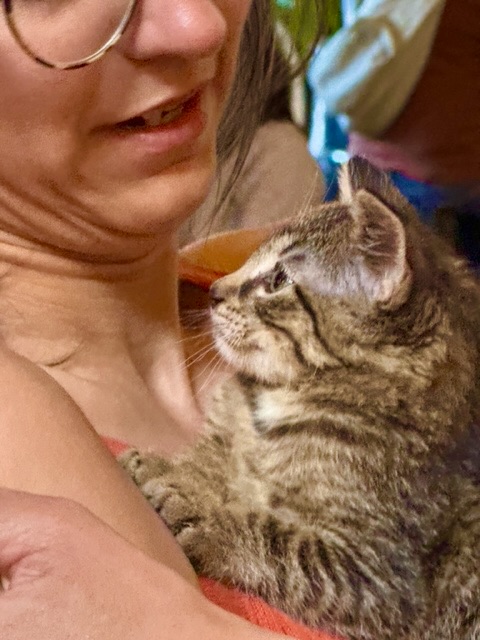
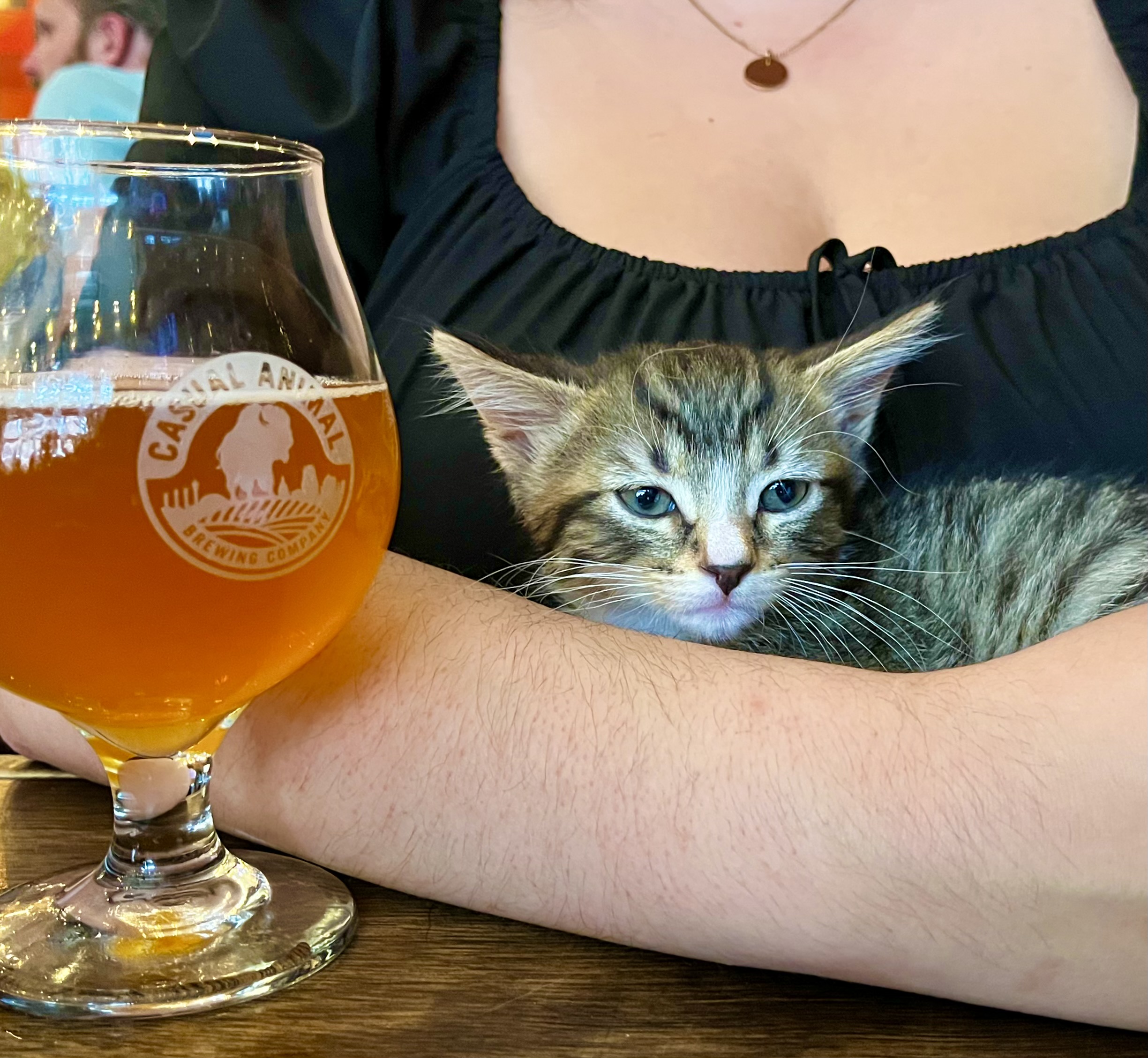
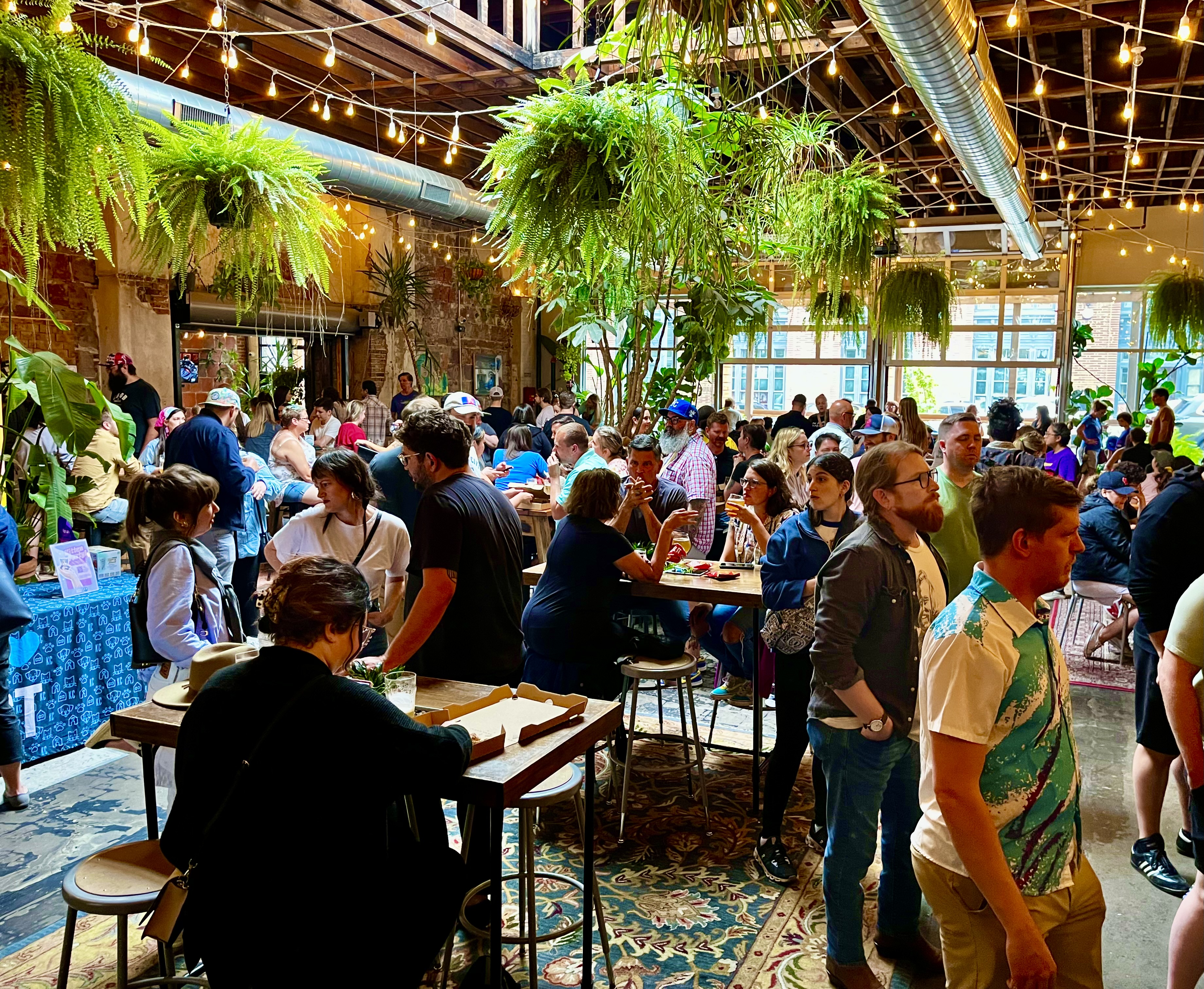

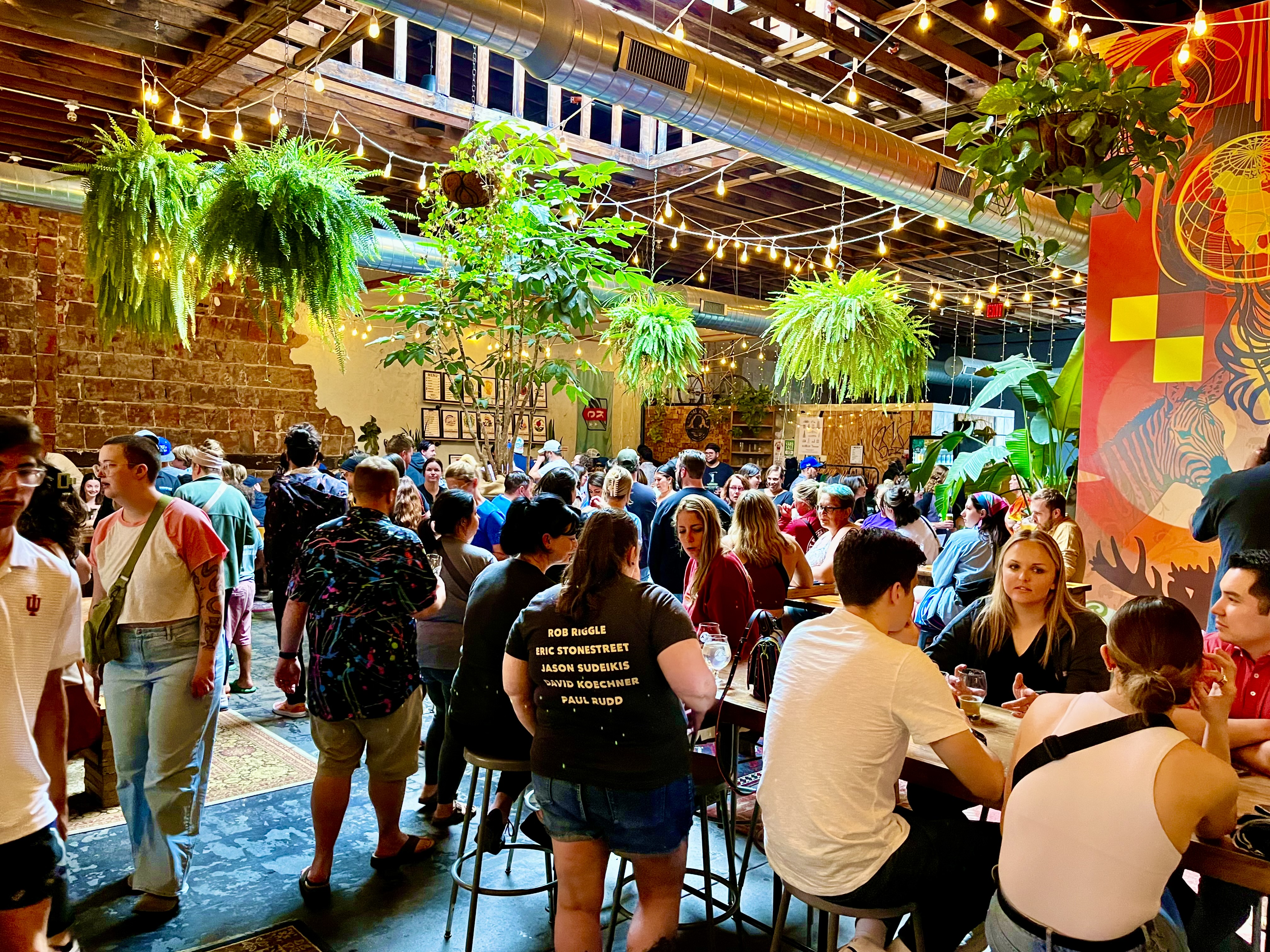

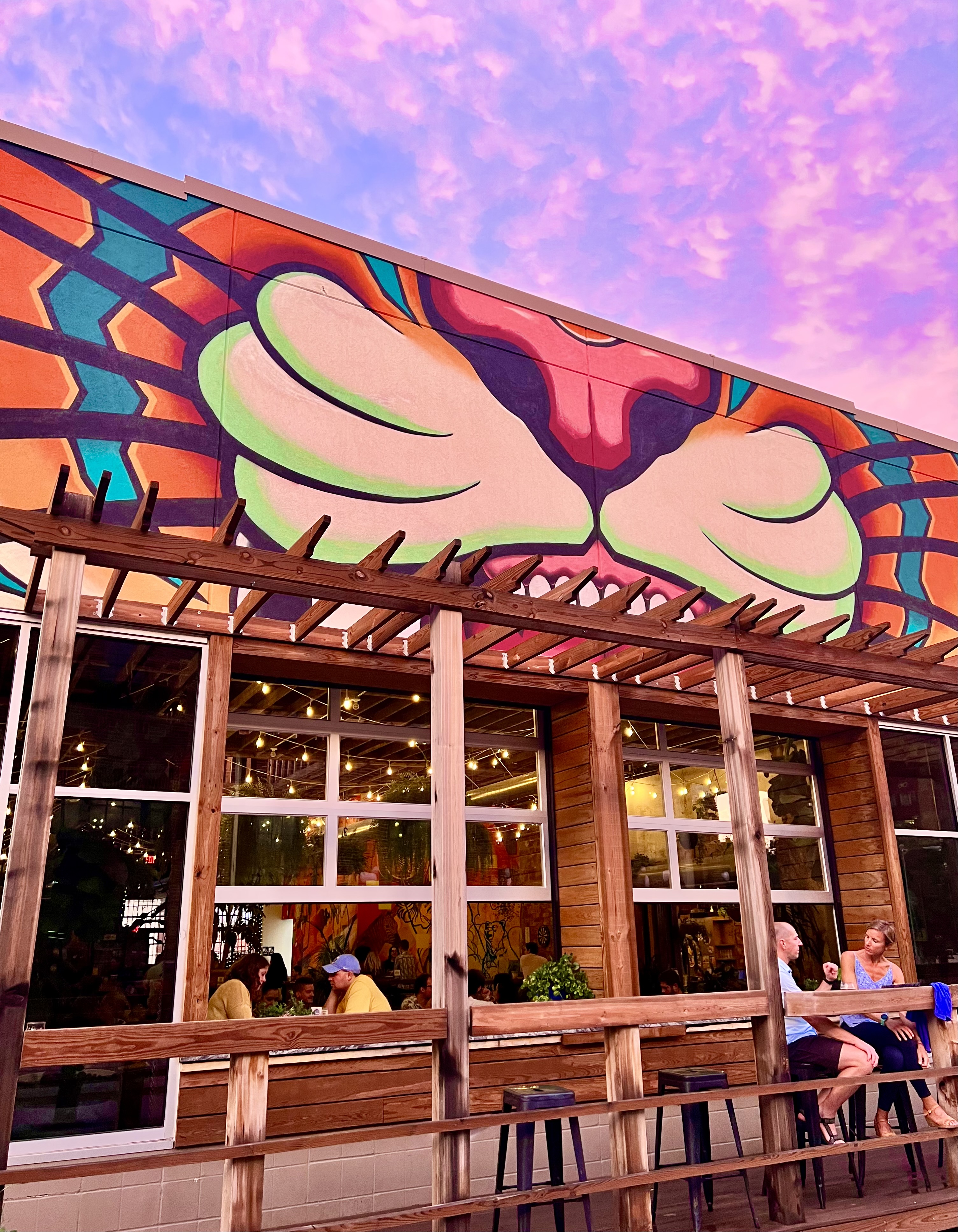




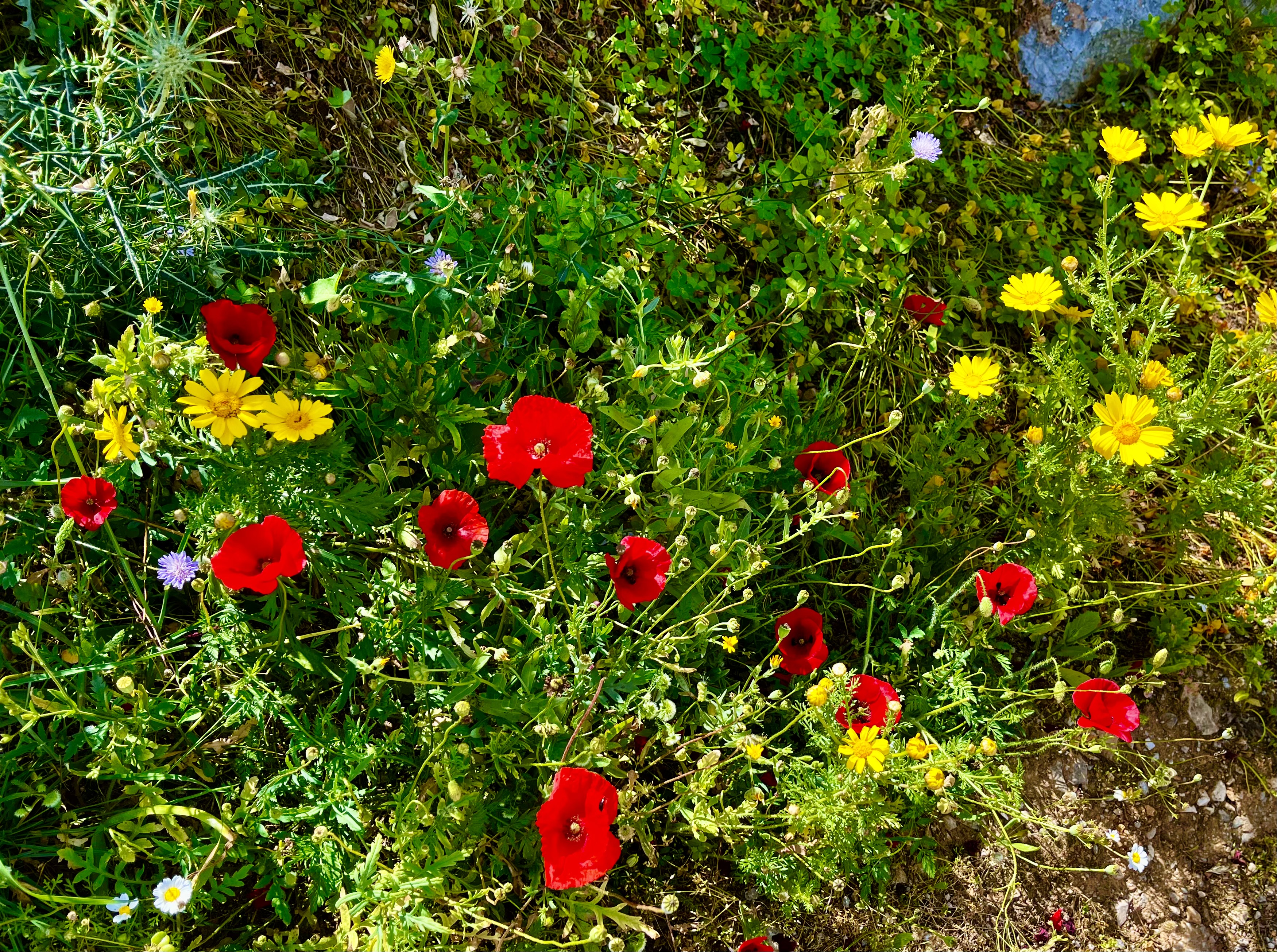
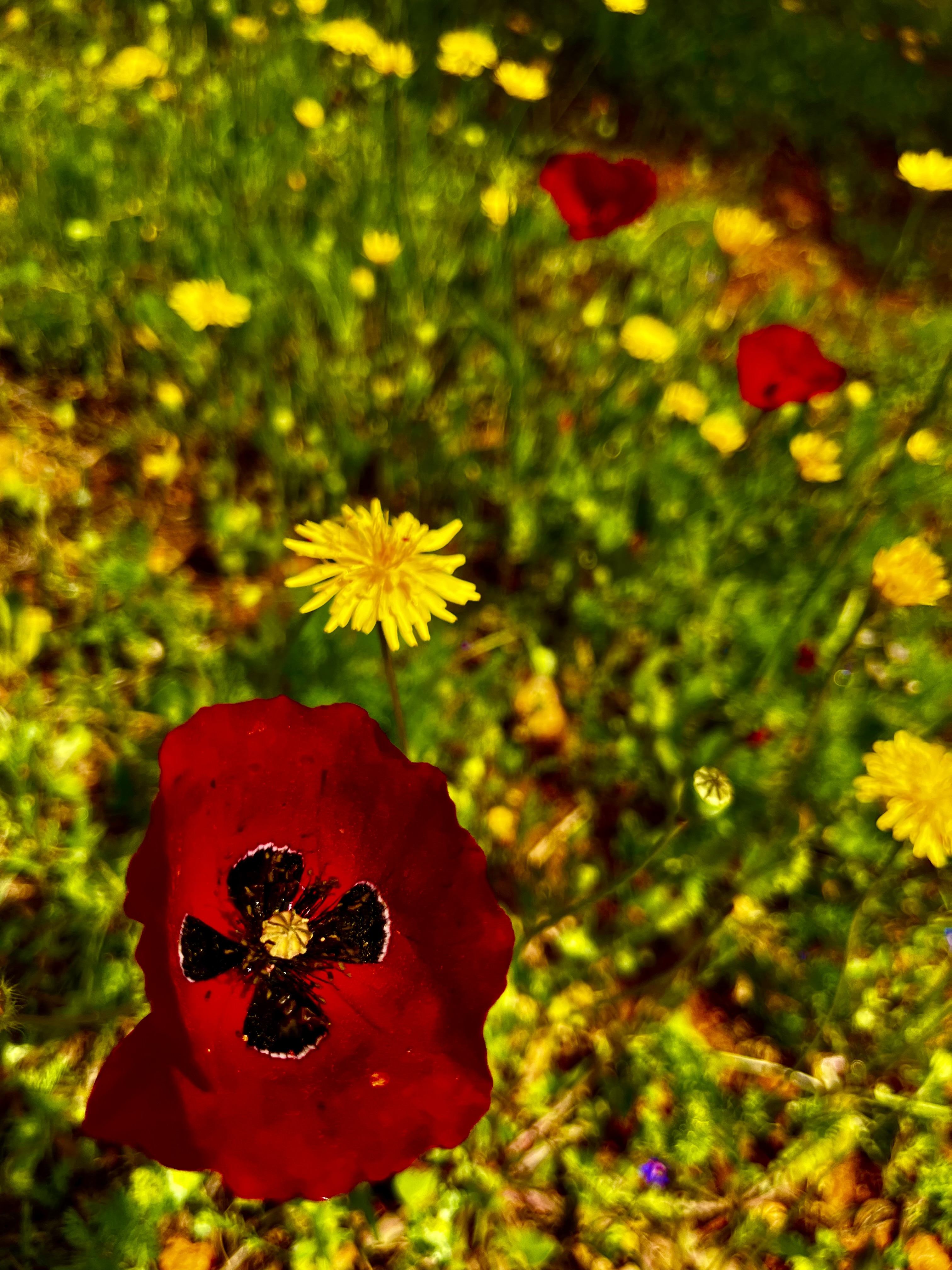

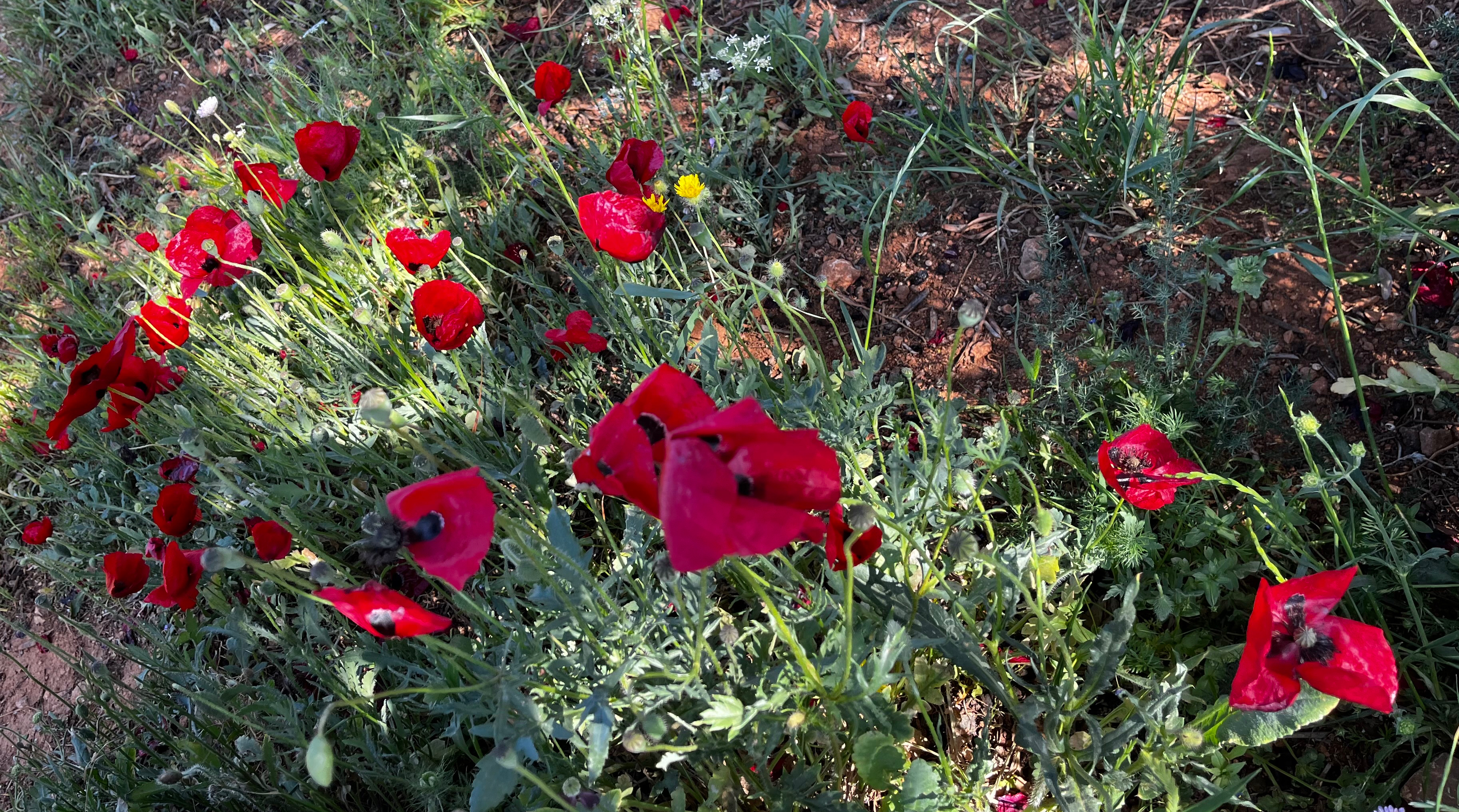





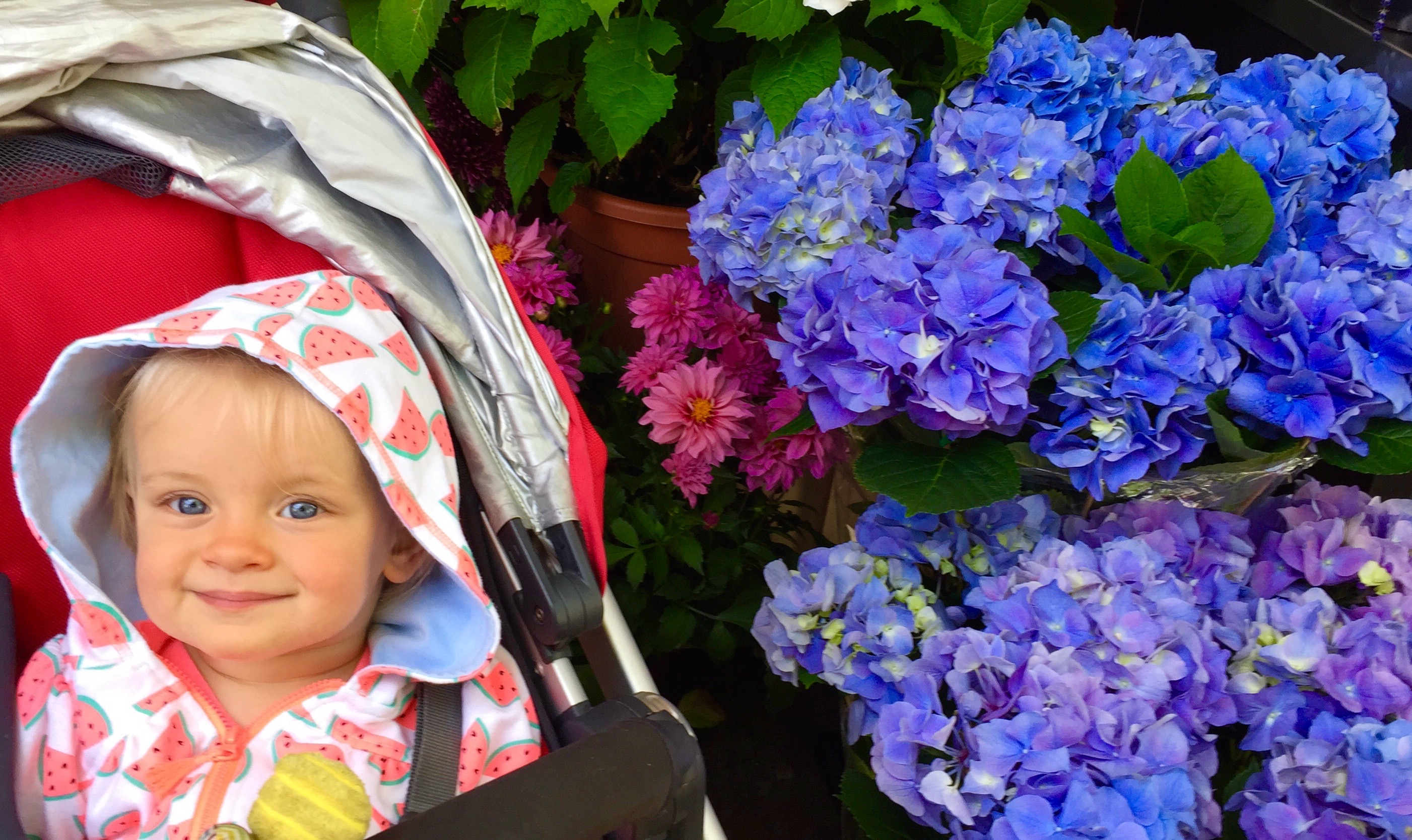

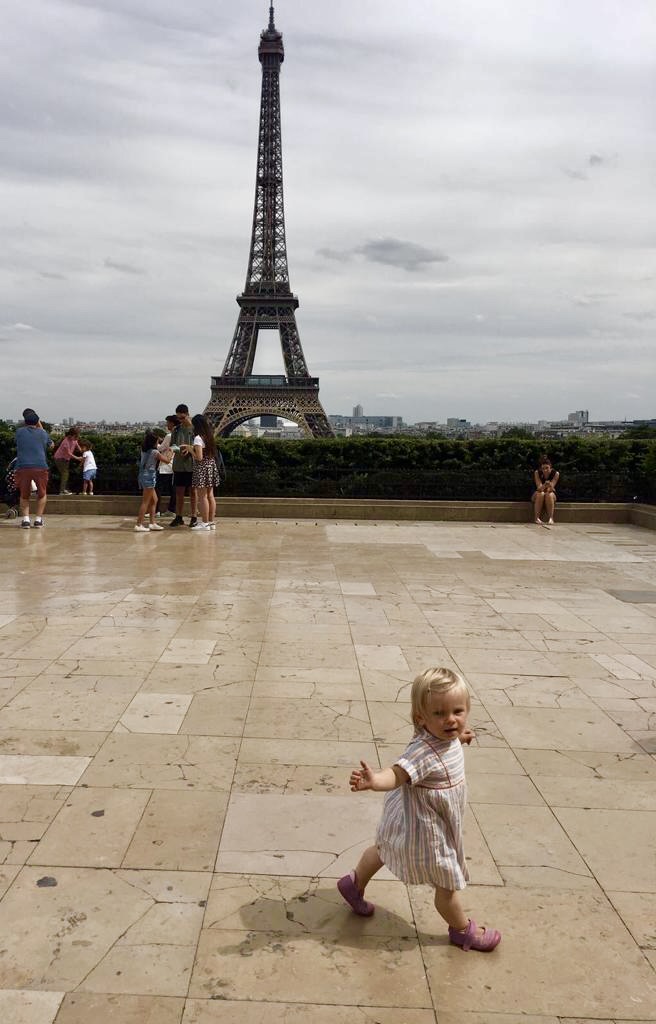

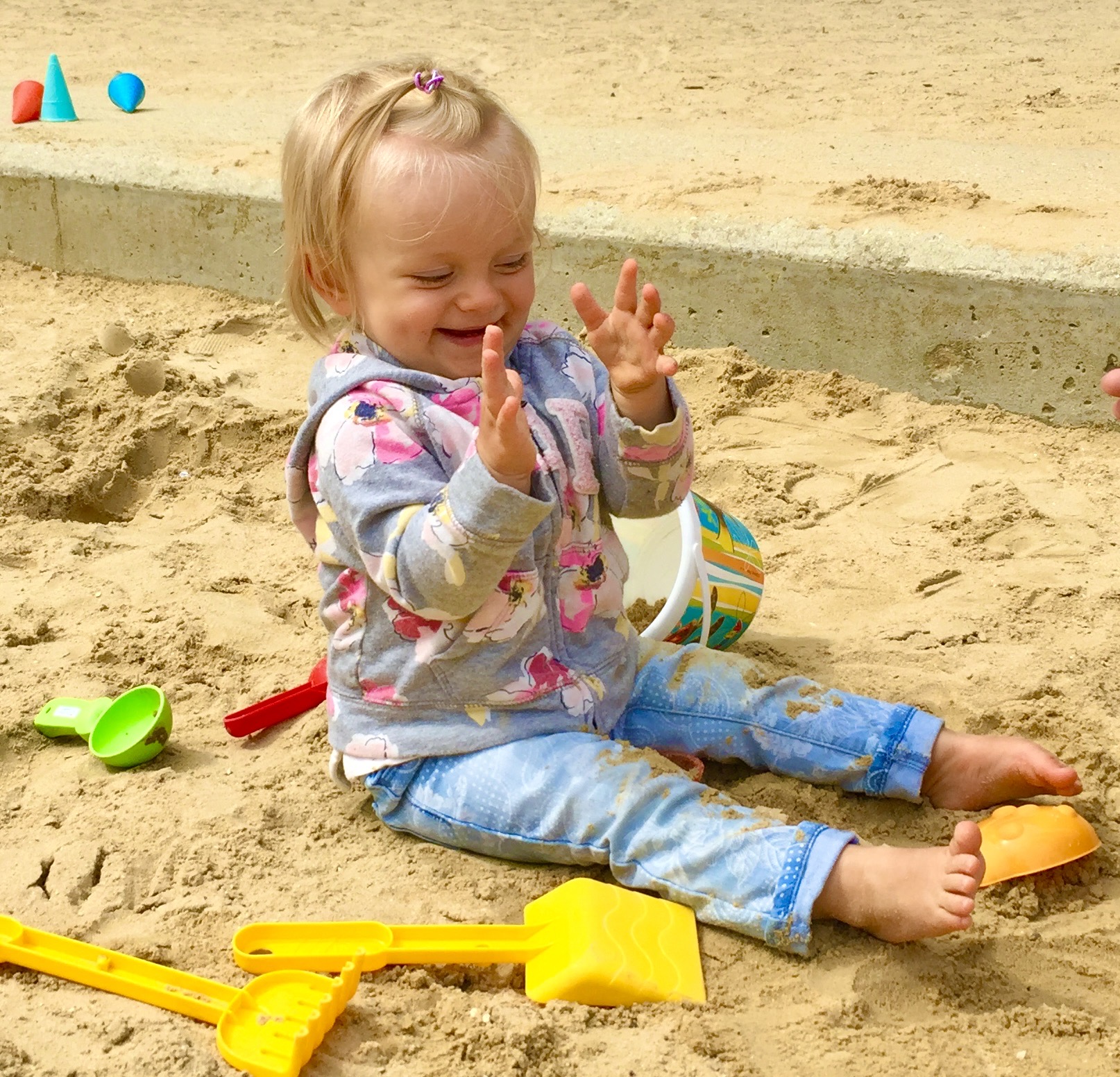


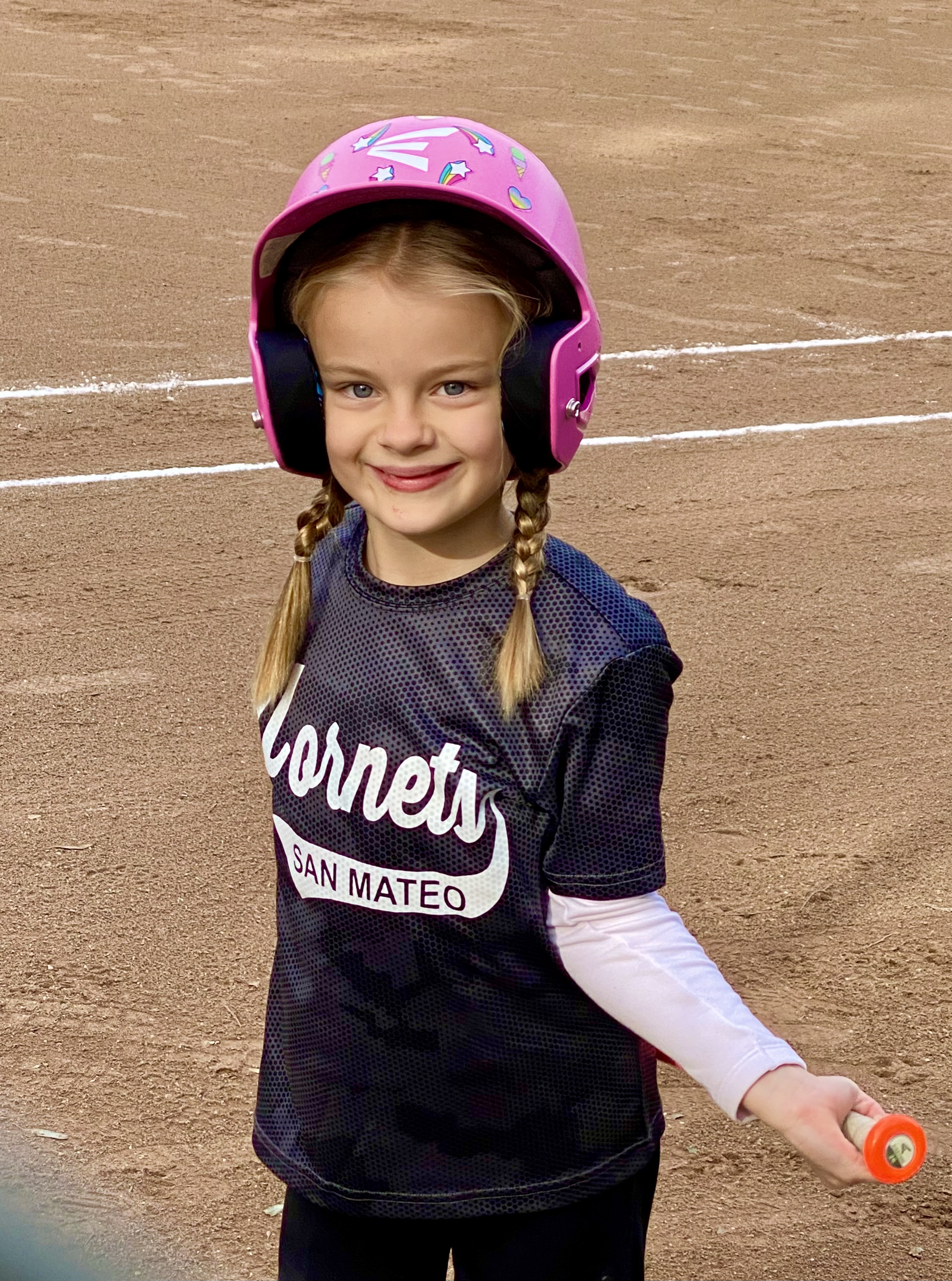


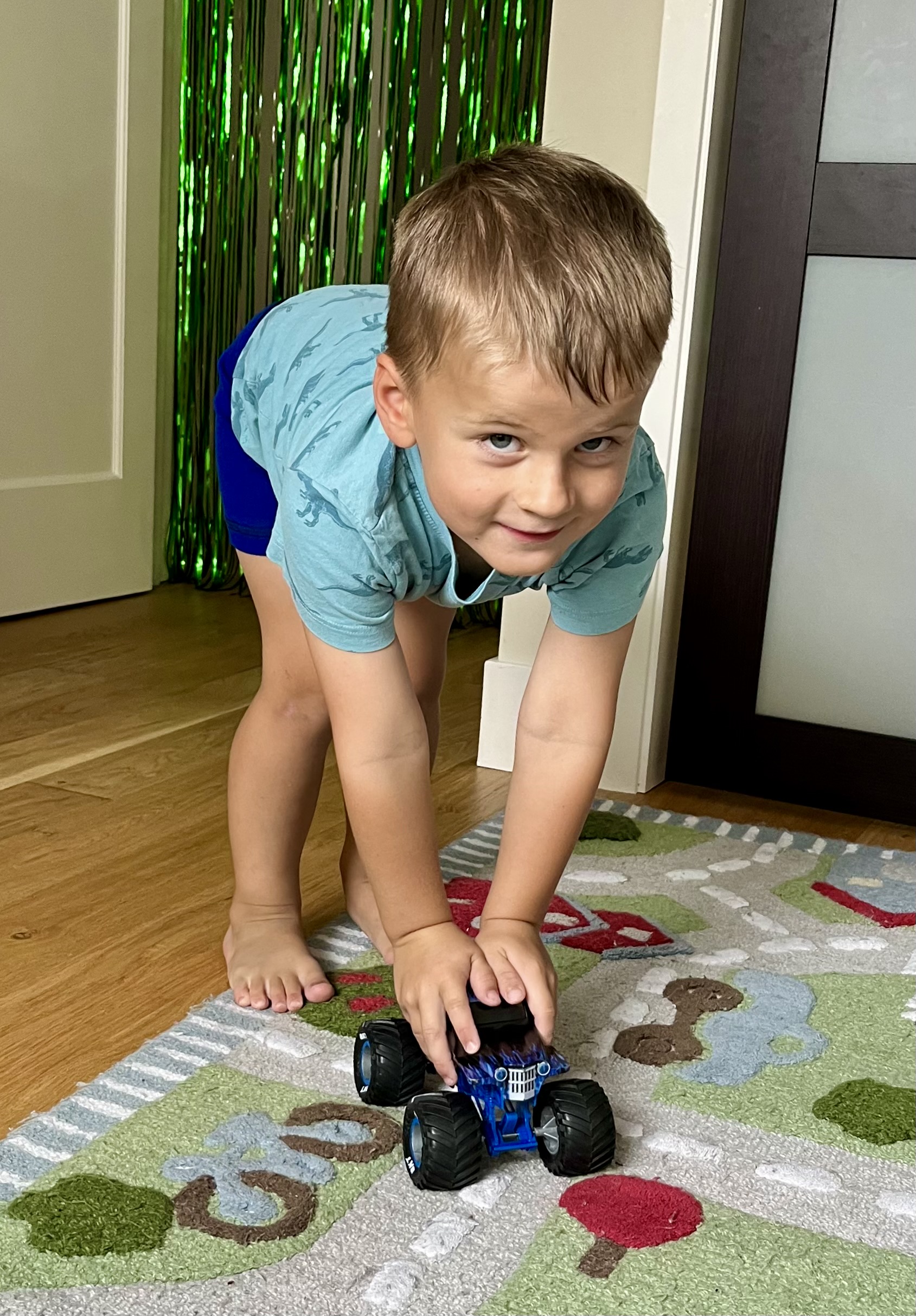










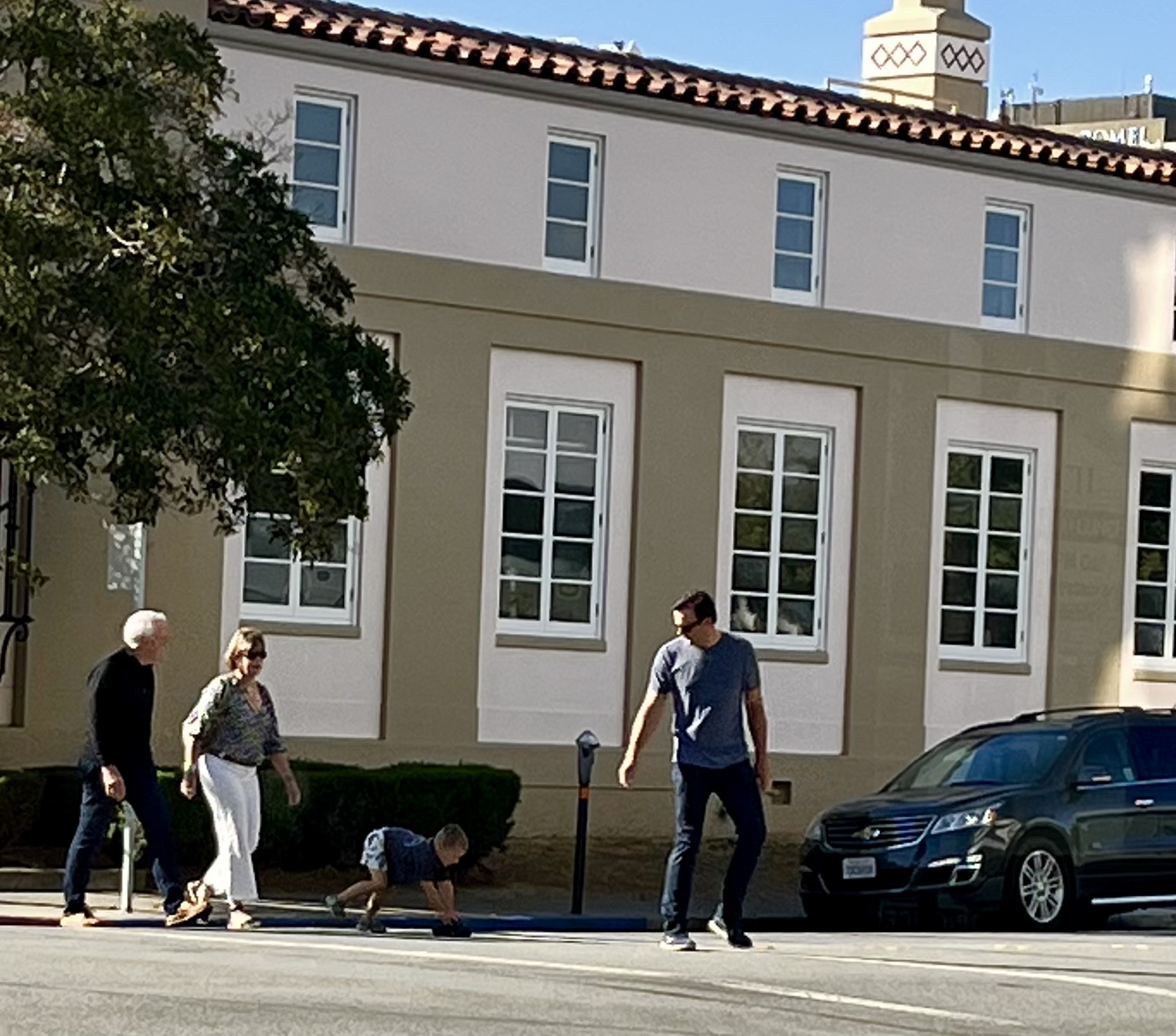


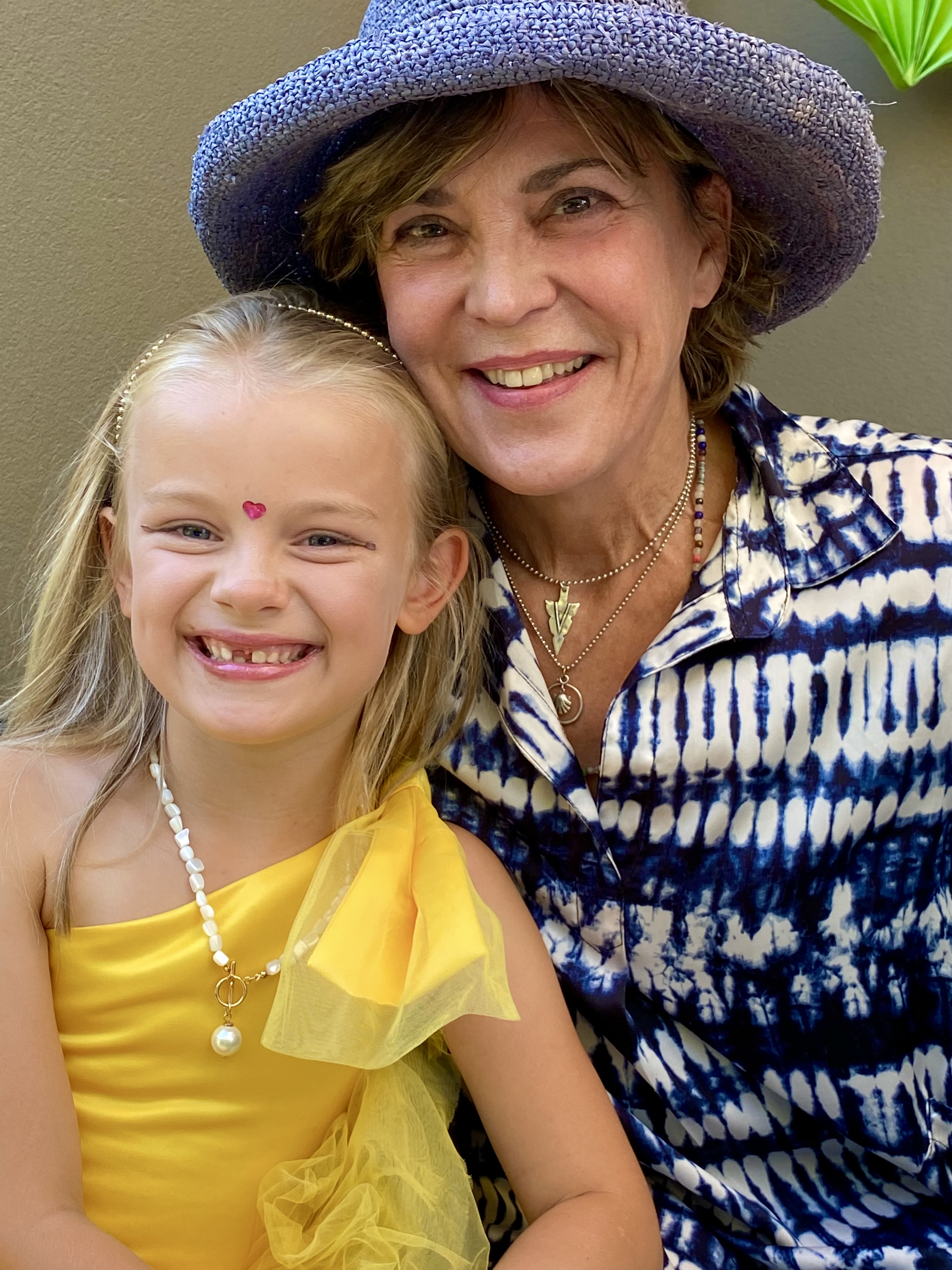




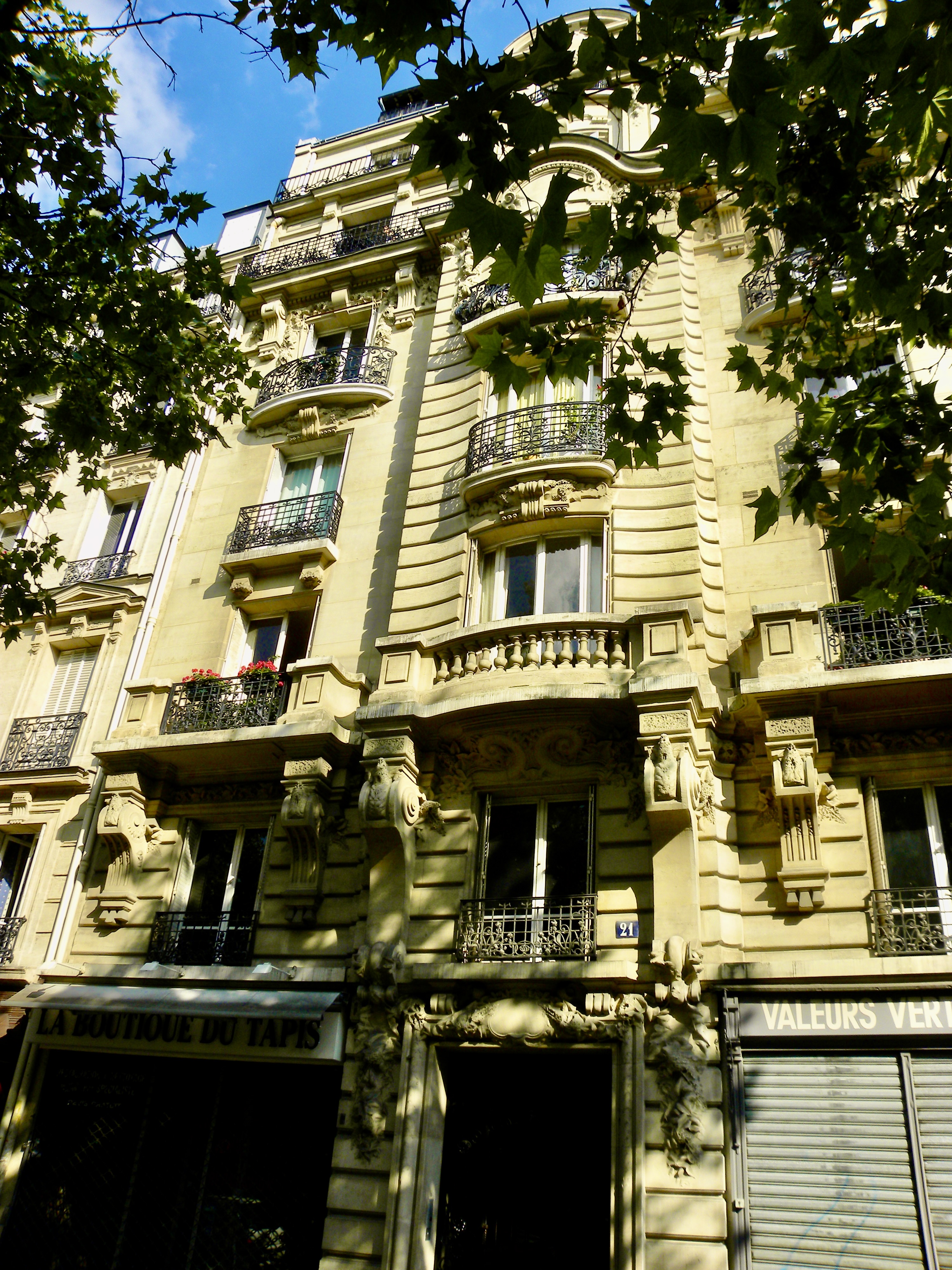





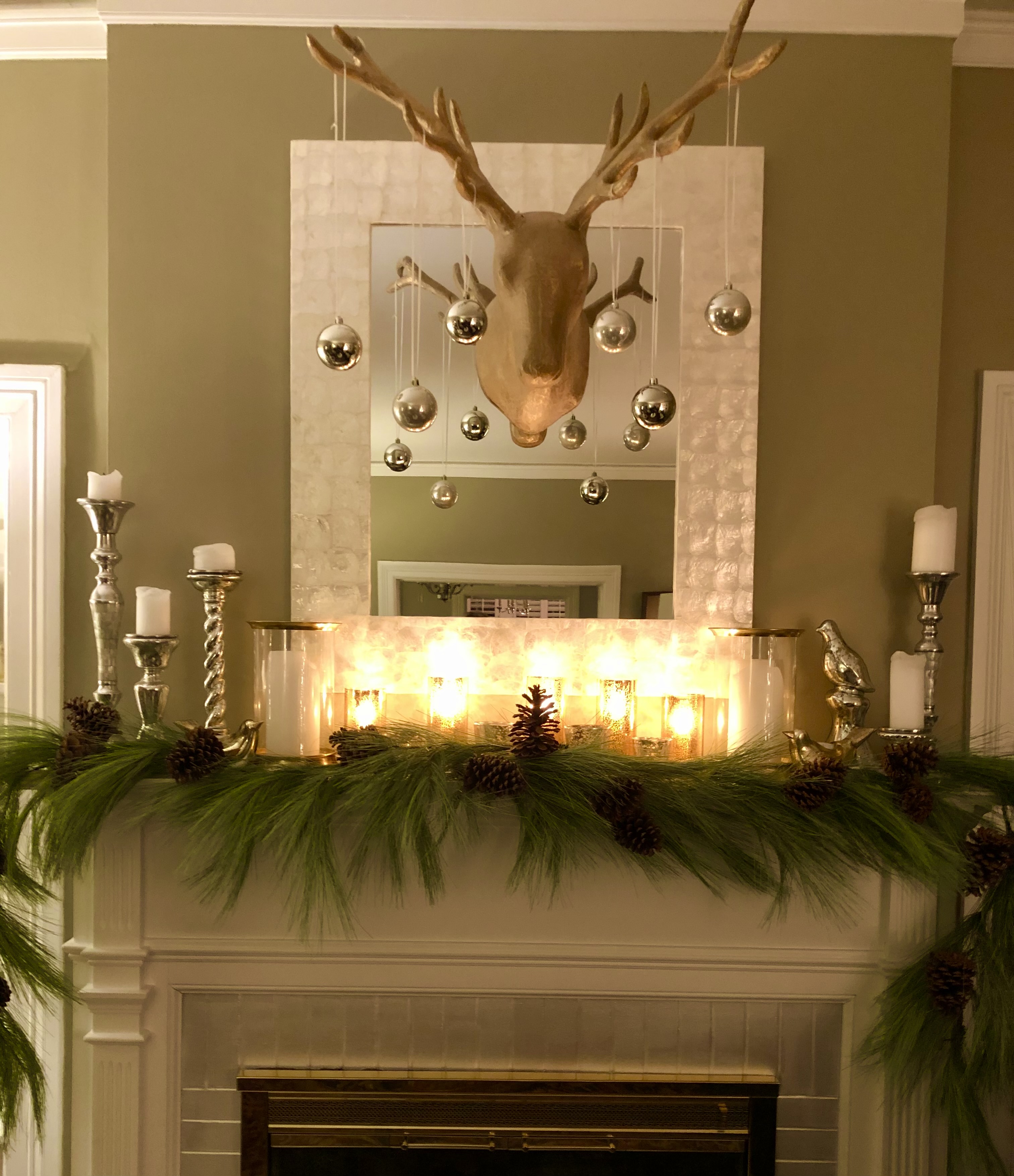


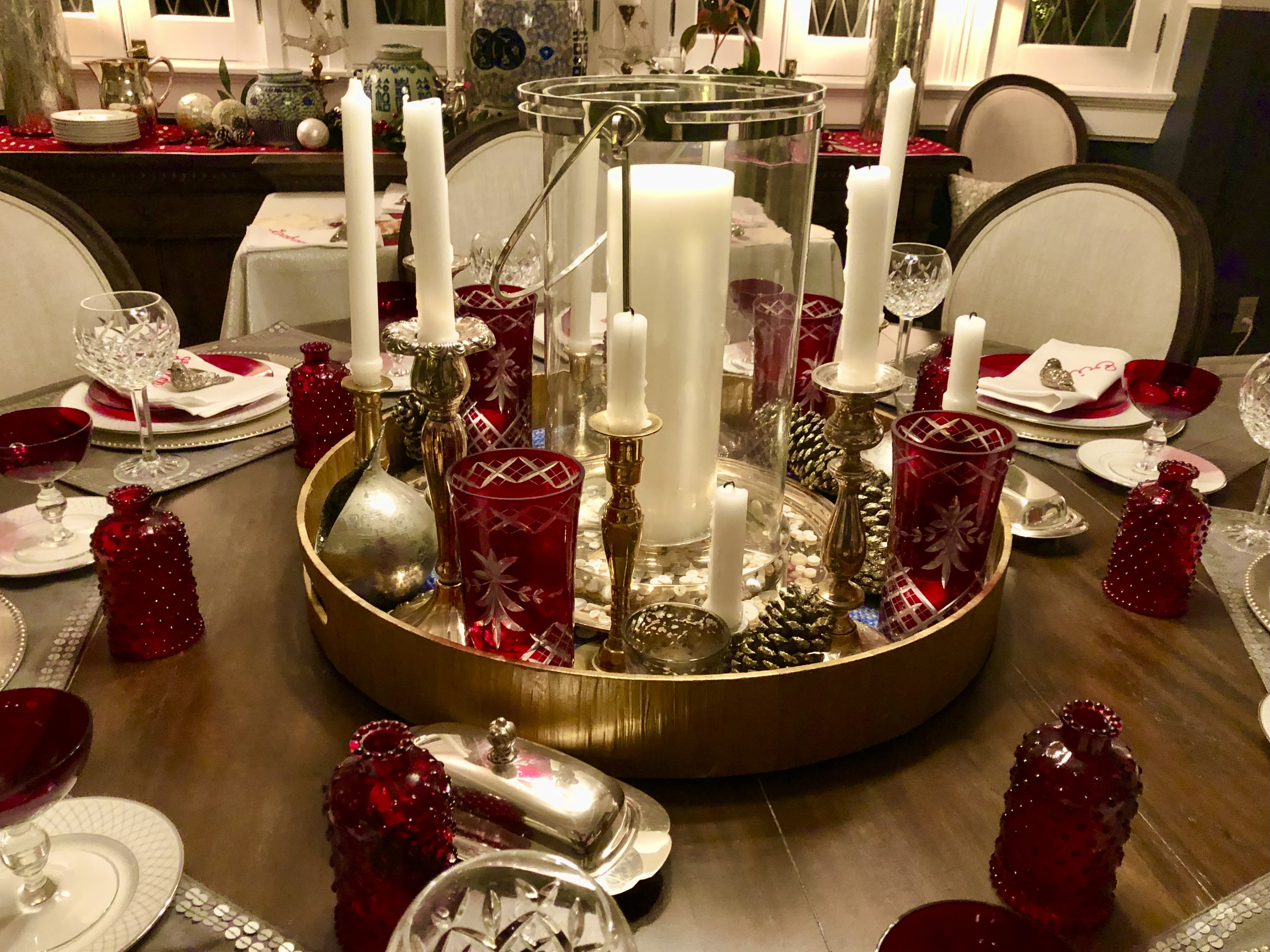





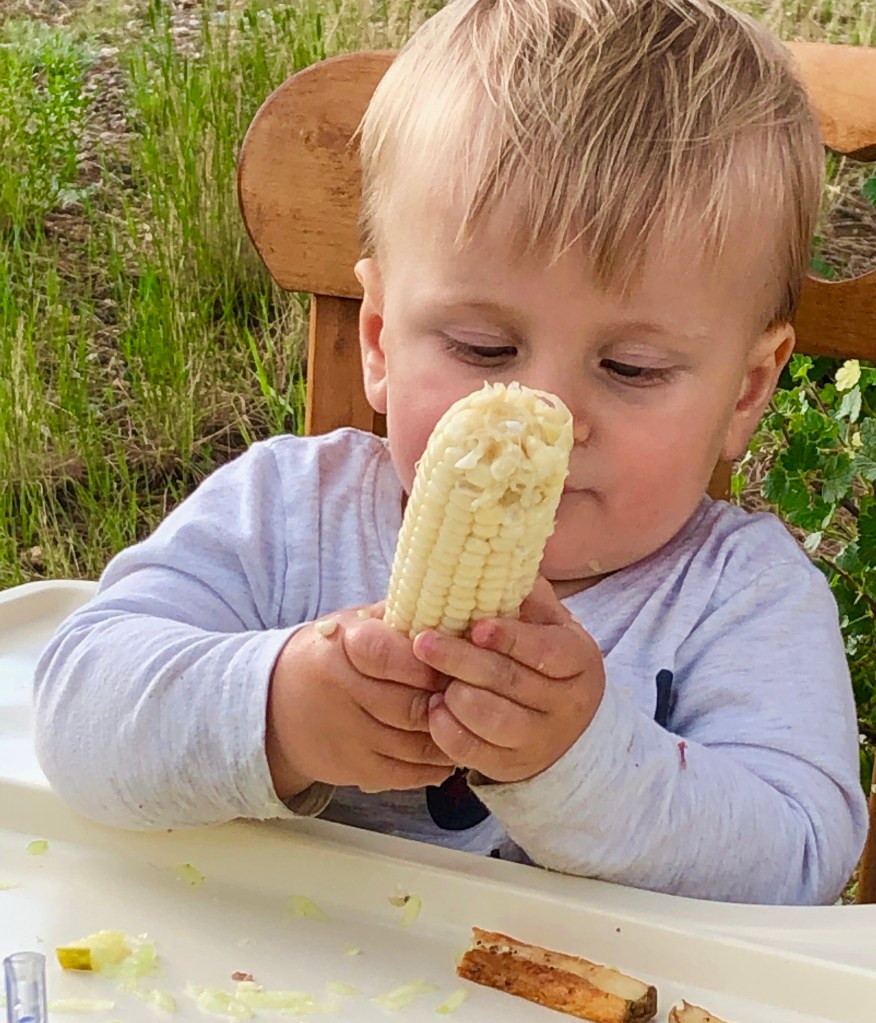


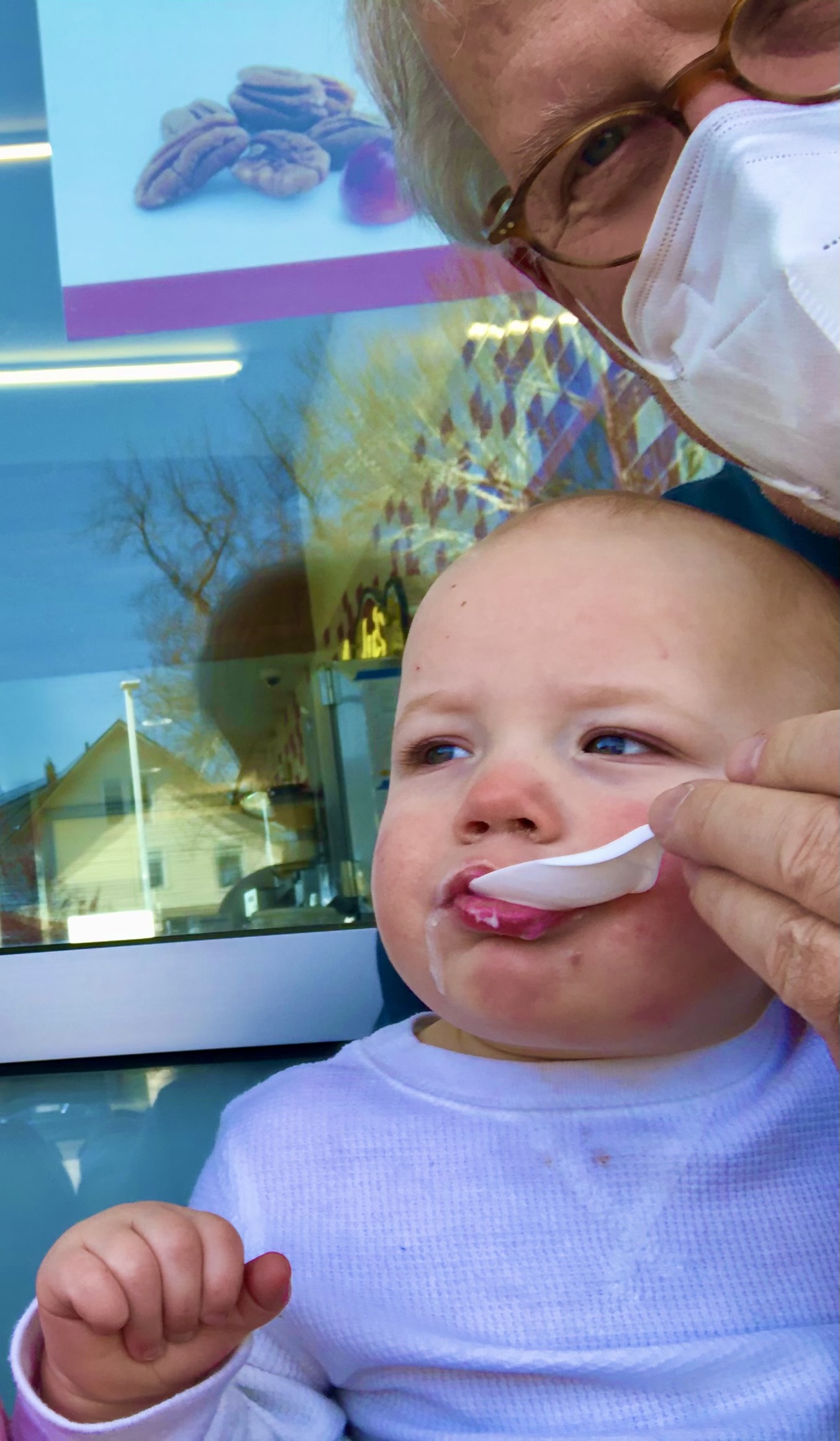
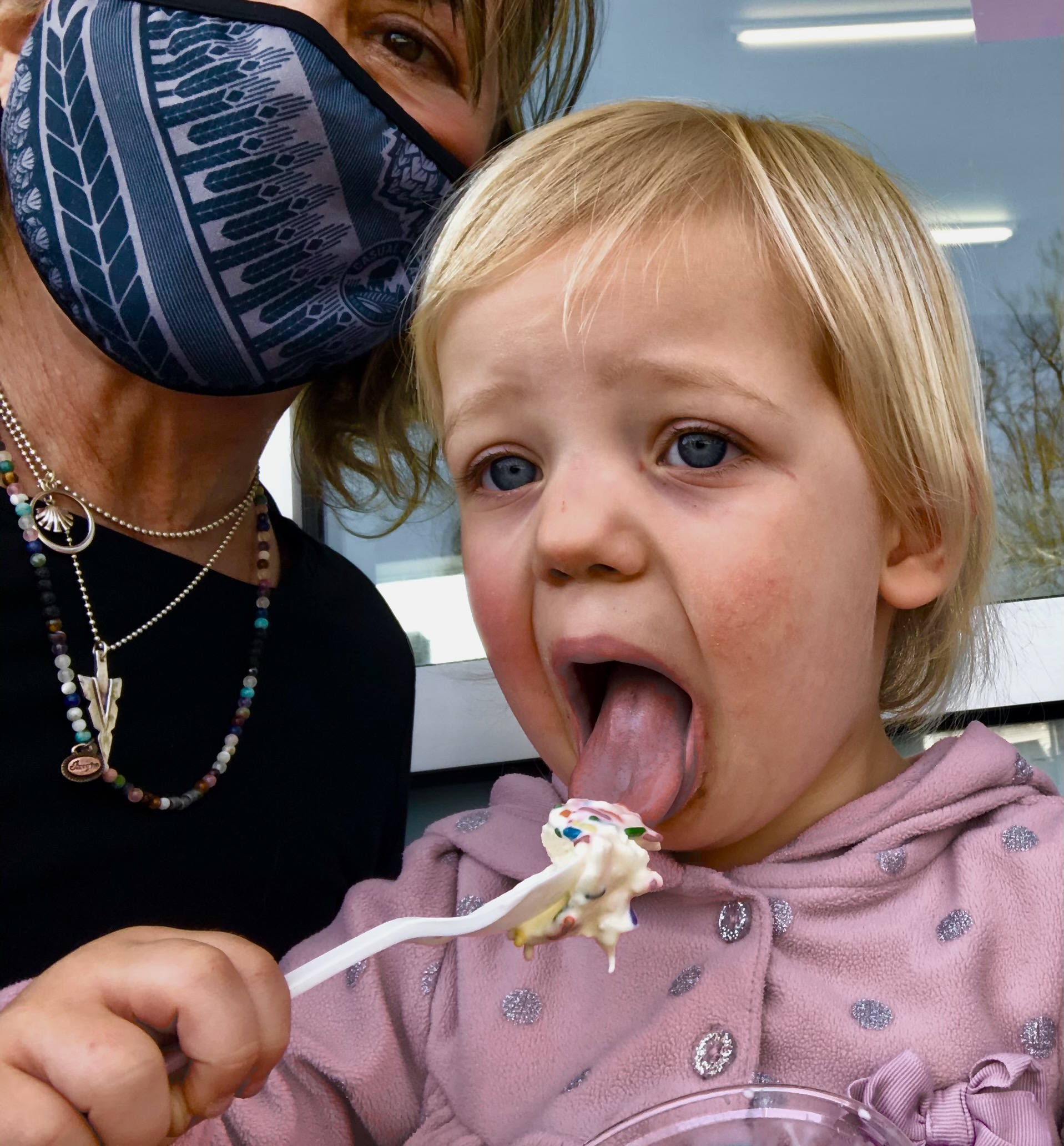
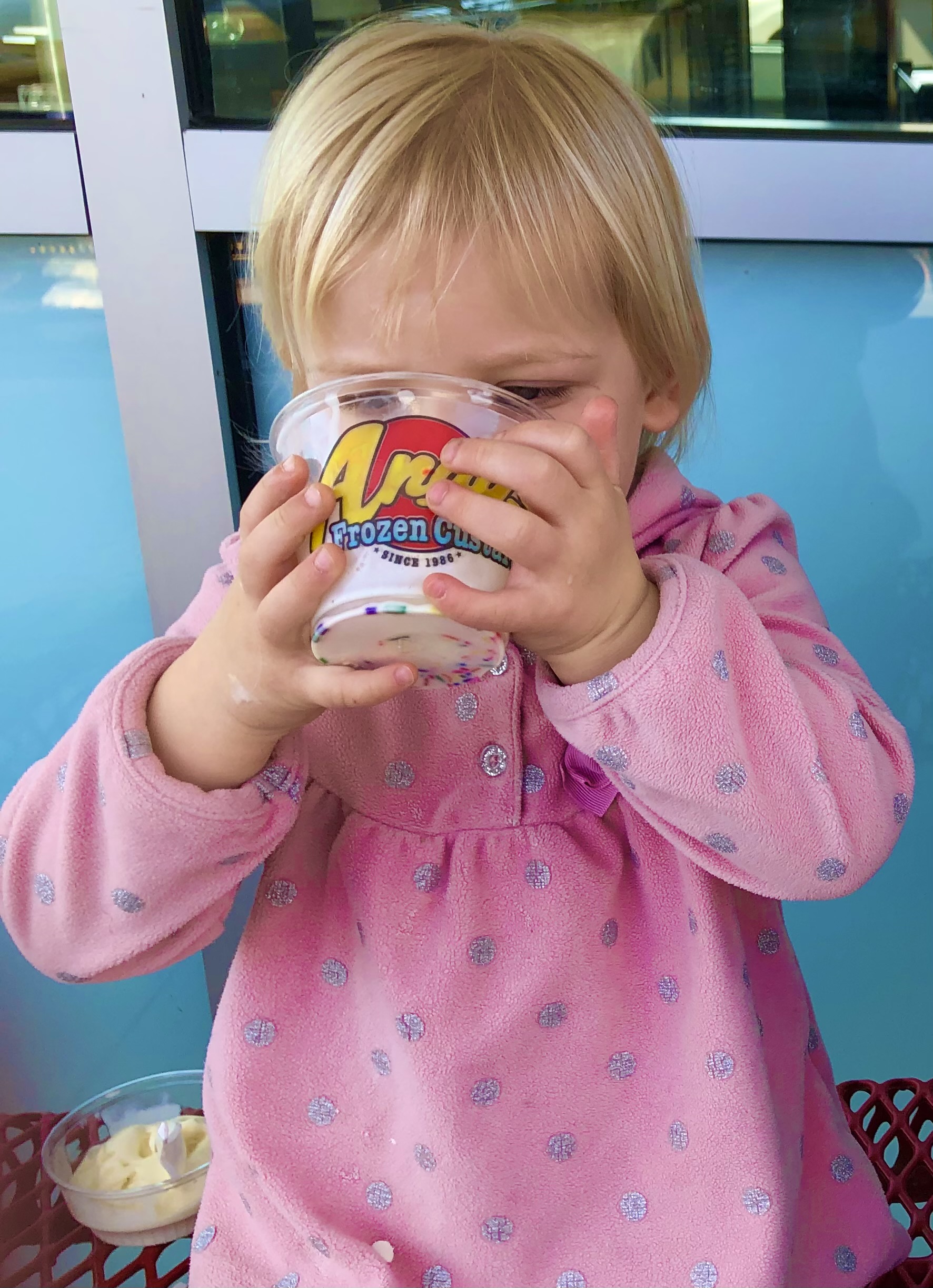
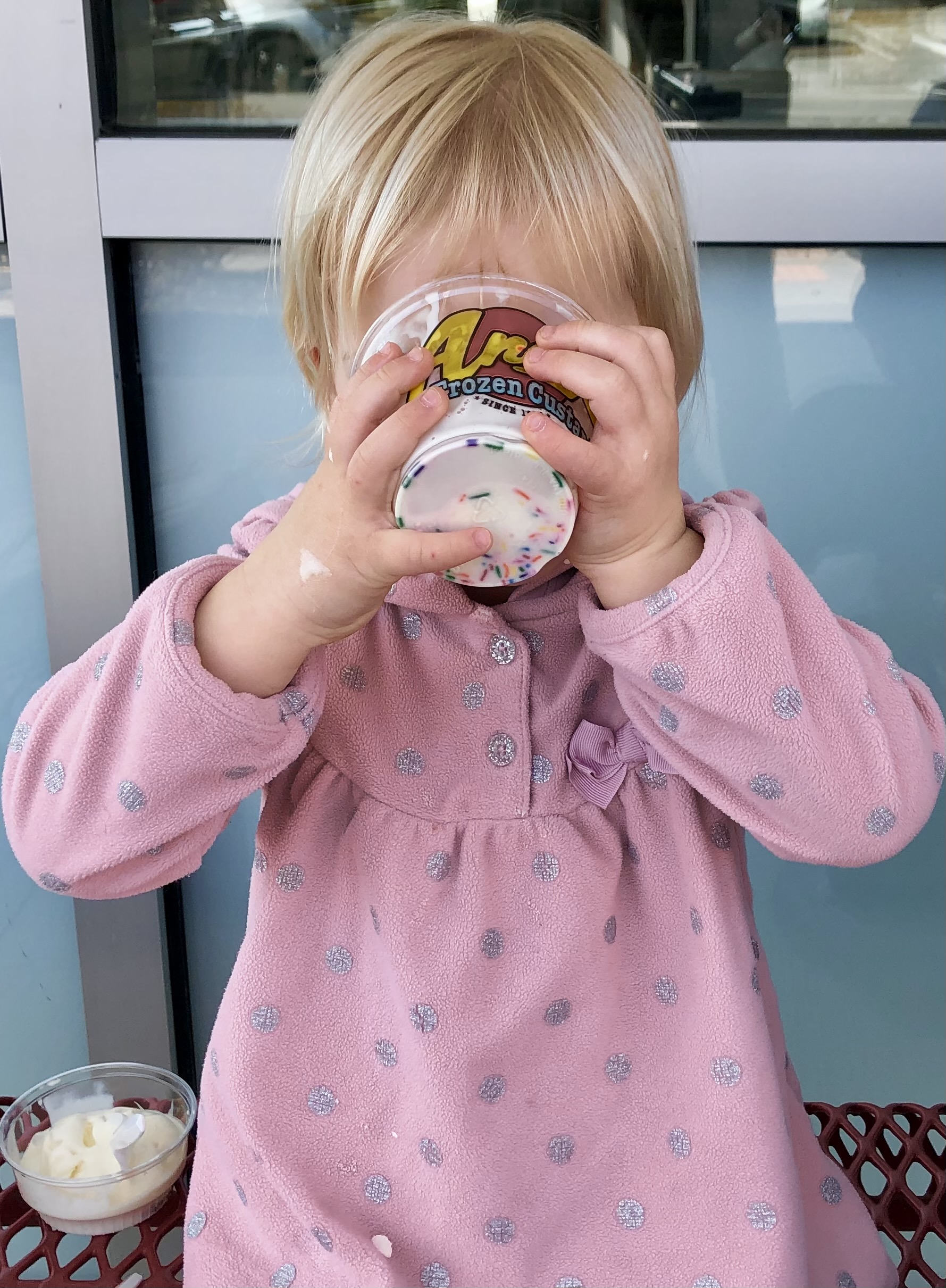



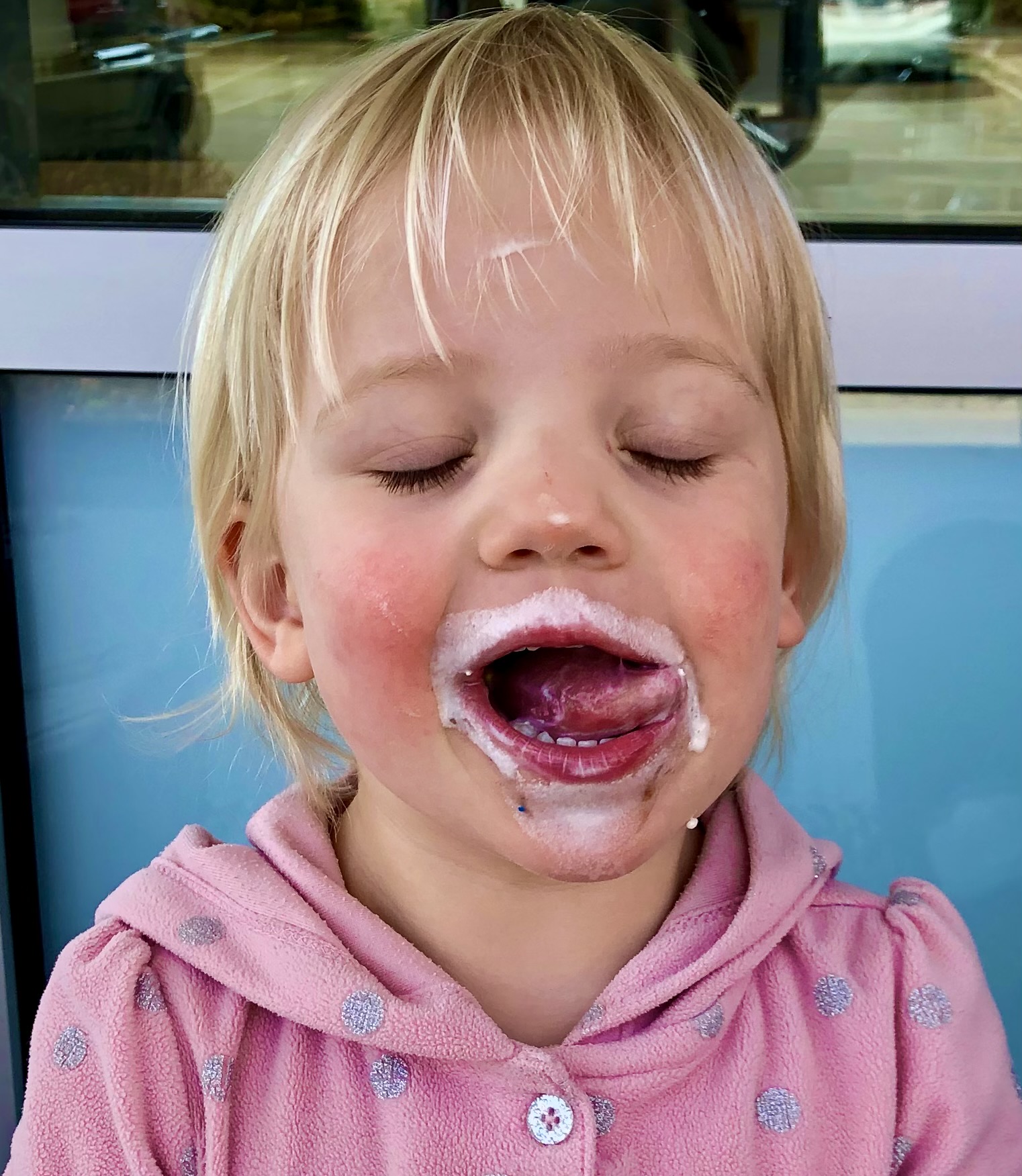

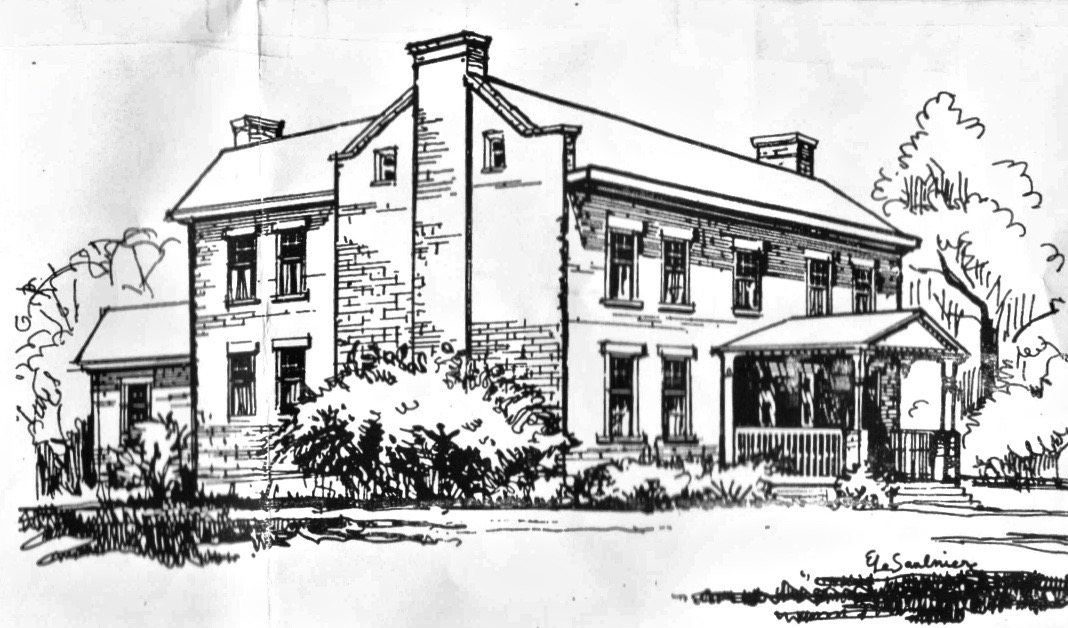


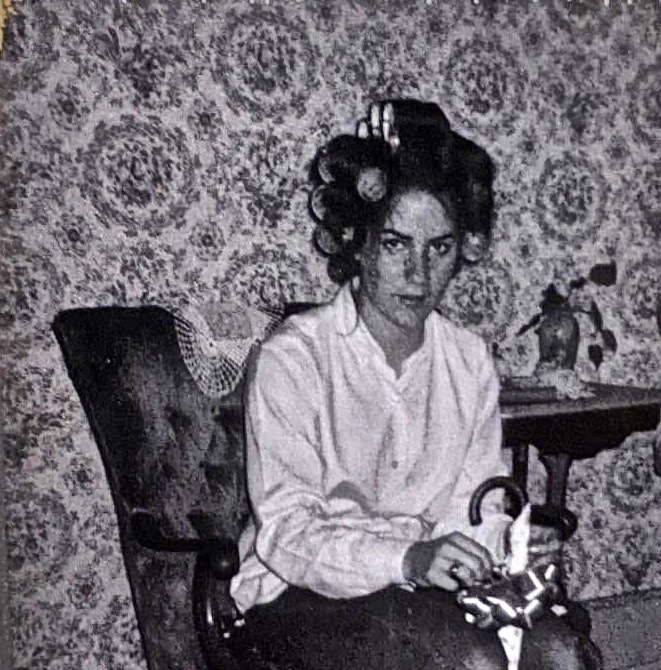
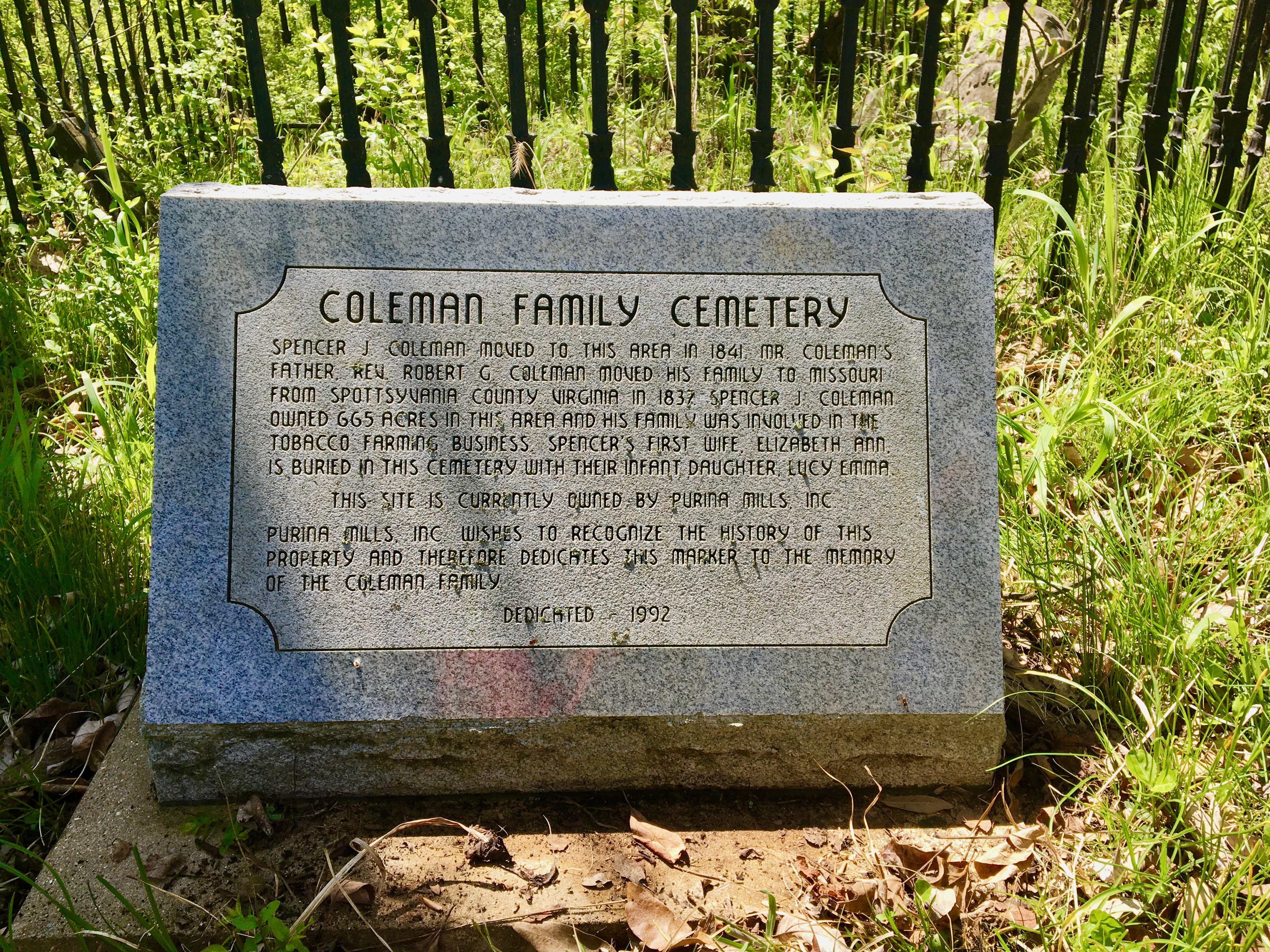

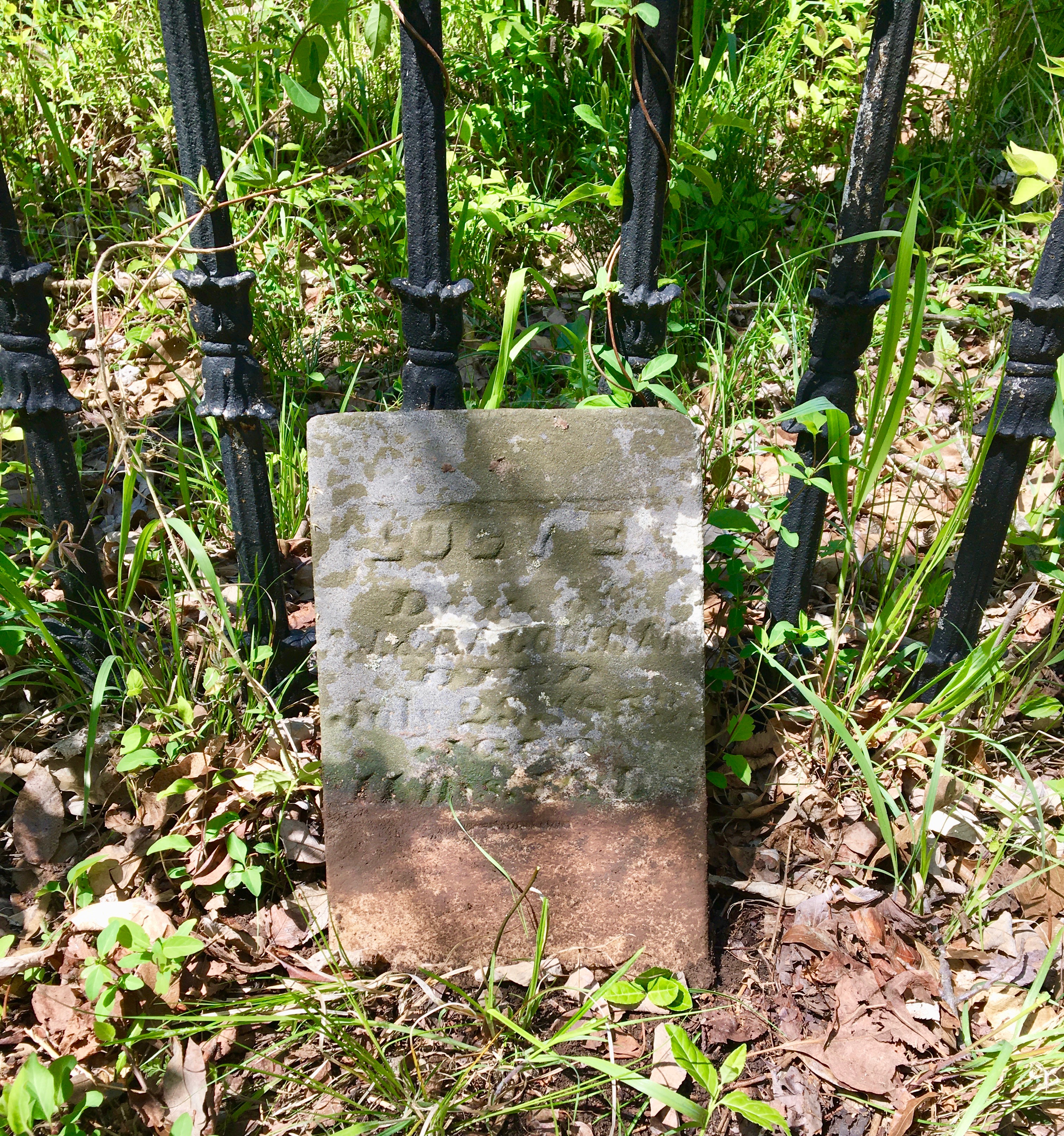

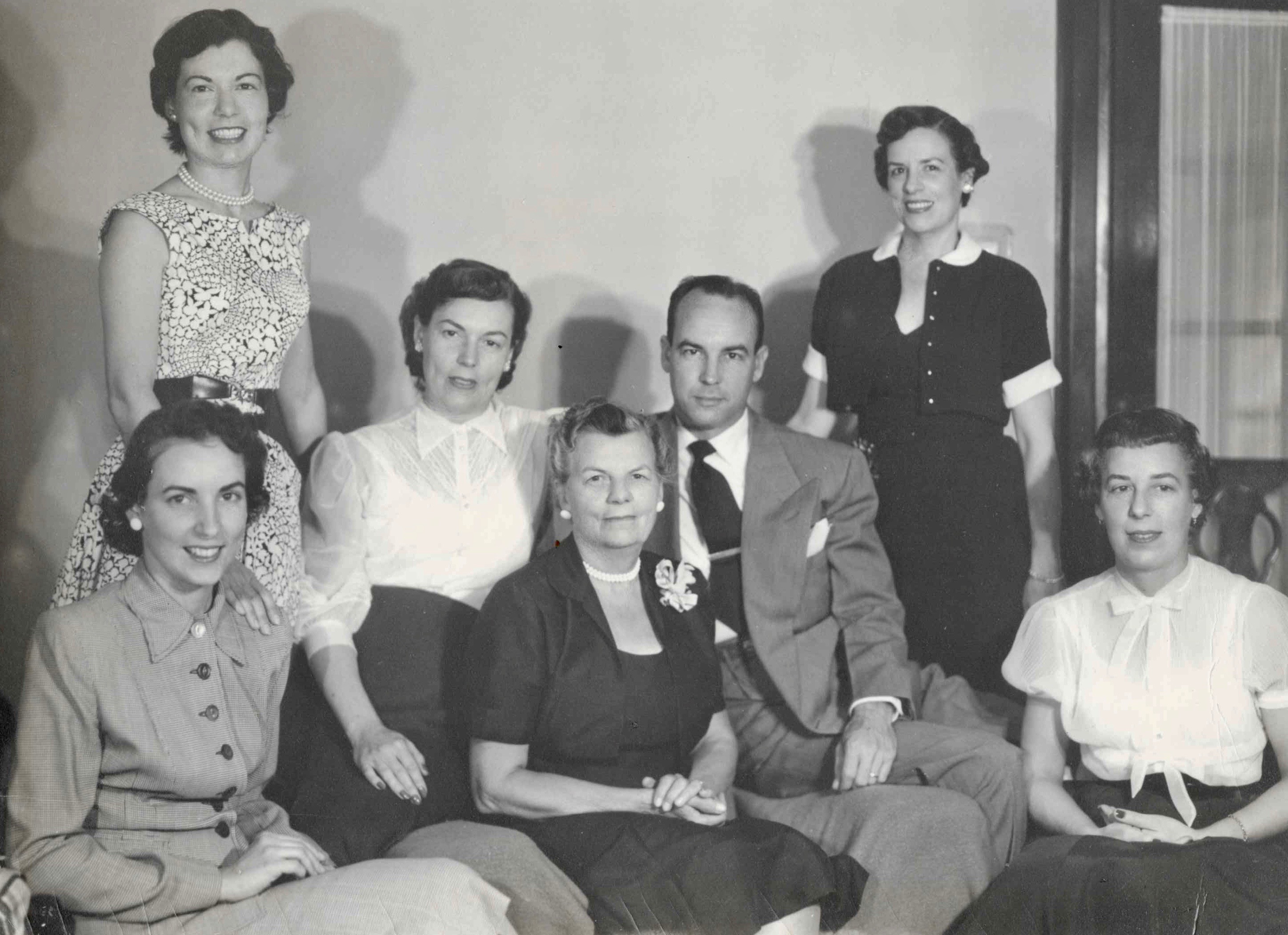

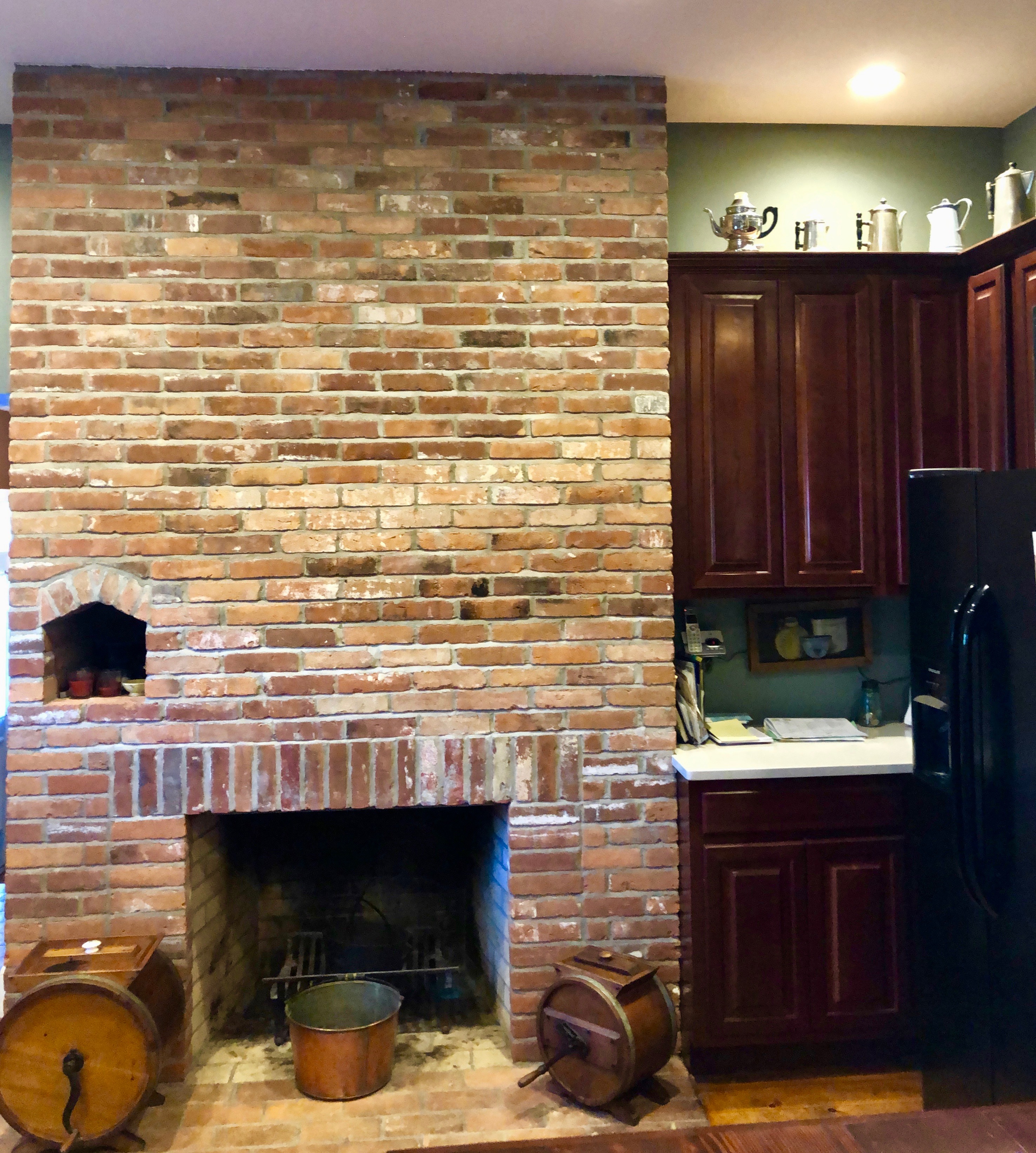
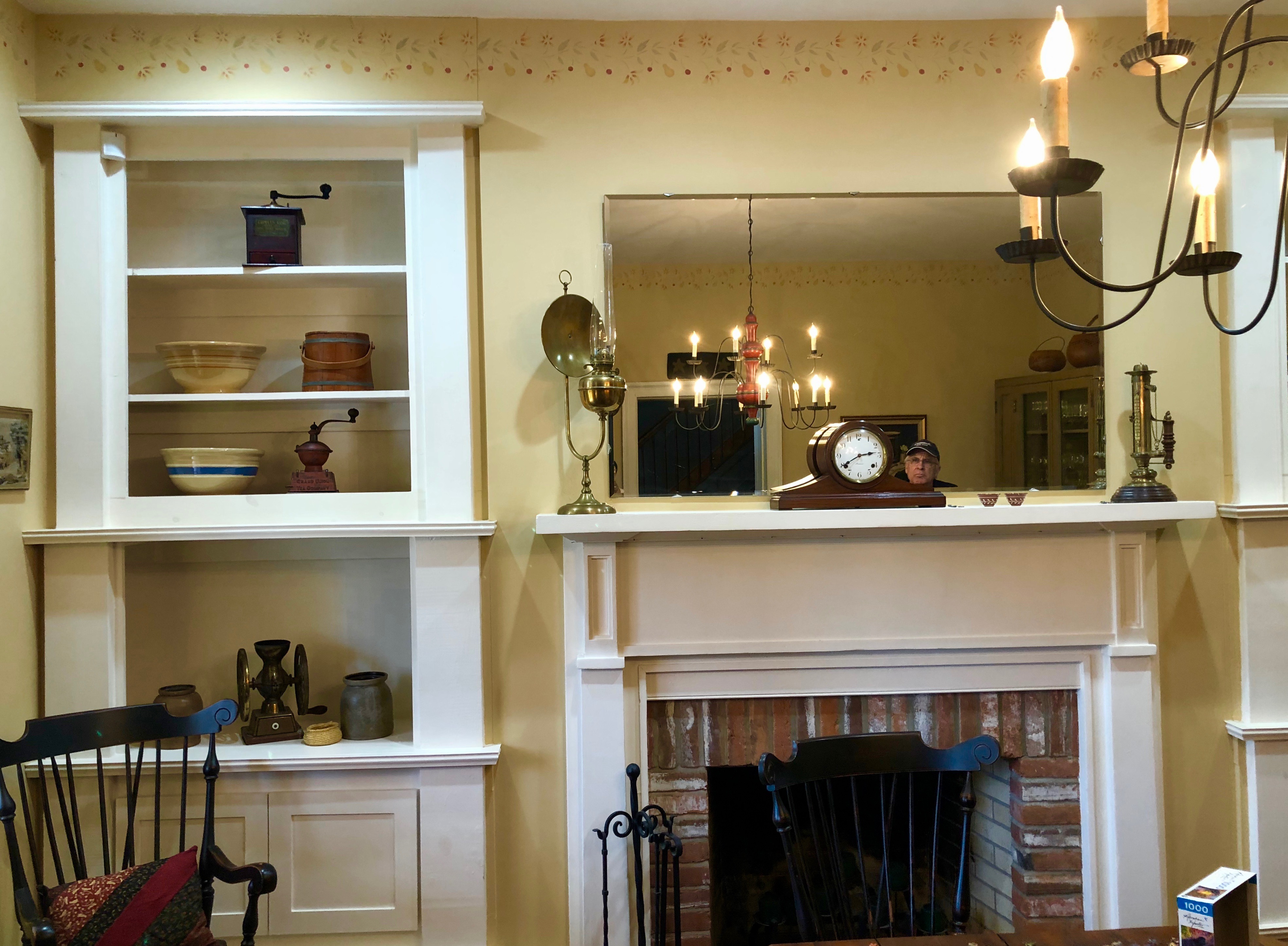






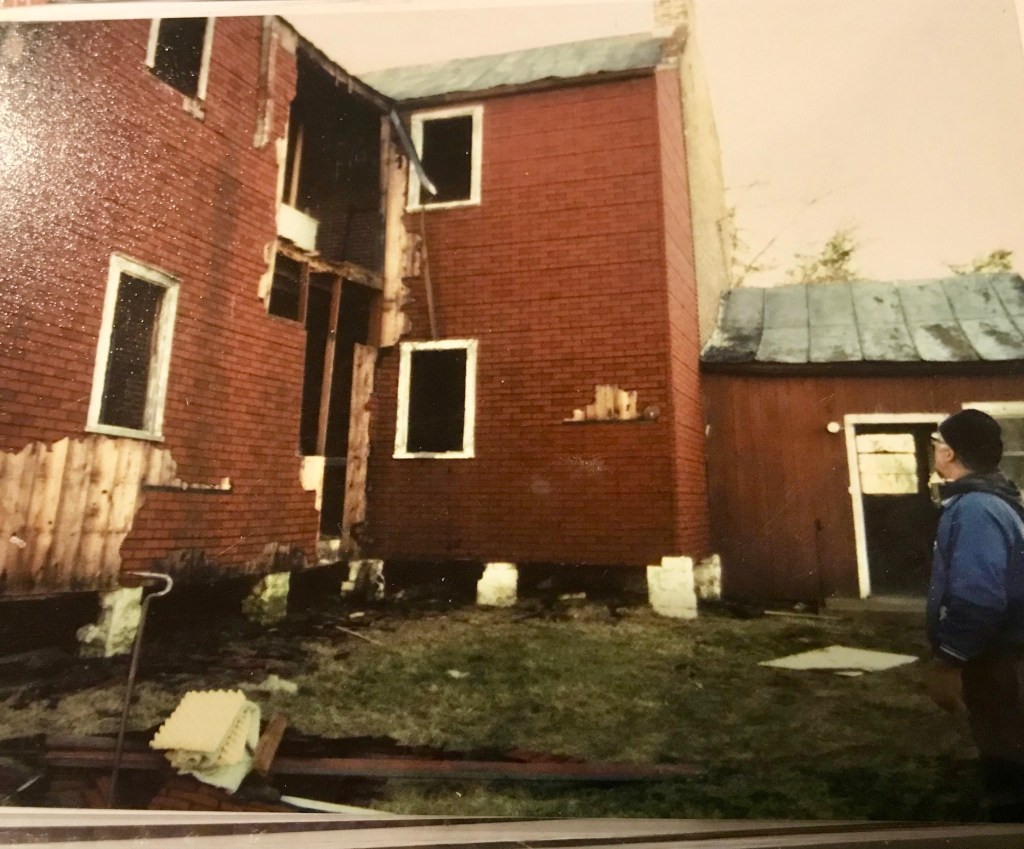
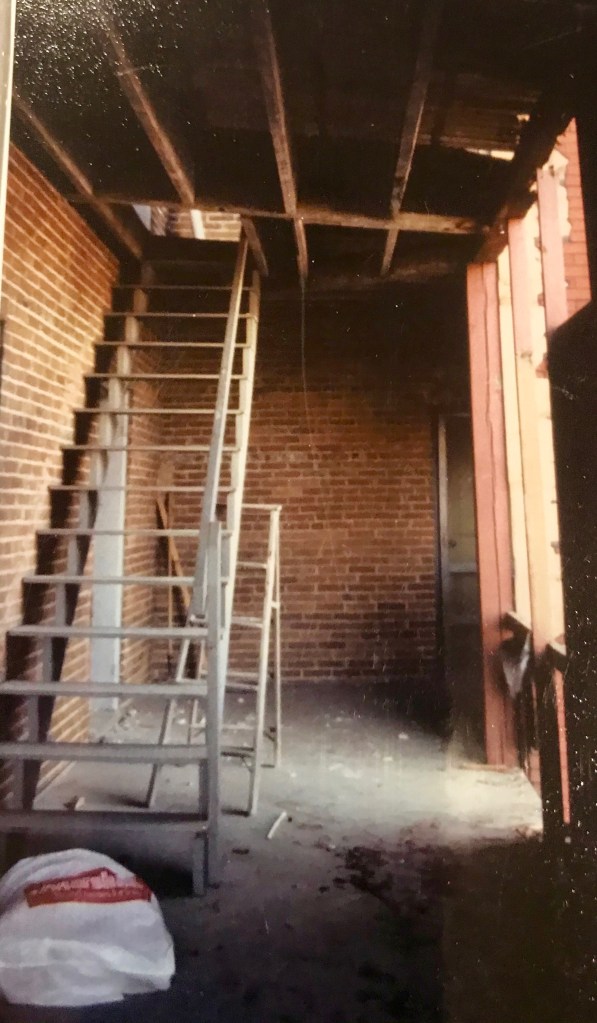
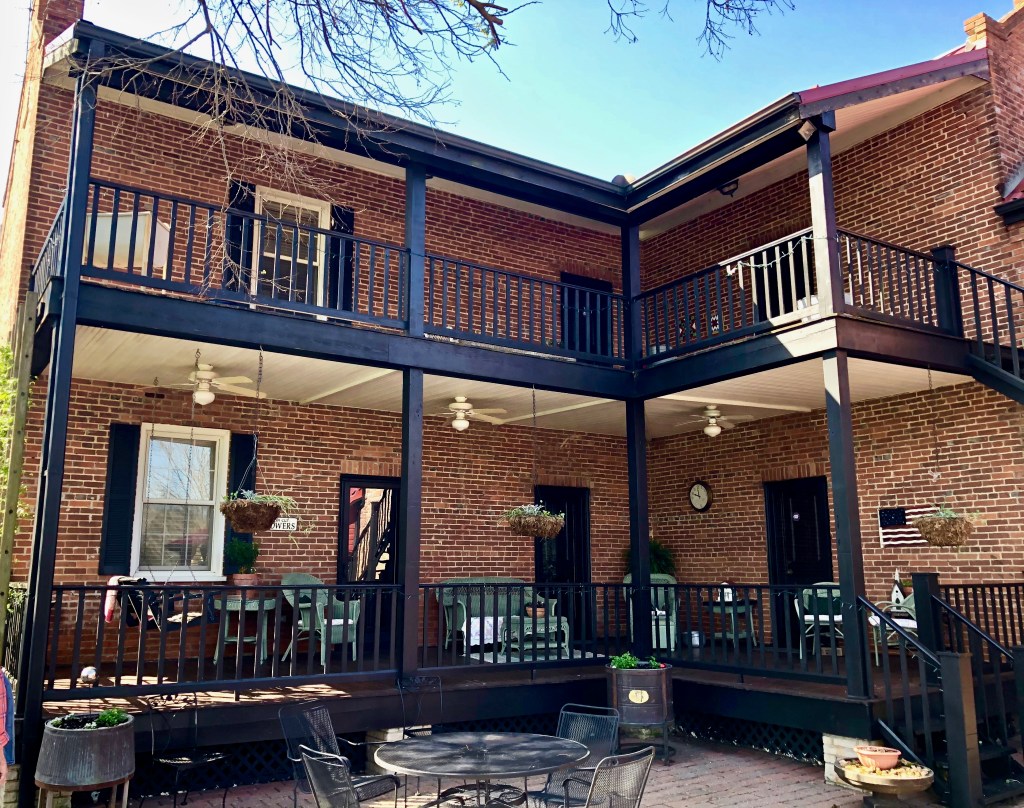


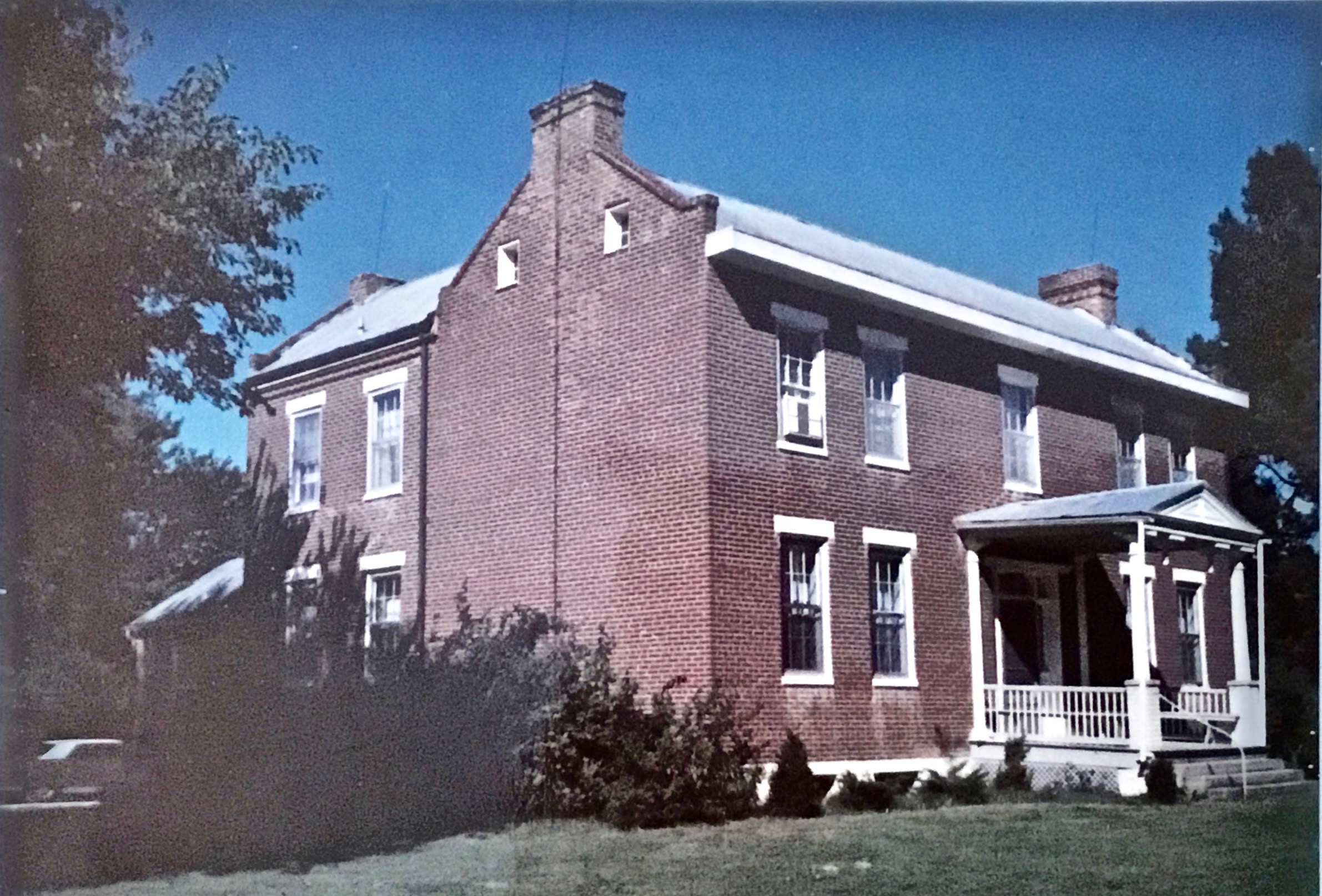


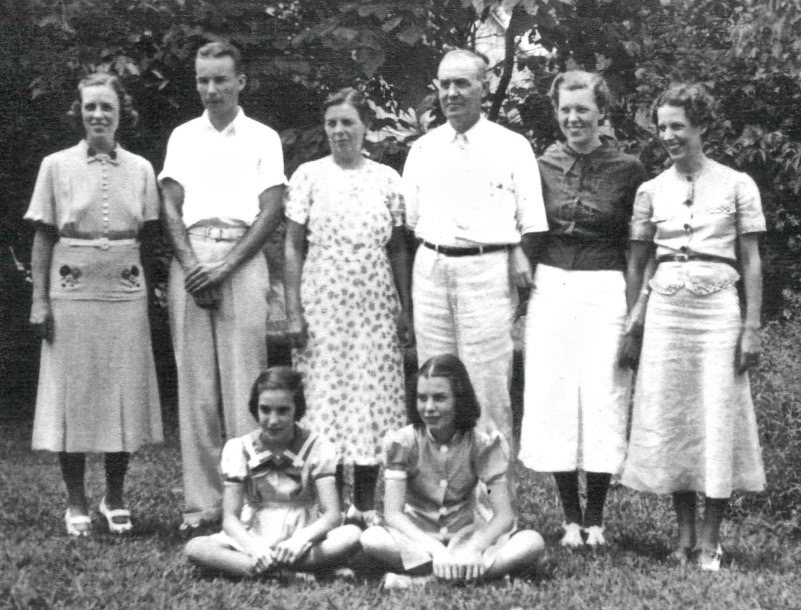


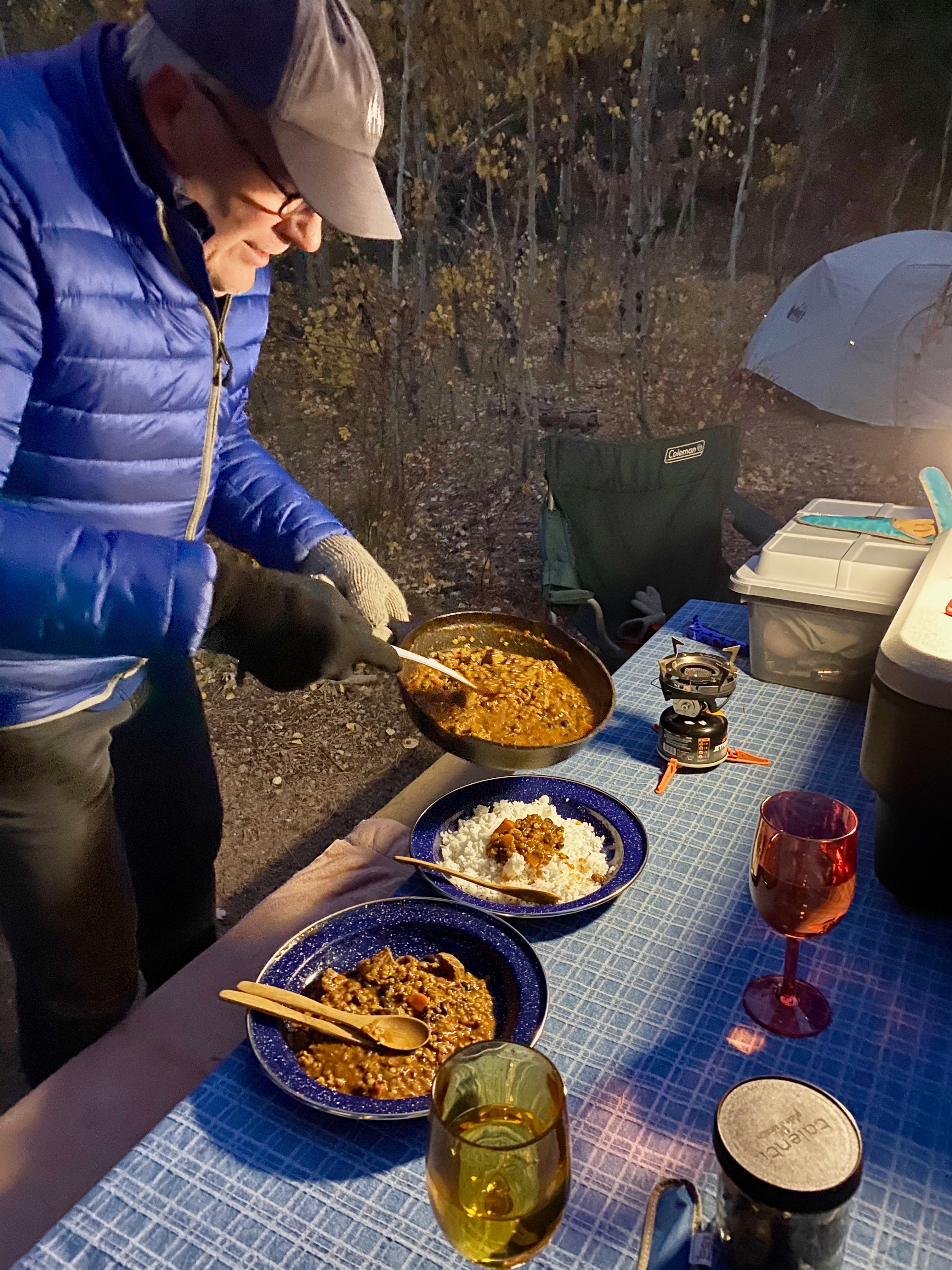
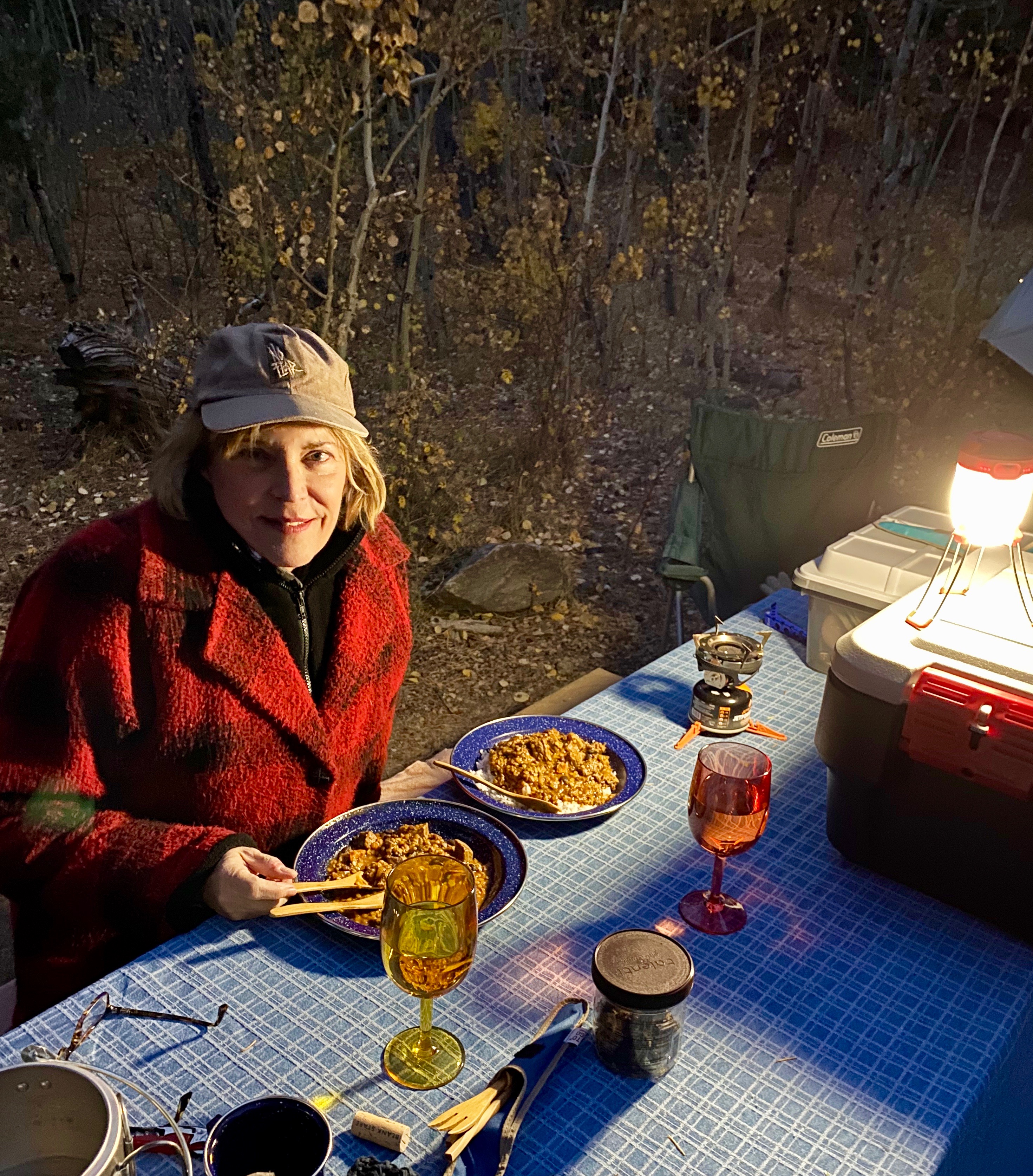








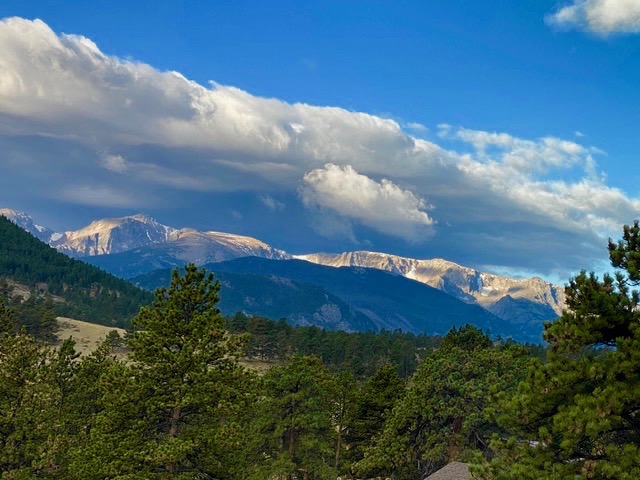




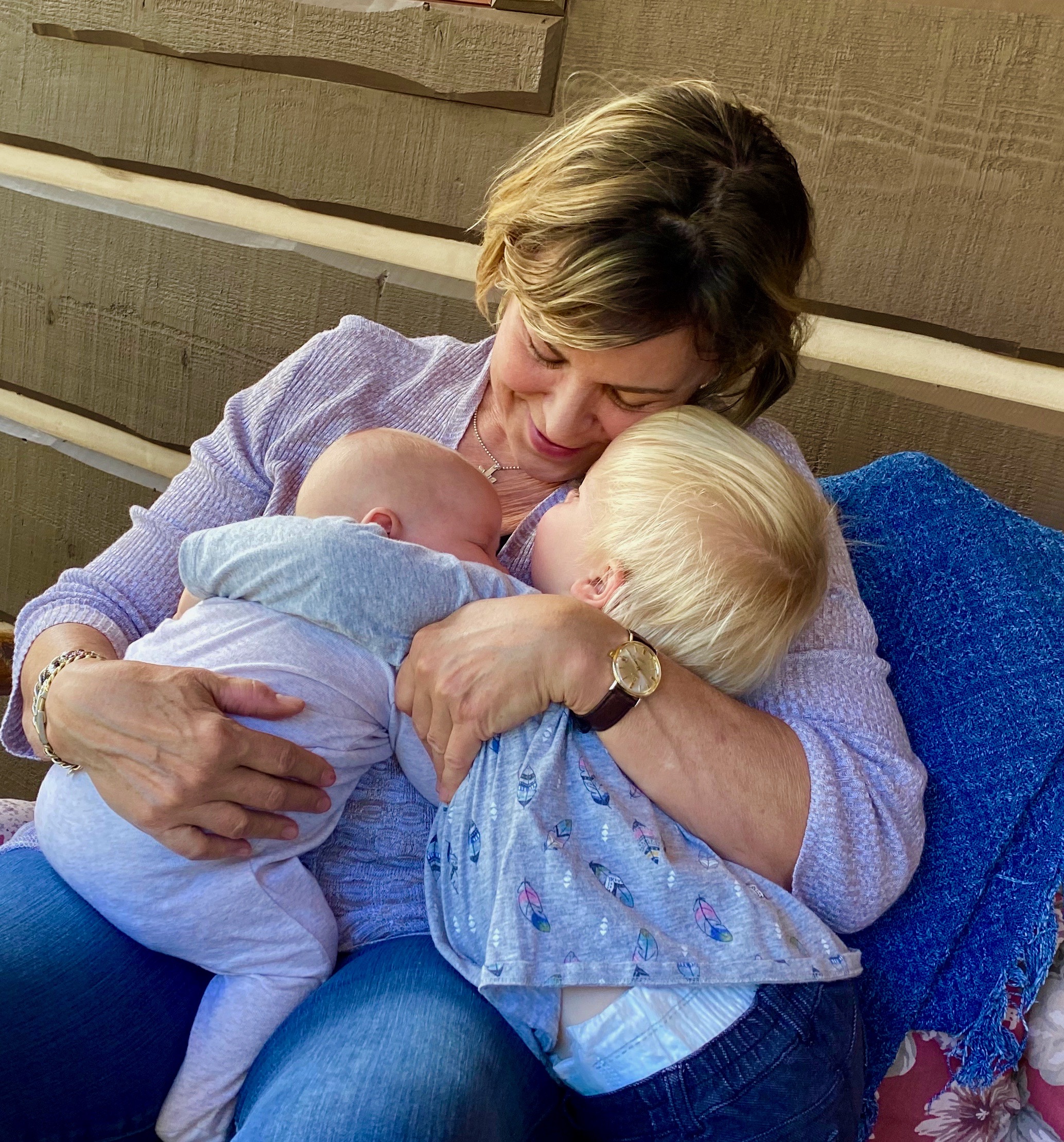





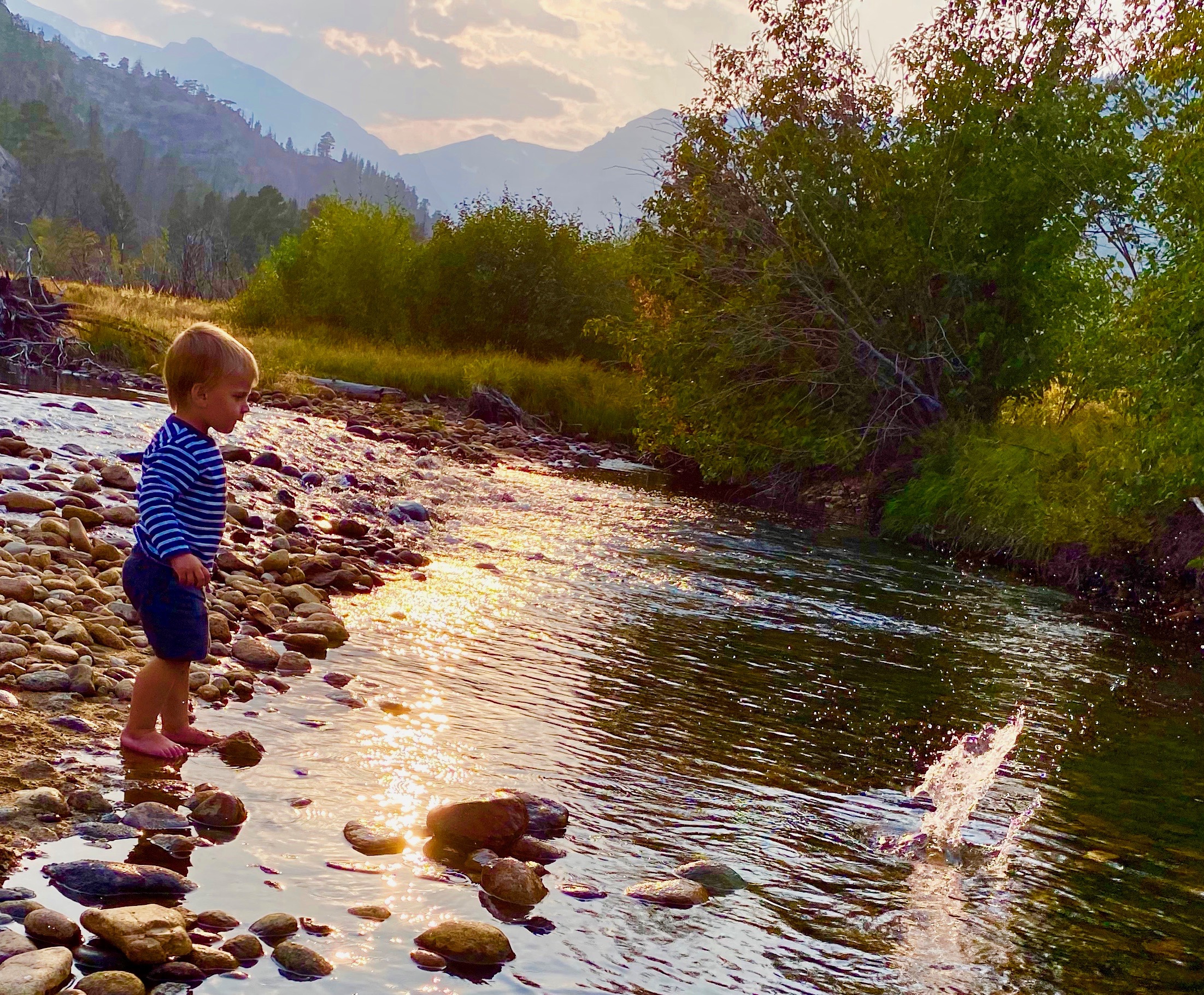



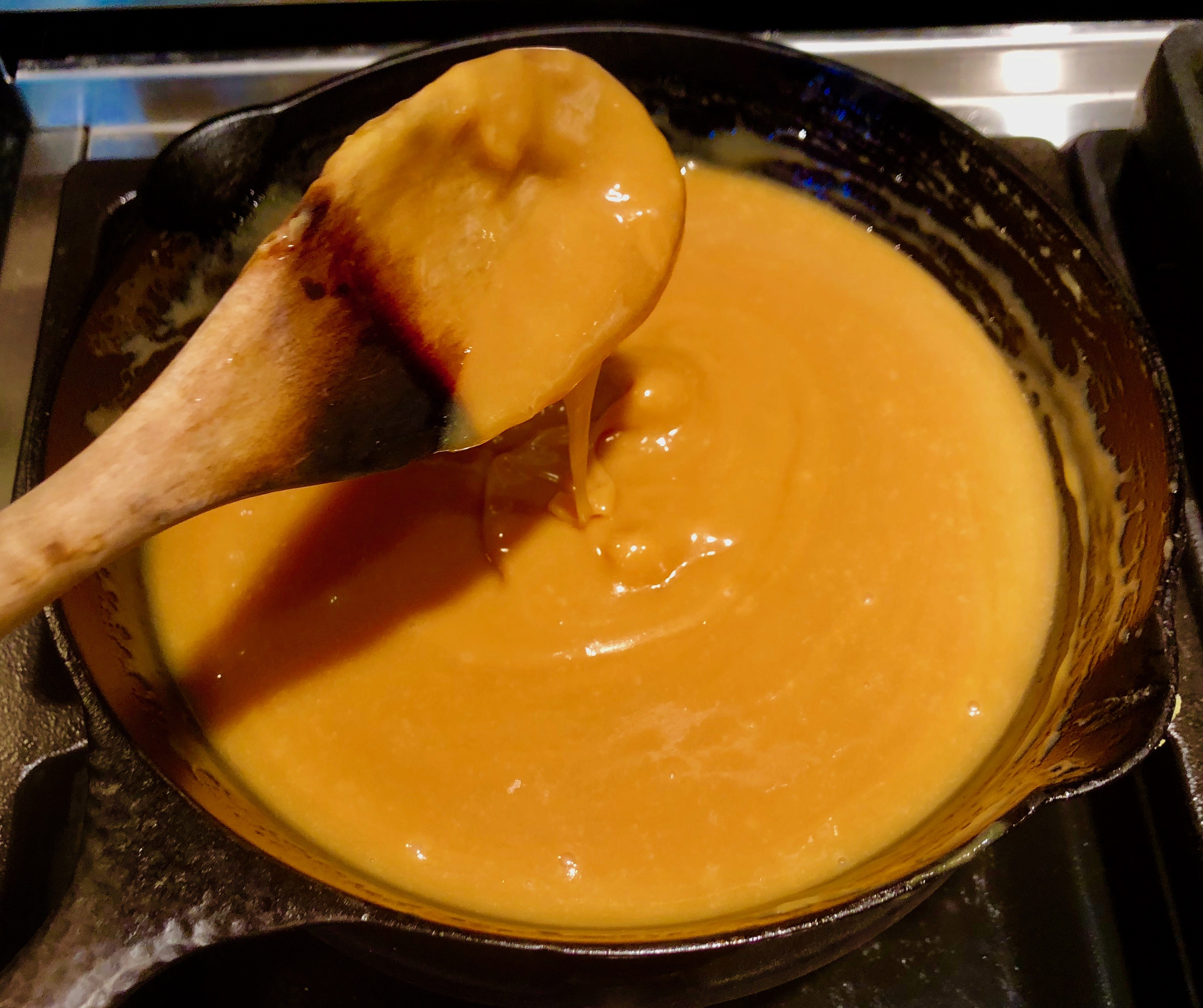


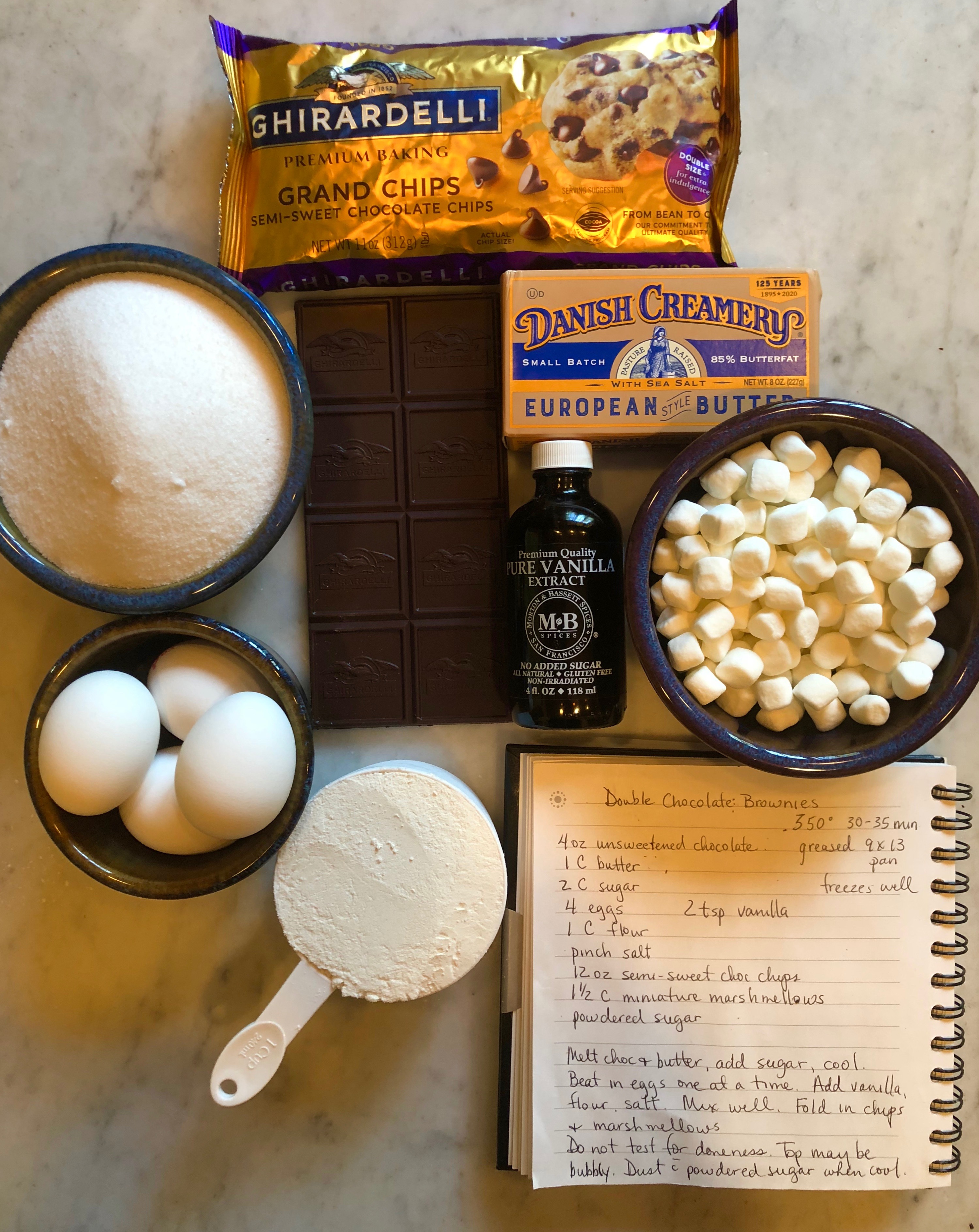


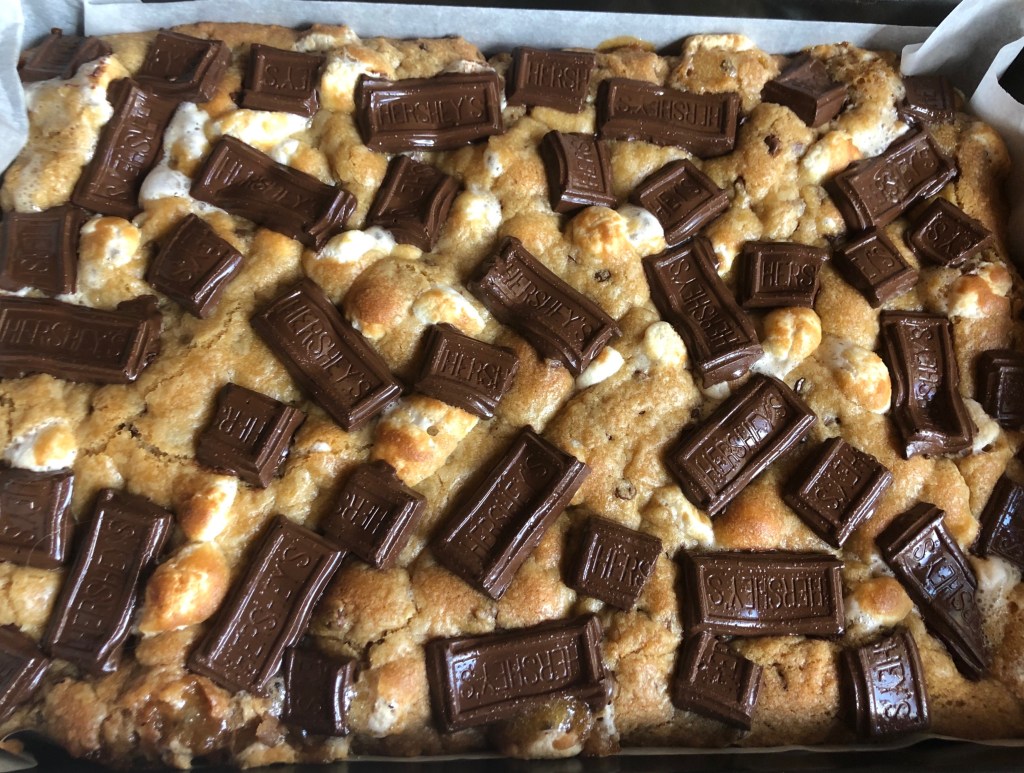


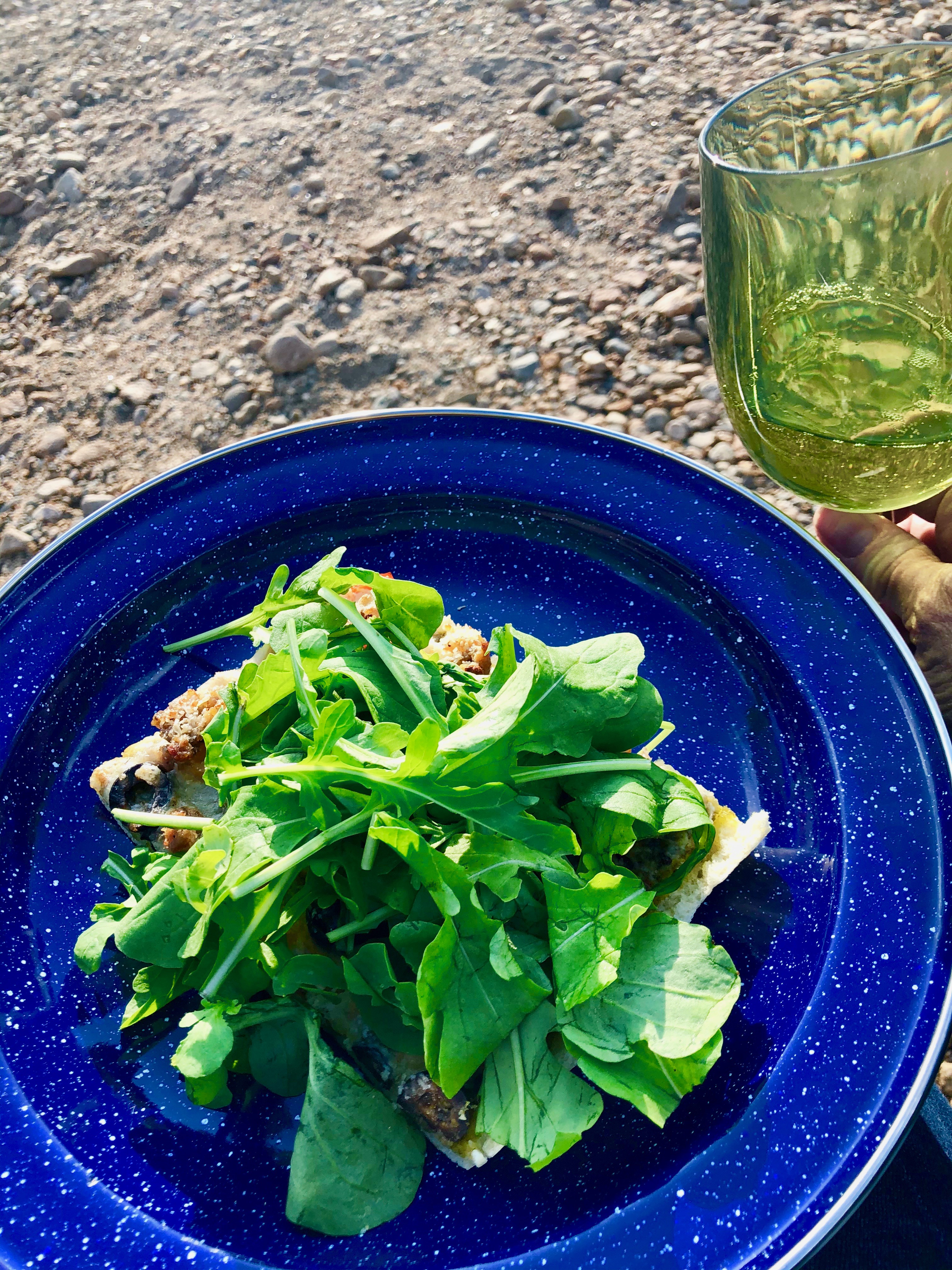



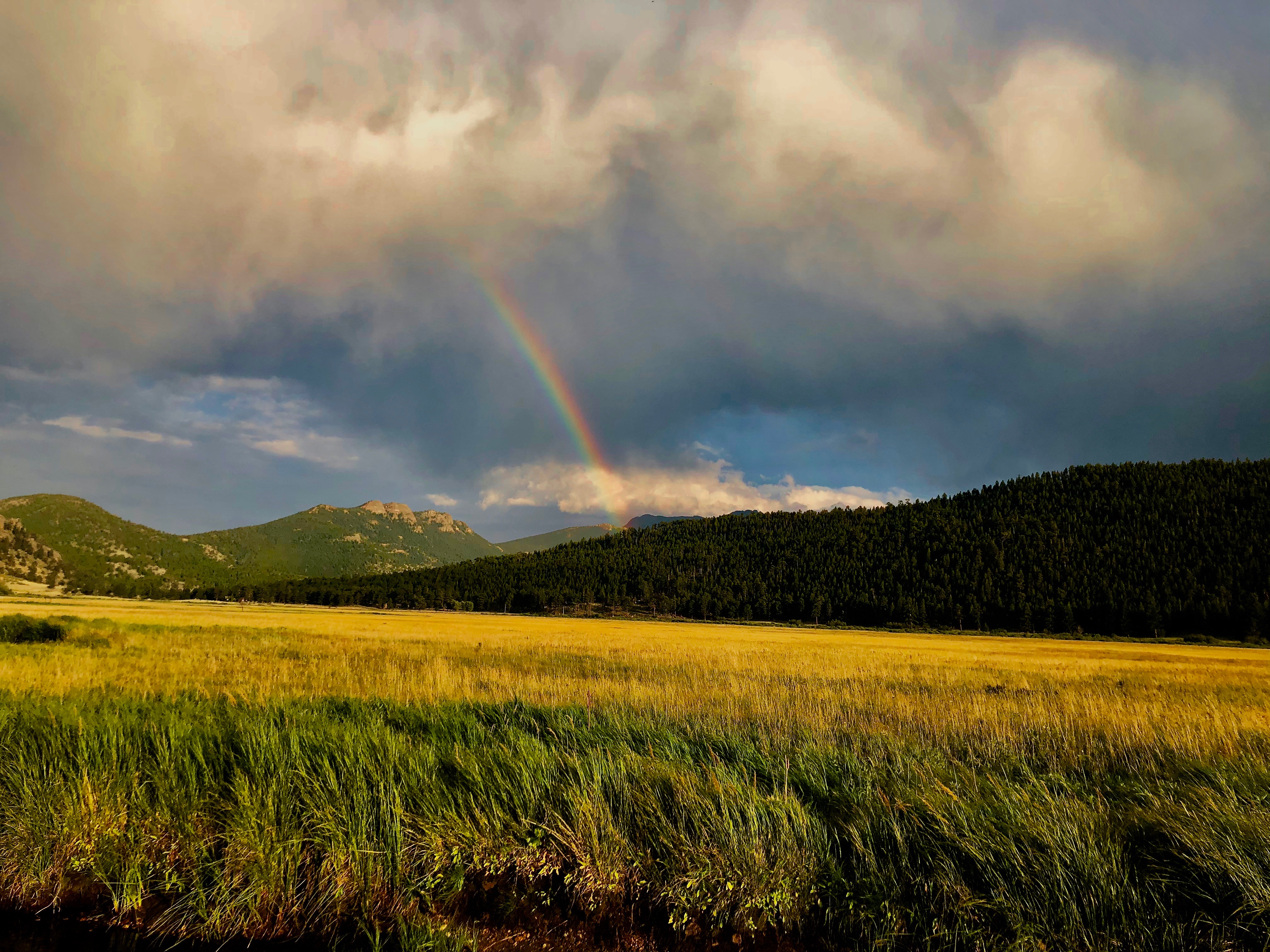
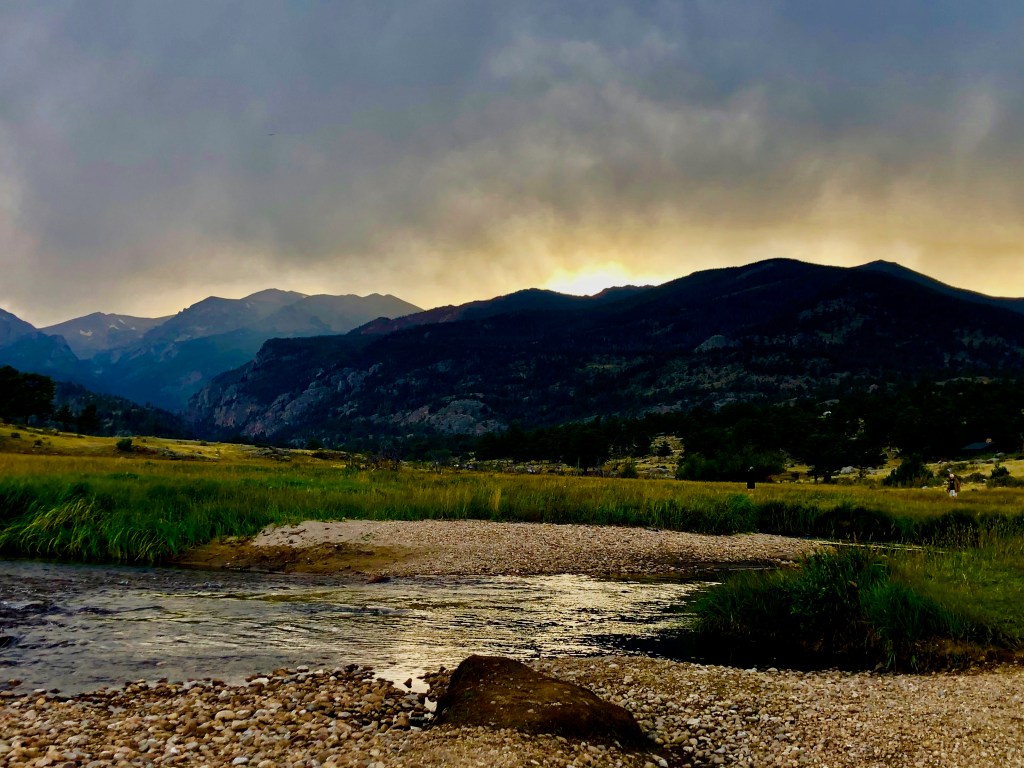





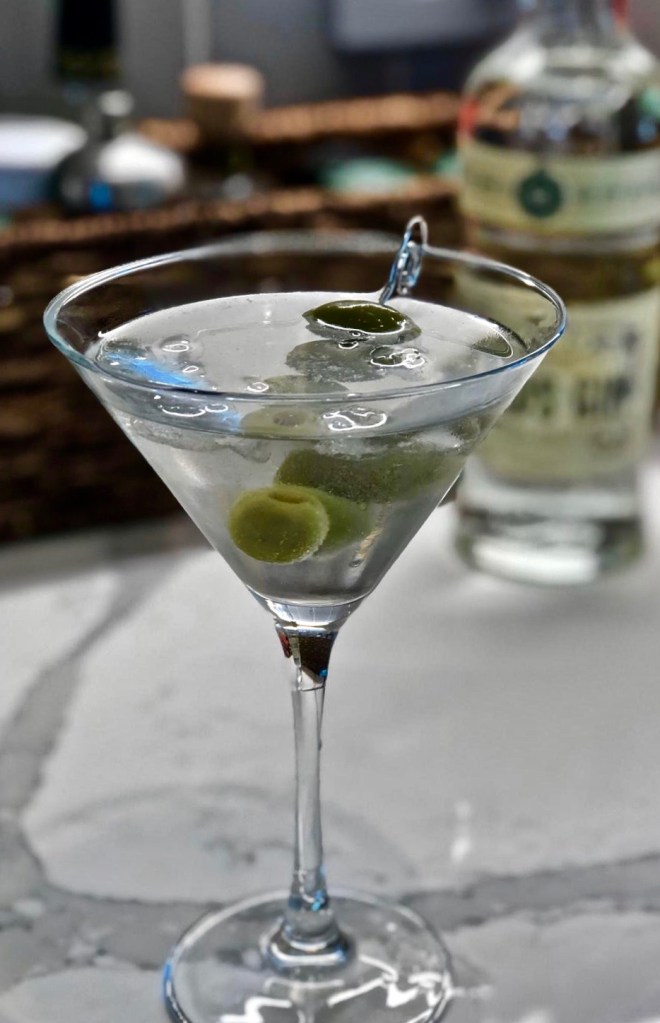

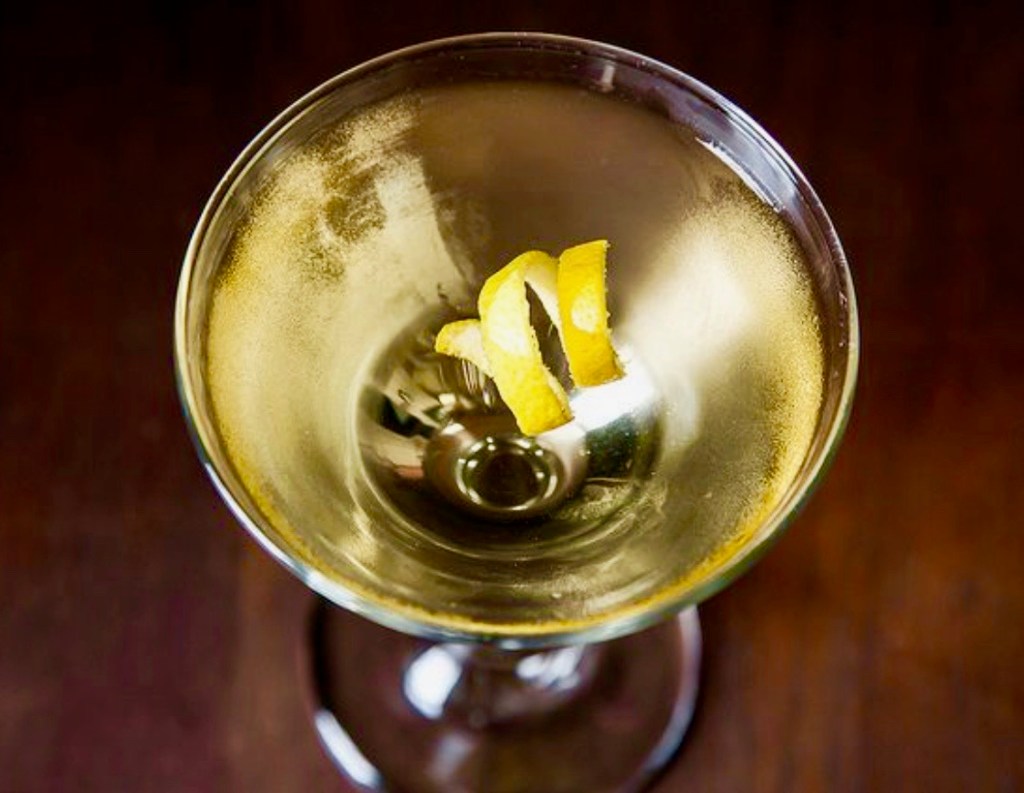


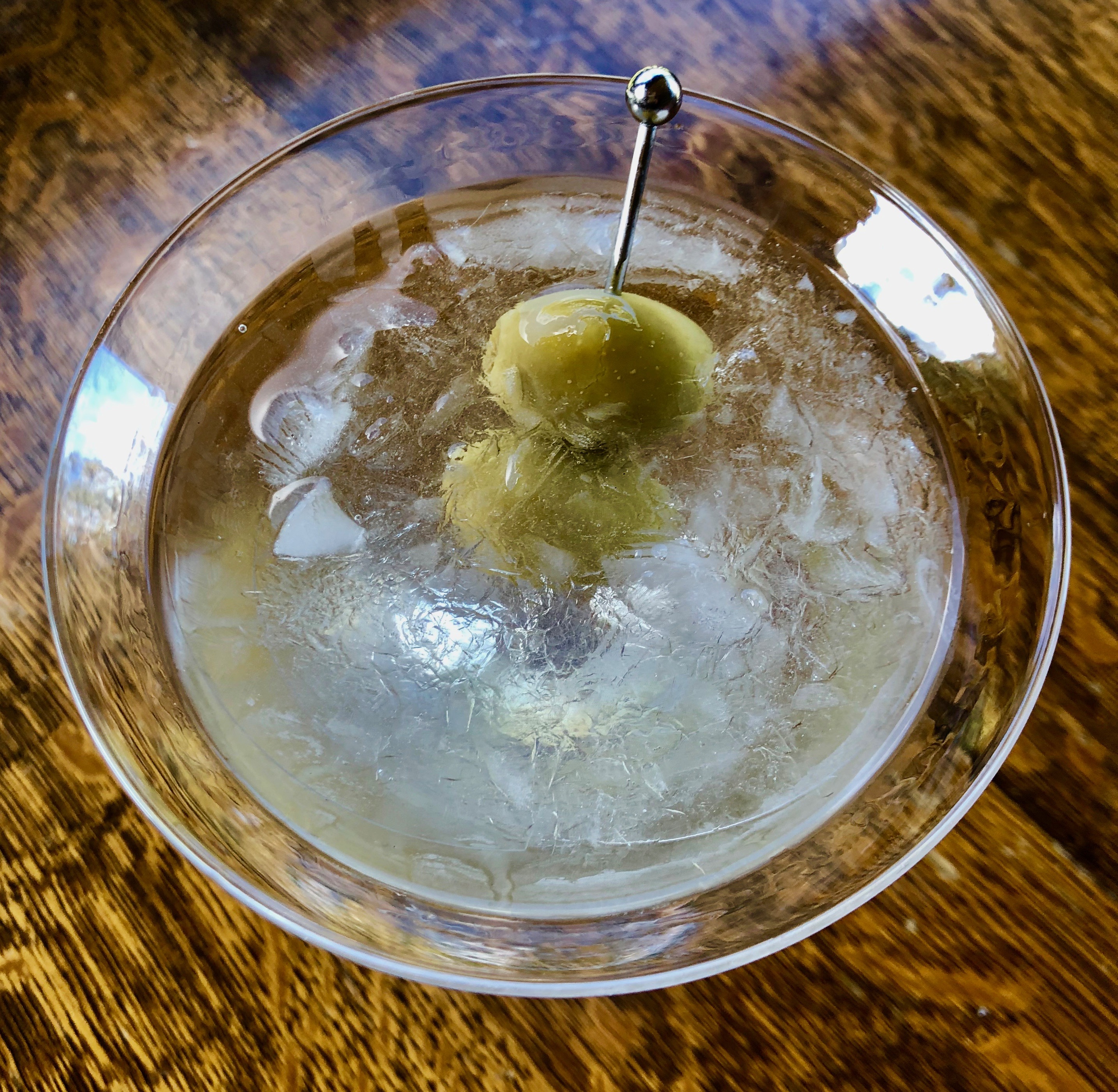





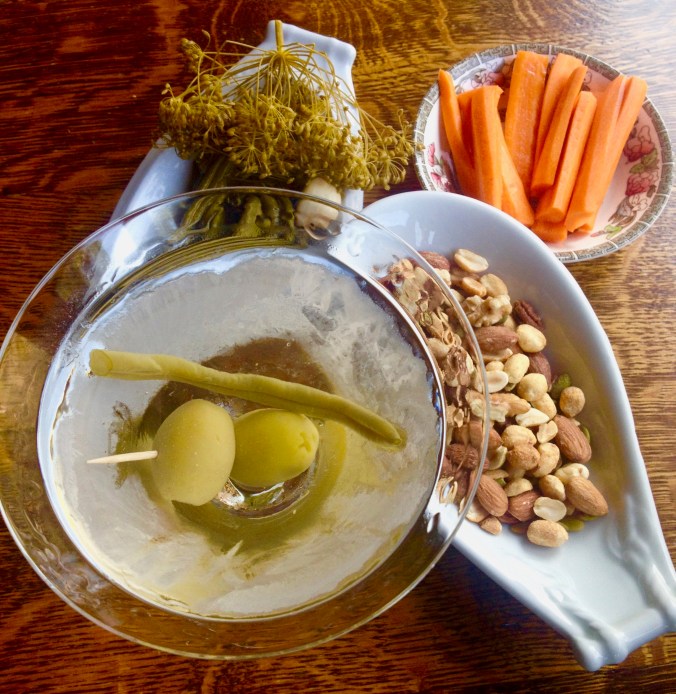
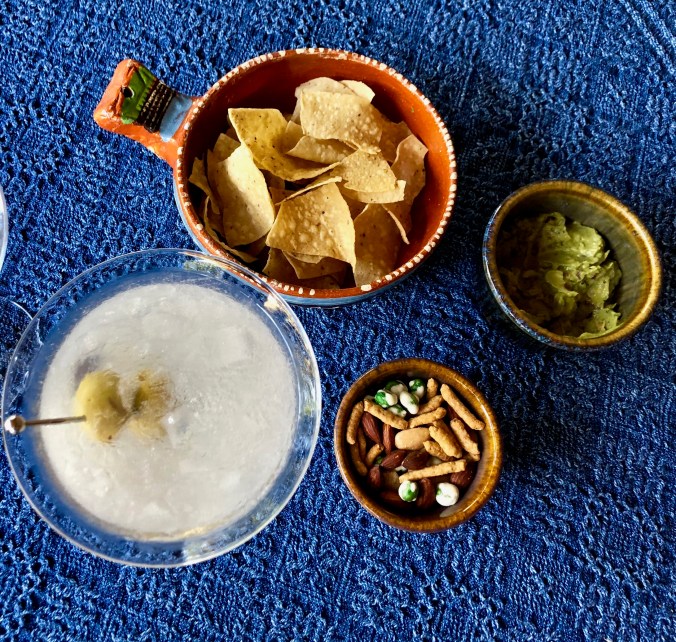













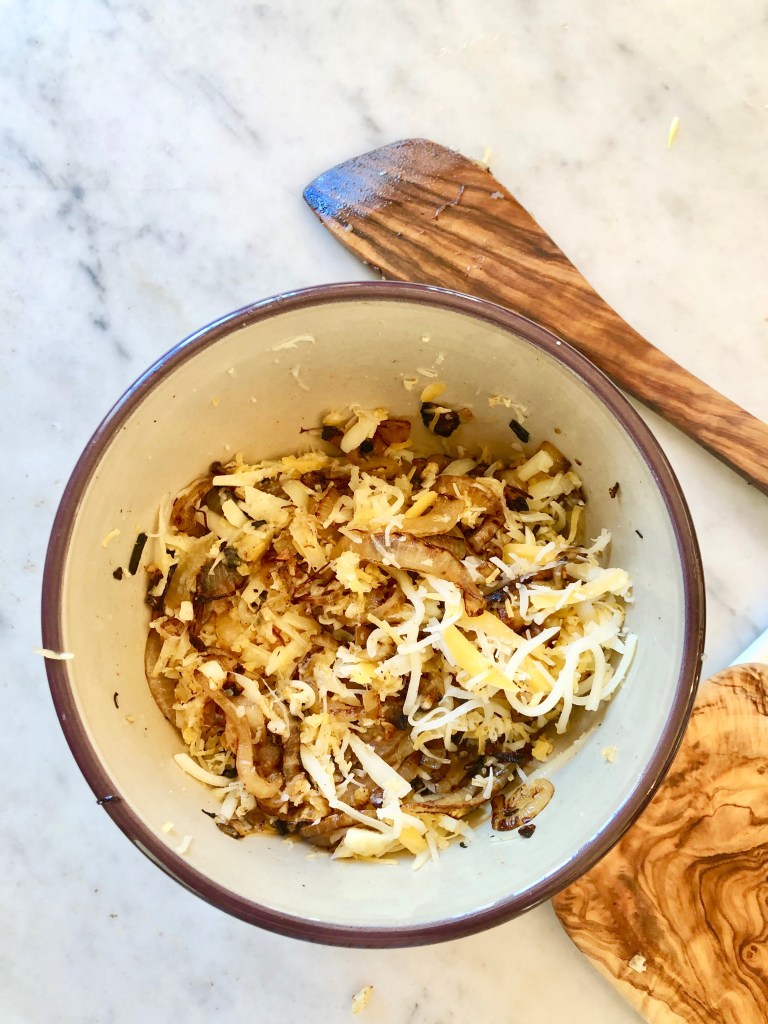


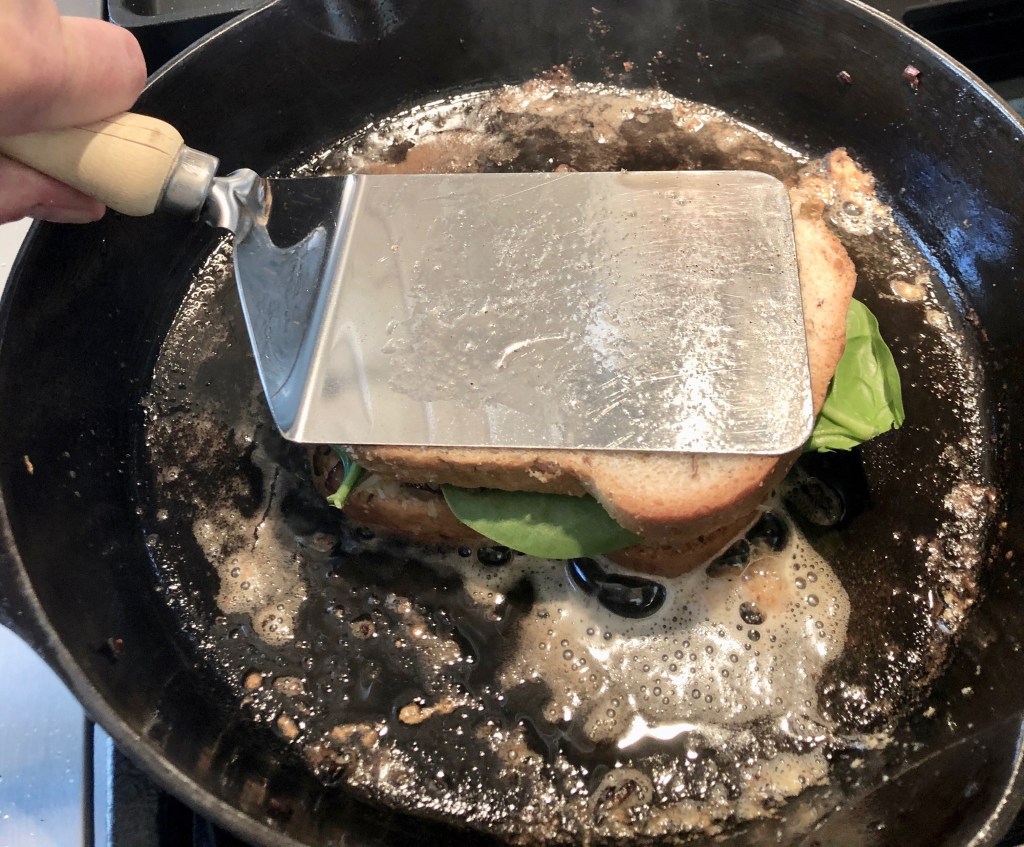




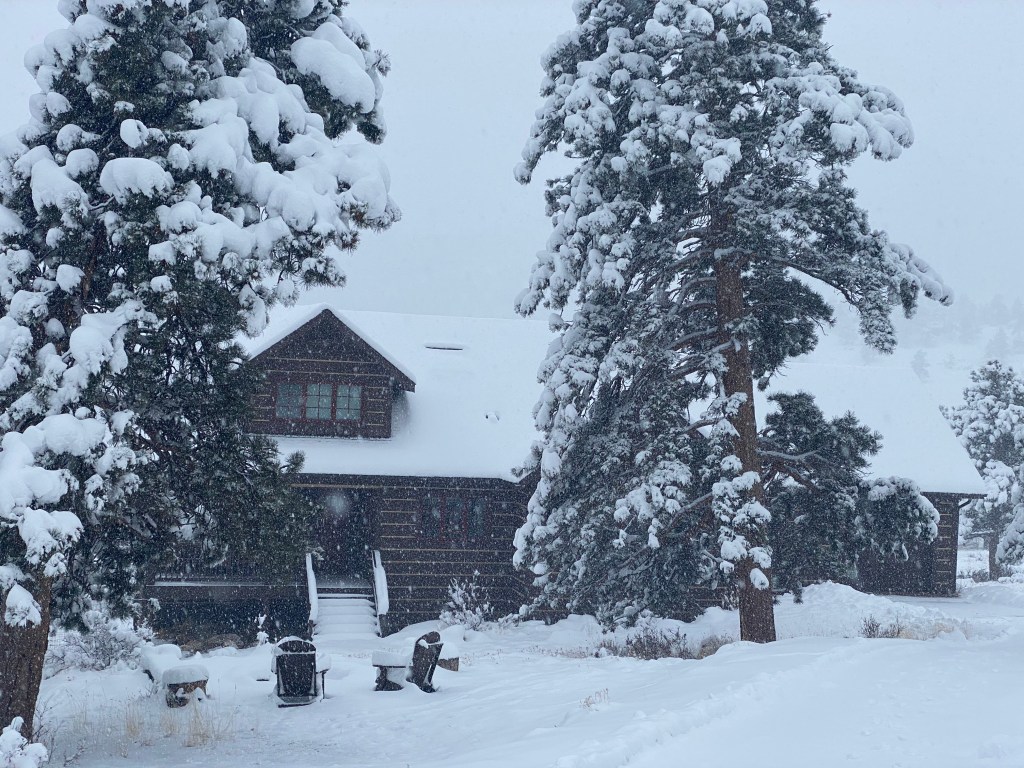
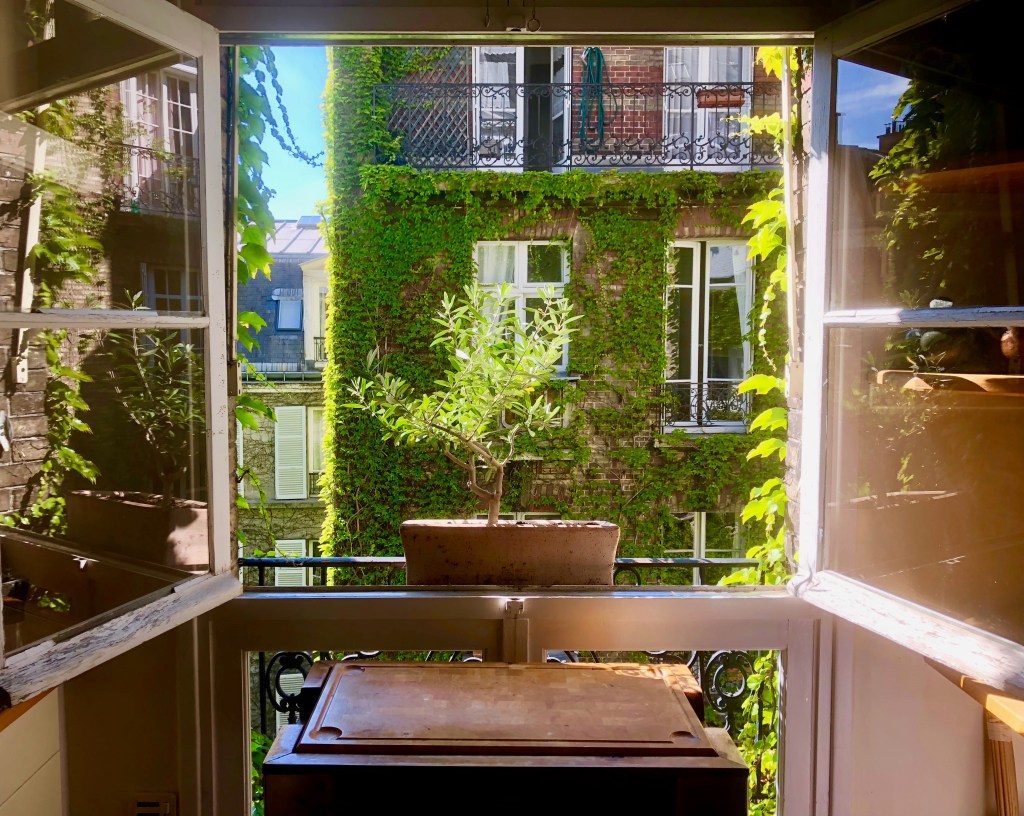


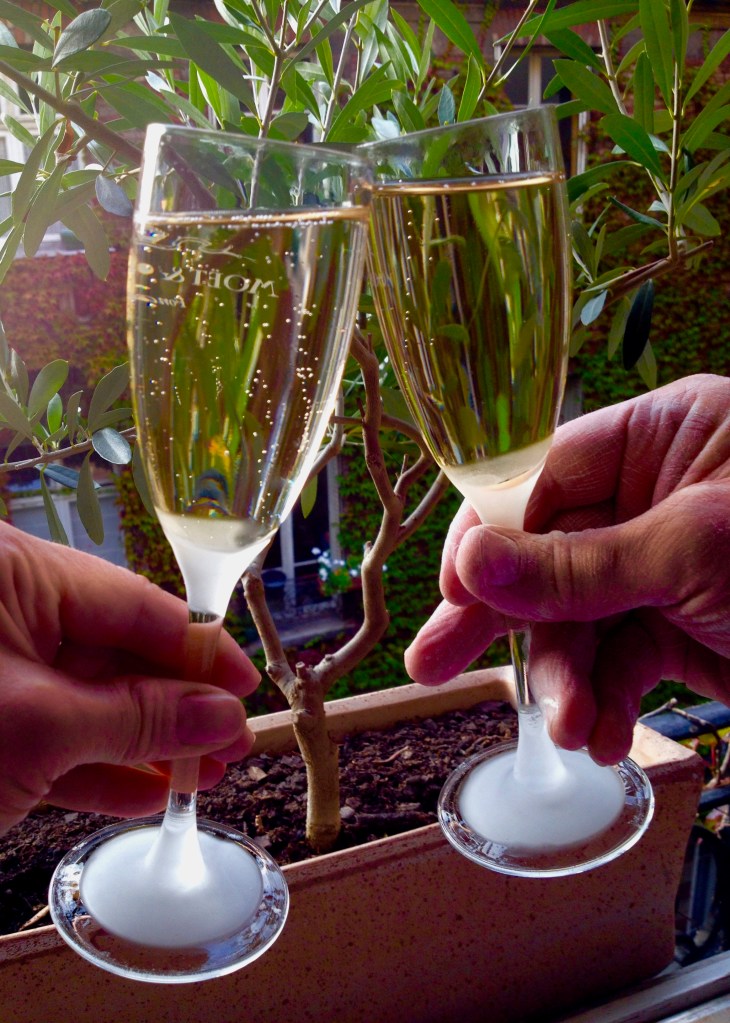
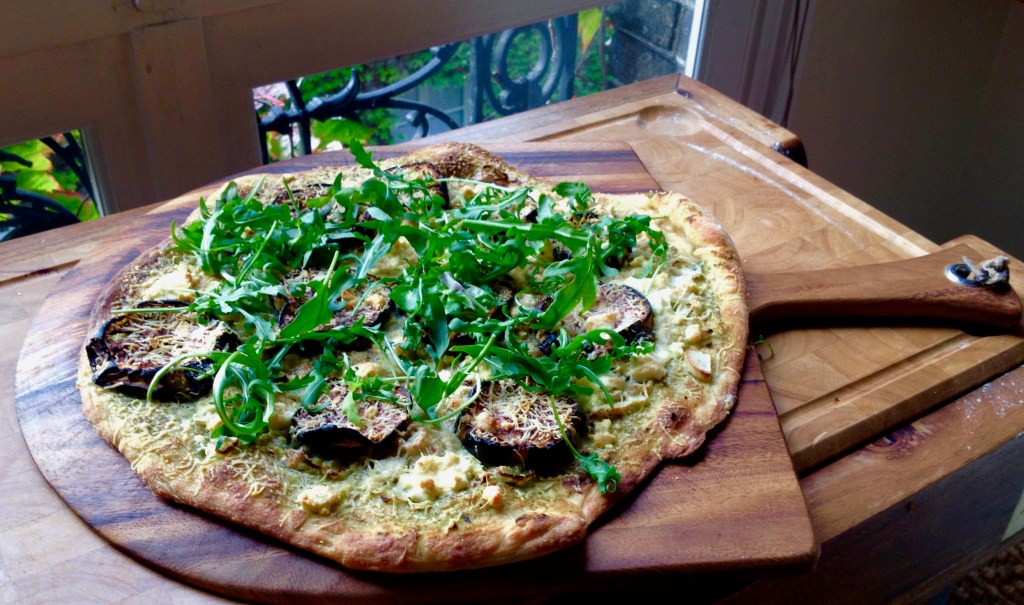



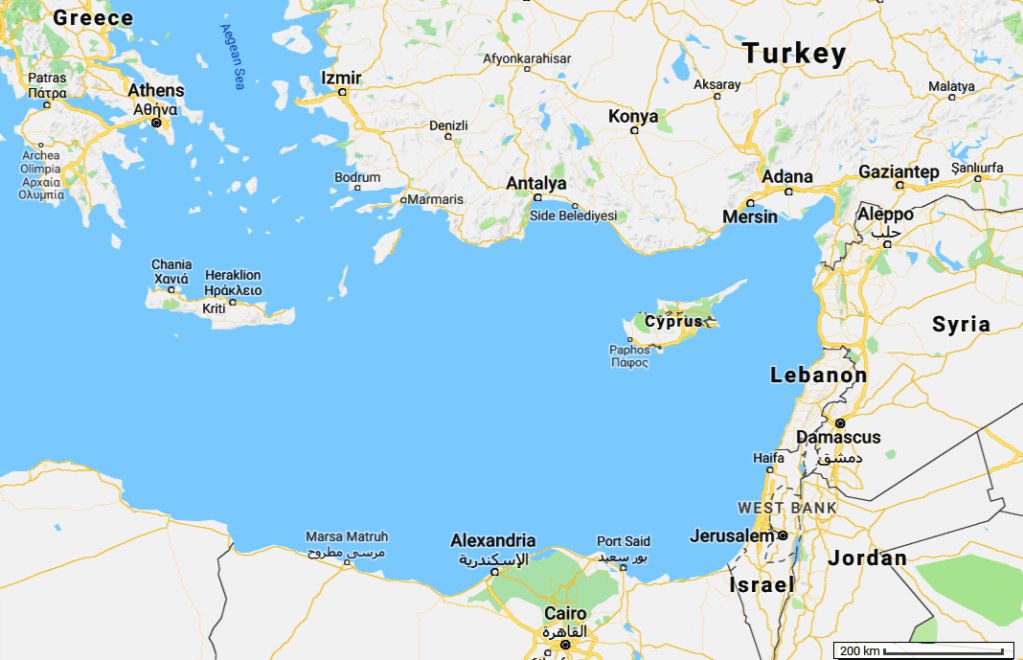


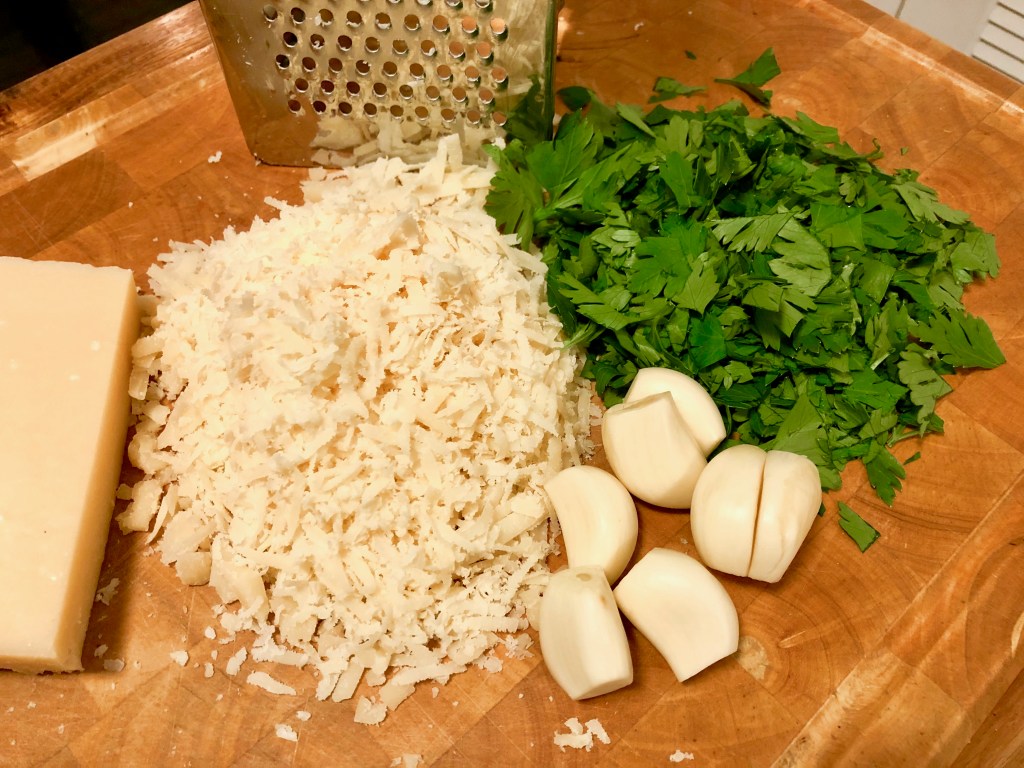


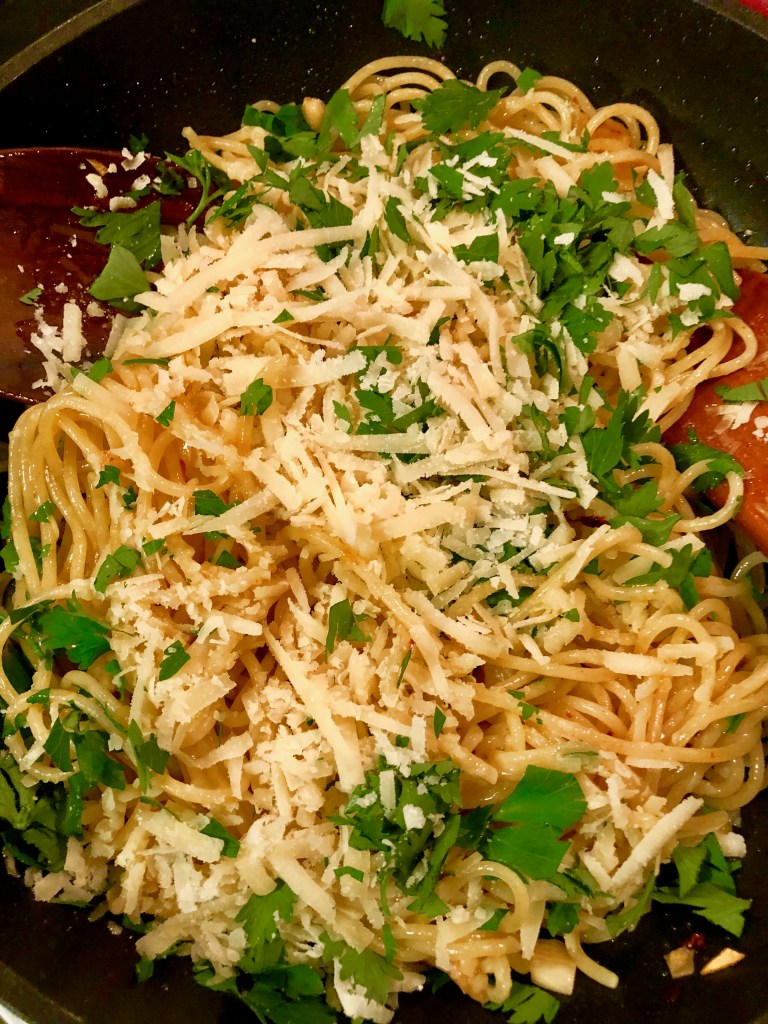

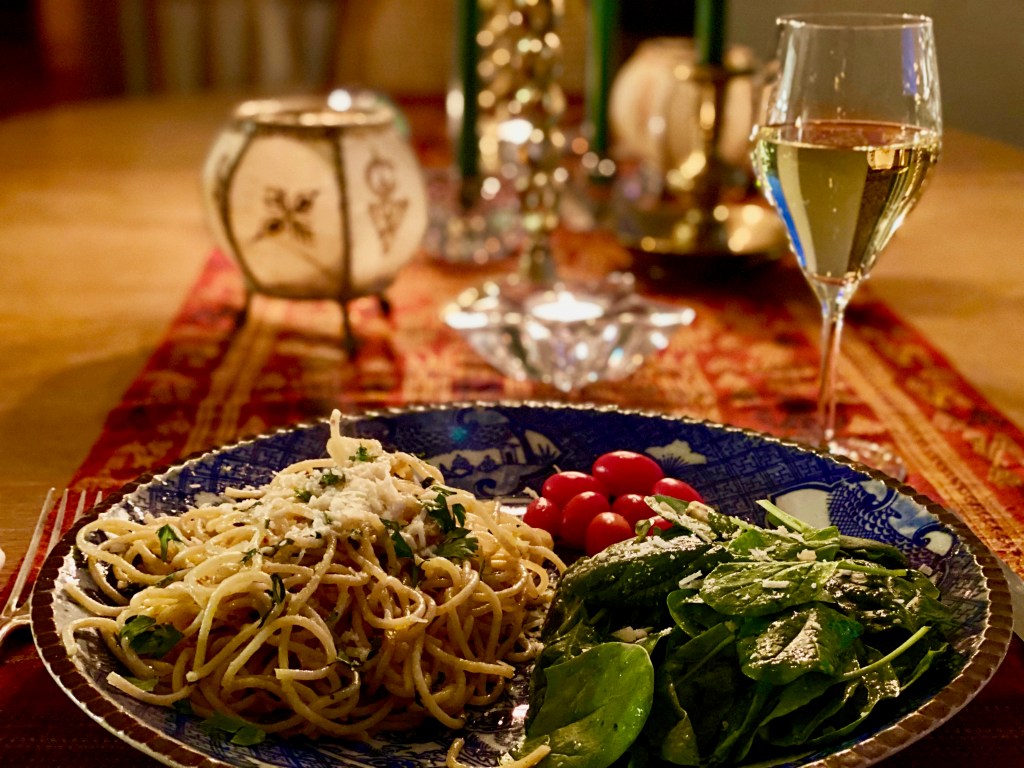










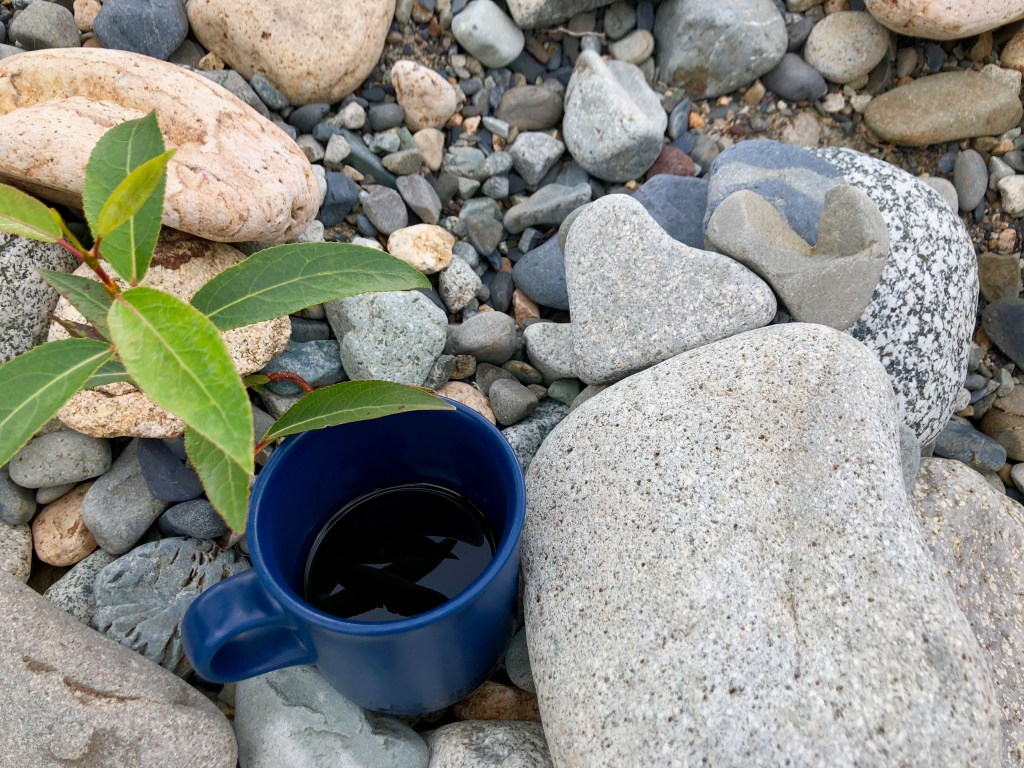

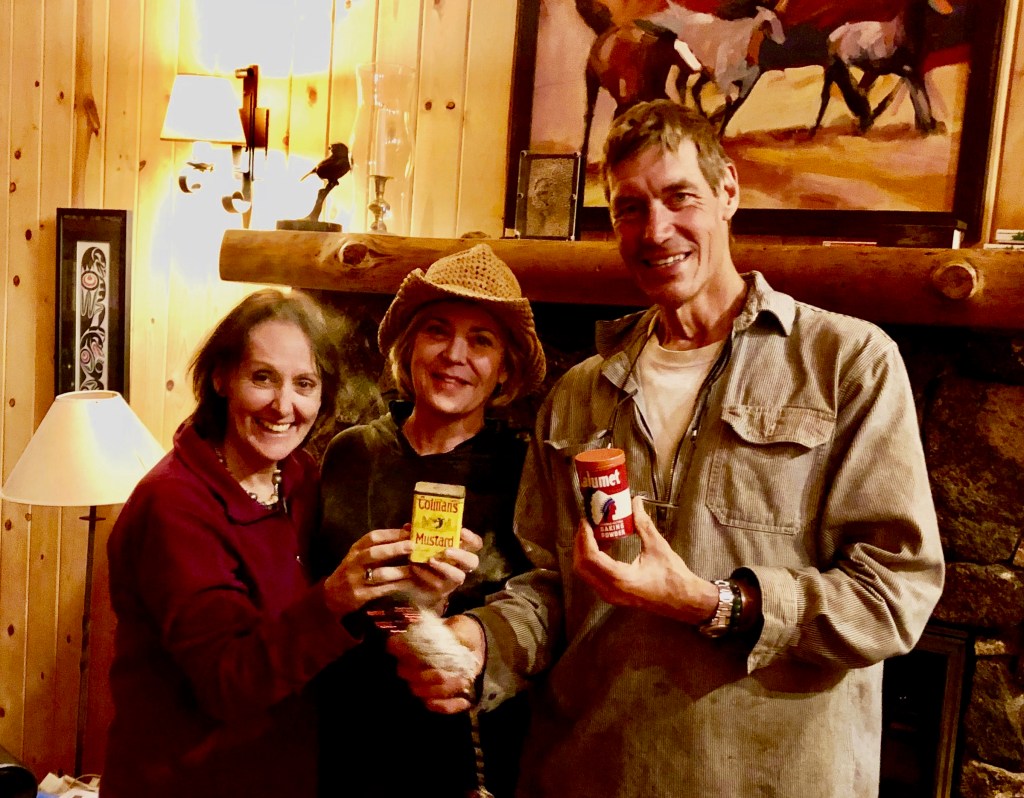

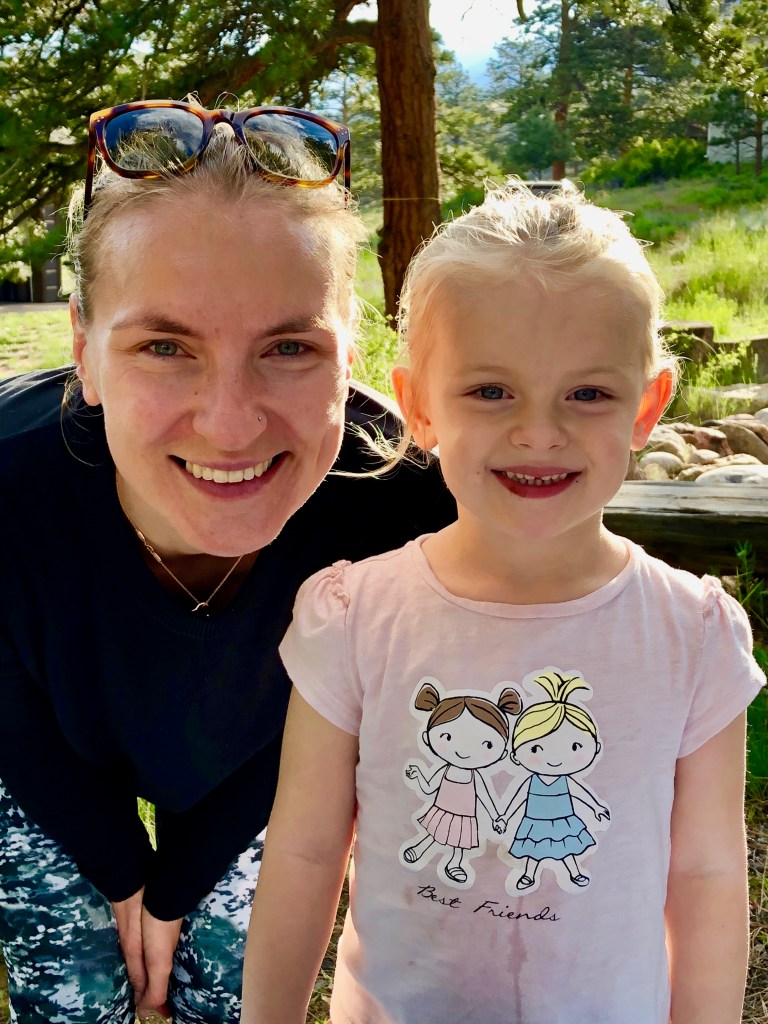

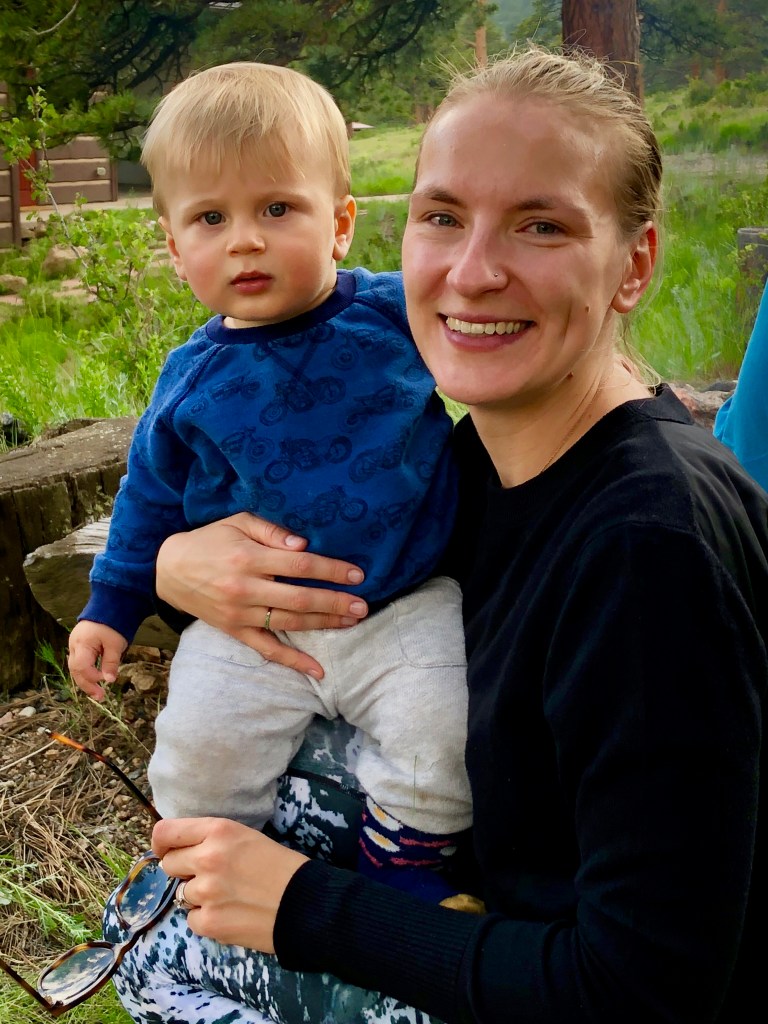







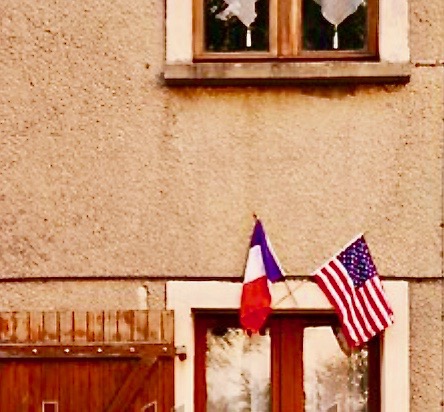






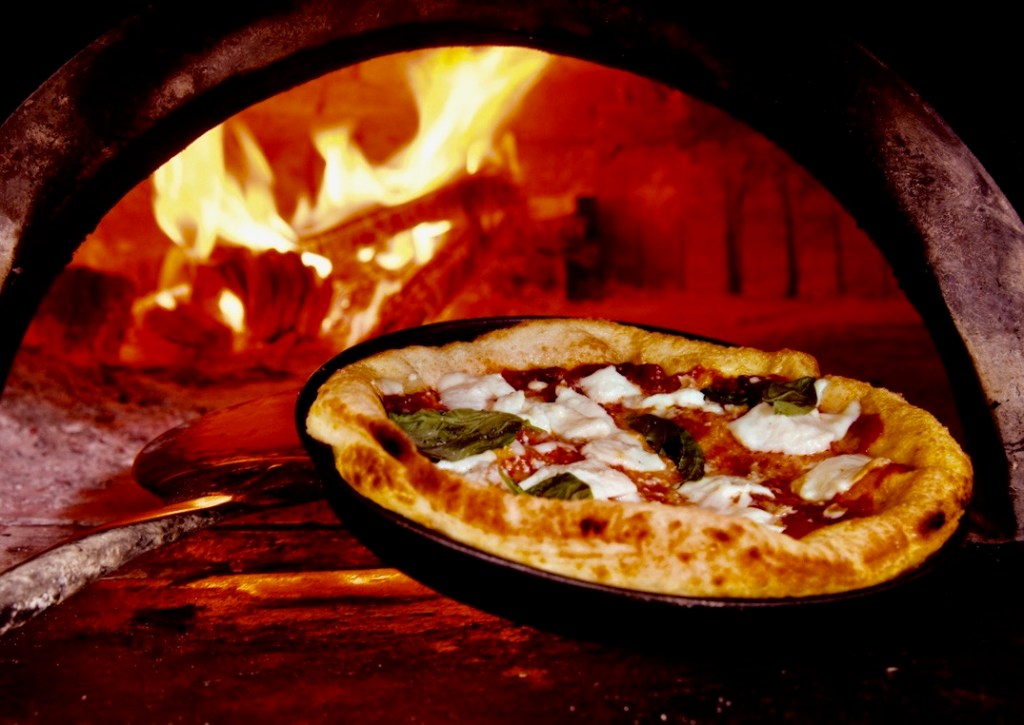


![the basics–flour, water, yeast, sugar [not pictured], and salt](https://atasteofmind.com/wp-content/uploads/2019/05/img_1101.jpg?w=676)


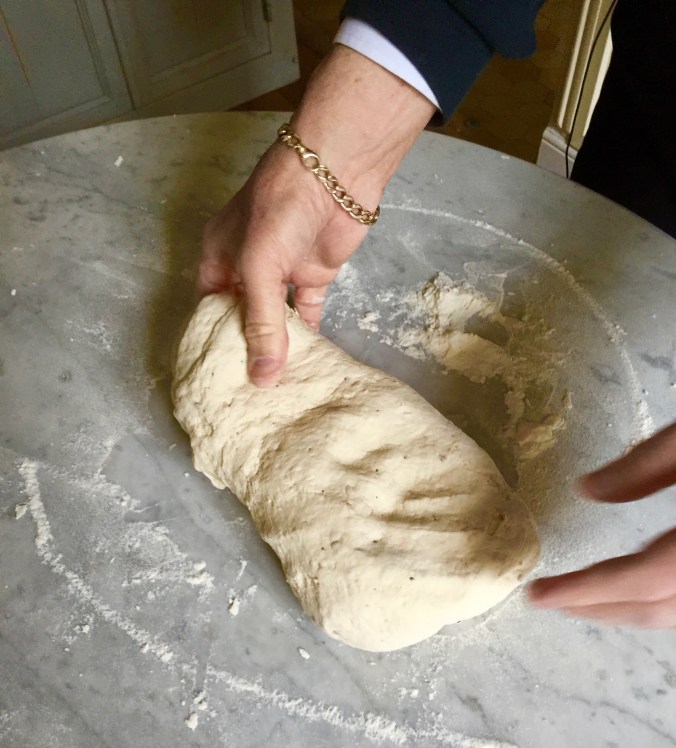
























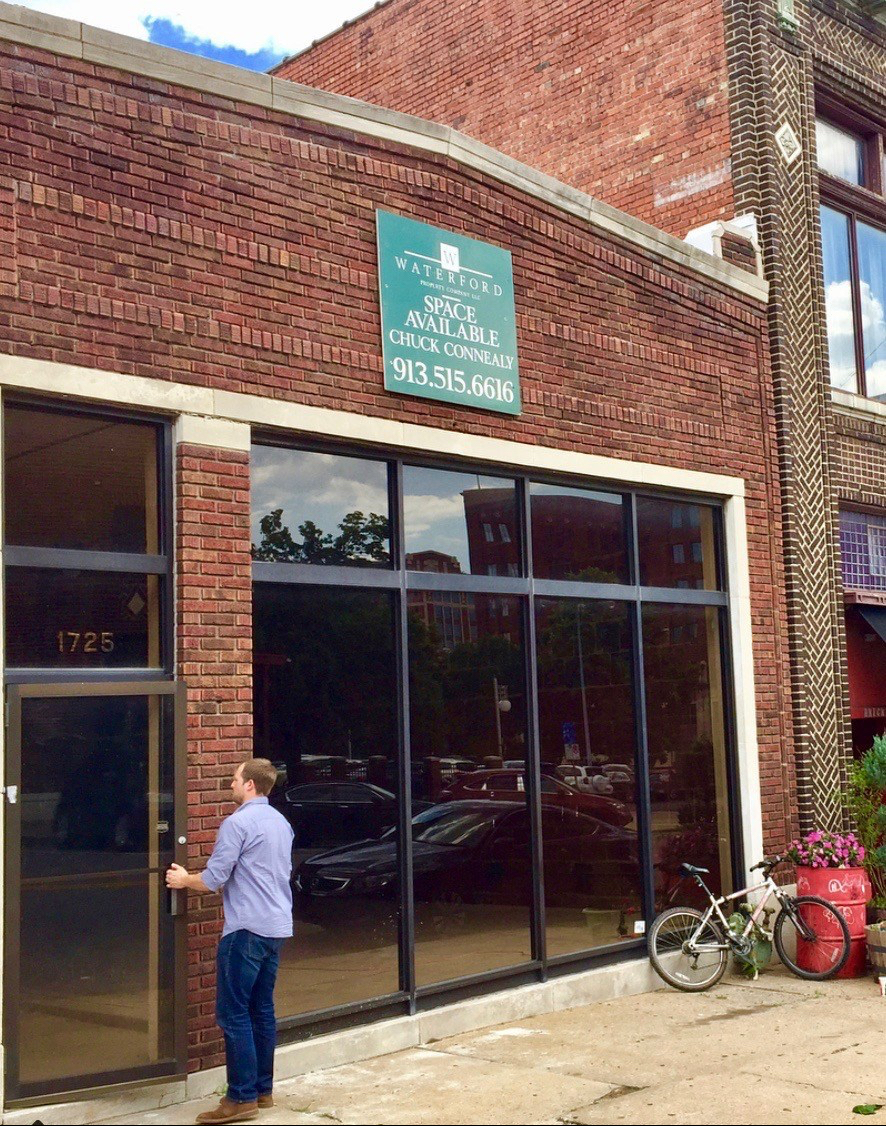

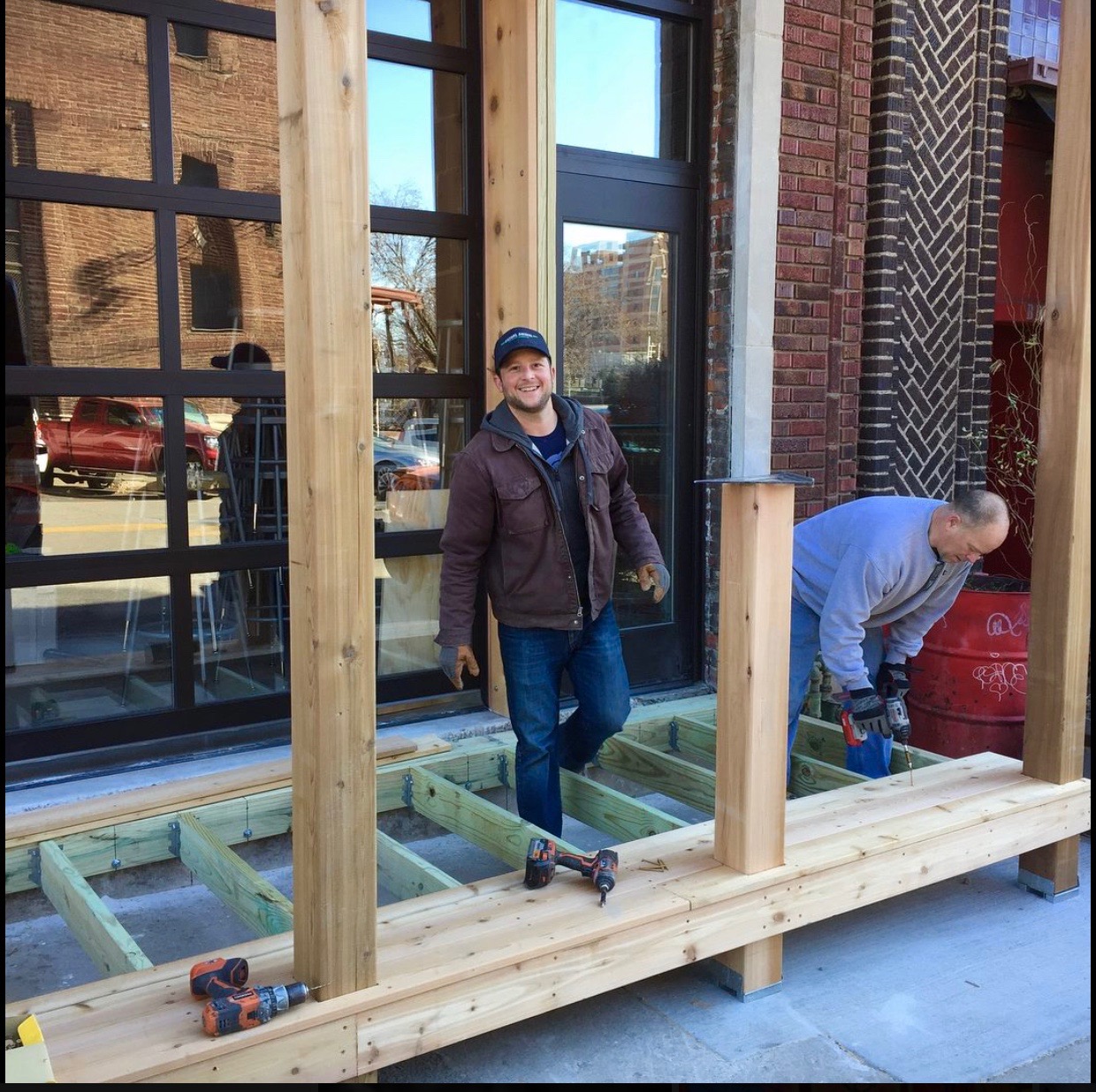


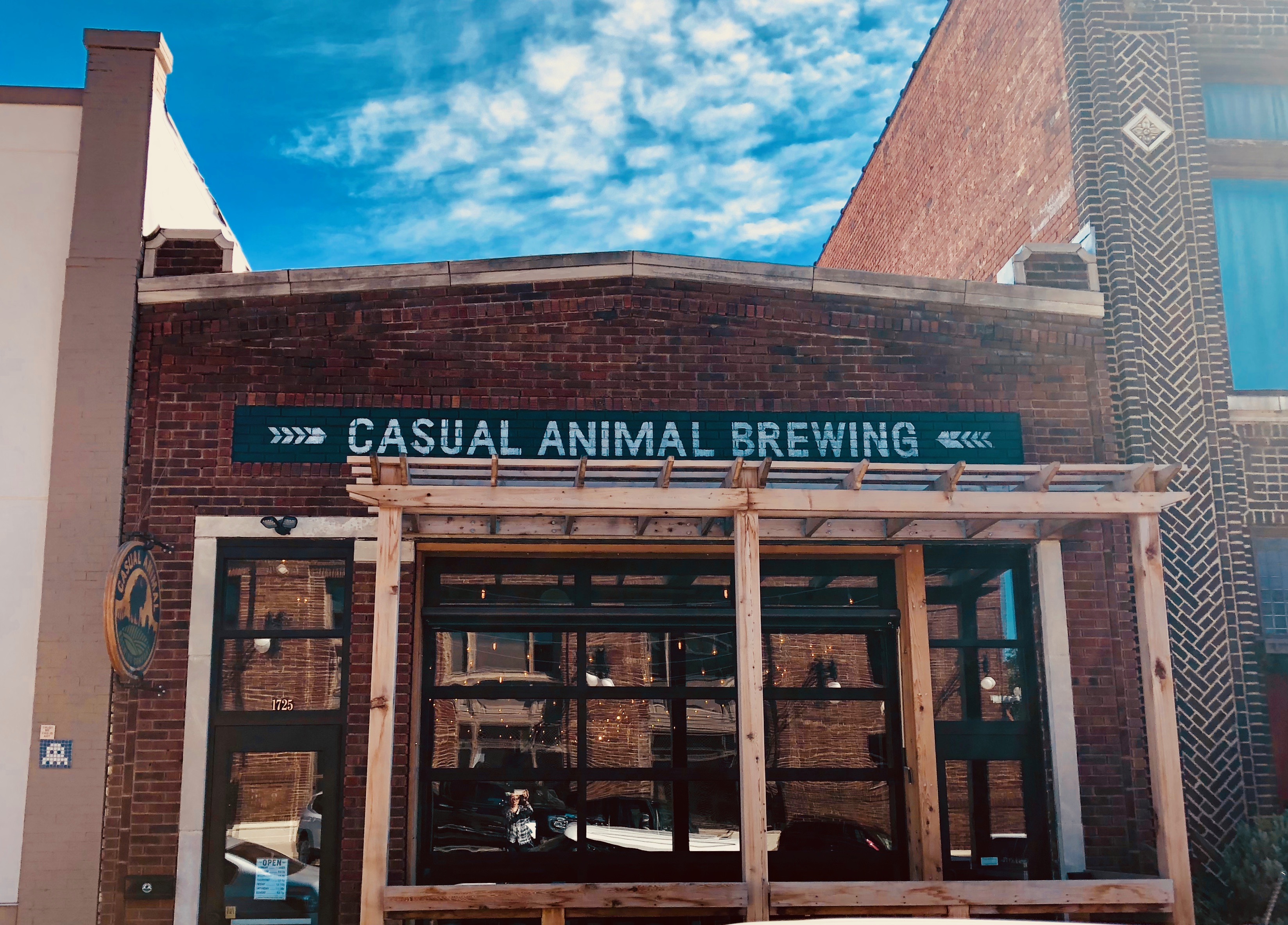

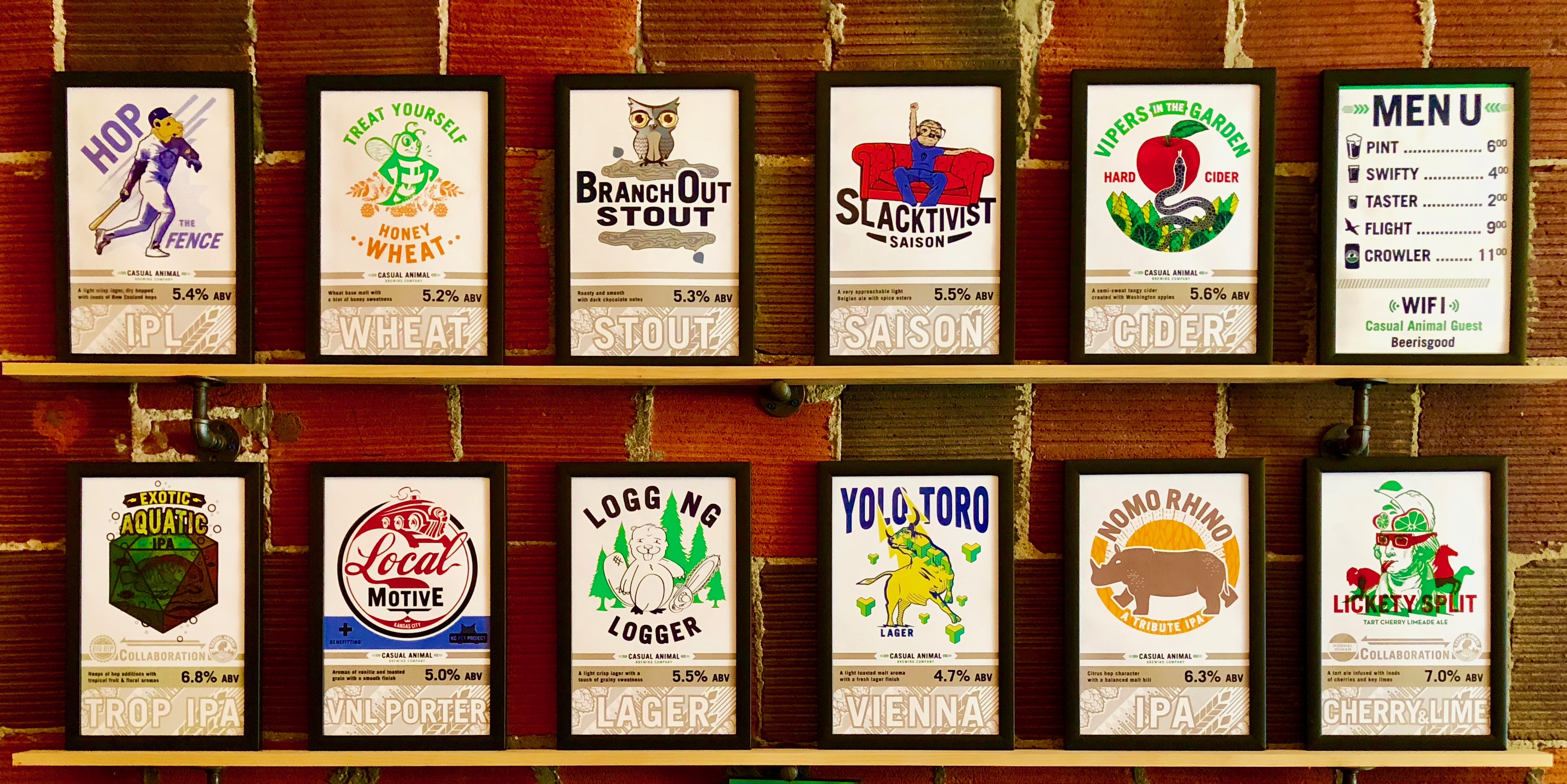
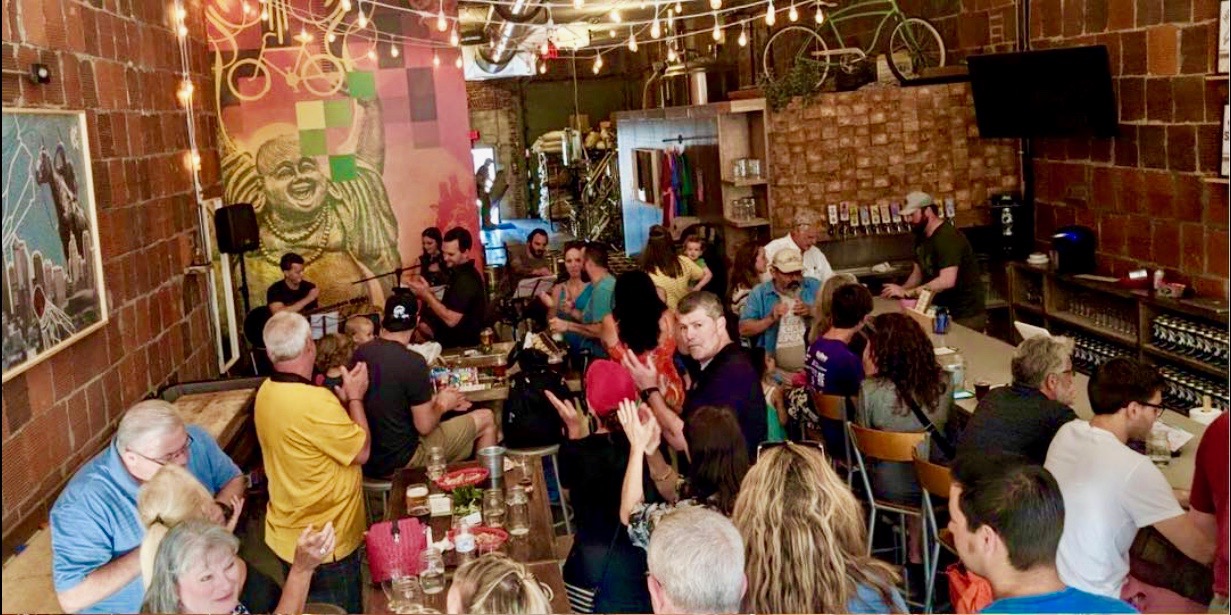
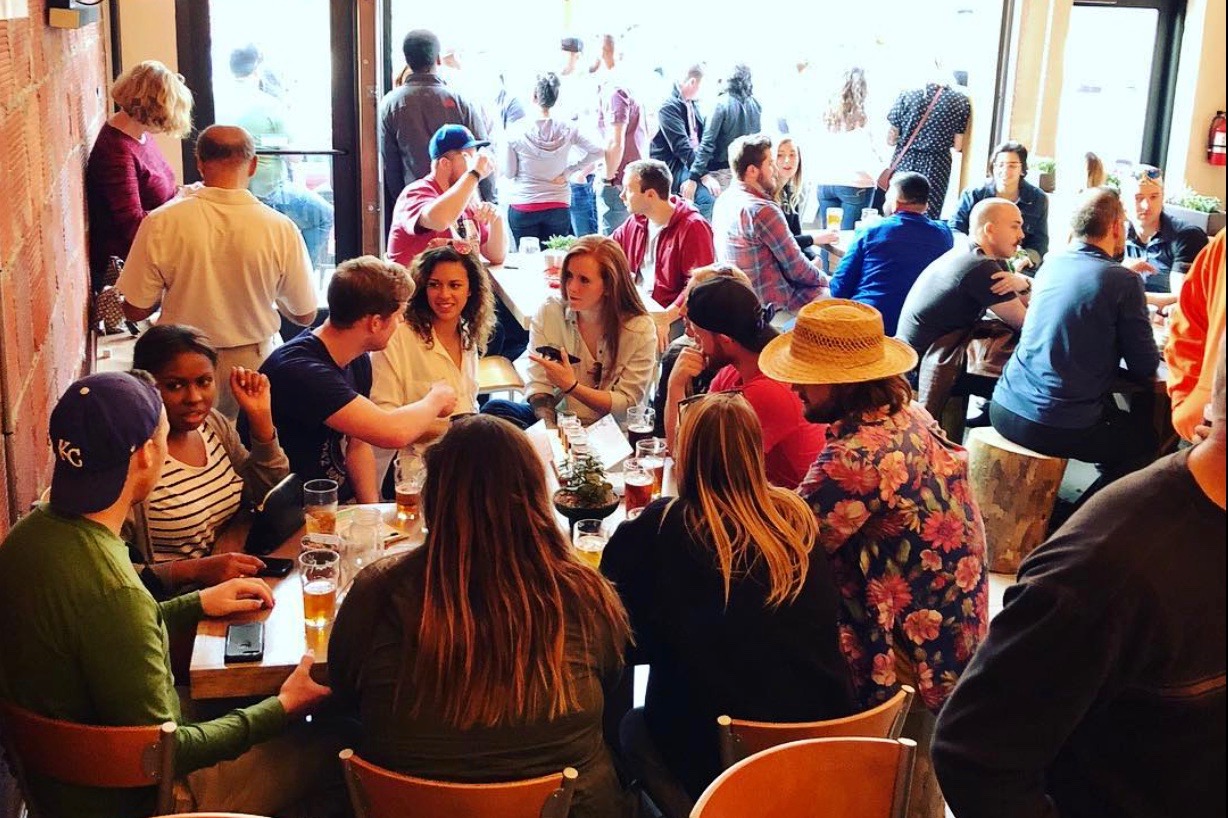


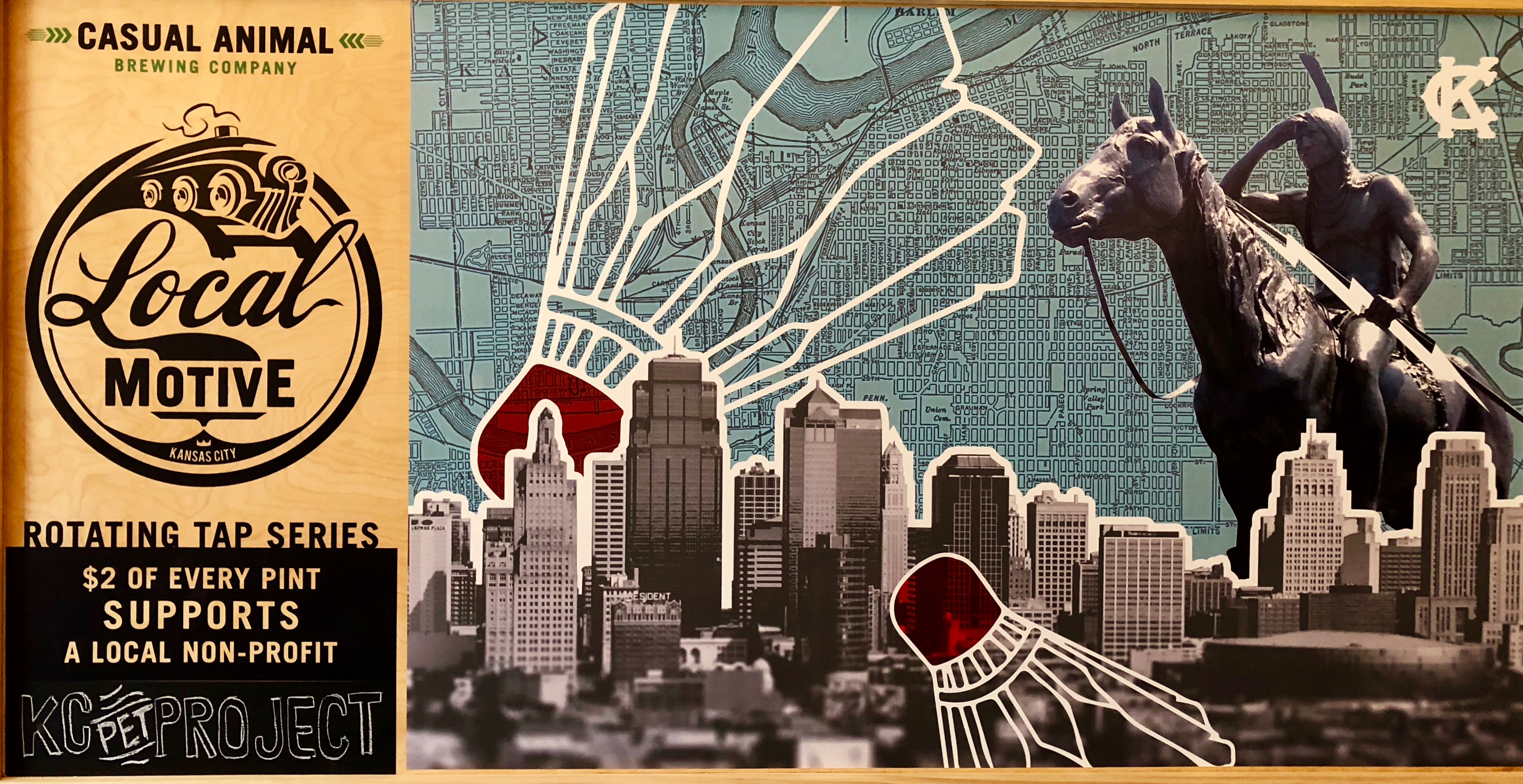





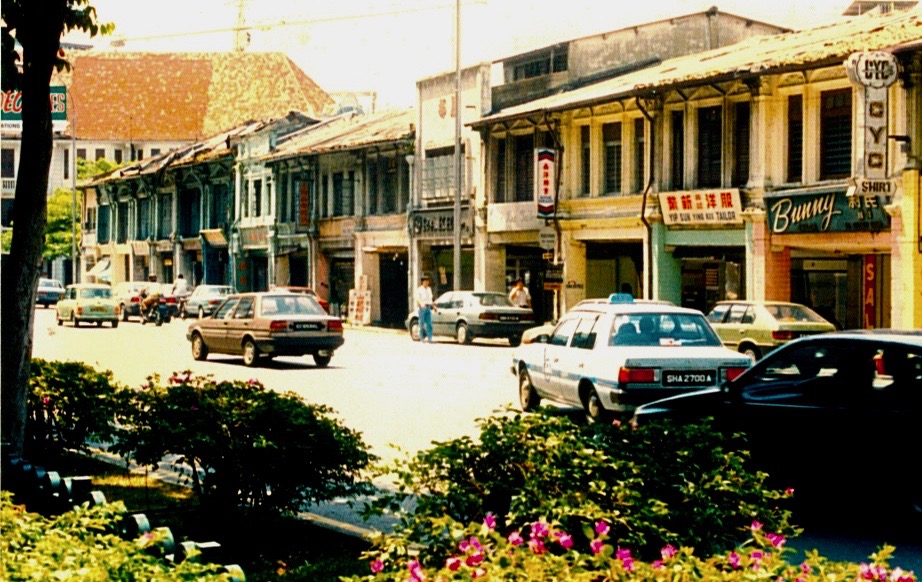




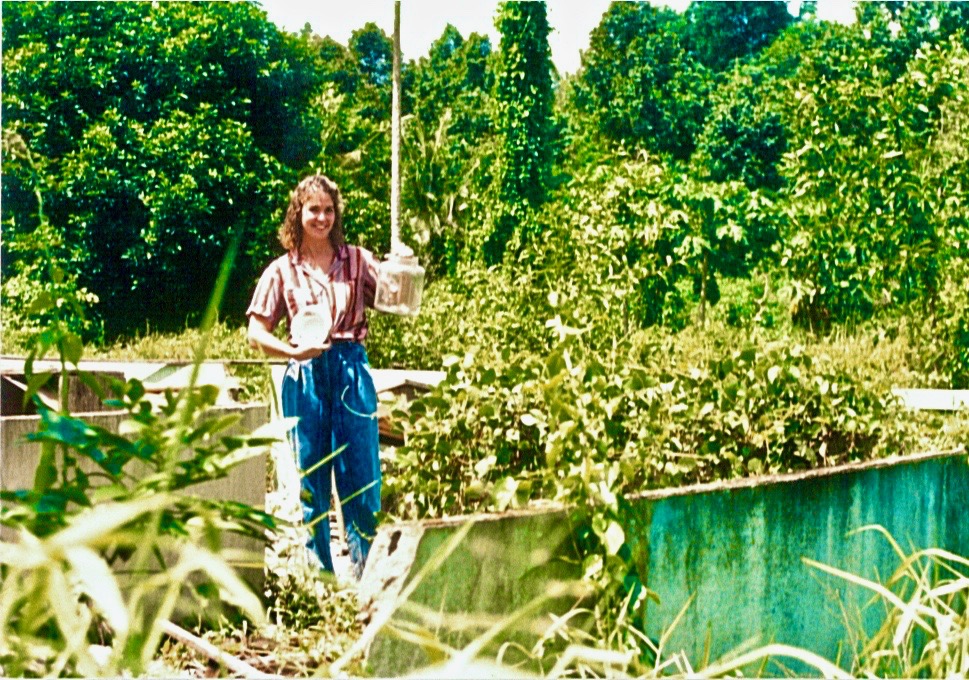


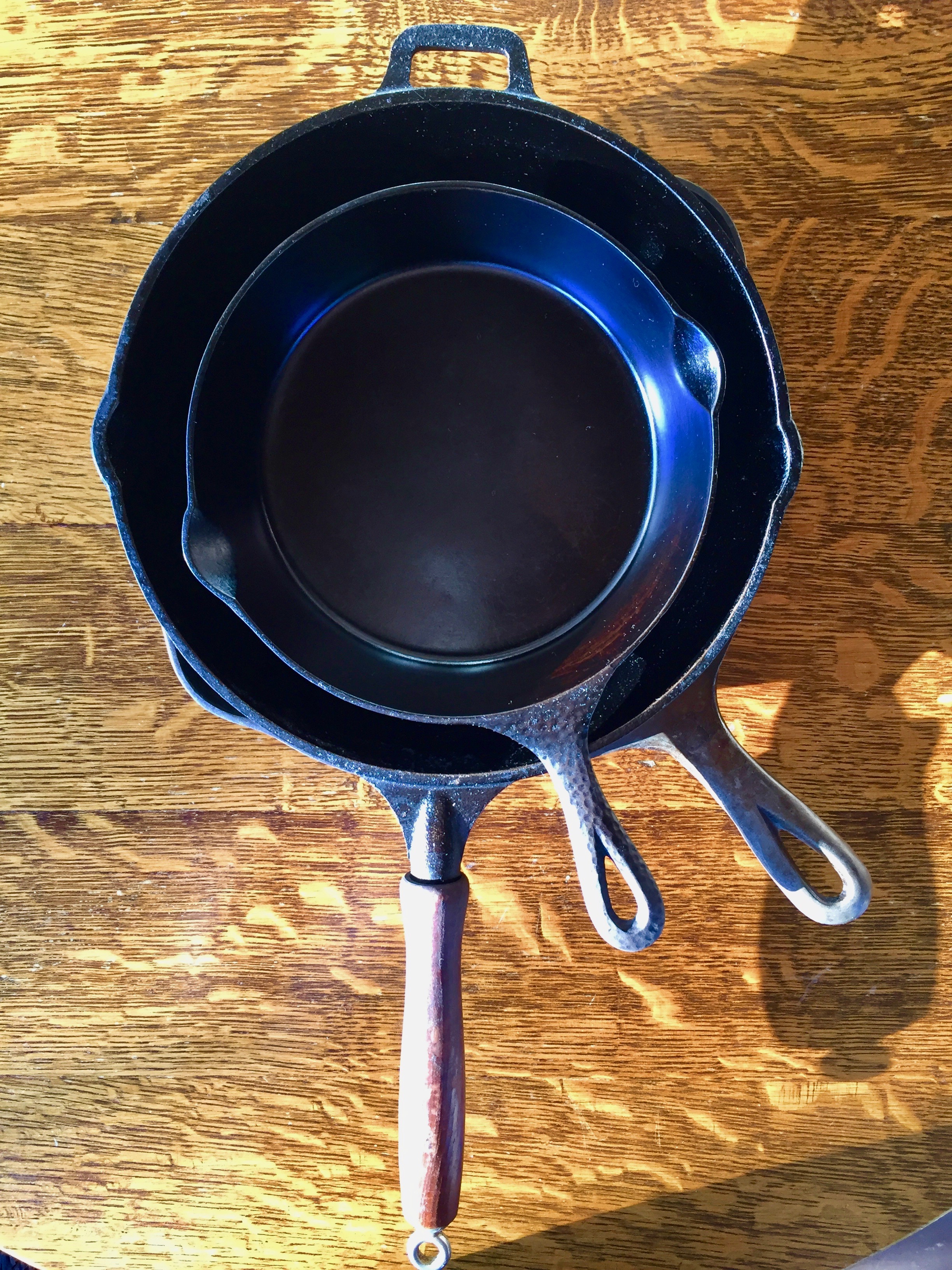



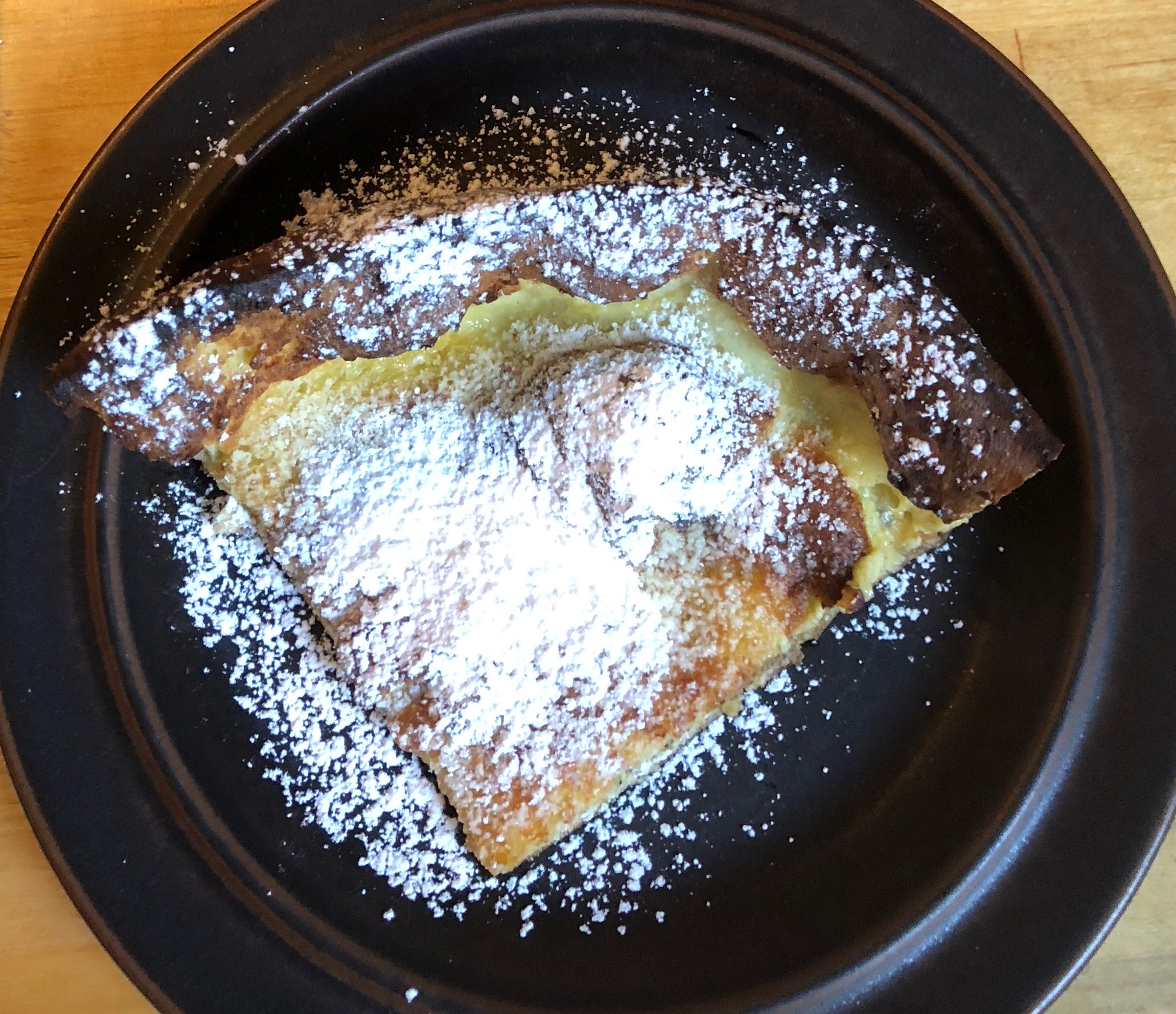
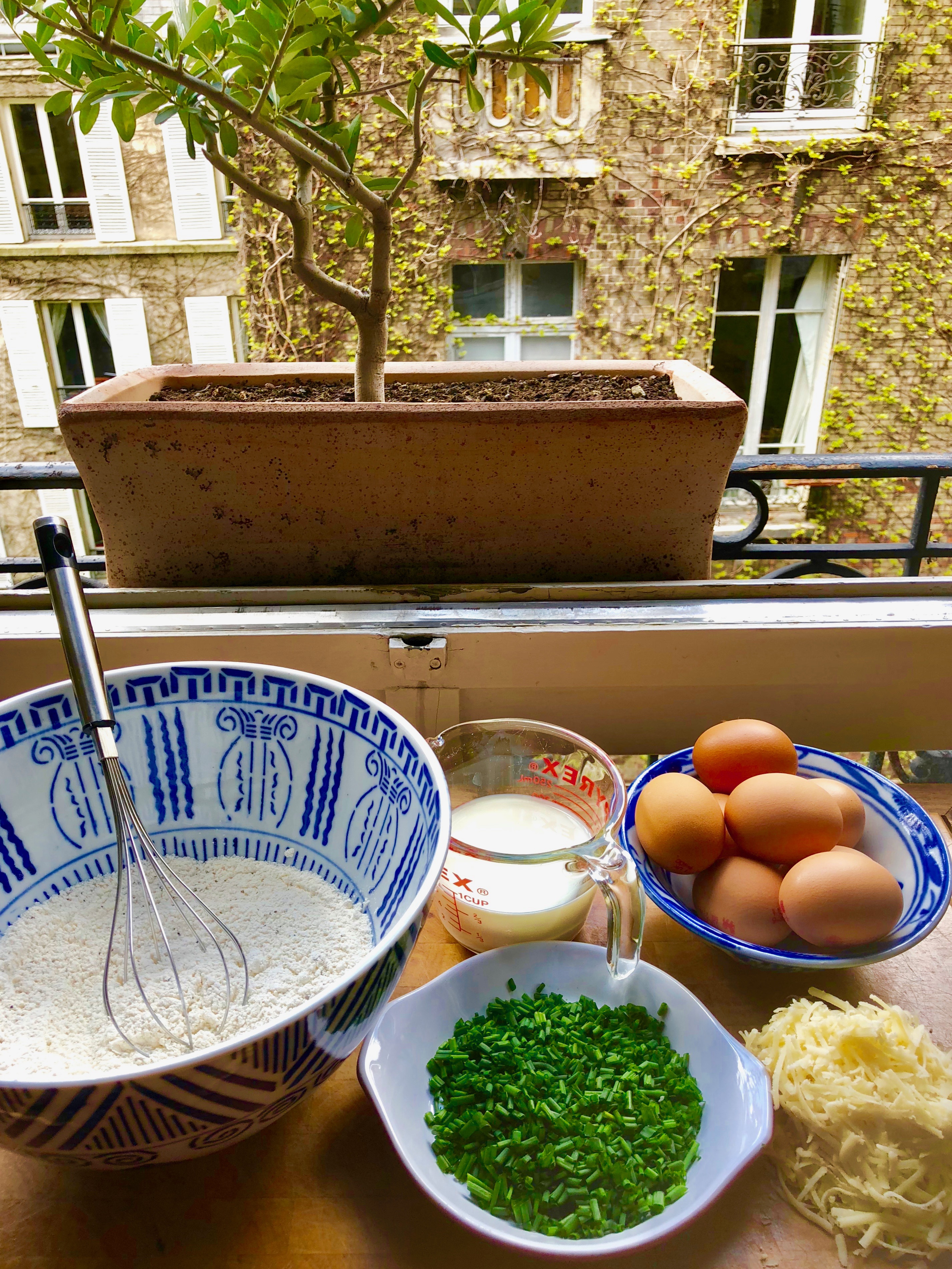
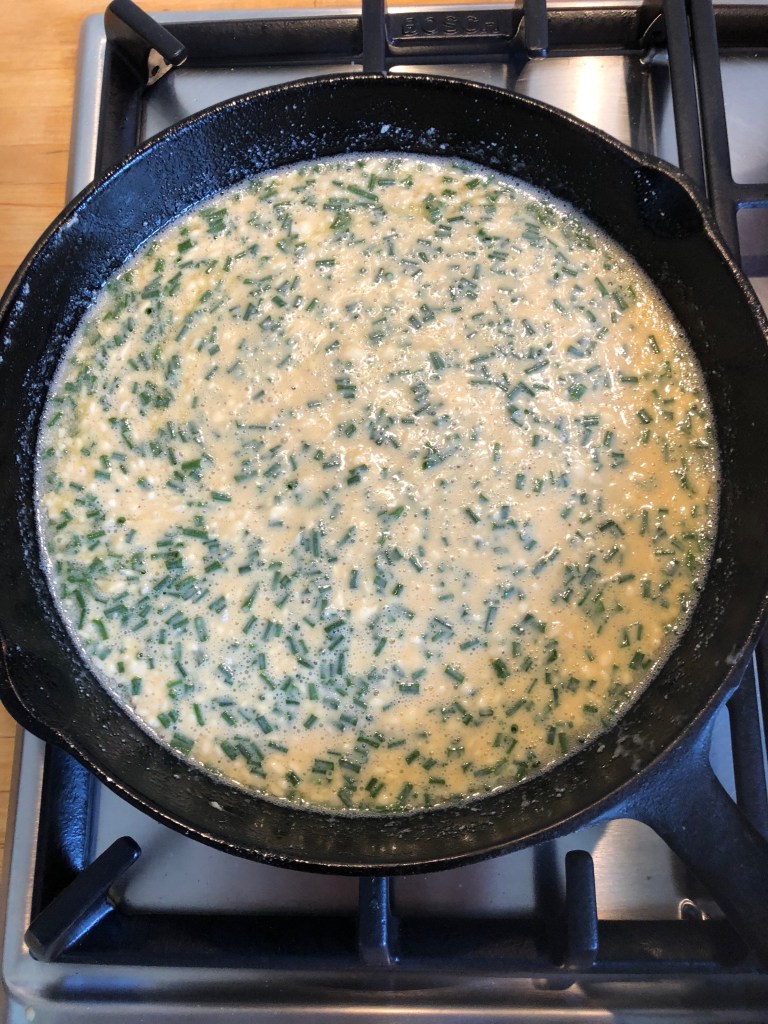
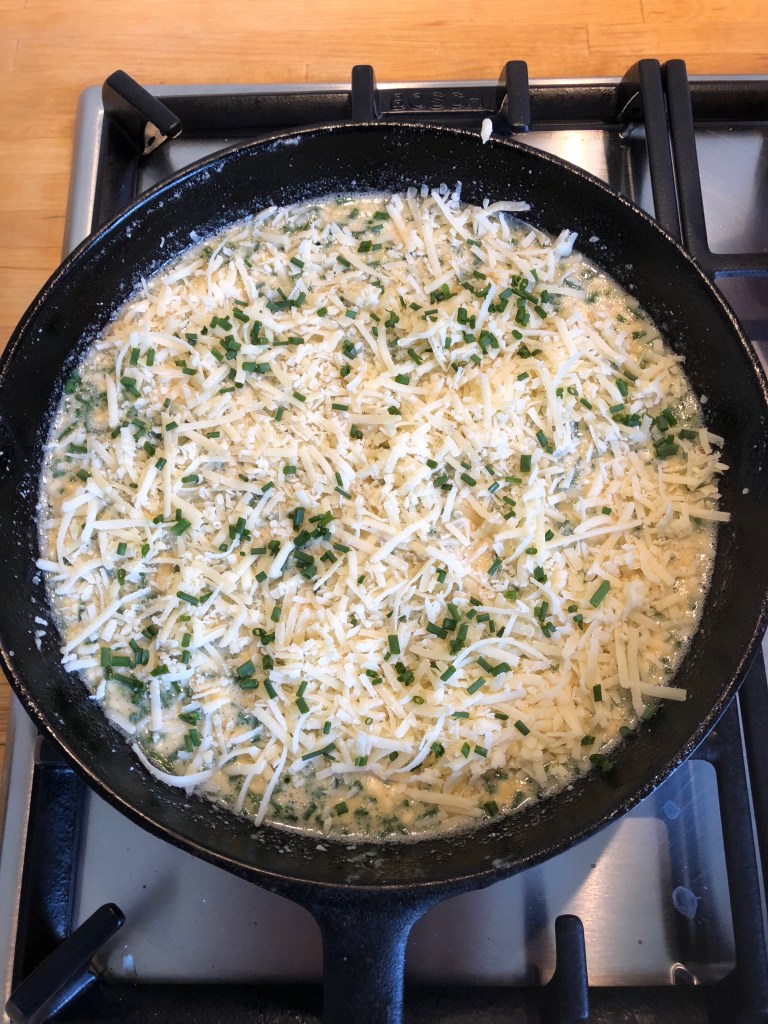


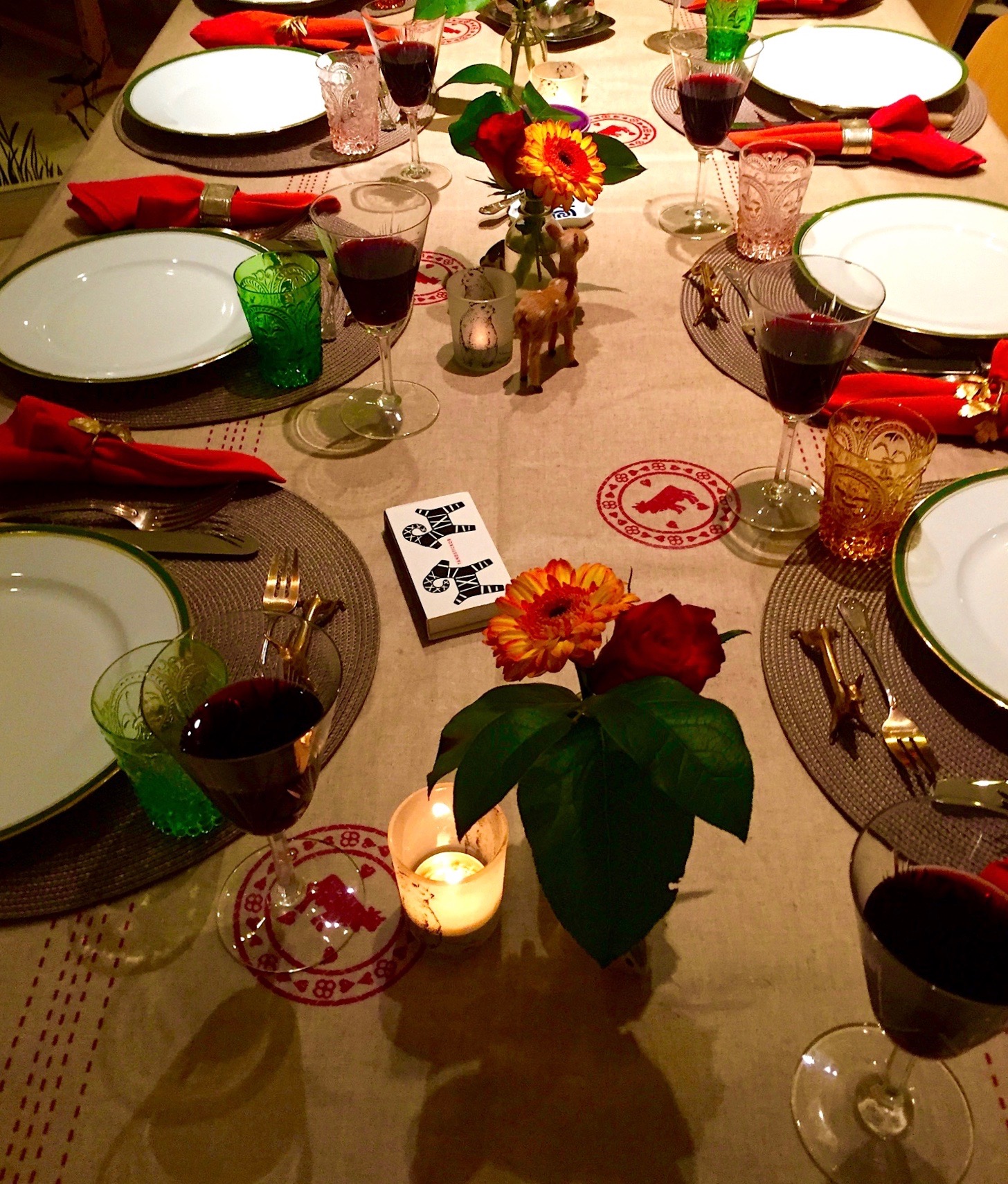
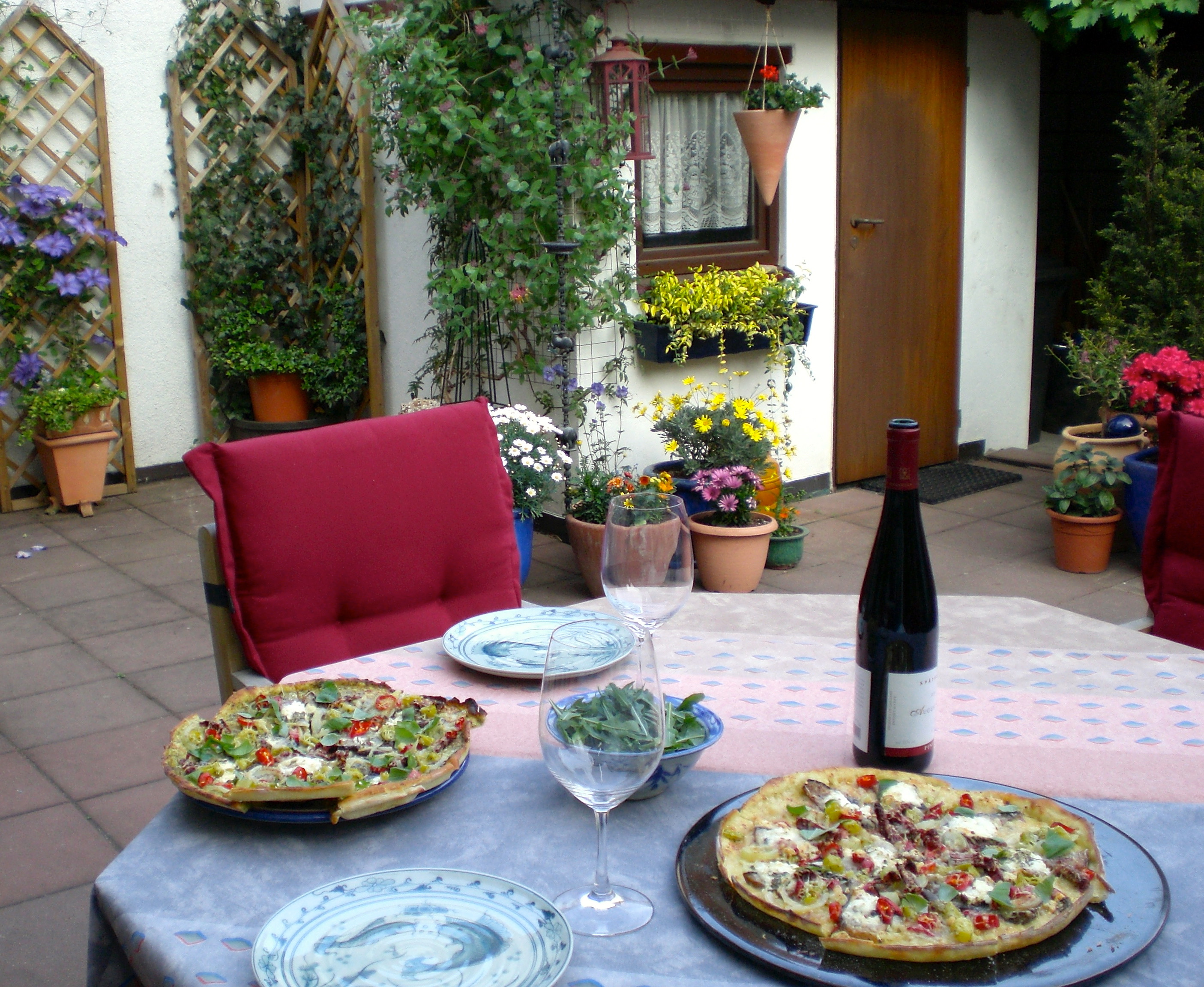

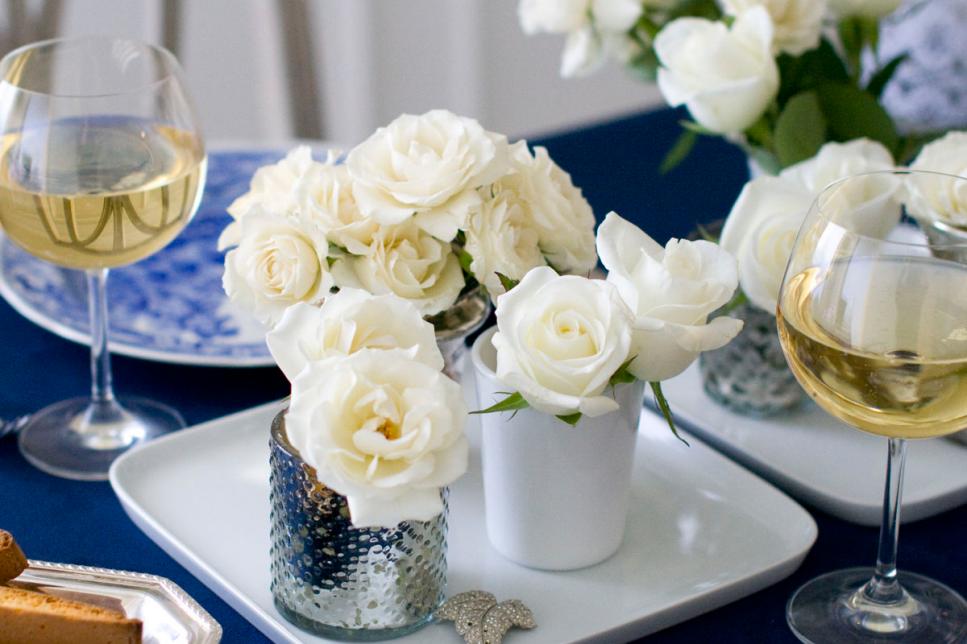


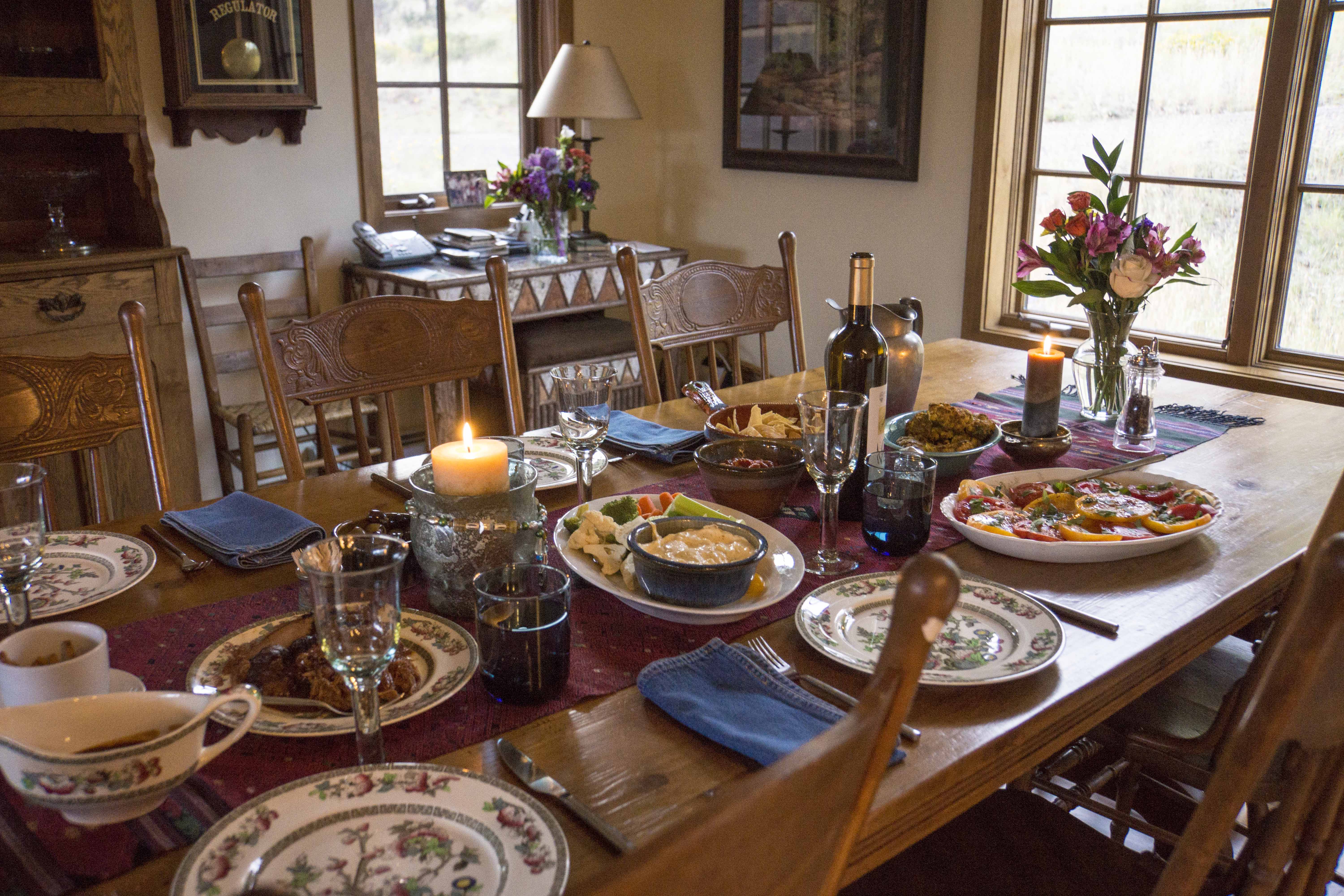
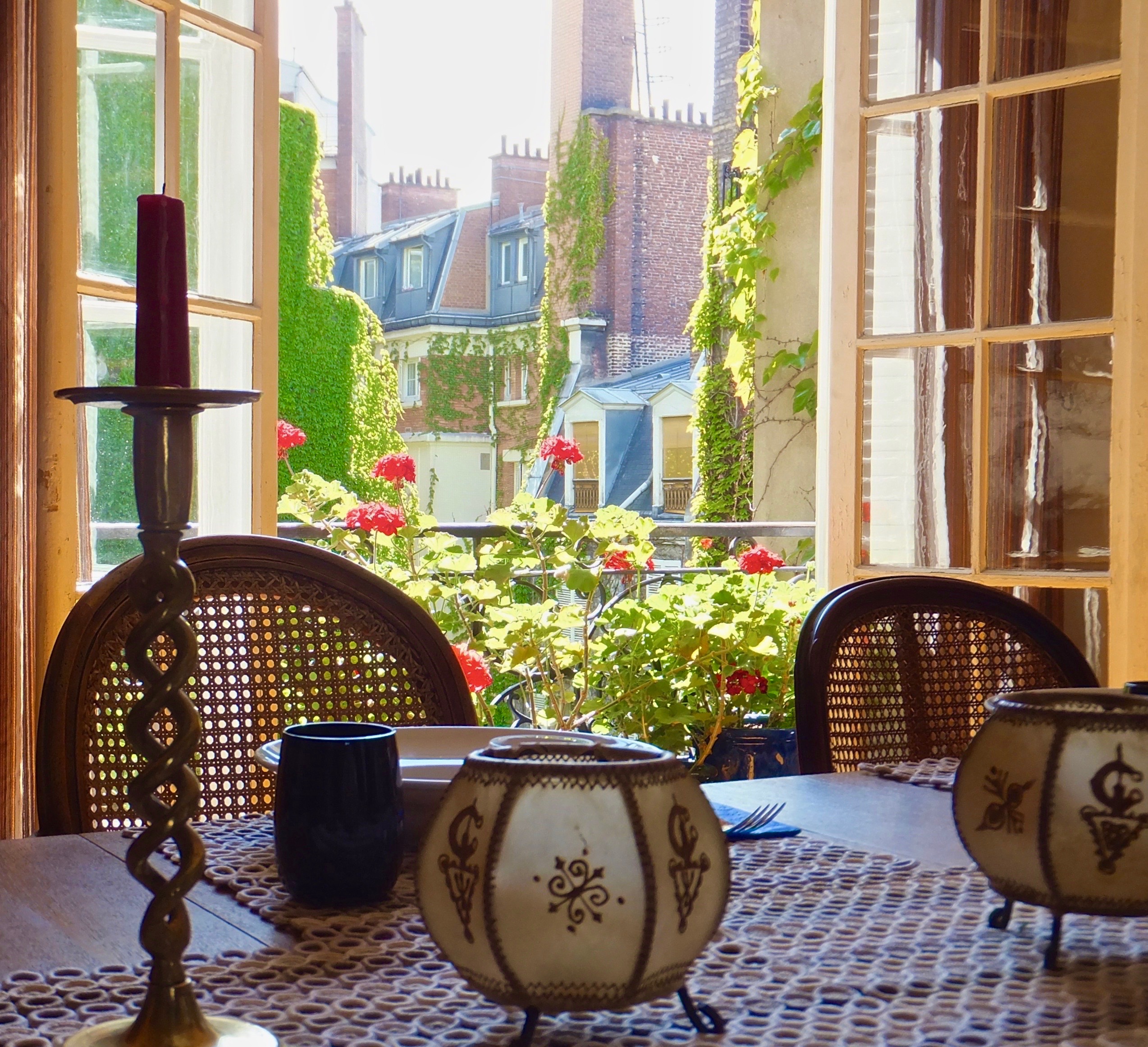








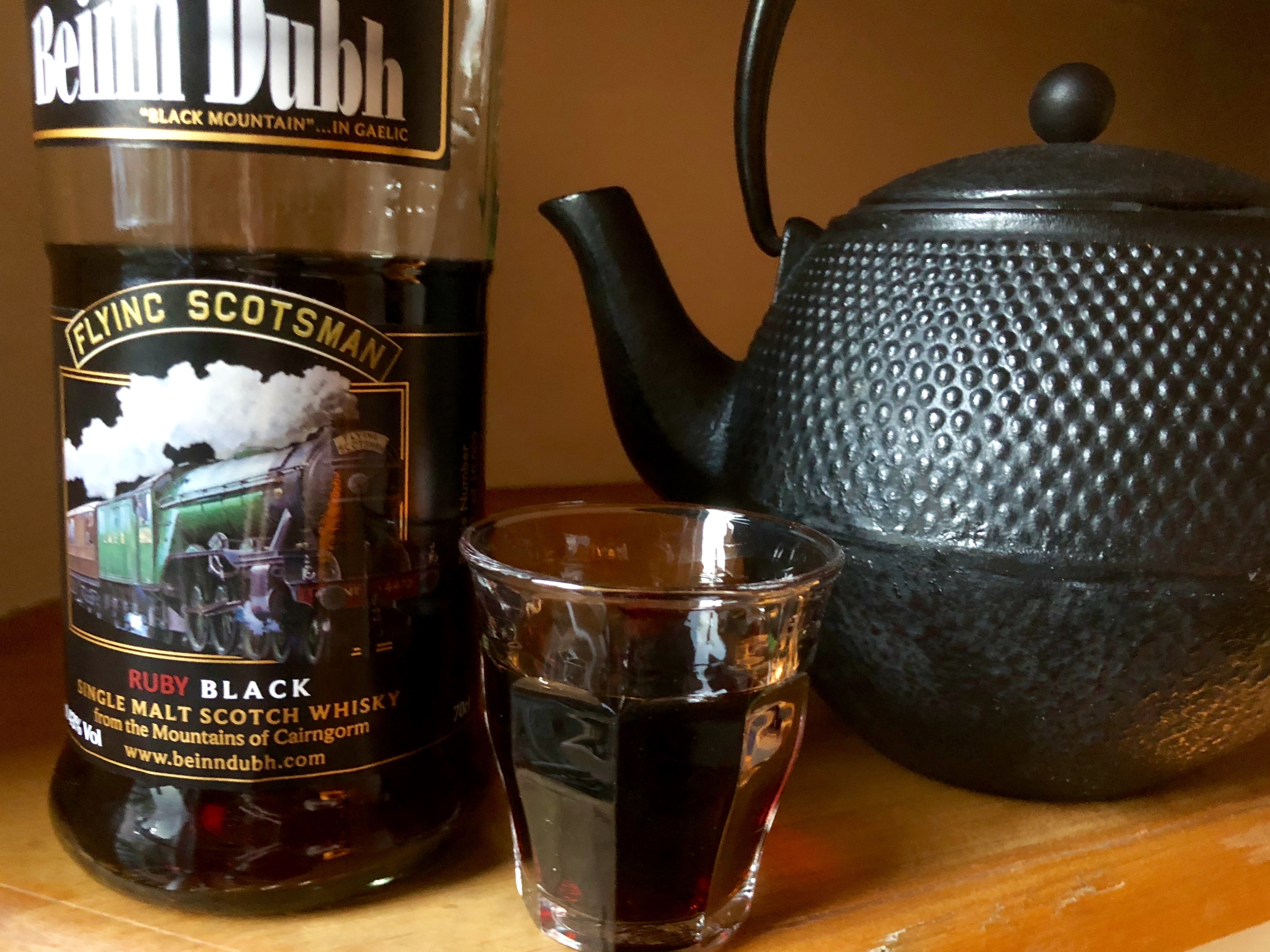
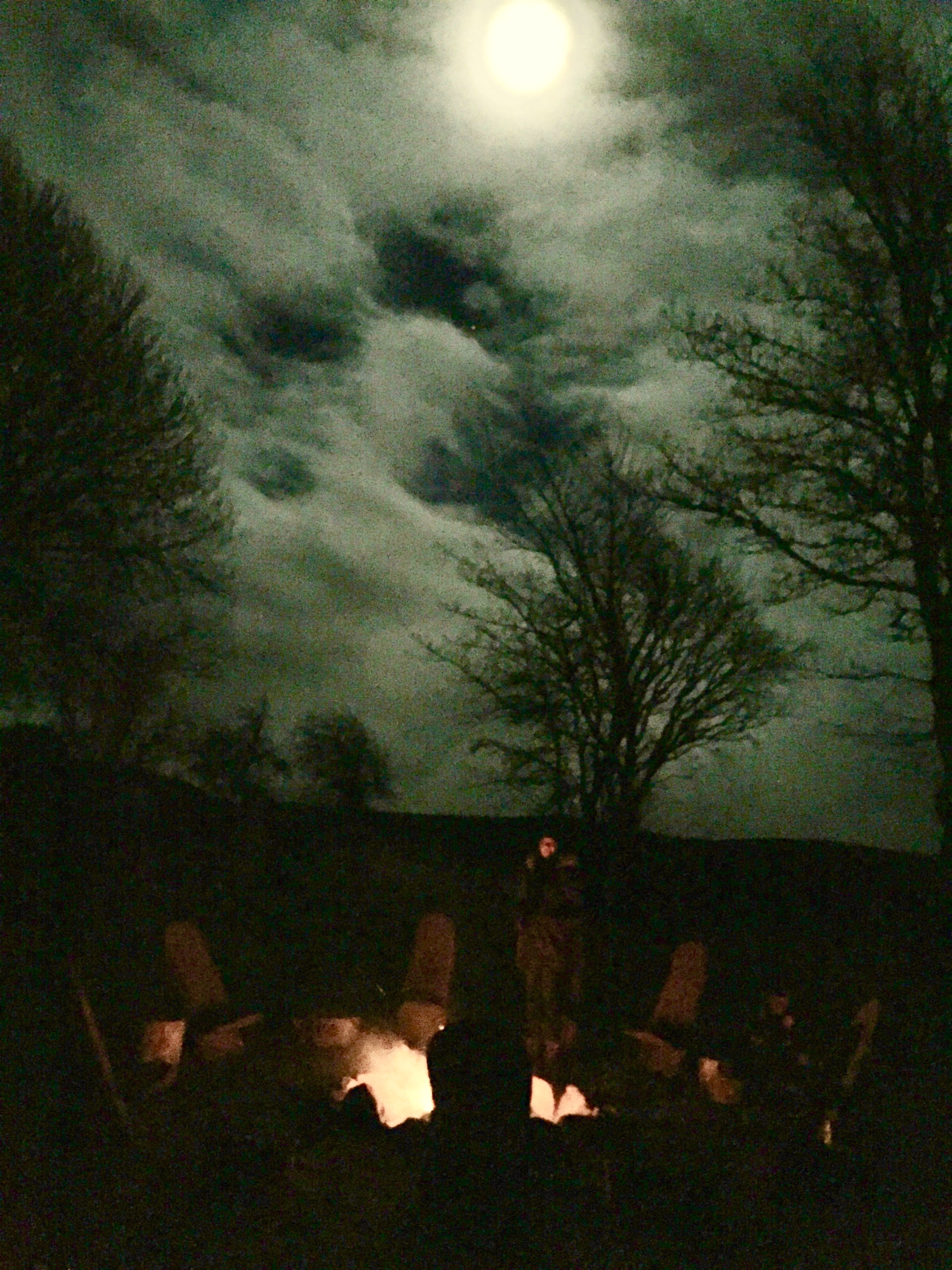
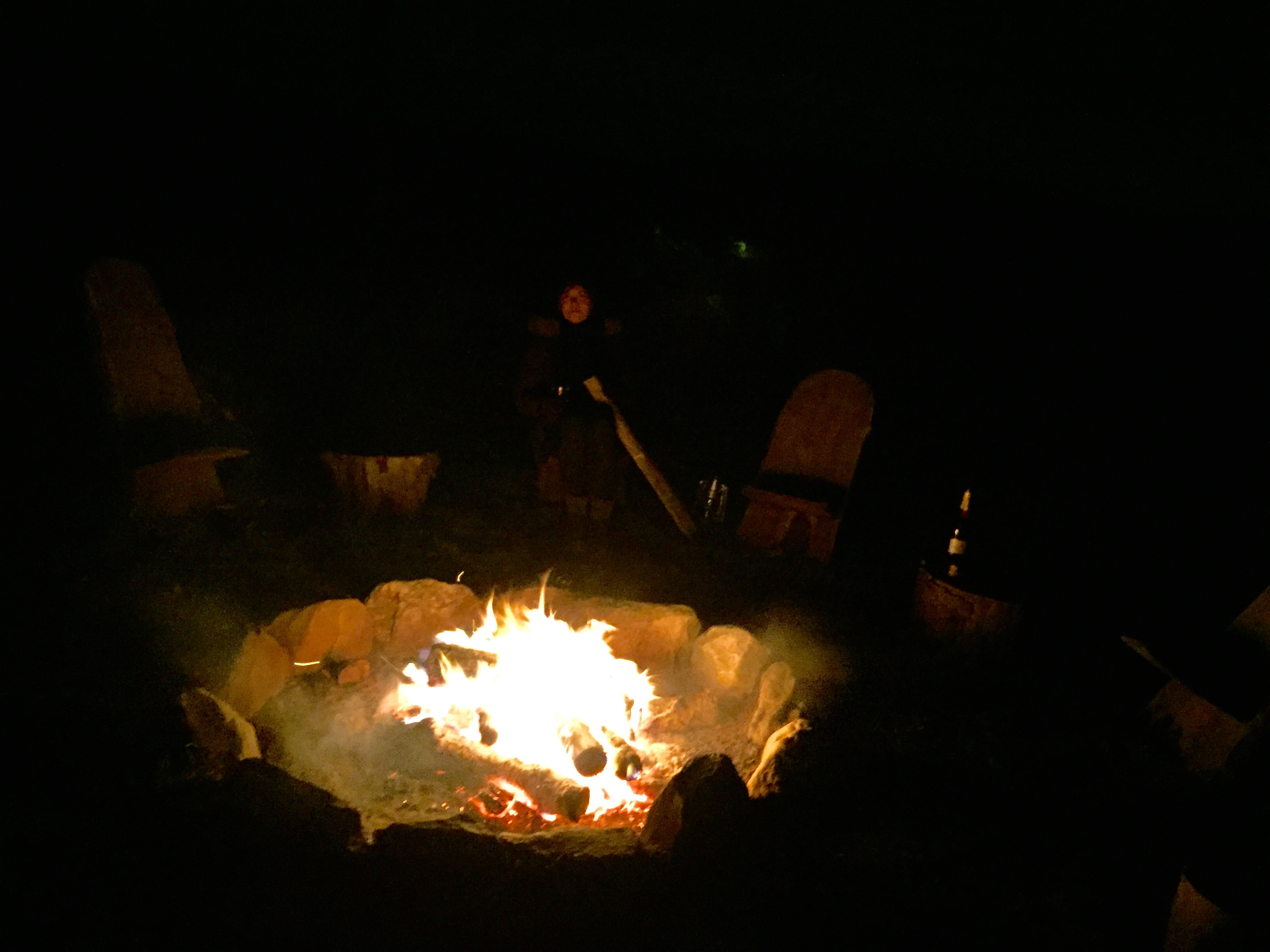

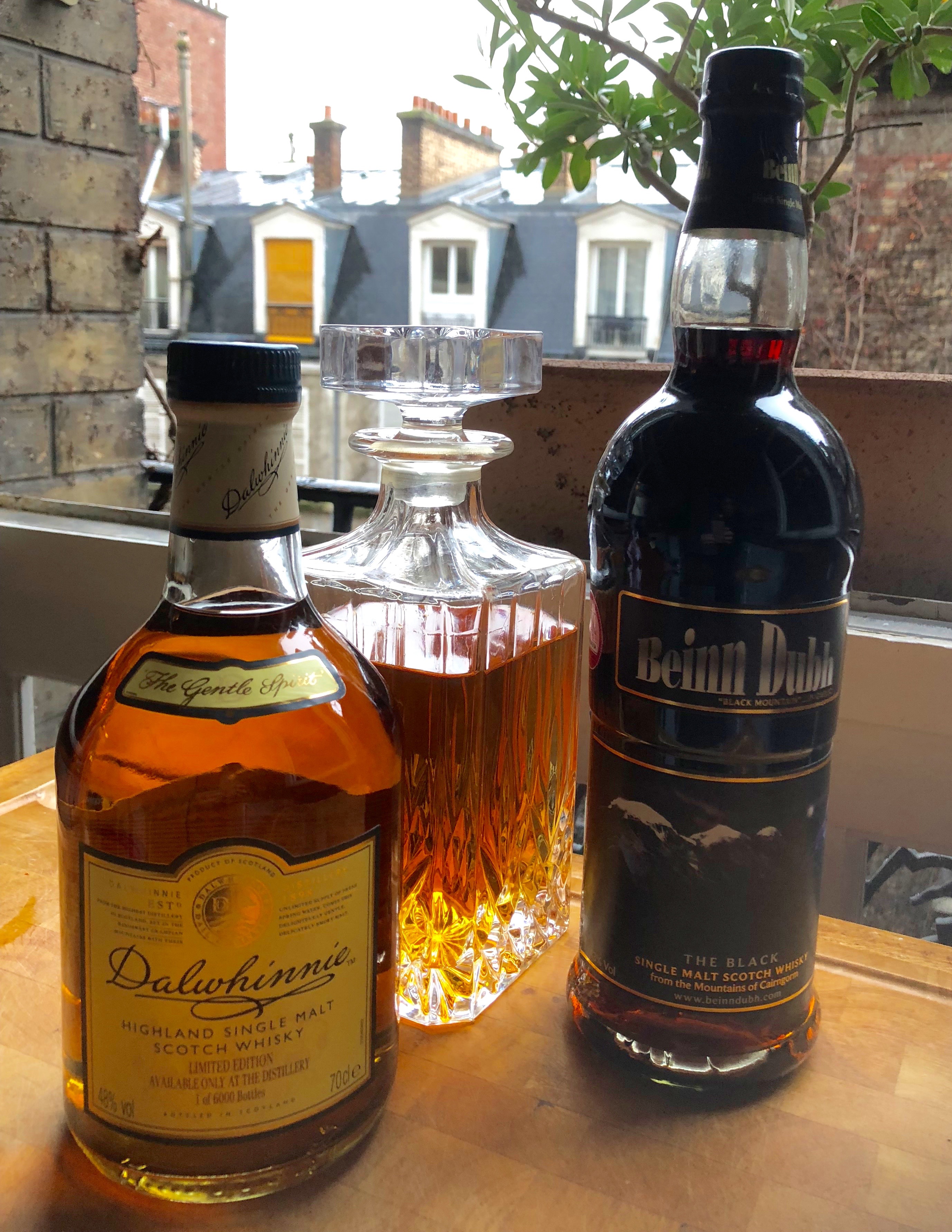





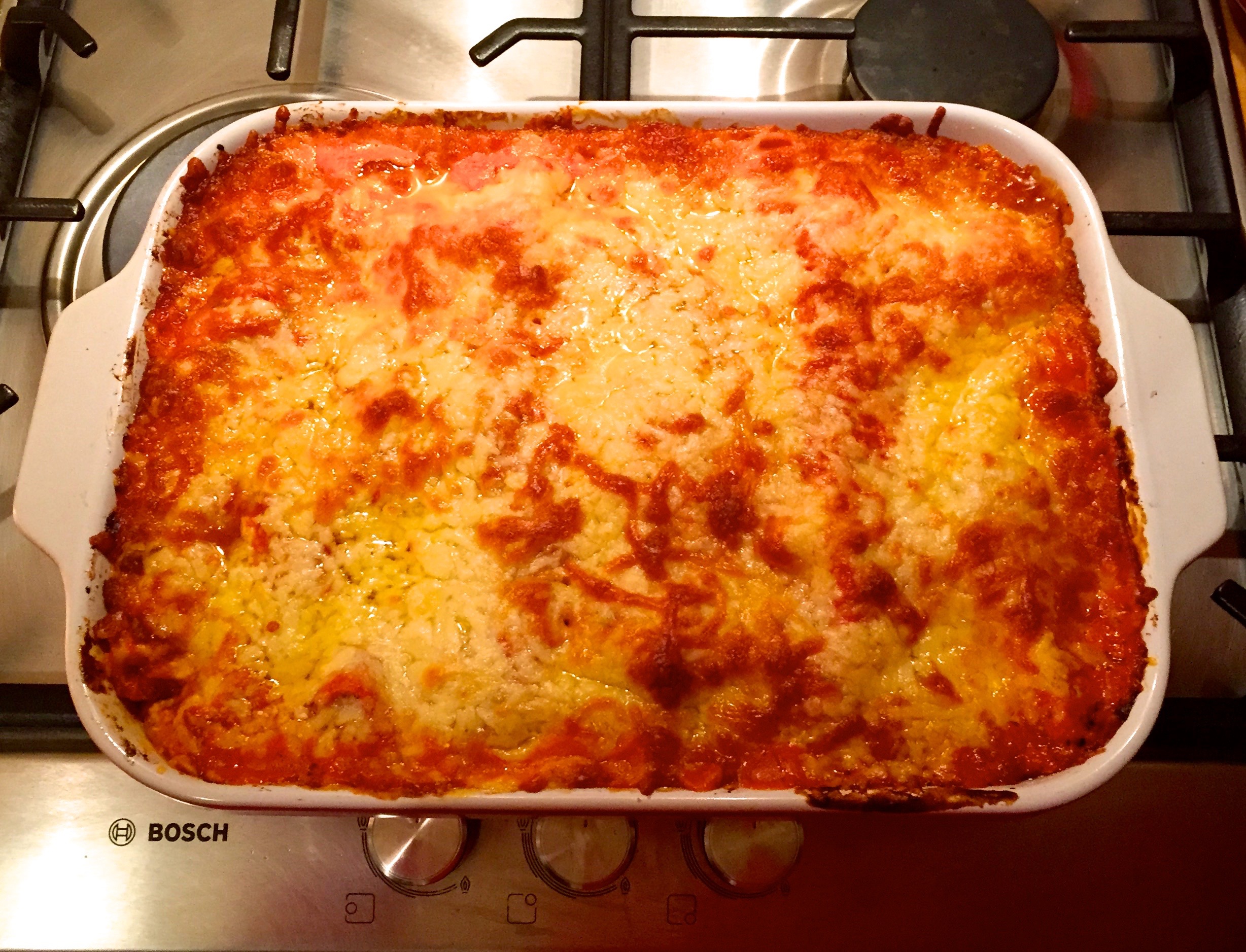


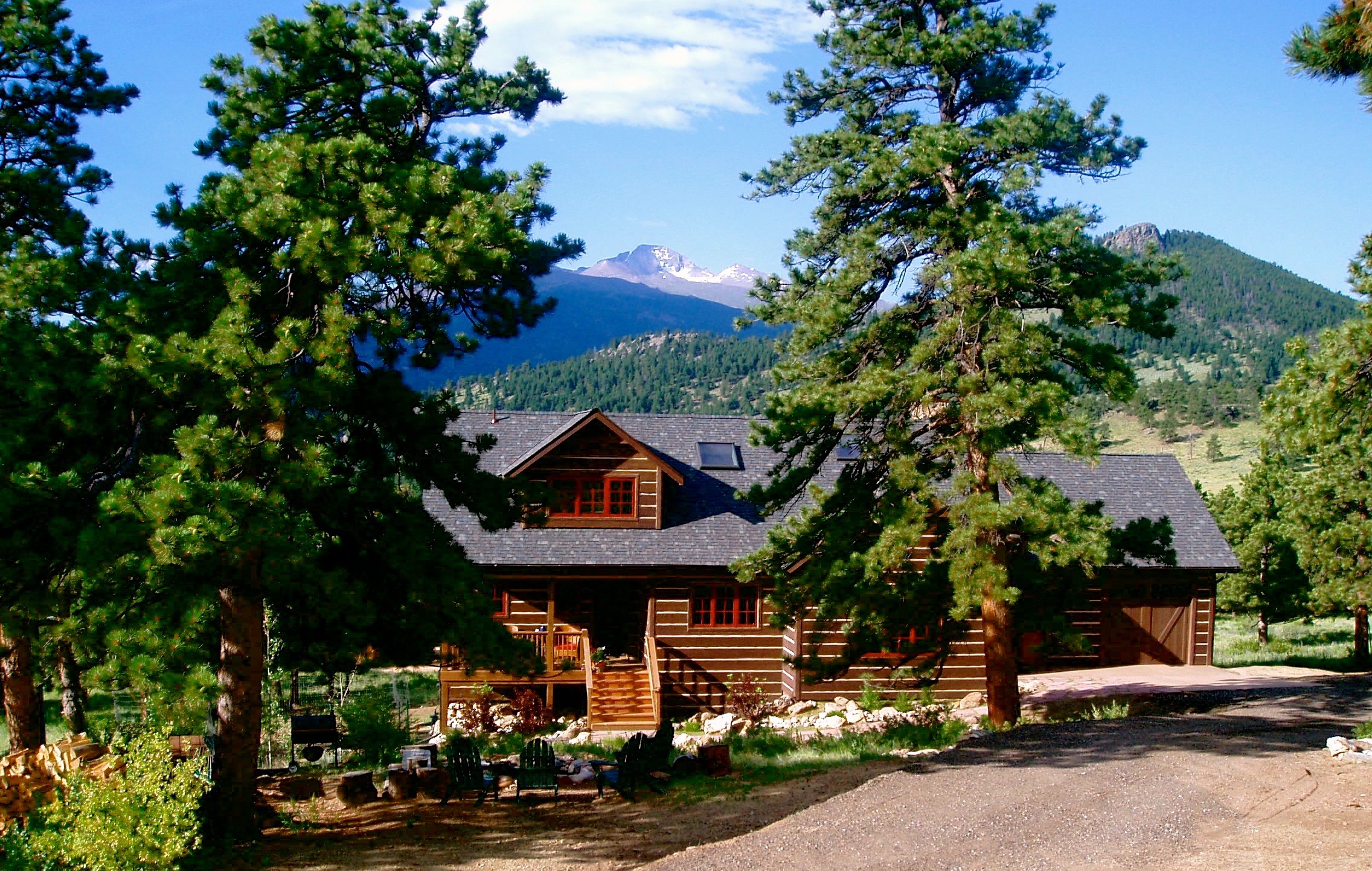

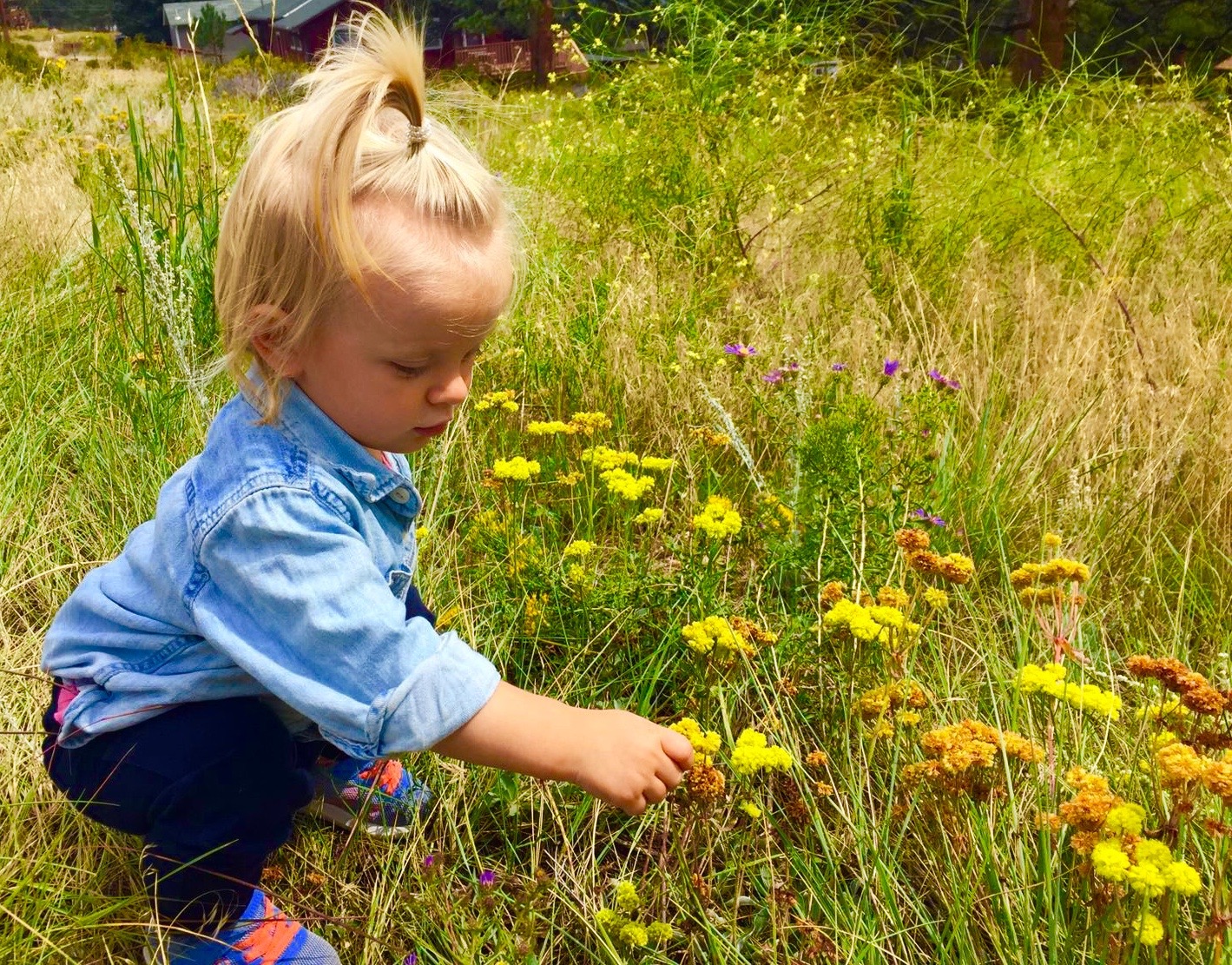


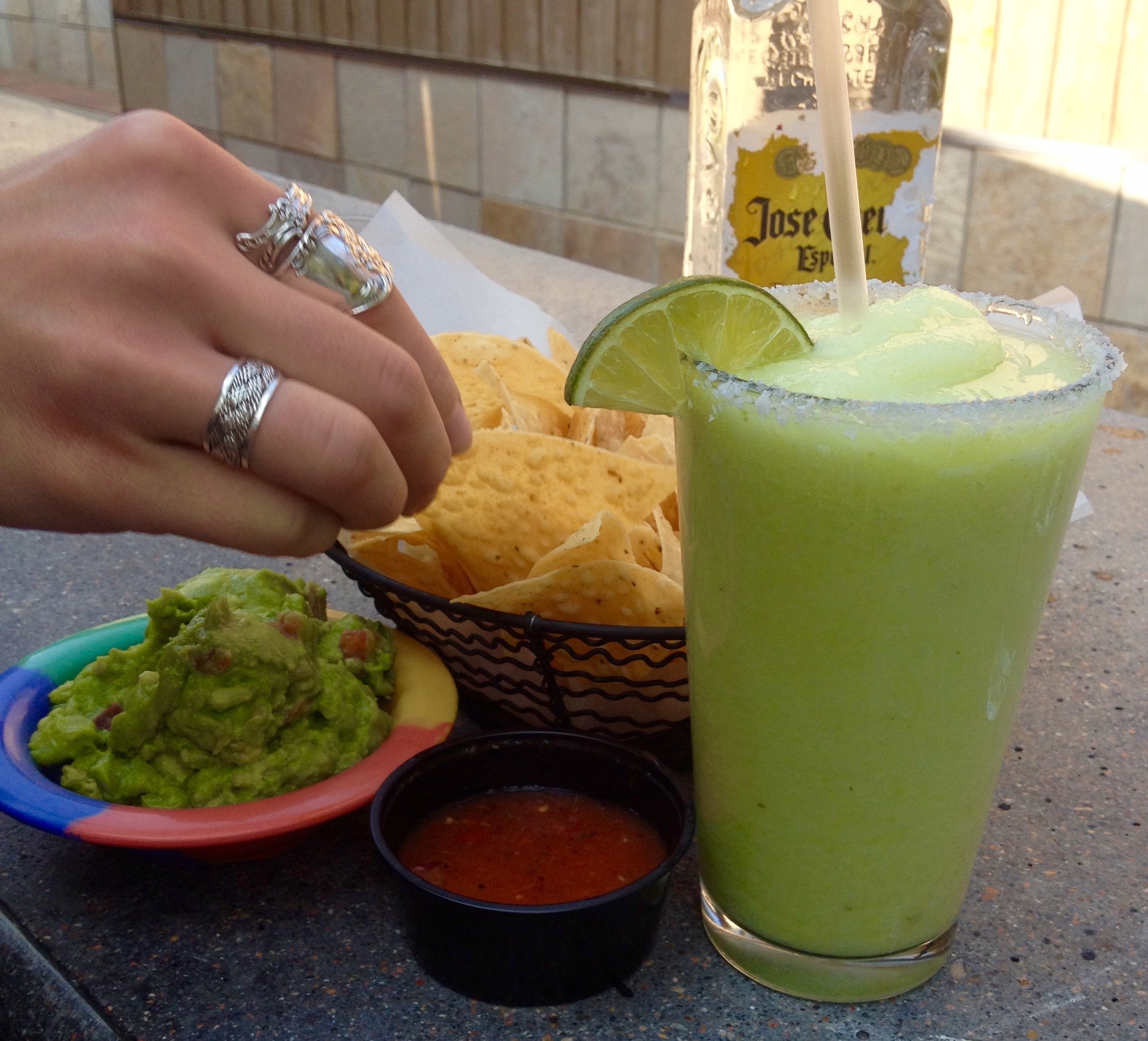
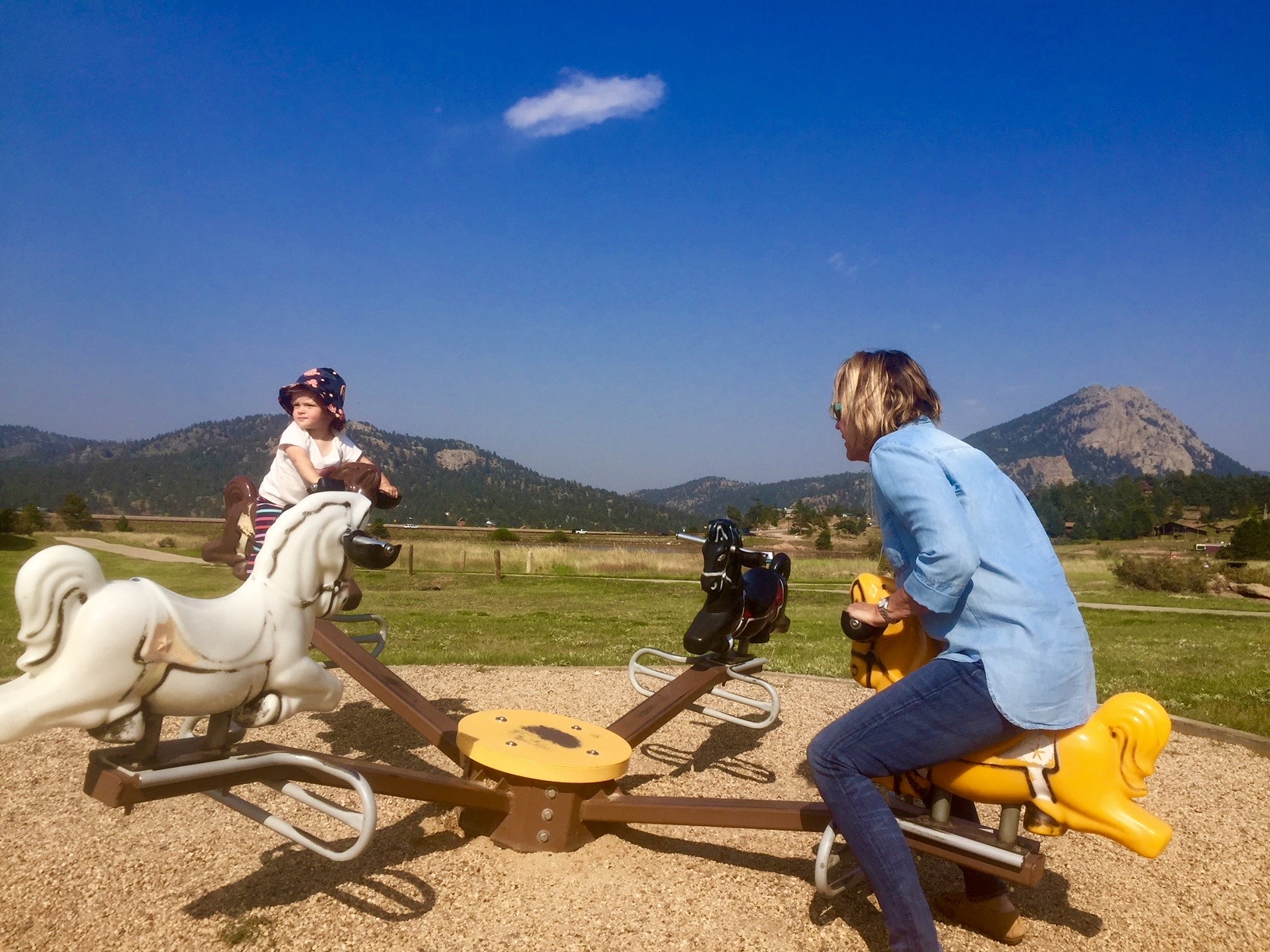




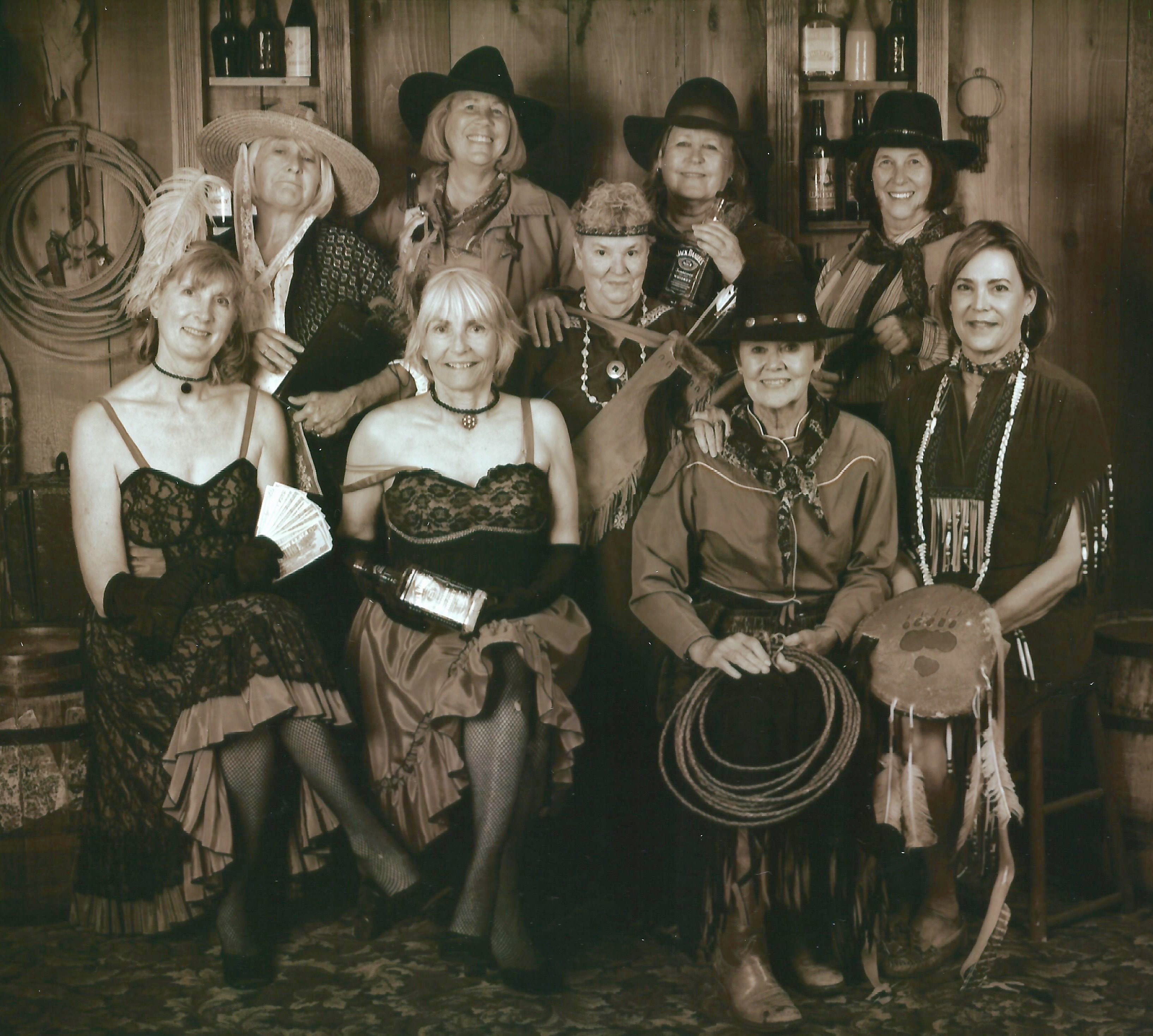



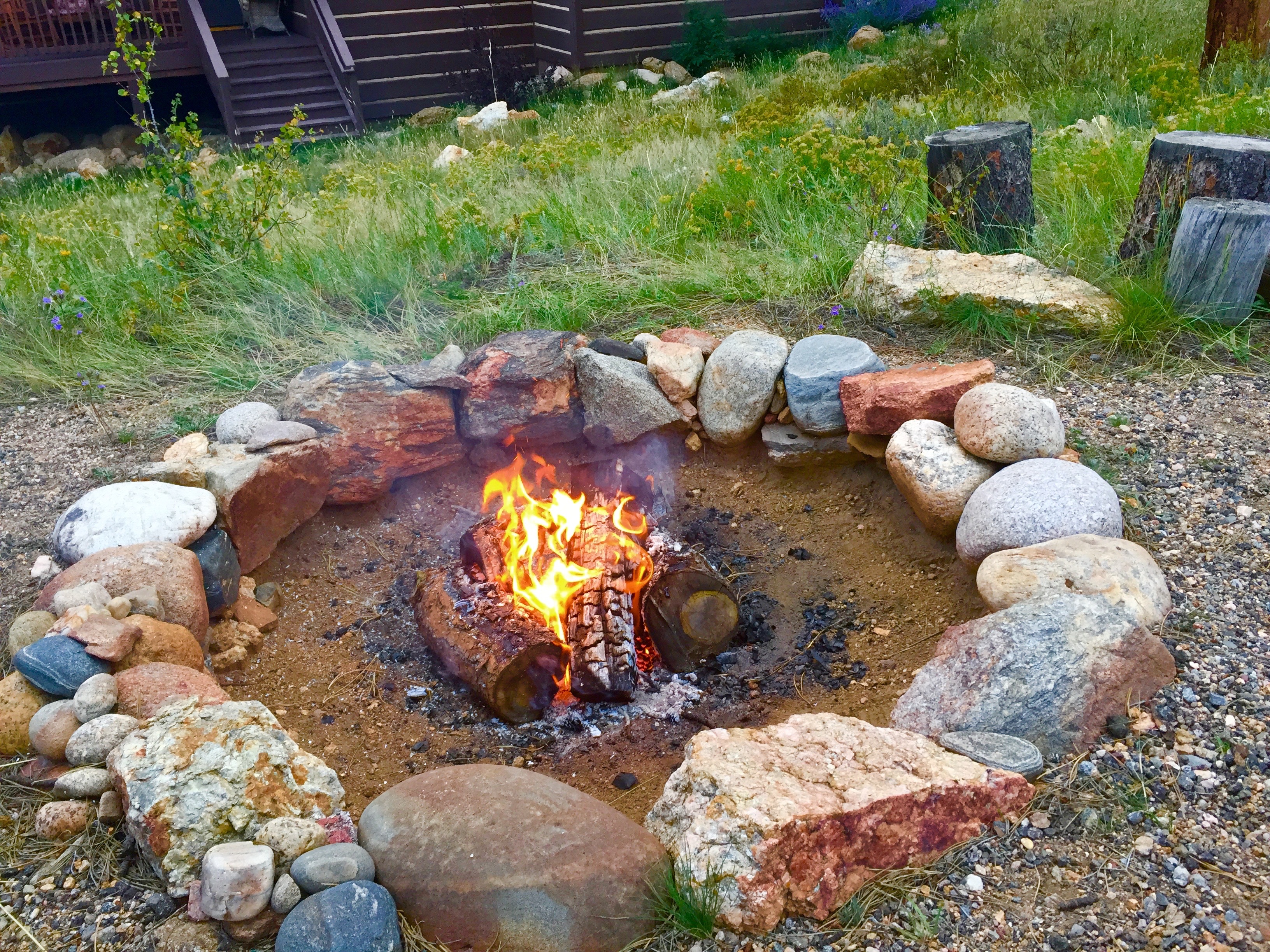
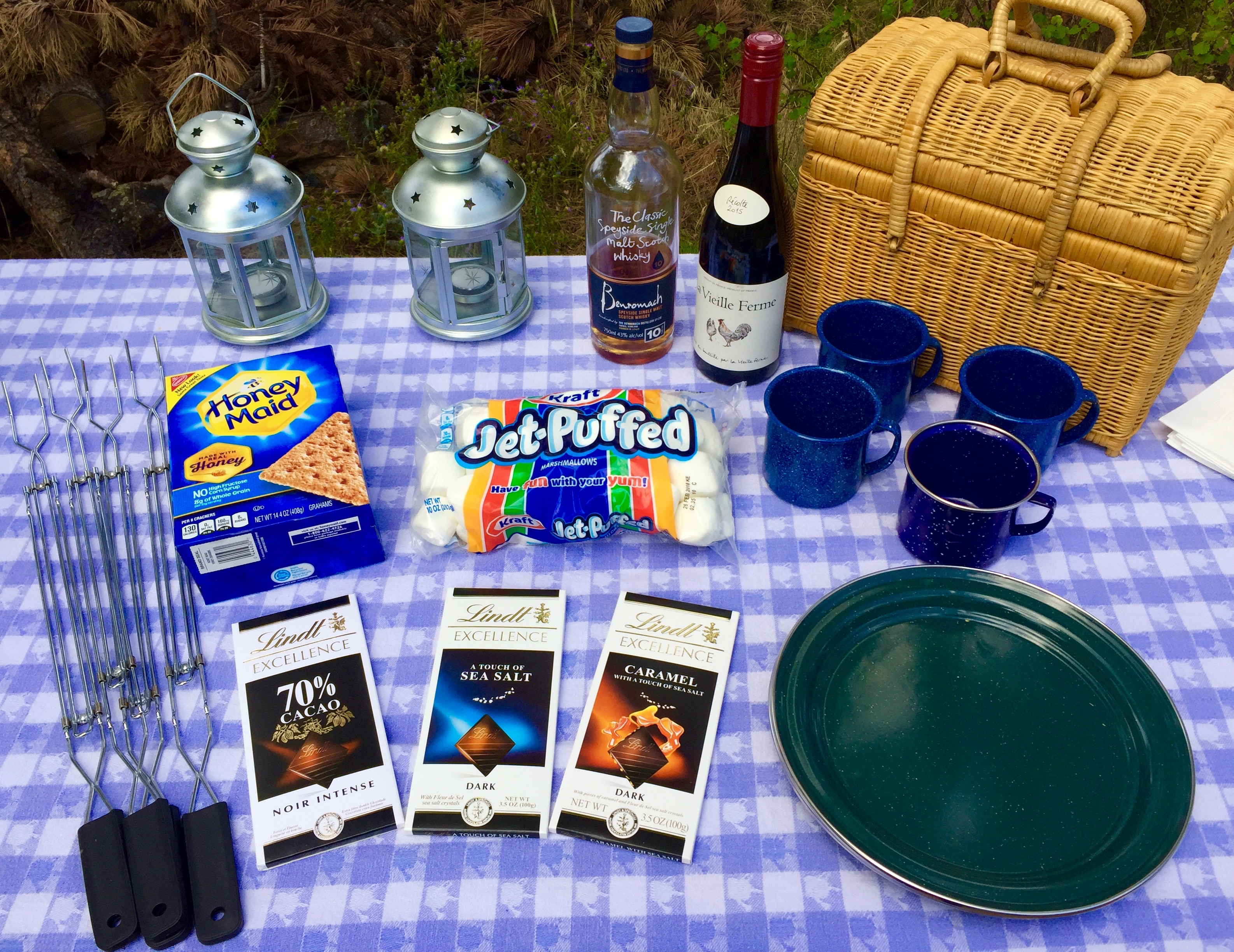
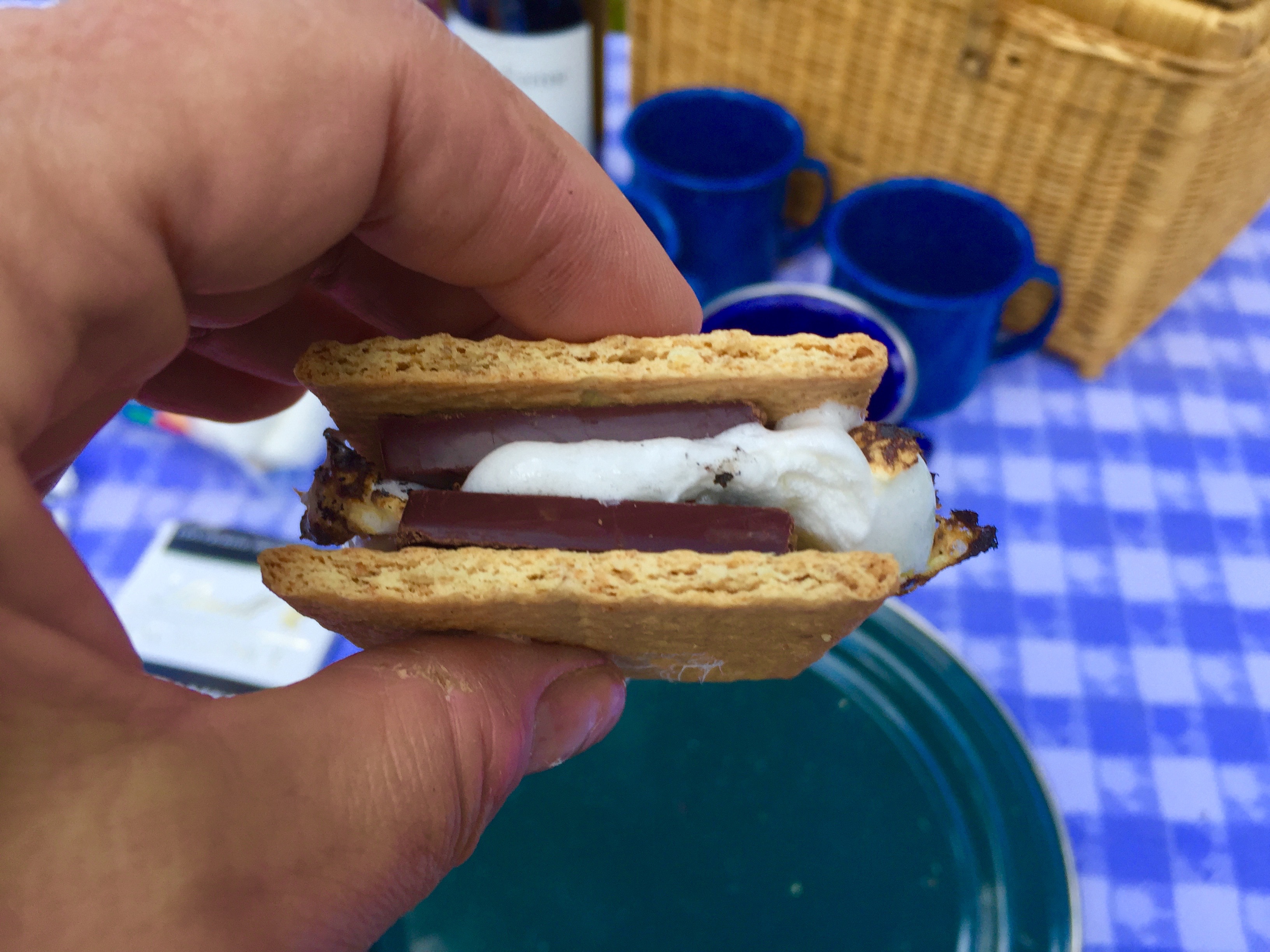




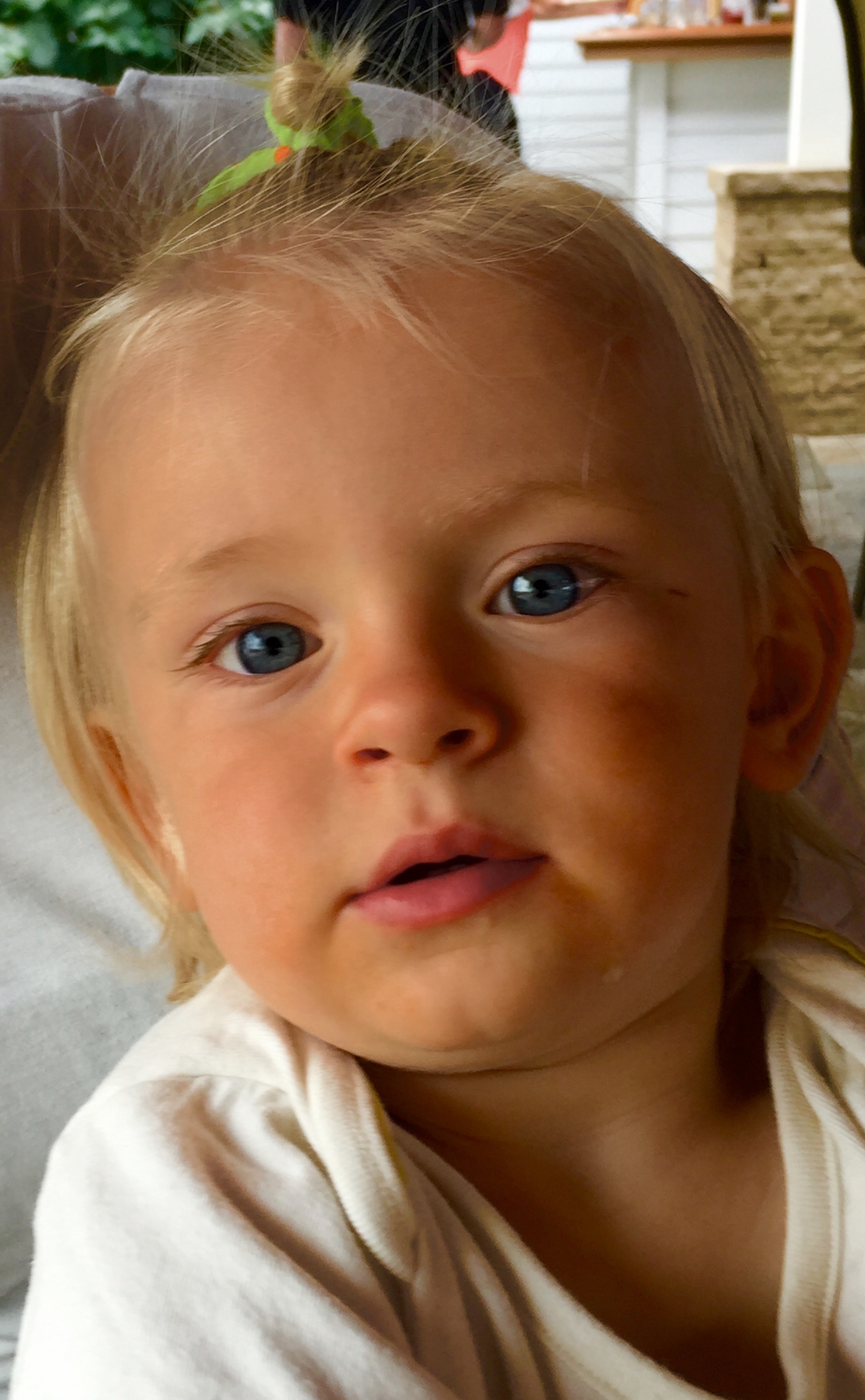



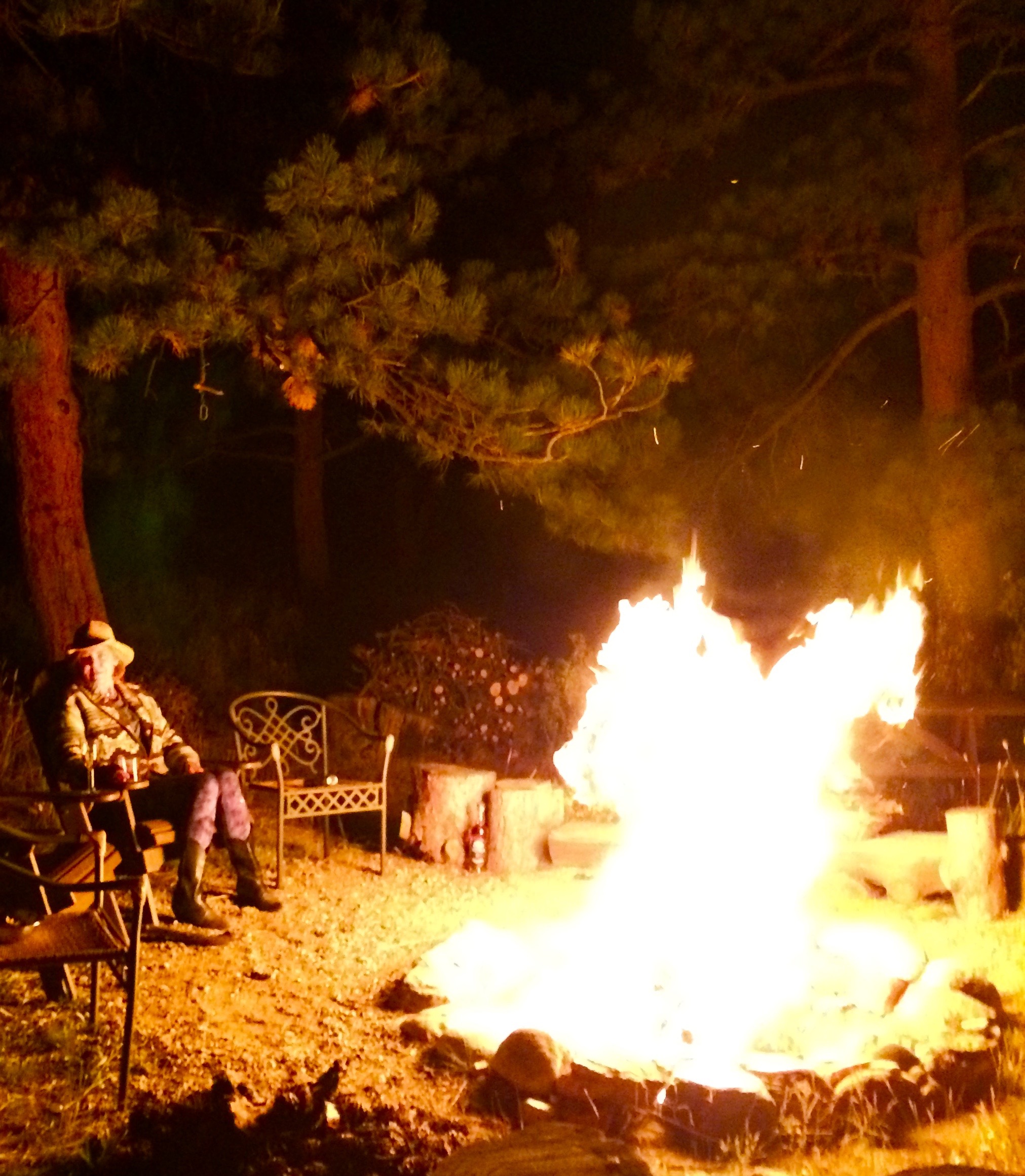


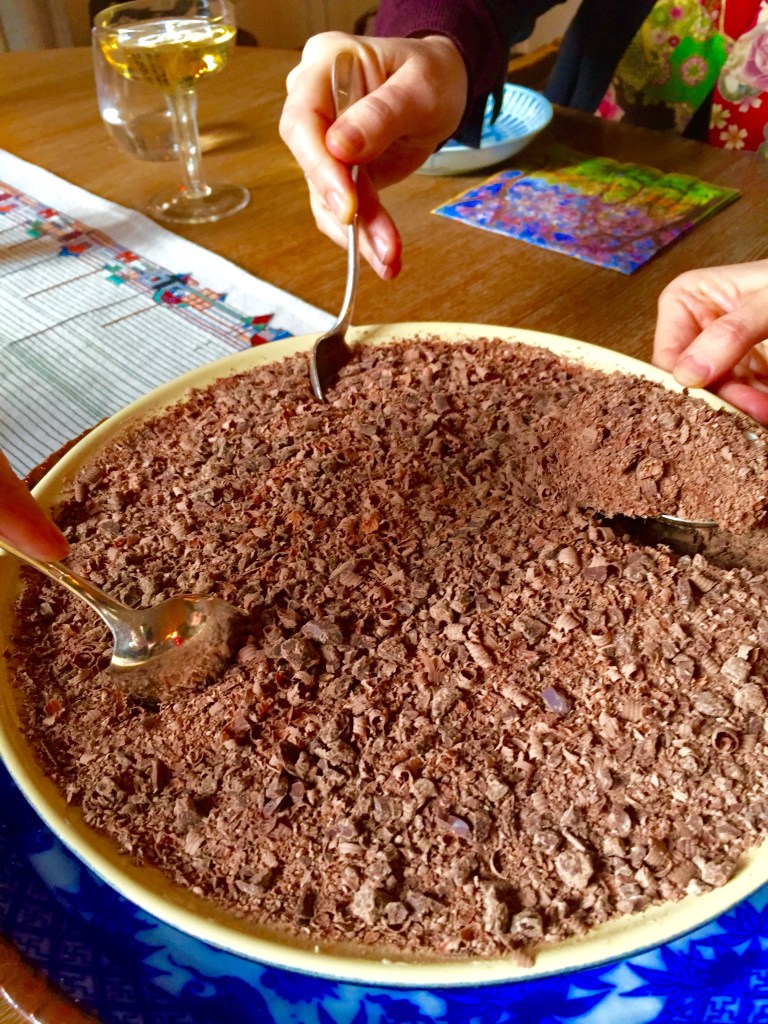

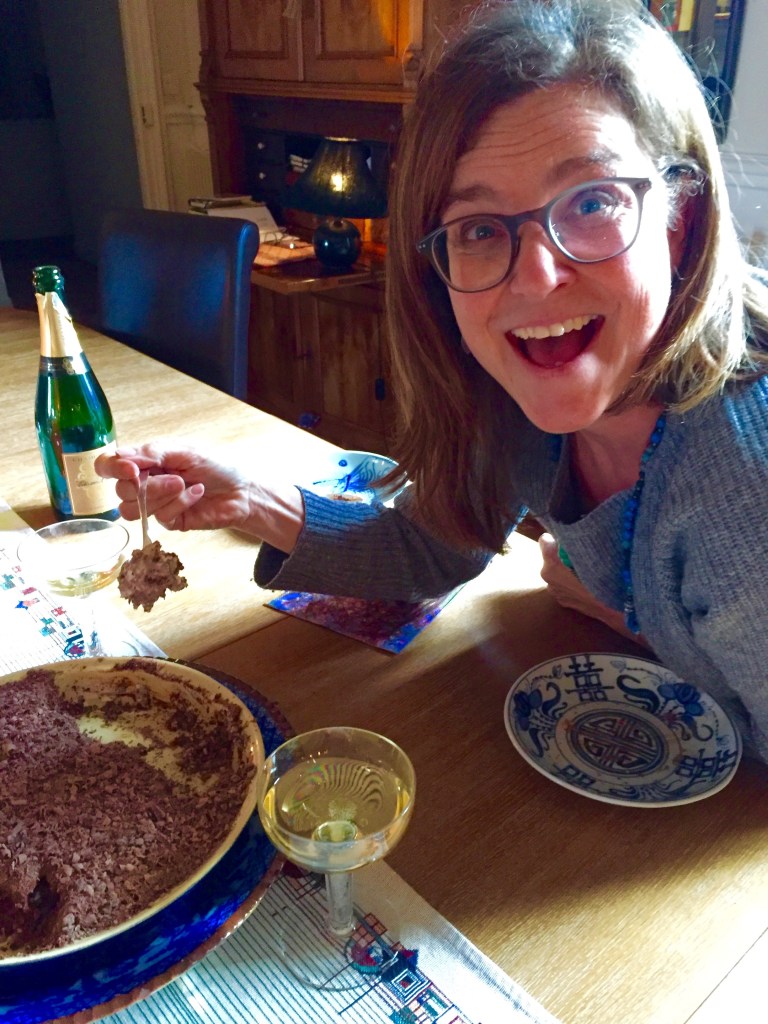

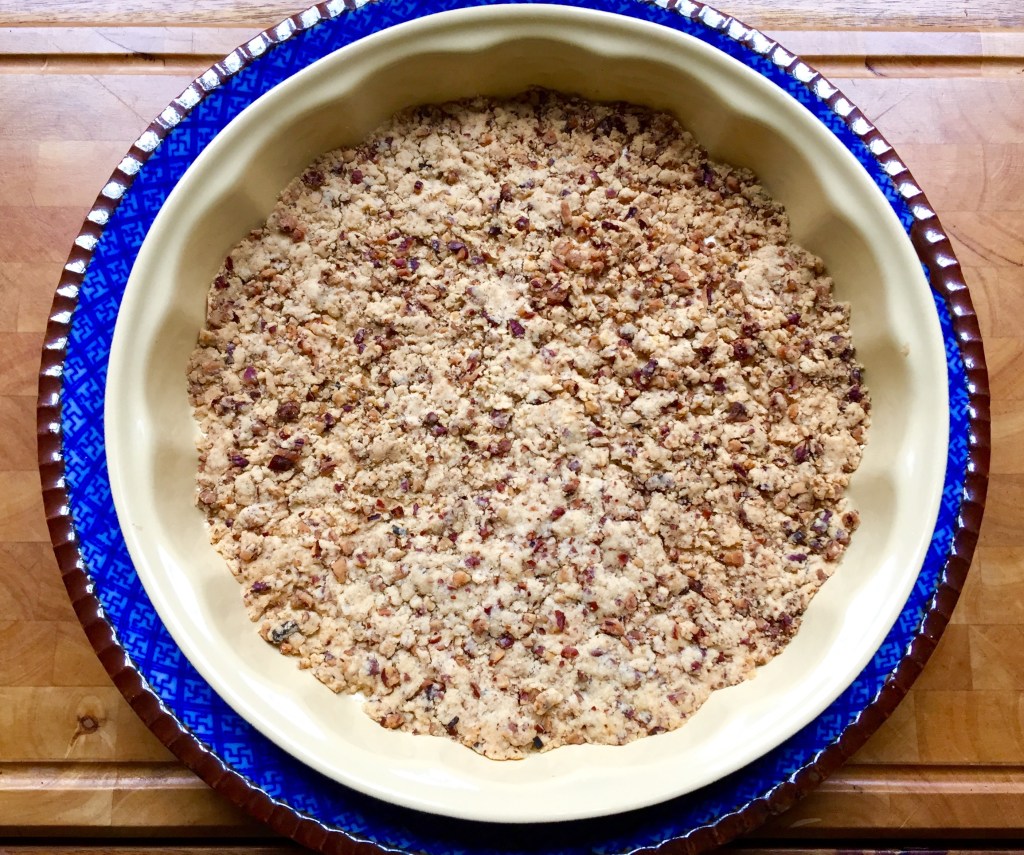


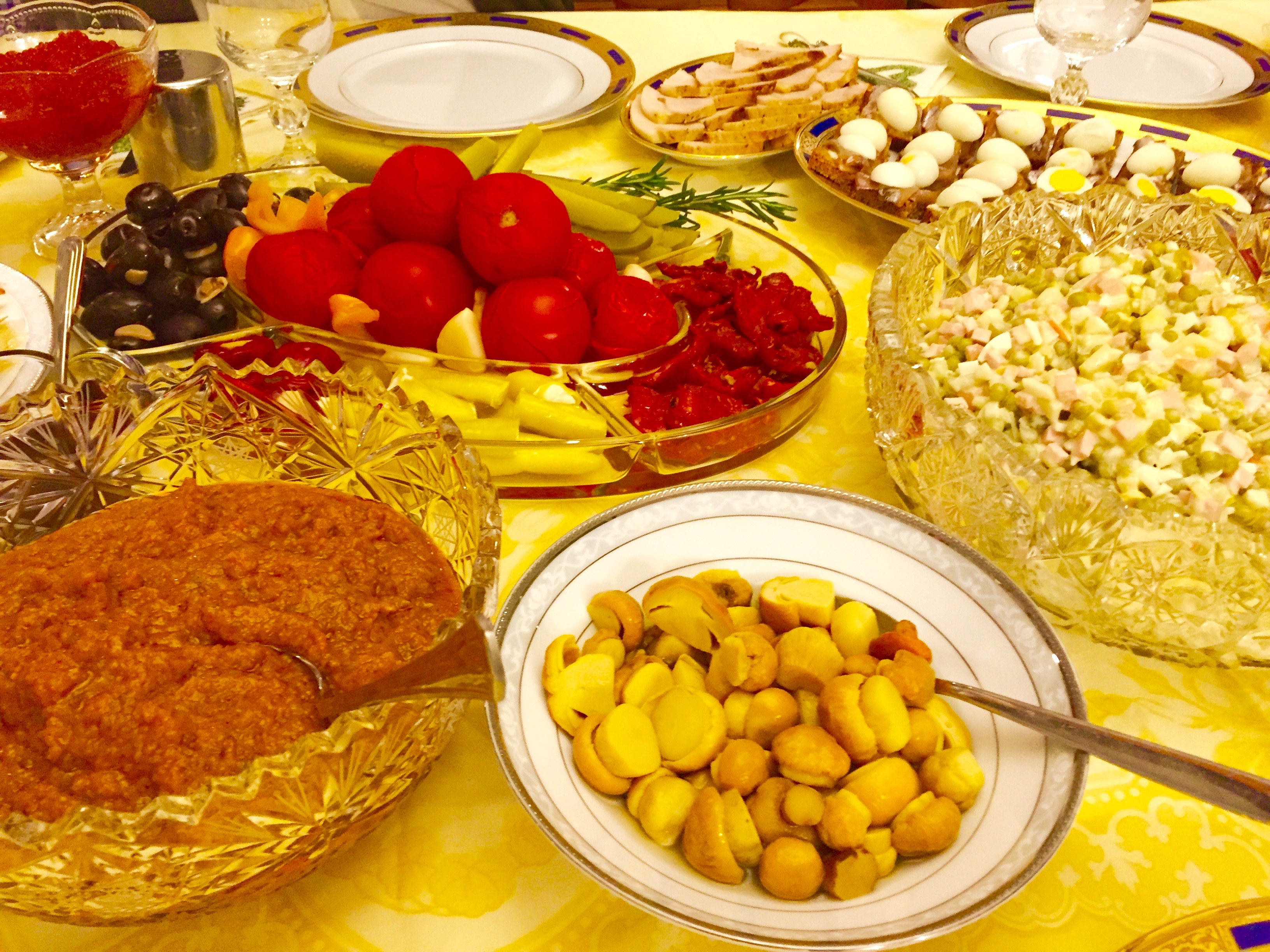
![anna, leila, babushka [vera]](https://i0.wp.com/atasteofmind.com/wp-content/uploads/2017/01/img_6671.jpg?w=334&h=334&crop=1&ssl=1 "img_6671")