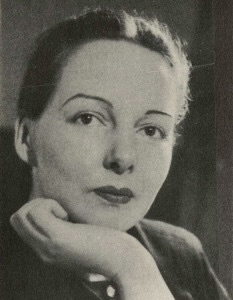
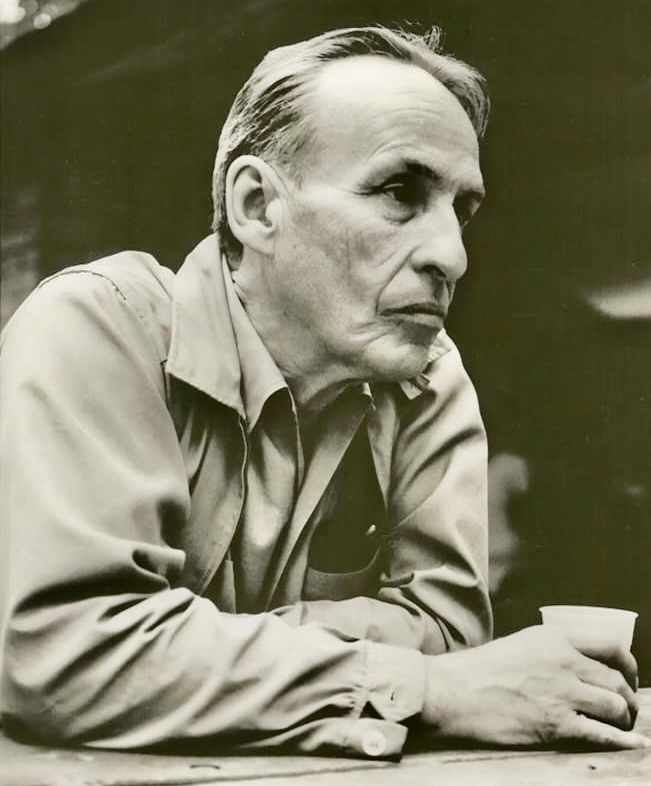
Several months ago, I submitted an essay to a Creative Writing Contest sponsored by the M.F.K. Fisher Foundation. Anyone who knows me, or who has glanced at my stories, knows that Mary Frances Kennedy Fisher (1908-1992) is my writing mentor who lived in the last century. She wrote 27 books over her lifetime on the topics of France, food, travel and memoir. Second to Fisher, I am also inspired by the works of authors Norman Maclean (A River Runs Through It and Other Stories, Young Men and Fire) and Amor Towles (A Gentleman in Moscow, Rules of Civility, and The Lincoln Highway). Both craft stories with wordsmanship I love.

This year’s contest writing theme was “Fire”. The requirements were that it had to be an original work and unpublished anywhere else. A maximum number of 250 words was allowed. There were 200 entries from 22 countries.
I don’t know where my story landed in the “no win” pile, but it freed me to re-write and self-publish this story about fire and Girl Scout campouts during adolescent years.
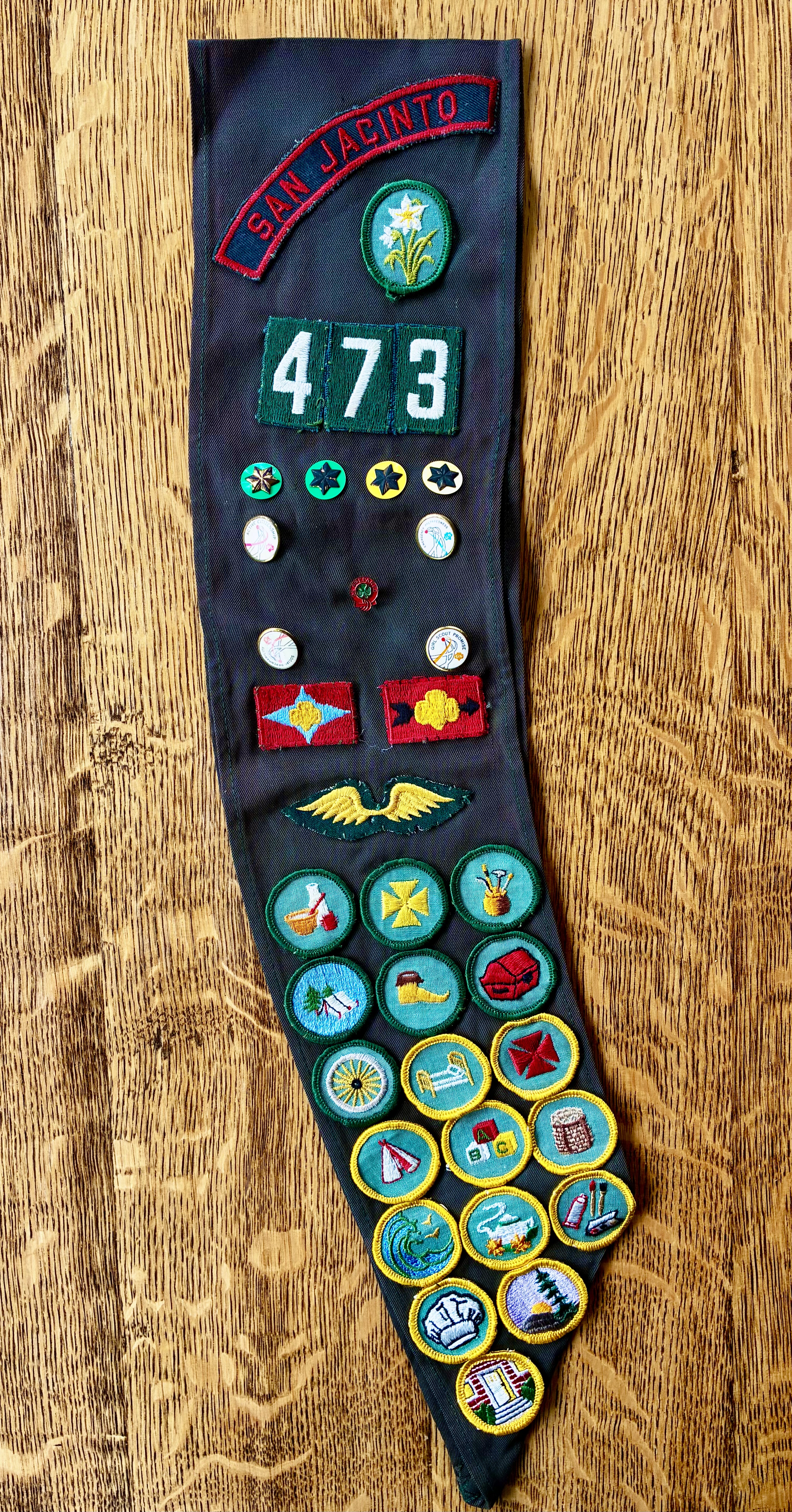
It was my Texas girlfriend, Kathy, who suggested several years ago during a Colorado visit that I write something about campfires. The small group of women sitting in a semi-circle around our family-built-stone-ringed-firepit had all been in the same Girl Scout troop during middle school and early high school years. Kathy’s mother, Joyce, was one of our leaders and a woman I admired very much while growing up.
Kathy reminded us that on Girl Scout camping trips we cooked our meals in a bean hole.
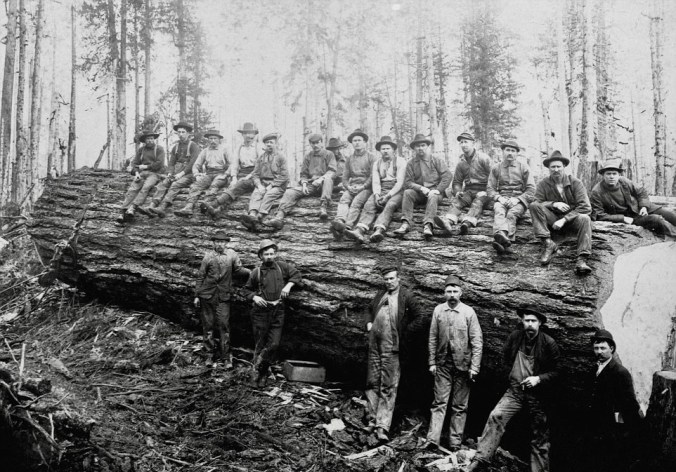
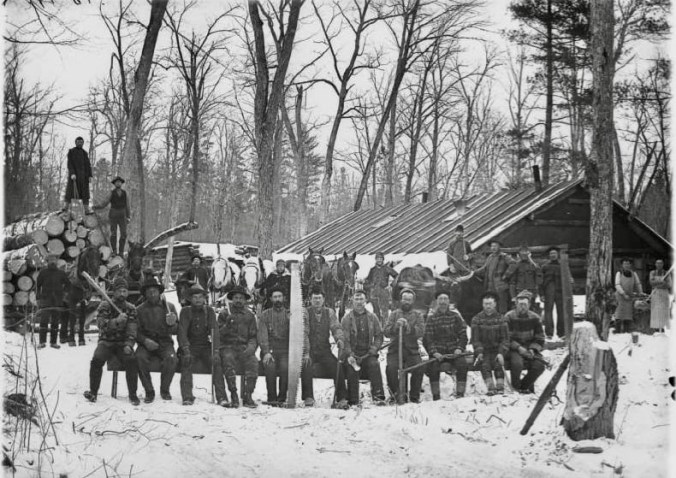
The custom of “cooking in a bean hole” originated more than 100 years ago, in Maine, as a method of feeding hungry lumberjacks. In a hole dug in the ground, a fire was laid and a pot of beans was slow cooked in a cast iron Dutch oven all day–the beginning of modern-day crock pot cooking.
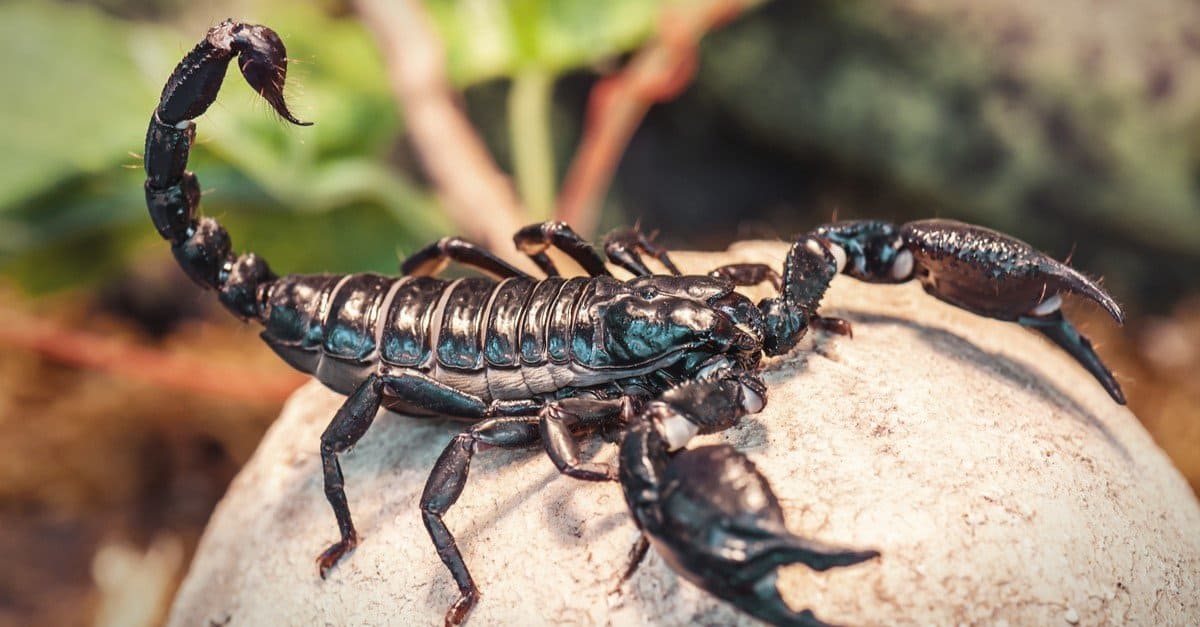
As Scouts in Houston, Texas, we almost always camped out in hot weather. Sleeping bags were lumpy cotton, and we usually slept on top of them. The biggest wildlife terror was scorpions–inside the tent. At bedtime we lay in a row three or four girls wide. Flashlights scanned the tent walls, corners, and ceiling for any threatening presence before lights out. If a critter with a curled poisonous stinger was spied in our combined beams, shrieks of “Scorpio! Scorpio!” echoed throughout the campsite. Bodies hurdled over each other to get out fast.
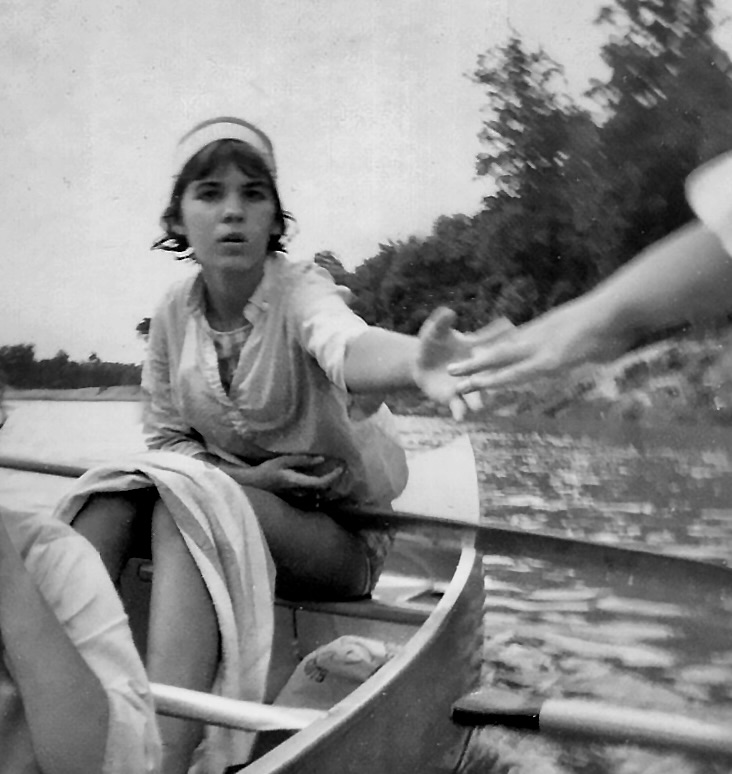
For five years, camping trips were one of my primary reasons for being a Girl Scout. First, we were away from home, with best friends, sleeping in tents, and sharing adventures. Secondly, we learned everything there was to know about campfires–laying, starting, tending and putting them out. But the best part of every campfire was sitting in a circle after dark telling ghost stories or singing songs in rounds or loud harmony. Favorites like “Barges”, “Spider’s Web”, “Kookaburra”, or “This Land is Your Land”.

Fire was central to the whole weekend camping experience, from morning to nightfall. Gathering kindling, stacking foraged sticks and dead wood from the surrounding area was an assigned chore, but seemed like a scavenger hunt.
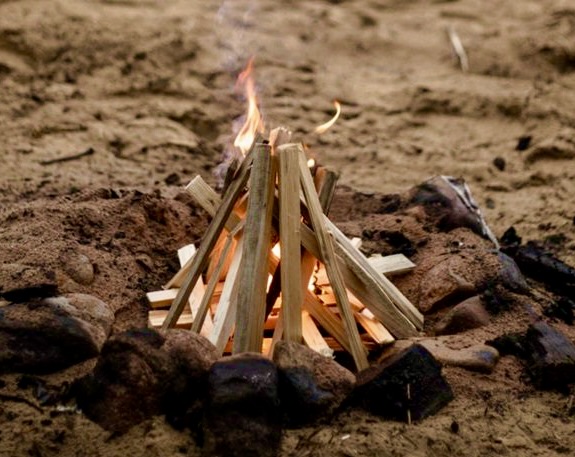
Campfires were laid in a particular style, with the designated name descriptive of its shape. The Teepee was a three-dimensional triangle like an Indian teepee with kindling inside the base. The Log Cabin featured firewood stacked in a square pattern, crossing in opposite directions on every level until it was several layers tall, like a cabin wall.

Planning, preparing, and staging our “bean hole” supper began in the morning. First, a hole deeper and wider than a cast iron Dutch oven was dug near the breakfast campfire. The base of the hole was layered with red-hot burning coals and more firewood. The “cooking” team dumped canned beans, cut up carrots and onions, vegetable soup, hamburger and water into the black pot. The lid was fitted with a layer of aluminum foil to keep it secure, then placed in the hole, covered with more hot coals and buried under a layer of dirt to seal it in securely. There we left it, all day, while we headed off hiking, swimming, canoeing or some other nature adventure.
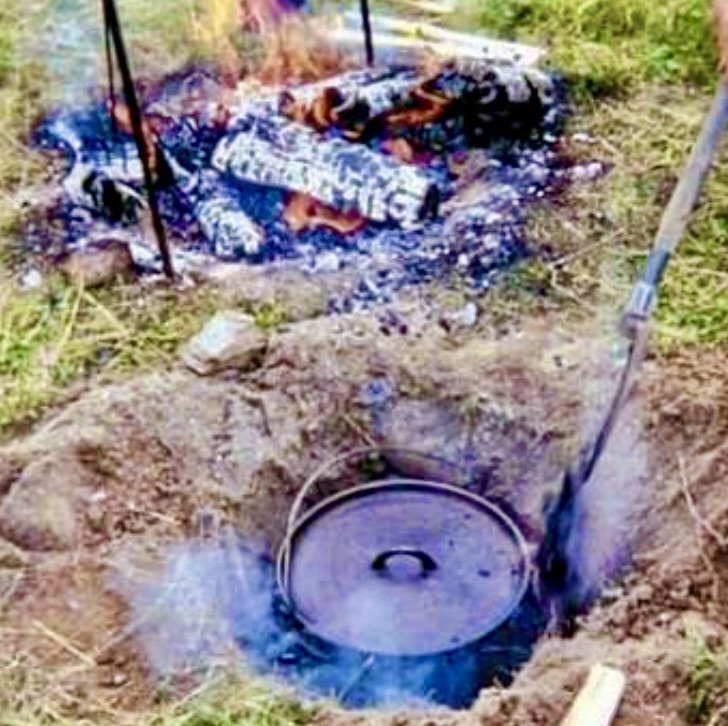
Somehow, packed lunches of peanut butter and jelly sandwiches sustained us until evening. By late afternoon, we returned to the campsite to uncover our buried, and hopefully cooked, supper. We dug off dirt and blackened coals and carefully lifted the still warm pot out of the ground by its handle.
Remarkably, or perhaps due to extreme hunger, the fragrant stew smelled and looked ready to eat. The raw carrots and onions thrown into the pot with everything else might have been a little crunchy. Yet the stew was warm and nourishing to young, famished stomachs. We spooned it gratefully into our mouths from metal Sierra Club cups.
A dessert of fruit cobbler could be made in the same manner. Cans of cherry or apple pie filling were scraped into a cast iron pot. Then covered with a layer of uncooked refrigerated dough, cracked open from a cardboard tube. This, too, was left buried all day.
We didn’t mind the bits of gritty dirt or charcoal that fell into the pot as we removed the heavy lid over stew or cobbler. It didn’t bother us when dessert was eaten with the biscuit dough topping either raw and gooey or blackened and crispy. It tasted delicious and fed our youthful hunger. We had successfully cooked dinner and dessert in a bean hole!
After cleanup, we sat cross-legged on the ground in a circle around the campfire roasting marshmallows for “S’mores”, laughing, and storytelling. The night ended with singing our hearts out as the fire dwindled to a bed of red-hot coals.
Discover more from A Taste of Mind
Subscribe to get the latest posts sent to your email.


Love this, Wendy Mou!
Campfire cooking is the best – I have only had a few opportunities to do it, as many of my camping outings have been in places with a complete fire ban (e.g. New Hampshire / Maine in summer) or in Scotland, where the trees were cut down long ago for fuel and timber. If only the world’s lumberjacks could have been a bit less voracious!! I look forward to my next chance, as nothing beats it.
LikeLiked by 1 person
This Bean Hole cooking story certainly took me back in time to my scouting days in the mid 1950’s. We did not cook in such a way, but certainly, the memories of friendships, lumpy sleeping bags and mosquitoes the size of of a 747 popped vividly into my old brain. Our campground was in a backyard, but still served its purpose for telling scary stories and eating s’mores. Your writing is so wonderful, Wen, I could smell those beans and desserts in my mind❤️.
LikeLiked by 1 person