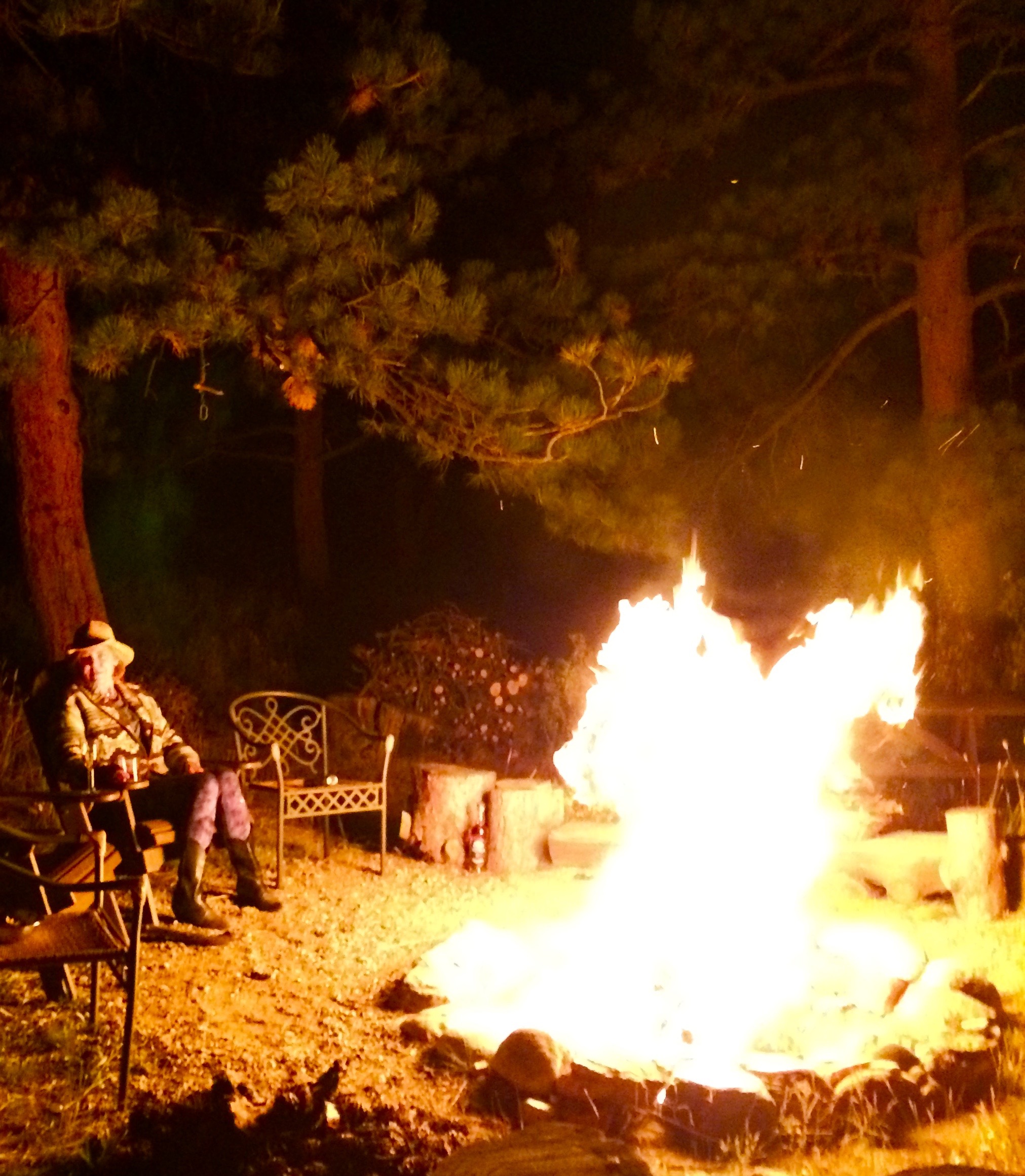
Red Hot Coals in a Bean Hole

Several months ago, I submitted an essay to a Creative Writing Contest sponsored by the M.F.K. Fisher Foundation. Anyone who knows me, or who has glanced at my stories, knows that Mary Frances Kennedy Fisher (1908-1992) is my writing mentor who lived in the last century. She wrote 27 books over her lifetime on the topics of France, food, travel and memoir. Second to Fisher, I am also inspired by the works of authors Norman Maclean (A River Runs Through It and Other Stories, Young Men and Fire) and Amor Towles (A Gentleman in Moscow, Rules of Civility, and The Lincoln Highway). Both craft stories with wordsmanship I love.
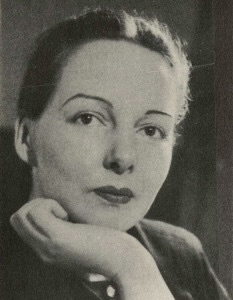
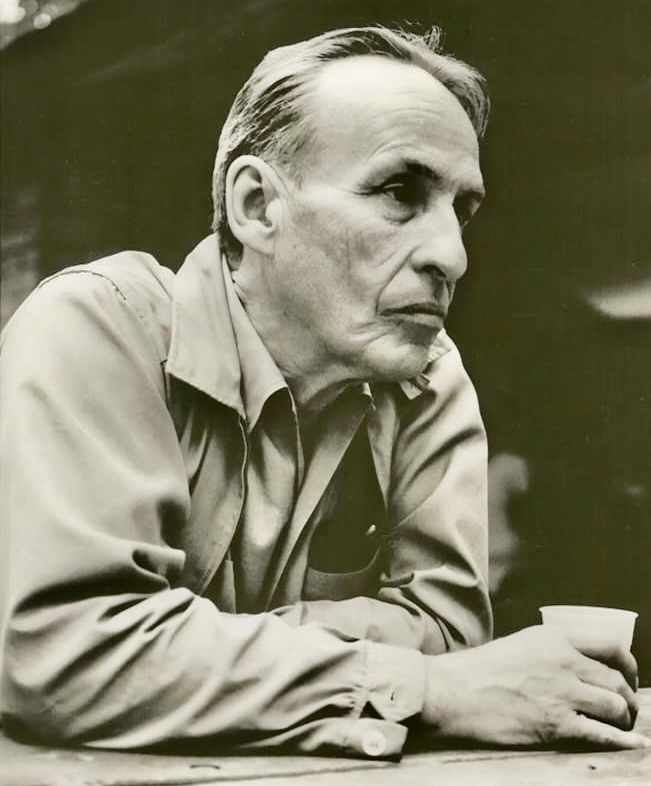
This year’s contest writing theme was “Fire”. The requirements were that it had to be an original work and unpublished anywhere else. A maximum number of 250 words was allowed. There were 200 entries from 22 countries.

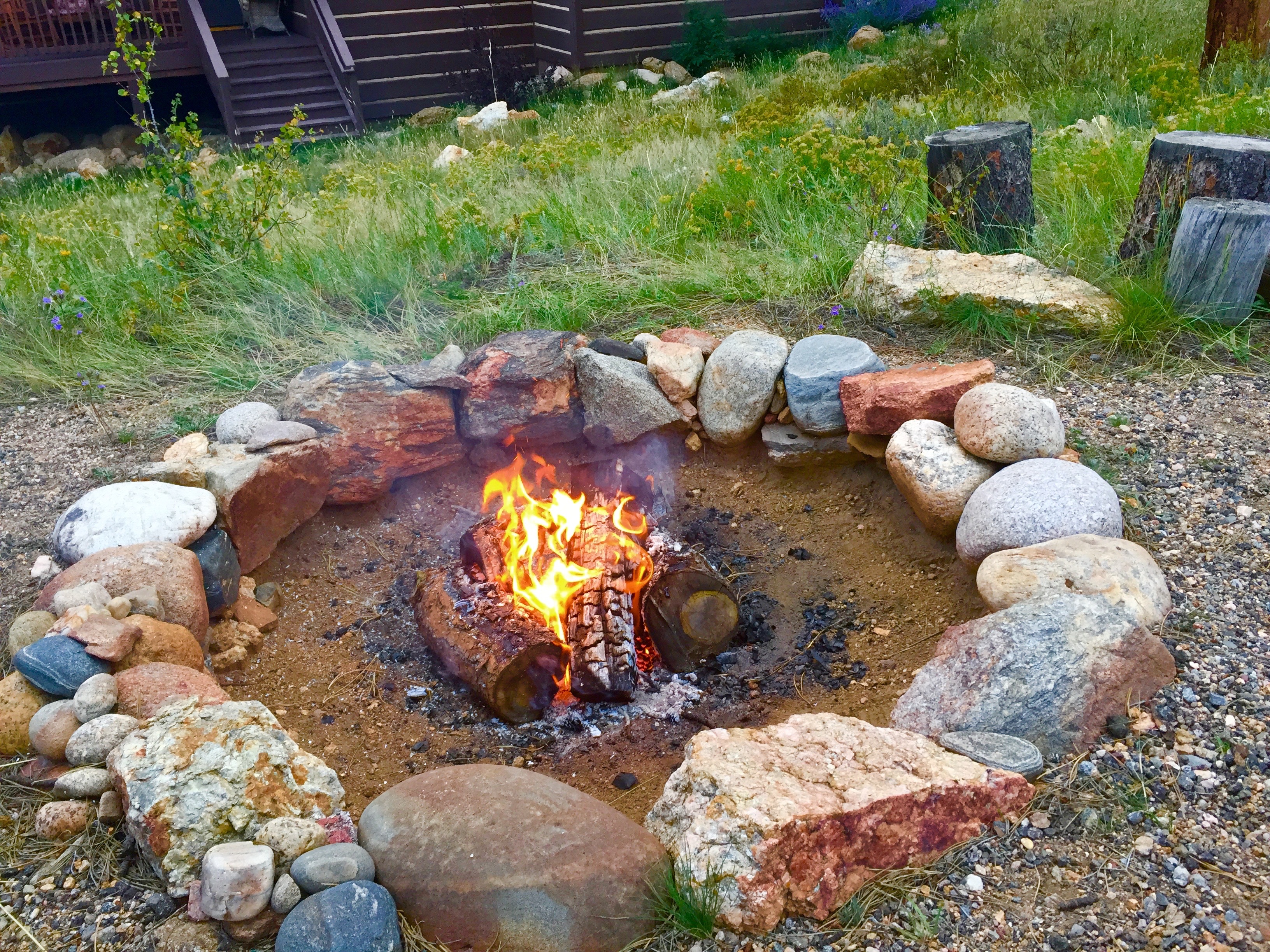
I don’t know where my story landed in the “no win” pile, but it freed me to re-write and self-publish this story about fire and Girl Scout campouts during adolescent years. It was my Texas girlfriend, Kathy, who suggested several years ago during a Colorado visit that I write something about campfires. The small group of women sitting in a semi-circle around our family-built-stone-ringed-firepit had all been in the same Girl Scout troop during middle school and early high school years. Kathy’s mother, Joyce, was one of our leaders and a woman I admired very much while growing up.
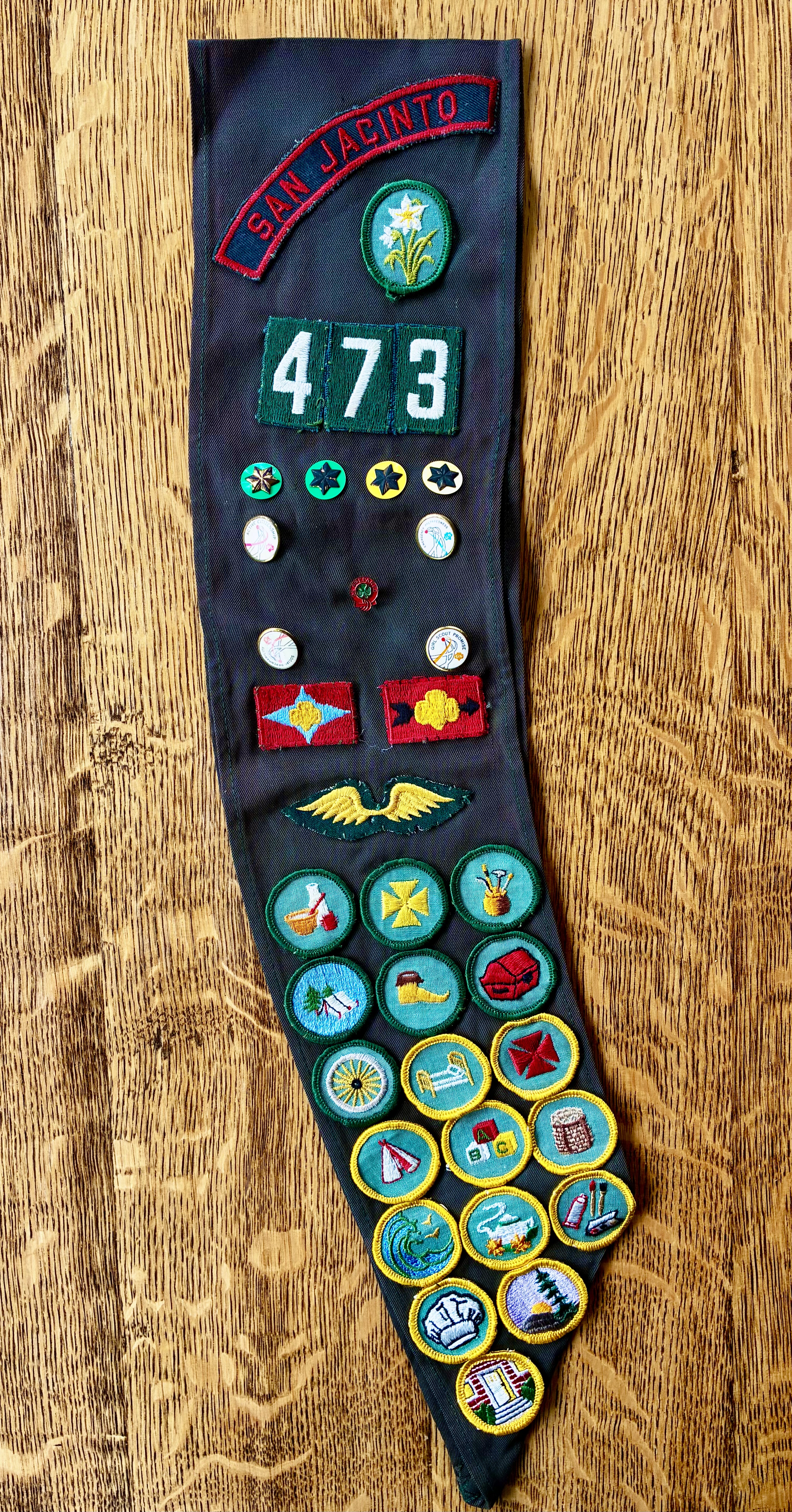
my San Jacinto Troop 473 sash with badges, achievements and awards

Kathy reminded us that on Girl Scout camping trips we cooked our meals in a bean hole. 

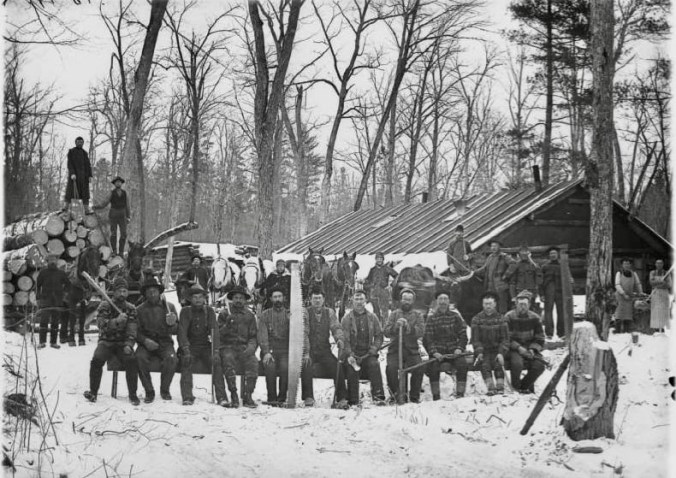
The custom of “cooking in a bean hole” originated more than 100 years ago, in Maine, as a method of feeding hungry lumberjacks. In a hole dug in the ground, a fire was laid and a pot of beans was slow cooked in a cast iron Dutch oven all day–the beginning of modern-day crock pot cooking. 
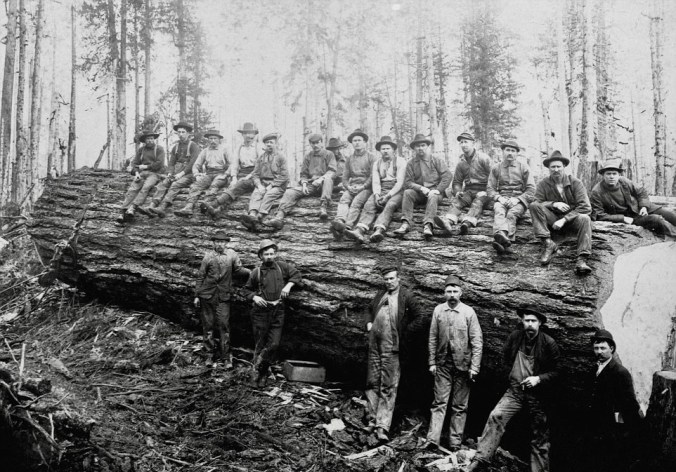
lumberjack crew in early 1900s

bean hole cooking invented to feed hungry men

As Scouts in Houston, Texas, we almost always camped out in hot weather. Sleeping bags were lumpy cotton, and we usually slept on top of them. The biggest wildlife terror was scorpions–inside the tent. At bedtime we lay in a row three or four girls wide. Flashlights scanned the tent walls, corners, and ceiling for any threatening presence before lights out. If a critter with a curled poisonous stinger was spied in our combined beams, shrieks of “Scorpio! Scorpio!” echoed throughout the campsite. Bodies hurdled over each other to get out fast. 
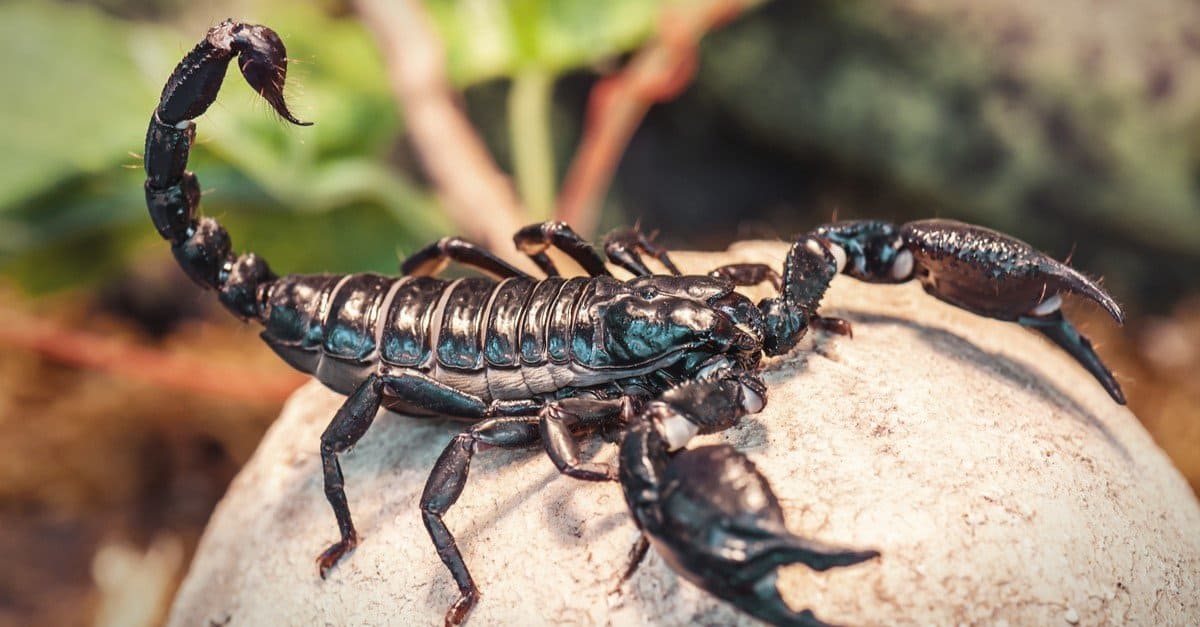
scorpion with grasping pincers and curved segmented tail ending in a stinger

For five years, camping trips were one of my primary reasons for being a Girl Scout. First, we were away from home, with best friends, sleeping in tents, and sharing adventures. Secondly, we learned everything there was to know about campfires–laying, starting, tending and putting them out. But the best part of every campfire was sitting in a circle after dark telling ghost stories or singing songs in rounds or loud harmony. Favorites like “Barges”, “Spider’s Web”, “Kookaburra”, or “This Land is Your Land”.
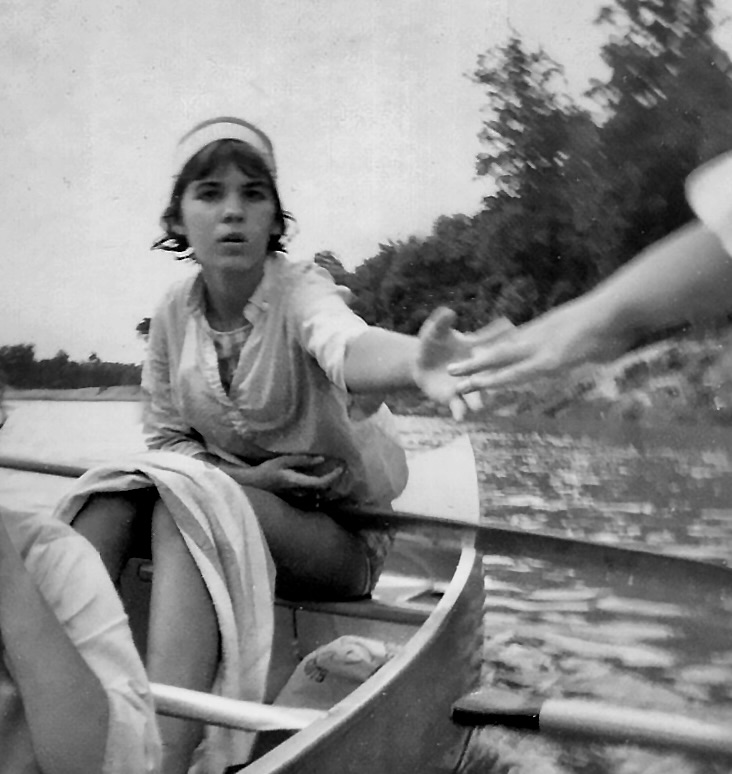
Fire was central to the whole weekend camping experience, from morning to nightfall. Gathering kindling, stacking foraged sticks and dead wood from the surrounding area was an assigned chore, but seemed like a scavenger hunt. 

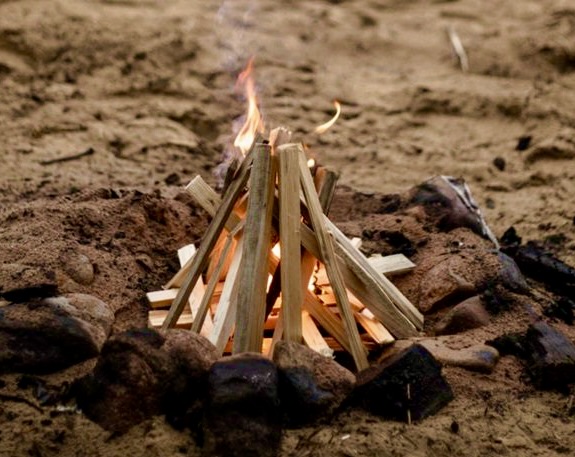
Campfires were laid in a particular style, with the designated name descriptive of its shape. The Teepee was a three-dimensional triangle like an Indian teepee with kindling inside the base. The Log Cabin featured firewood stacked in a square pattern, crossing in opposite directions on every level until it was several layers tall, like a cabin wall. 
Planning, preparing, and staging our “bean hole” supper began in the morning. First, a hole deeper and wider than a cast iron Dutch oven was dug near the breakfast campfire. The base of the hole was layered with red-hot burning coals and more firewood. The “cooking” team dumped canned beans, cut up carrots and onions, vegetable soup, hamburger and water into the black pot. The lid was fitted with a layer of aluminum foil to keep it secure, then placed in the hole, covered with more hot coals and buried under a layer of dirt to seal it in securely. There we left it, all day, while we headed off hiking, swimming, canoeing or some other nature adventure.  
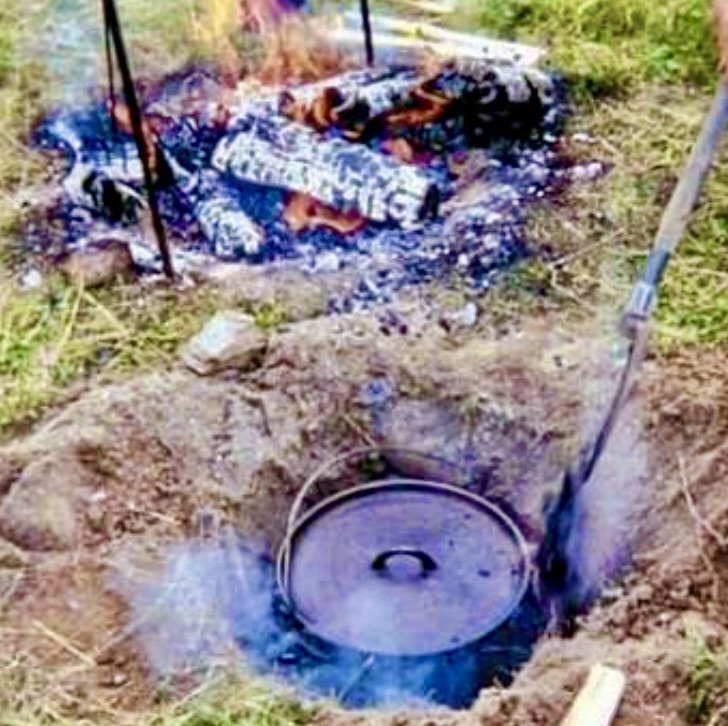
dutch oven buried close to campfire pit

Somehow, packed lunches of peanut butter and jelly sandwiches sustained us until evening. By late afternoon, we returned to the campsite to uncover our buried, and hopefully cooked, supper.  We dug off dirt and blackened coals and carefully lifted the still warm pot out of the ground by its handle. 

Remarkably, or perhaps due to extreme hunger, the fragrant stew smelled and looked ready to eat. The raw carrots and onions thrown into the pot with everything else might have been a little crunchy. Yet the stew was warm and nourishing to young, famished stomachs. We spooned it gratefully into our mouths from metal Sierra Club cups. 

A dessert of fruit cobbler could be made in the same manner. Cans of cherry or apple pie filling were scraped into a cast iron pot. Then covered with a layer of uncooked refrigerated dough, cracked open from a cardboard tube. This, too, was left buried all day. 

We didn’t mind the bits of gritty dirt or charcoal that fell into the pot as we removed the heavy lid over stew or cobbler. It didn’t bother us when dessert was eaten with the biscuit dough topping either raw and gooey or blackened and crispy. It tasted delicious and fed our youthful hunger. We had successfully cooked dinner and dessert in a bean hole! 

After cleanup, we sat cross-legged on the ground in a circle around the campfire roasting marshmallows for “S’mores”, laughing, and storytelling. The night ended by singing our hearts out as the fire dwindled to a bed of red-hot coals. 
Bugling Elk and Sacred Spaces

Every part of the Earth is sacred to my people. Every shining pine needle, every sandy shore, every mist in the dark woods, every humming insect is holy in the memory and experience of my people. The perfumed flowers are our sisters; the deer, the horse, and the great eagle; these are our brothers. We are part of the Earth and it is part of us. Chief Seattle, native American

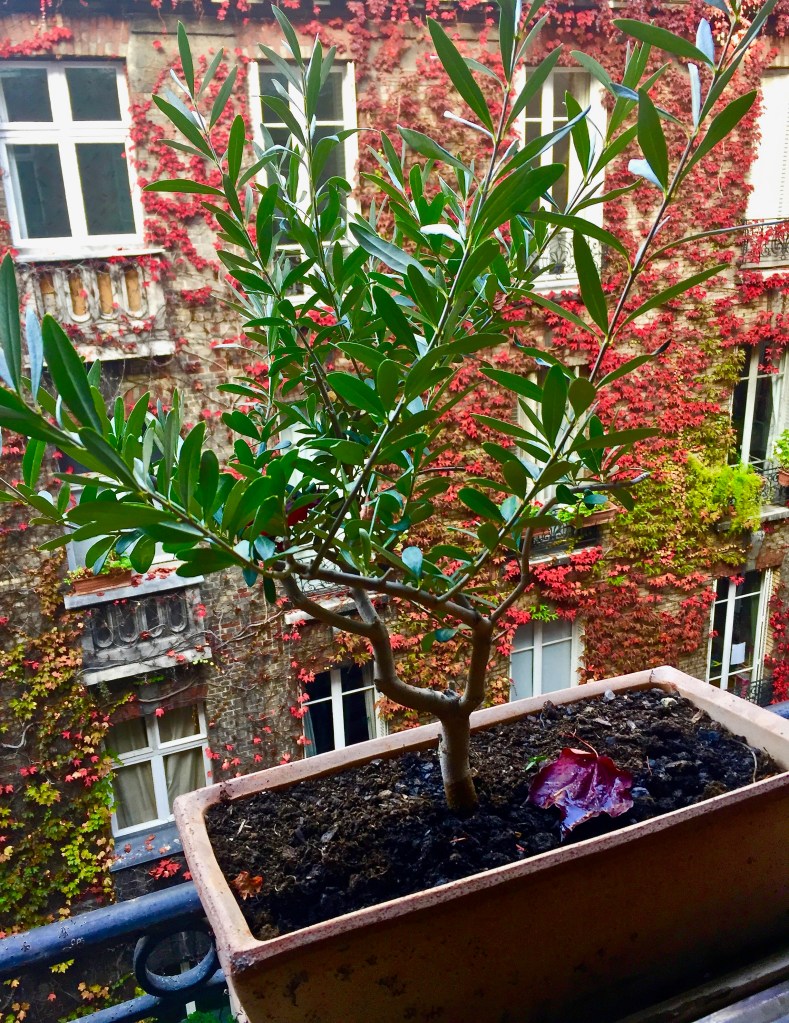
It’s autumn now in northern Europe where I returned a week ago. The courtyard Virginia creeper vine is reddening more each day. Heavier bed linens are in place so the window can remain open for good sleeping. Scarves donned for outdoor wear. And rain.

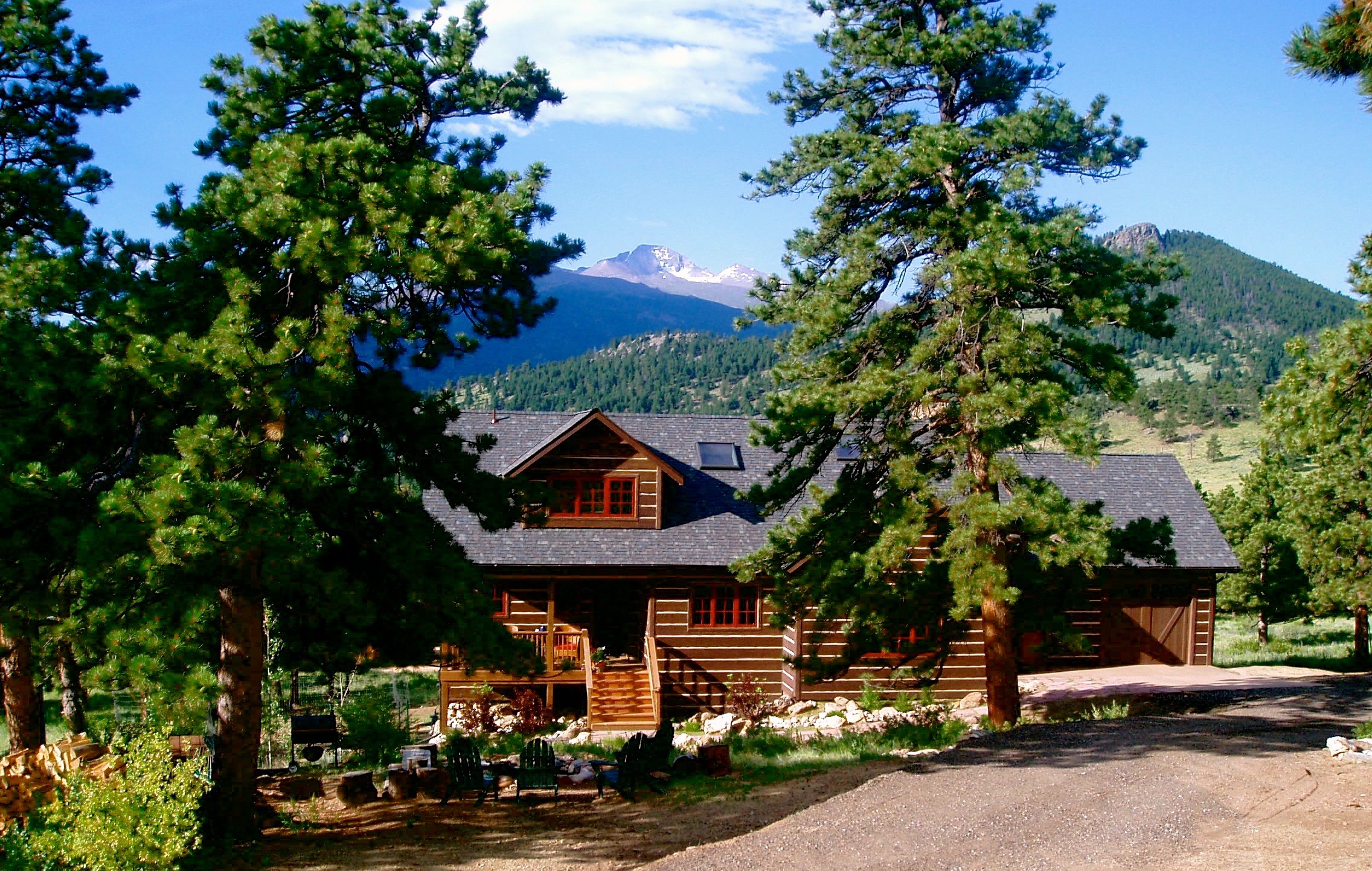
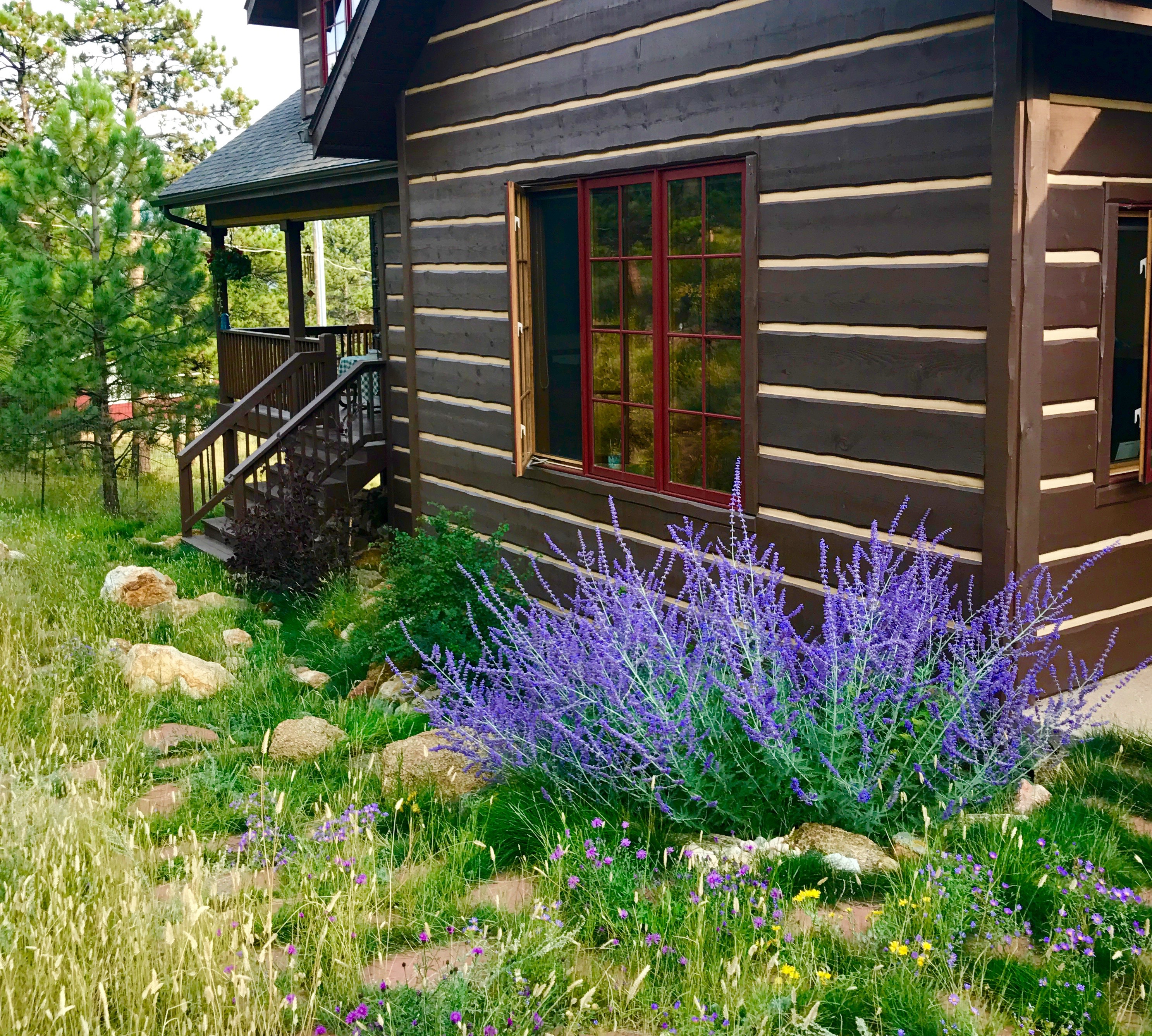
Still, for the moment, I’m thinking about a longer than normal summer season in Colorado. Three months at “Camp Estes”–our hillside home with Front Range views and walk-in access to Rocky Mountain National Park.

OLYMPUS DIGITAL CAMERA
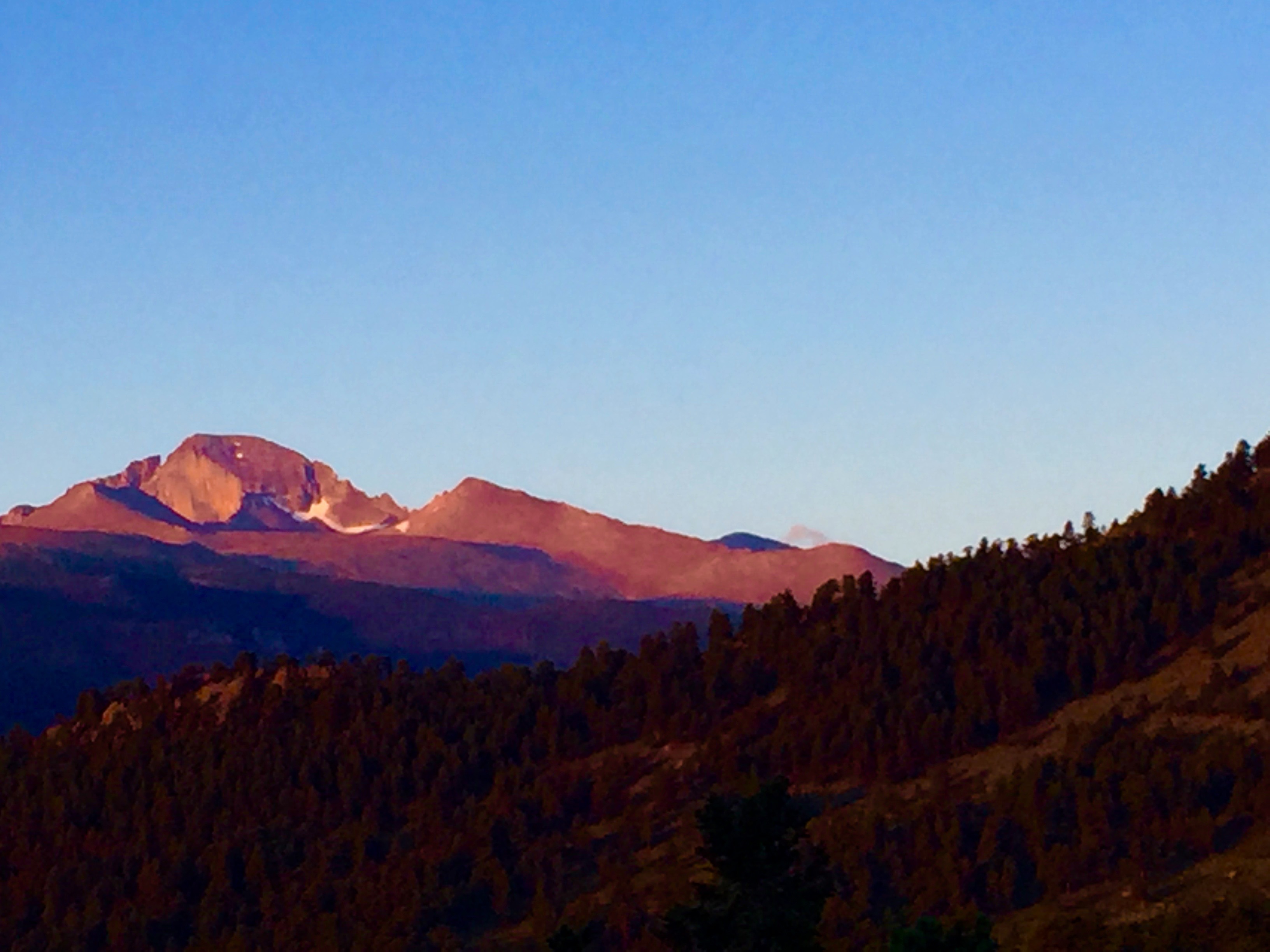
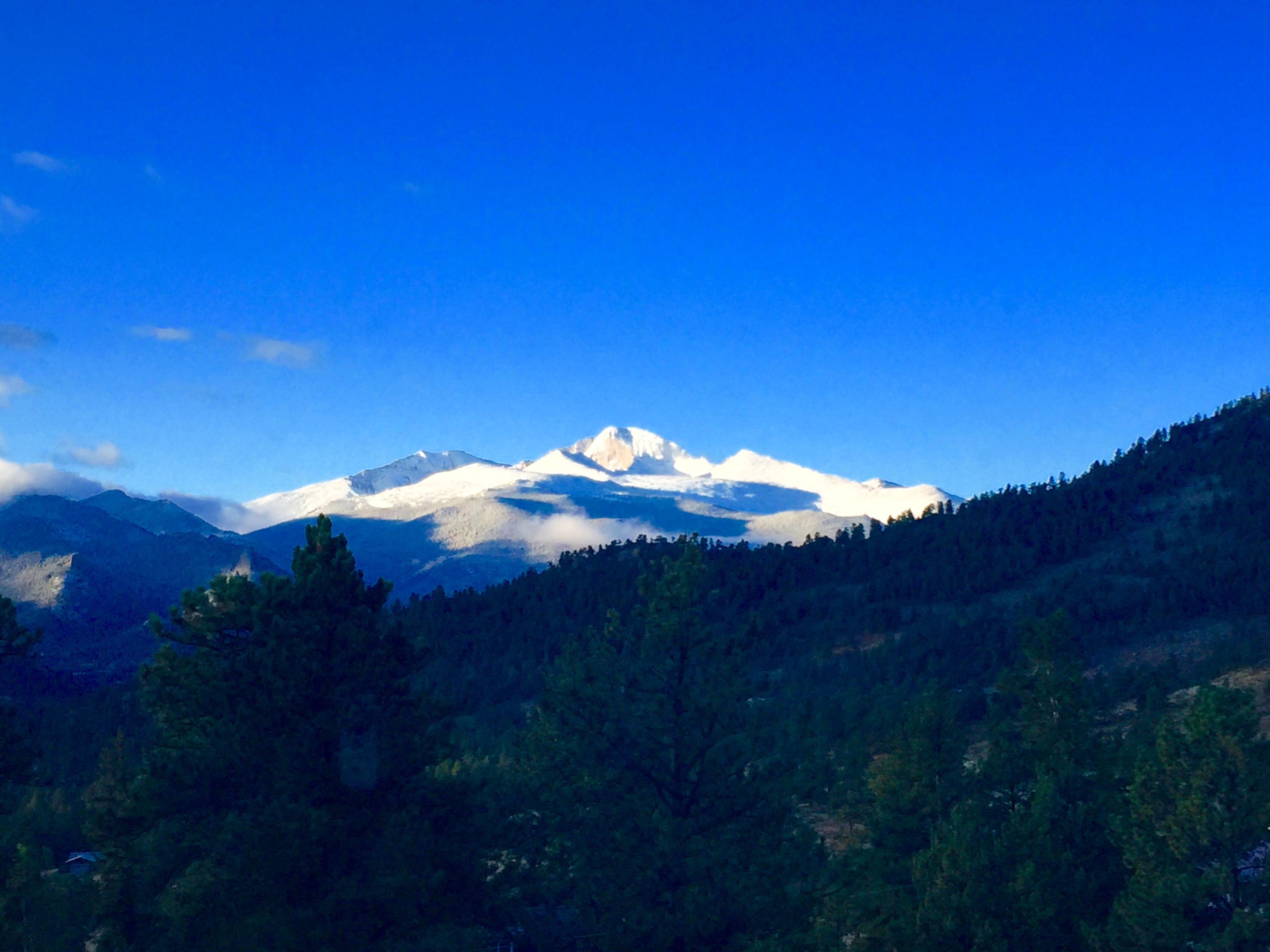
camp estes’ long’s peak view

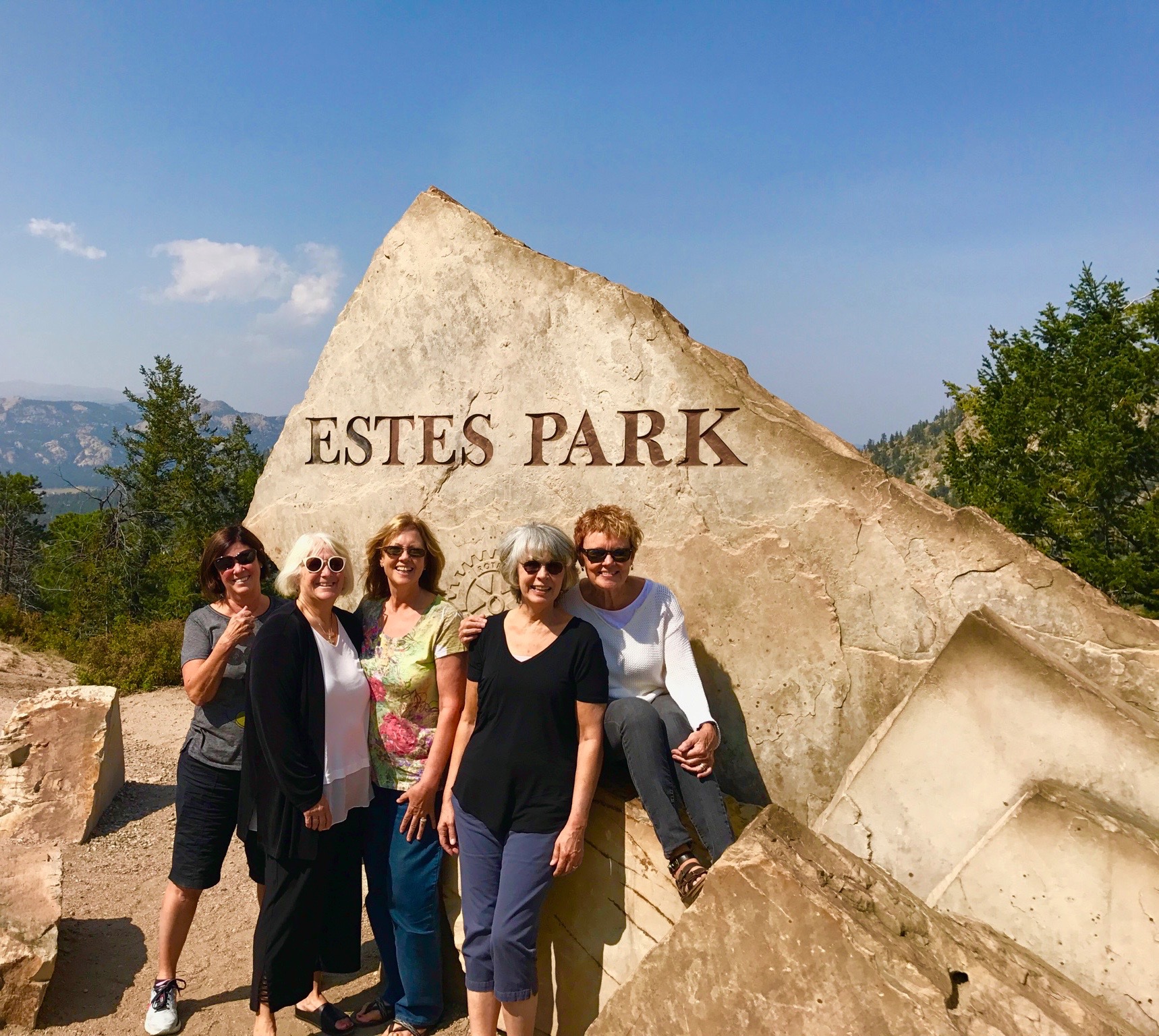
What made it particularly special were the visitors, different from other summers. A toddler grand-daughter’s first time to roam rocky, hilly landscapes, a reunion of women from my high school graduating class, visual apparitions of campfire spirits after two years of “no-burn” ban, s’mores with dark European chocolate, and a herd of rutting elk who wandered in–and stayed.

These events merged with other things I love; wildflowers in profusion, mountain sunrise and sunsets, thunderstorms and rainbows, low hanging clouds clearing to snow on the high peaks, elk bugling in the change of season.

Returning to the mountains is particularly meaningful to me because of our overseas lifestyle. For twelve summers, during the years we lived in Taipei, Taiwan, I needed to come home and recalibrate. Living and breathing for a few months at a higher altitude under clear blue skies was very different from a big Asian city of concrete, tile, and smoggy air.

The mountains give us our “spiritual geography”, a term coined by Kathleen Norris in her book Dakota: A Spiritual Journey. It is the place we inhabit to find our best selves.

Mythologist Joseph Campbell wrote of the importance of finding individual “sacred space”.

A sacred space is any space that is set apart from the usual context of life. It has no function in the way of earning a living or a reputation…In your sacred space, things are working in terms of your dynamic–and not somebody else’s…You don’t really have a sacred space until you find somewhere to be…where joy comes from inside, not something external that puts joy into you, a place that lets you experience your own will and your own intention and your own wish…

Your sacred space is where you find yourself again and again. J. Campbell

My sacred spaces begin in physical forms–a cabin in Colorado mountains, a carefully constructed stone campfire ring, and a secretive destination called “Rock on the River” where I hike alone to heal or think.

There is a chameleon-like aspect to living an overseas lifestyle, between home in the U.S. and home elsewhere in the world. In the mountains I live in jeans and soft shirts, moccasins or cowgirl boots. I drink coffee on the front porch in sunshine or on a deck overlooking Long’s Peak and Rocky Mountain National Park. I go to bed after sitting around a campfire and awaken to the smell of smoke on my pillow.

Returning home to Paris, there is a seamless slide into the city version of myself. I adapt to the rhythms around me as I sit in cafés watching people instead of coyotes, hawks, deer and elk.

Returning to the mountains is what makes this work. Feeling small and insignificant amid the backdrop of a huge landscape clears my mind. I love the smell of rapidly changing weather, poking campfires with a stick, and wild animals that roam without fences. I think about the good fortune that lies ahead–sharing this with a generation of grandchildren.

Another way to tell the story is with pictures. To those who dropped in, or to those who stayed awhile, and to those who will return–a look back at the best of this season’s memories…

IMG_1087
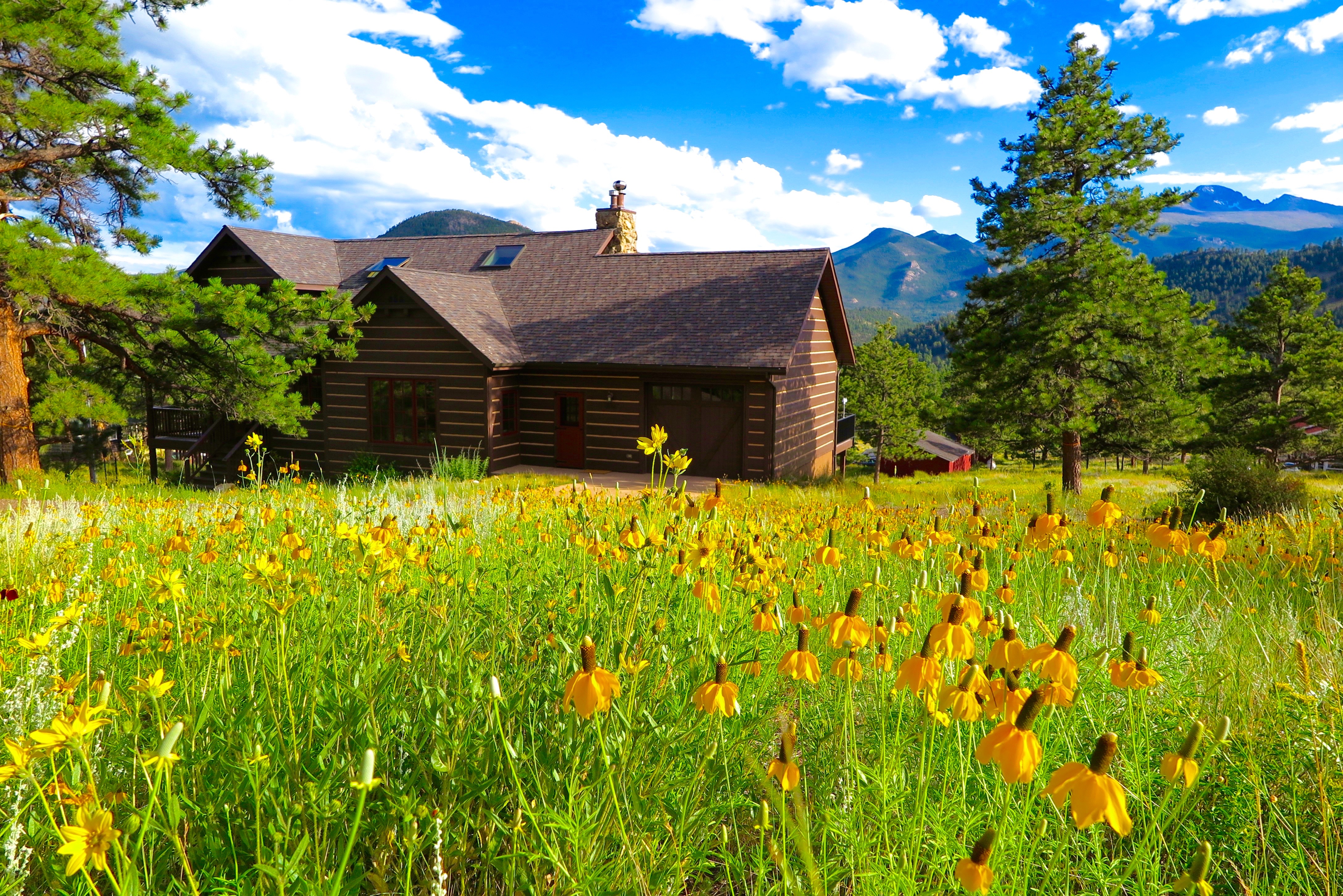
“mexican hat” flowers germinated from seeds sown over many years without luck. in 2005, a new cabin was built and they popped out of dormancy
IMG_8071
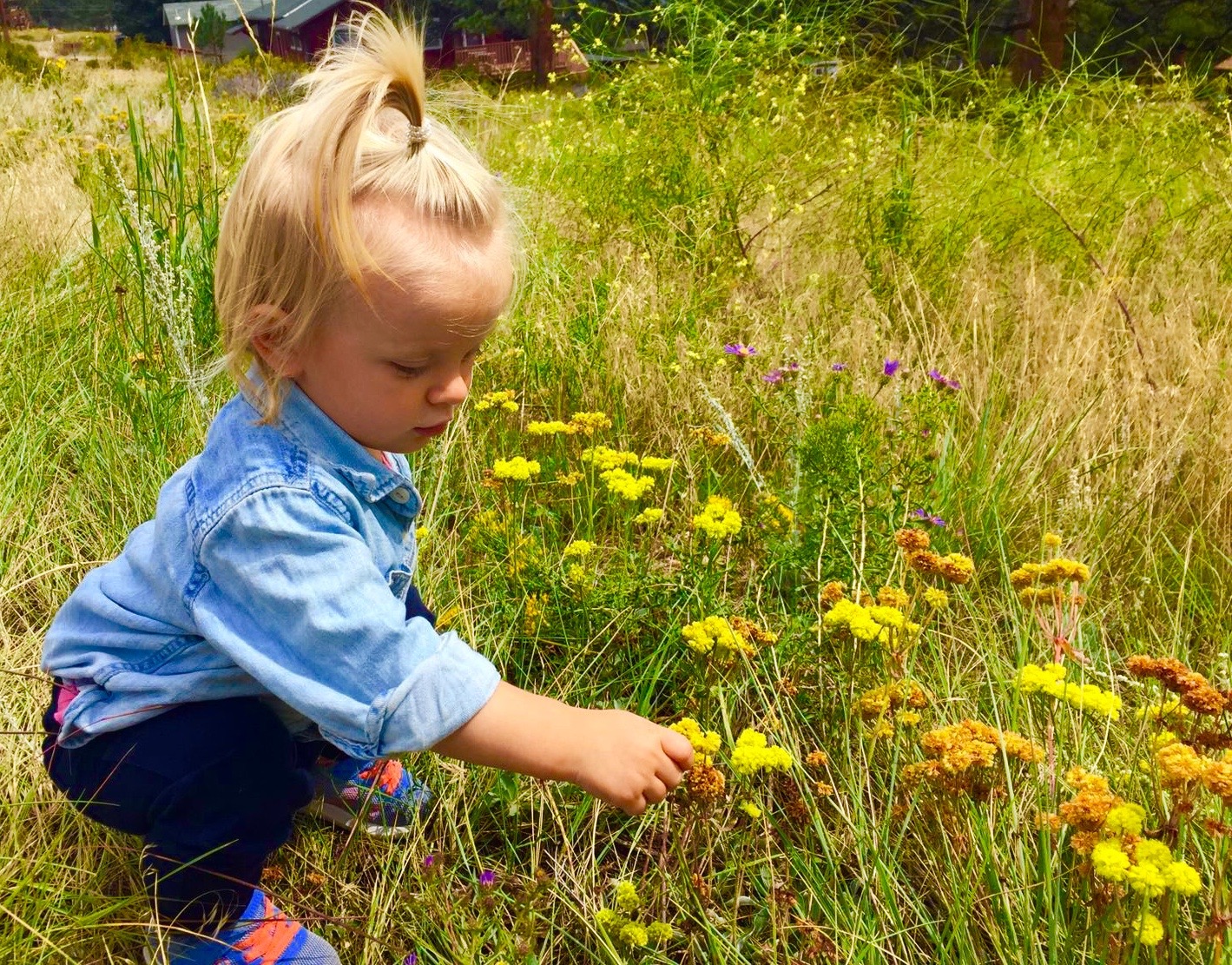
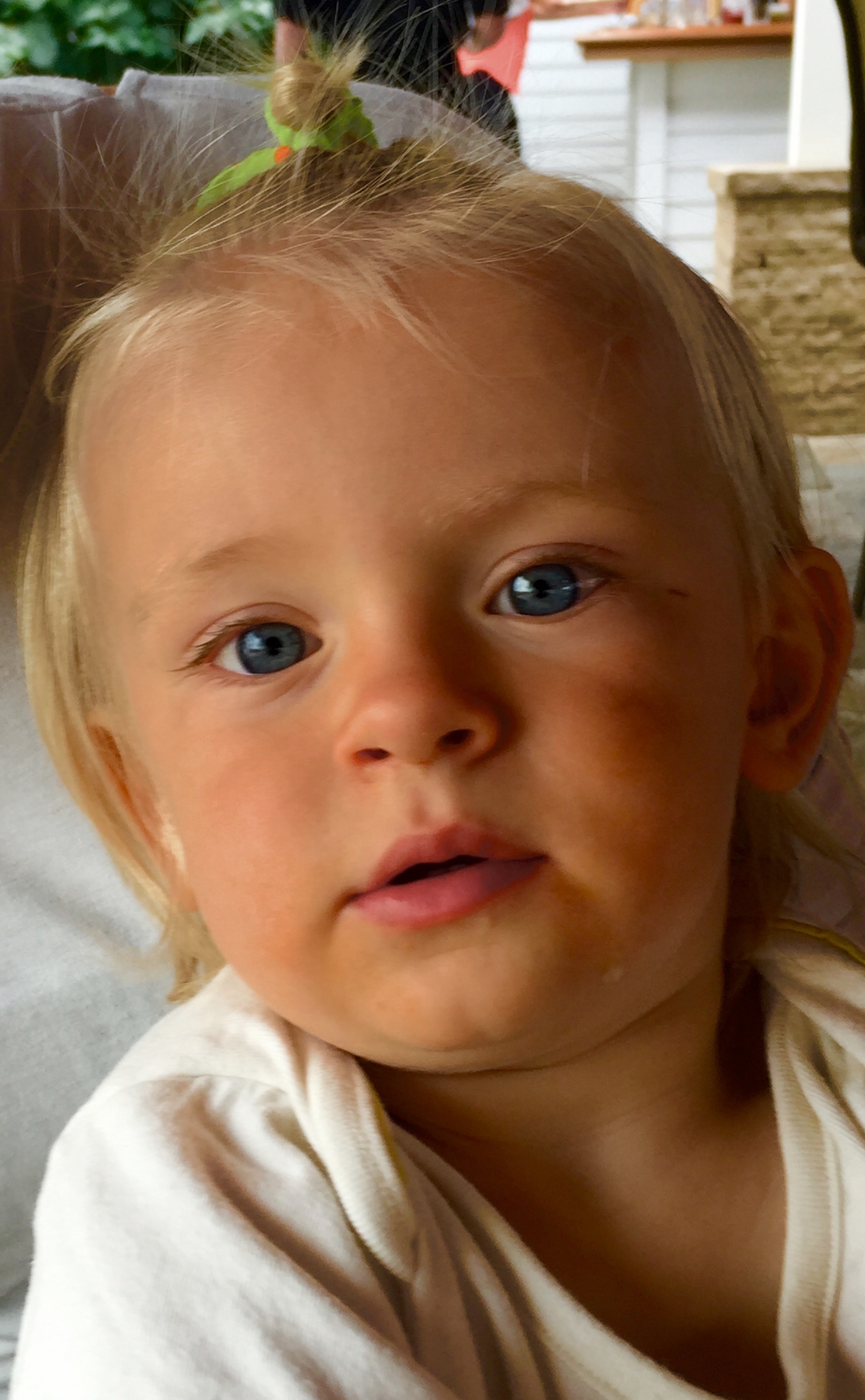
leila 15 months, discovers and wobbles on uneven terrain
IMG_7918
jet lag means 5:30AM sunrise with coffee on the deck
IMG_7883
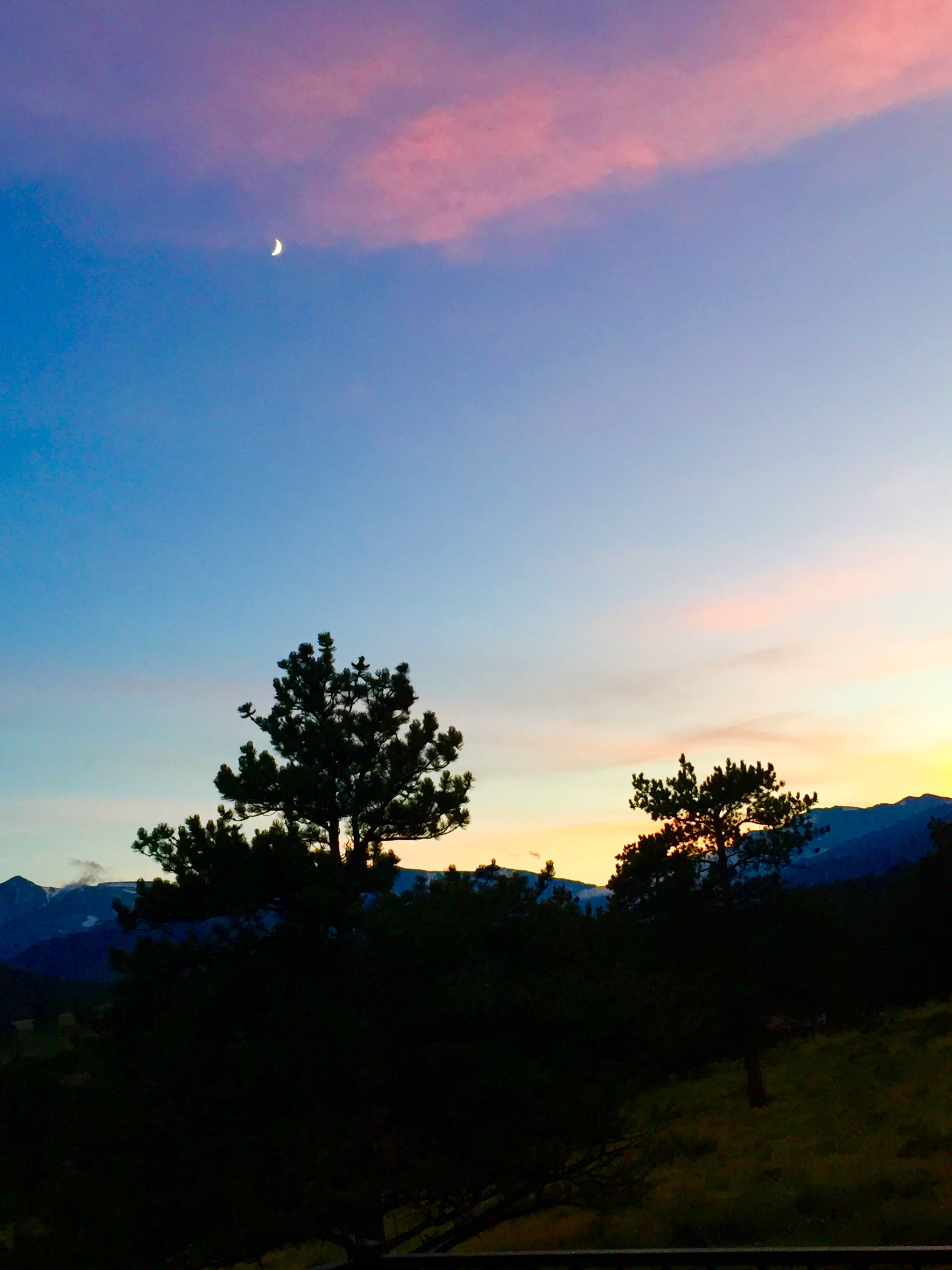
sunset, first quarter moon rising
IMG_4533
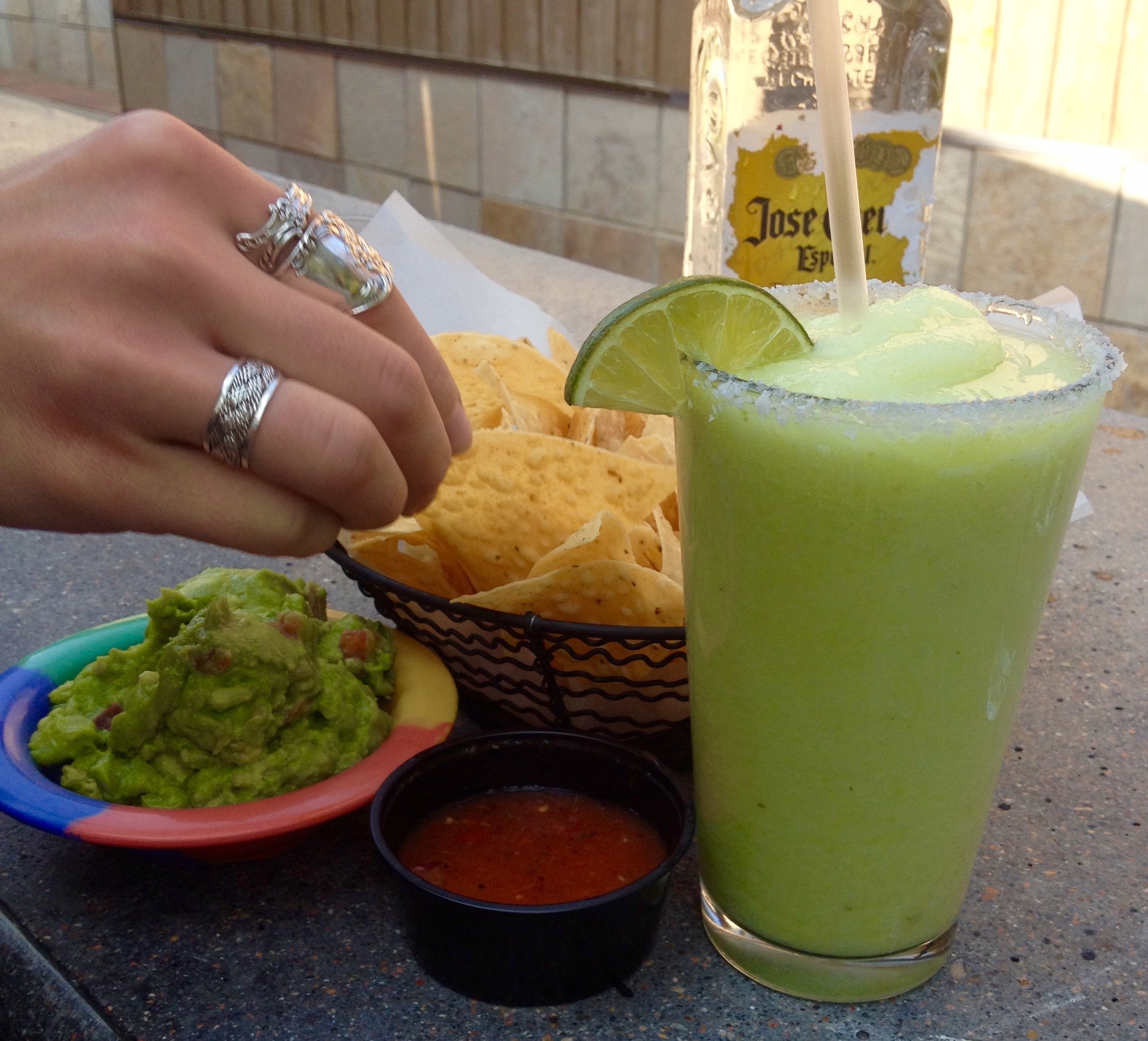
avocado margaritas at ed’s cantina, story told here: Sipping Avocado Margs in Summer
IMG_2831
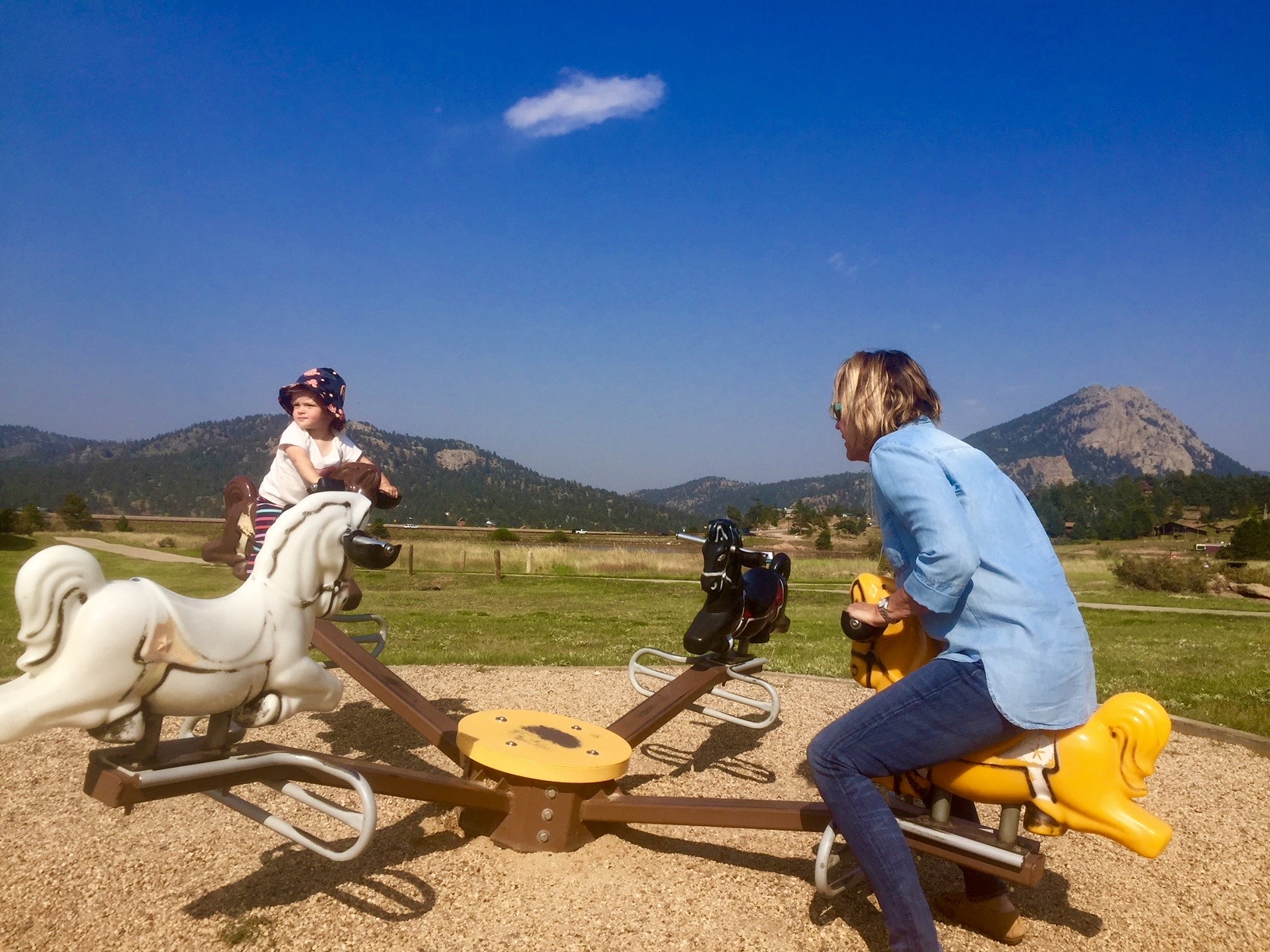
horse rides at the shaka shaka [Russian for playground]
IMG_2820
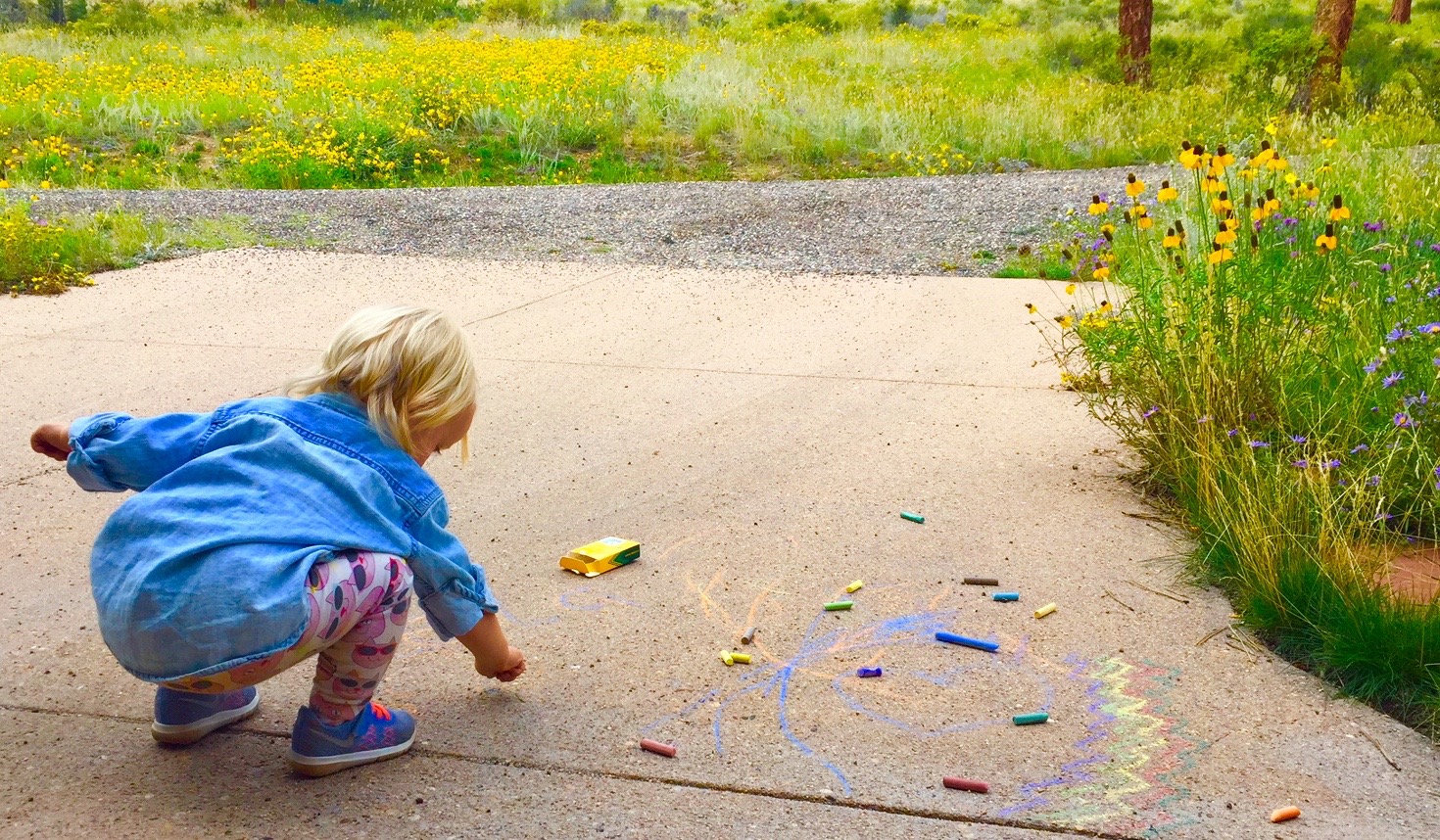
chalk art in perfect squat formation.
IMG_2844
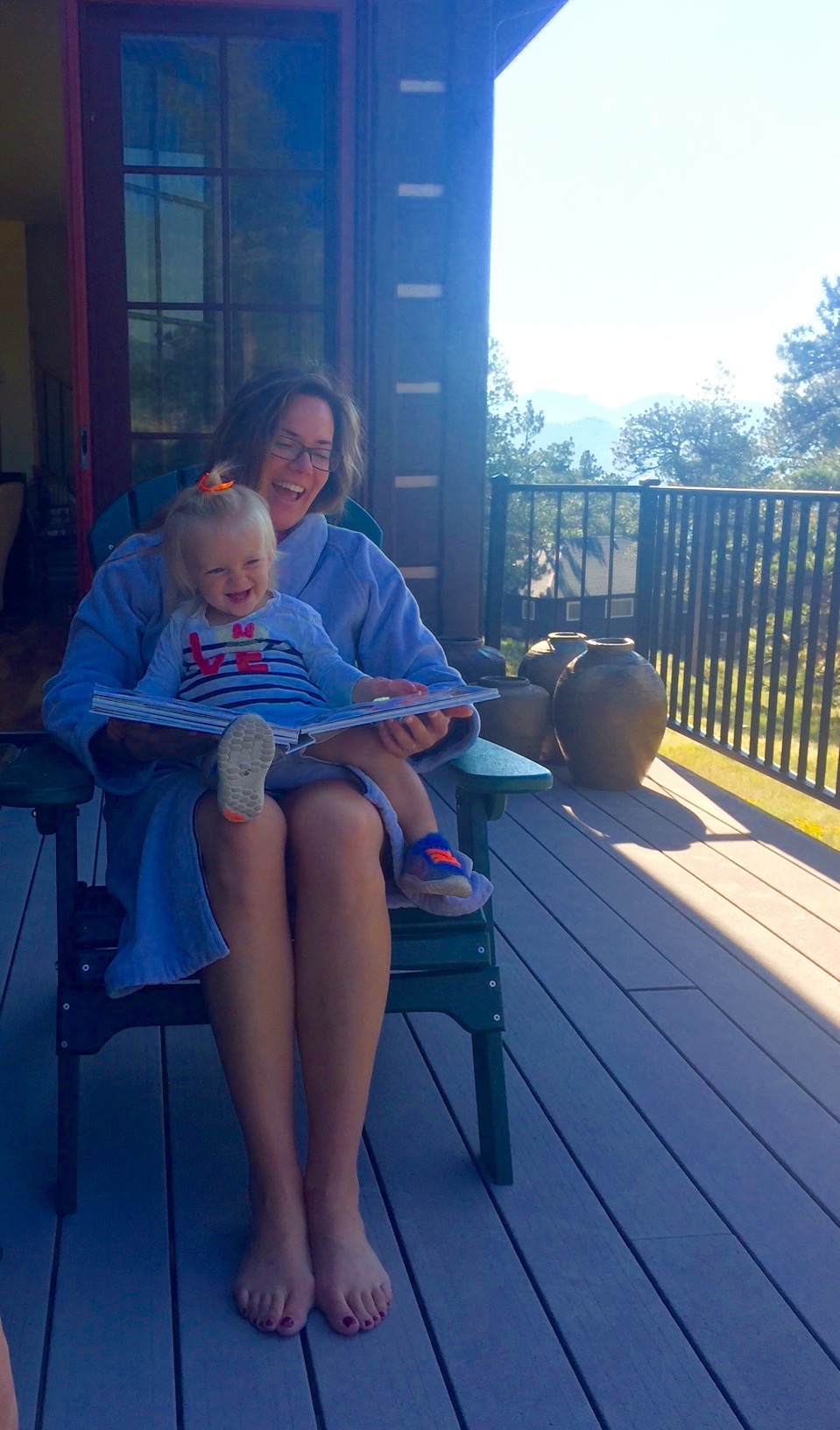
early morning reading with auntie “yaya”
IMG_8298
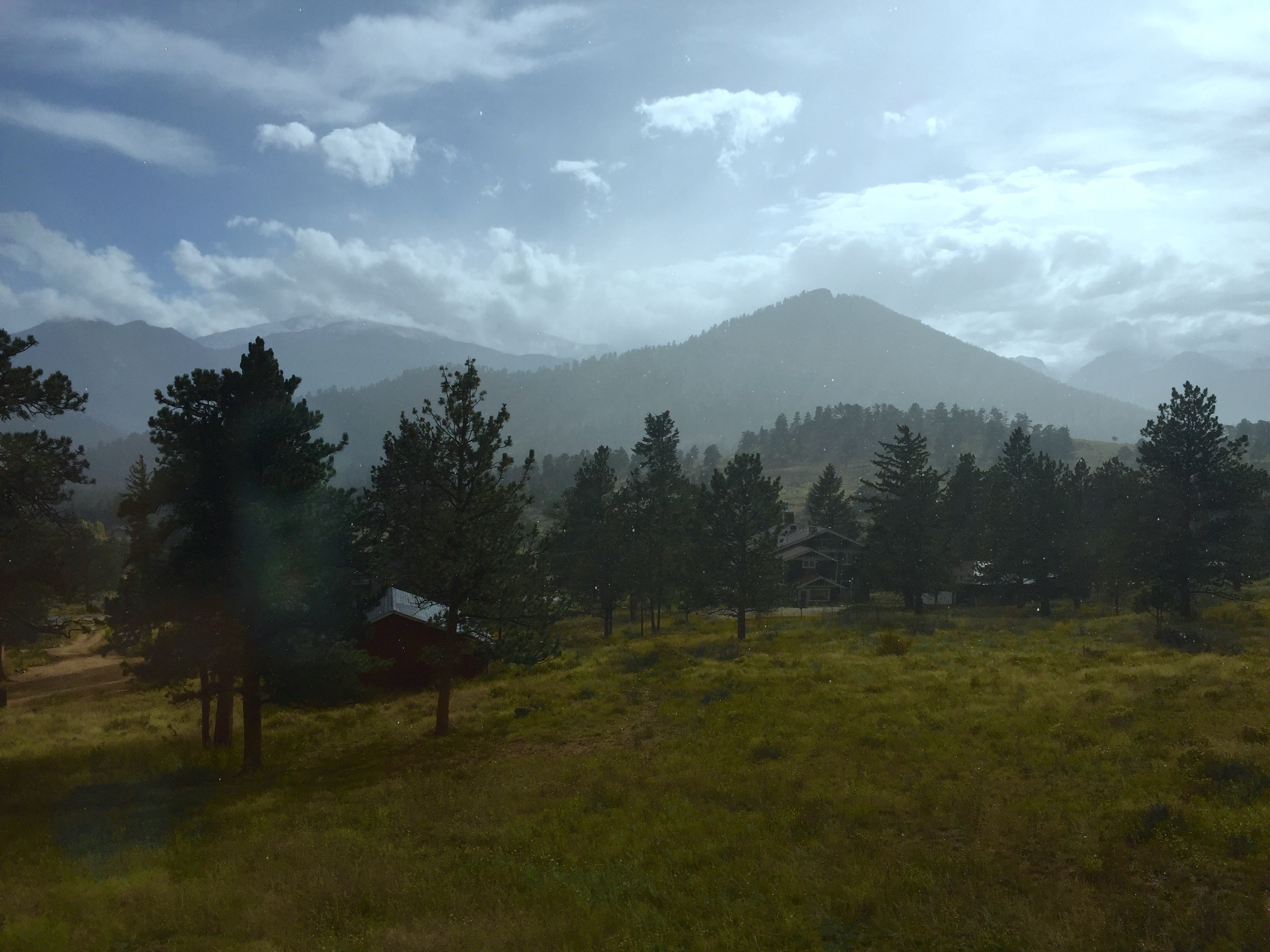
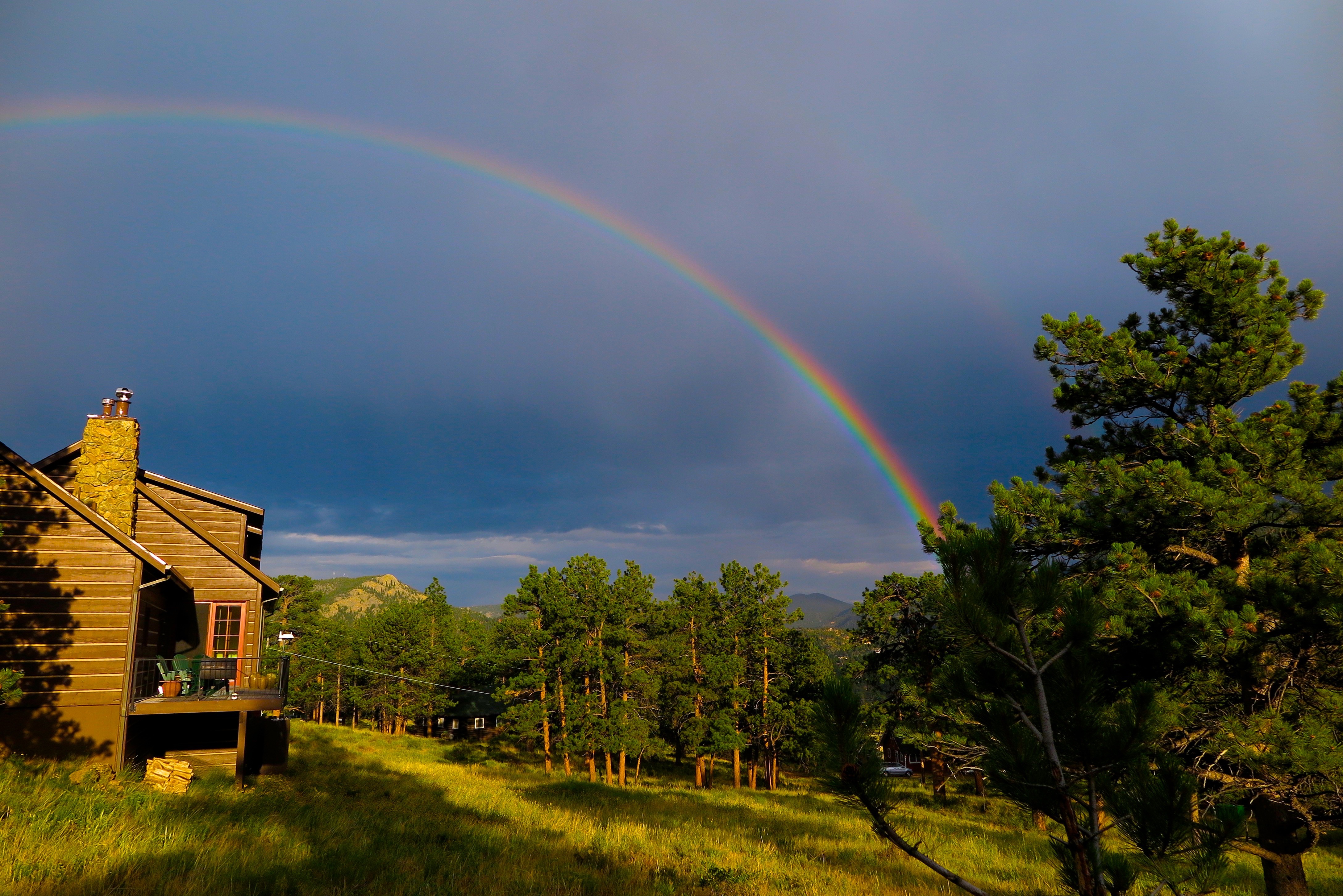
thunderstorm in sunshine
IMG_2237
IMG_2255
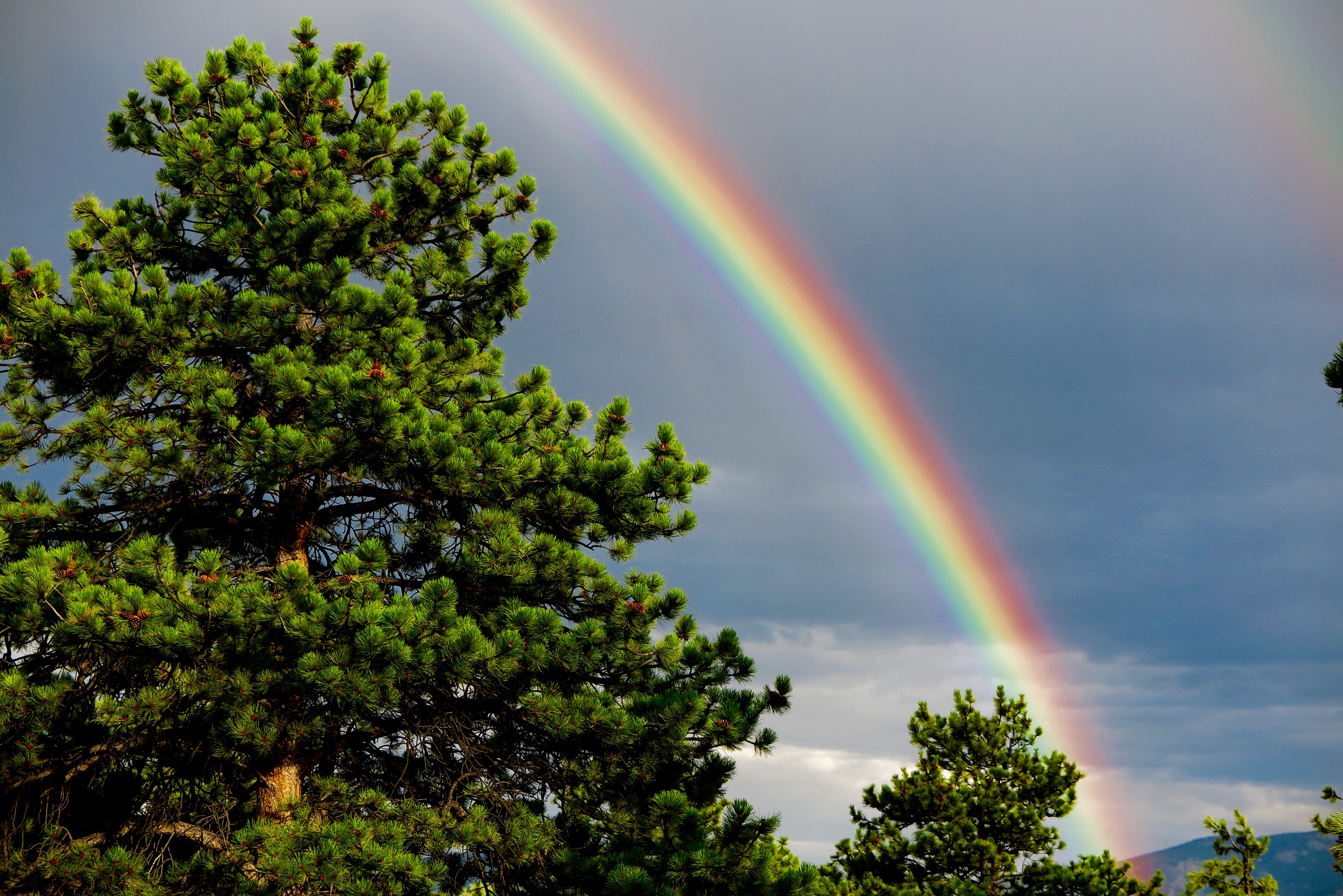
followed by perfect rainbows
IMG_2836
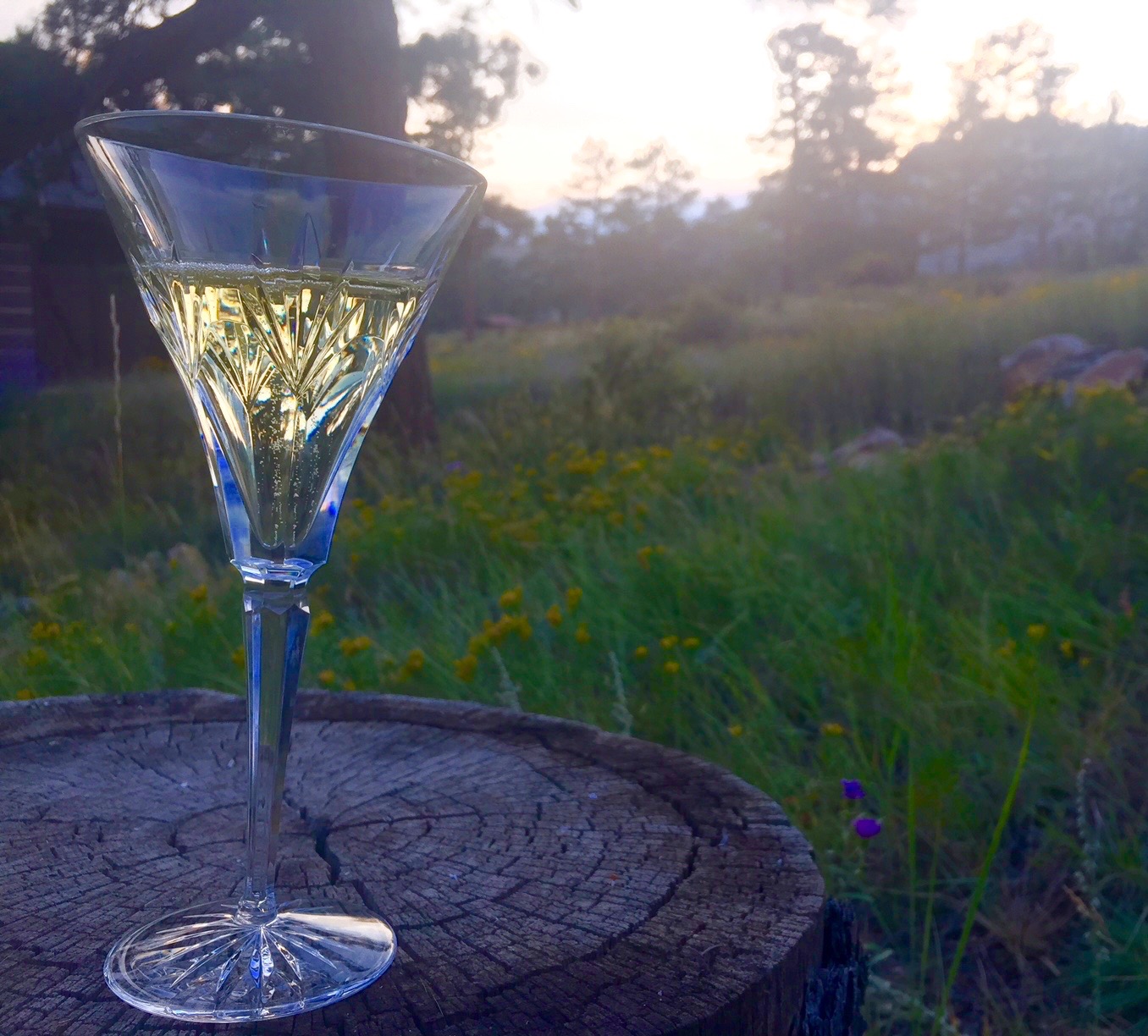
sunset champagne
IMG_2839
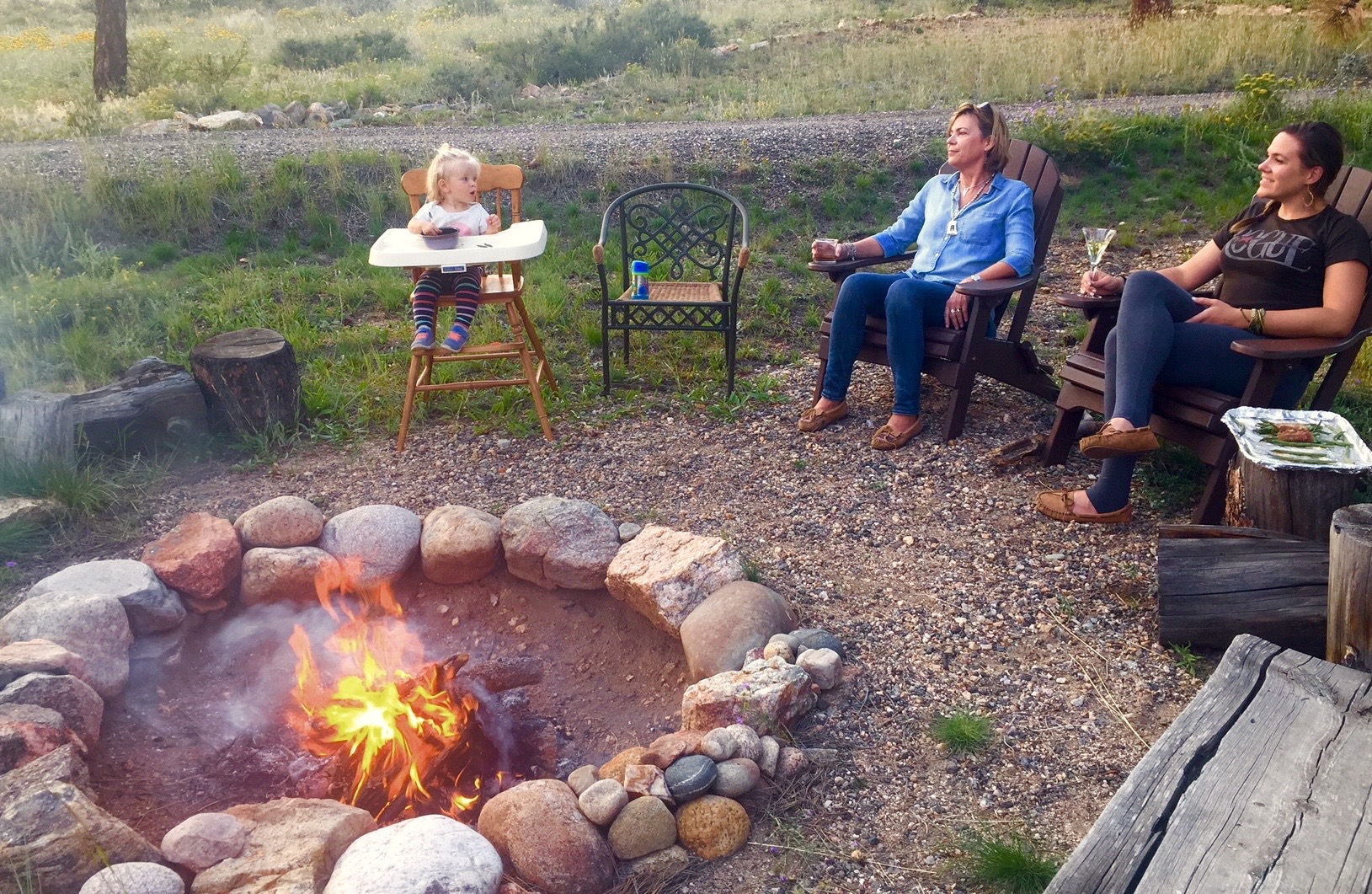
fire ring supper with leila, deedee and yaya
IMG_1802
high school girlfriends reunite in estes park, photo by betty cleffman hager
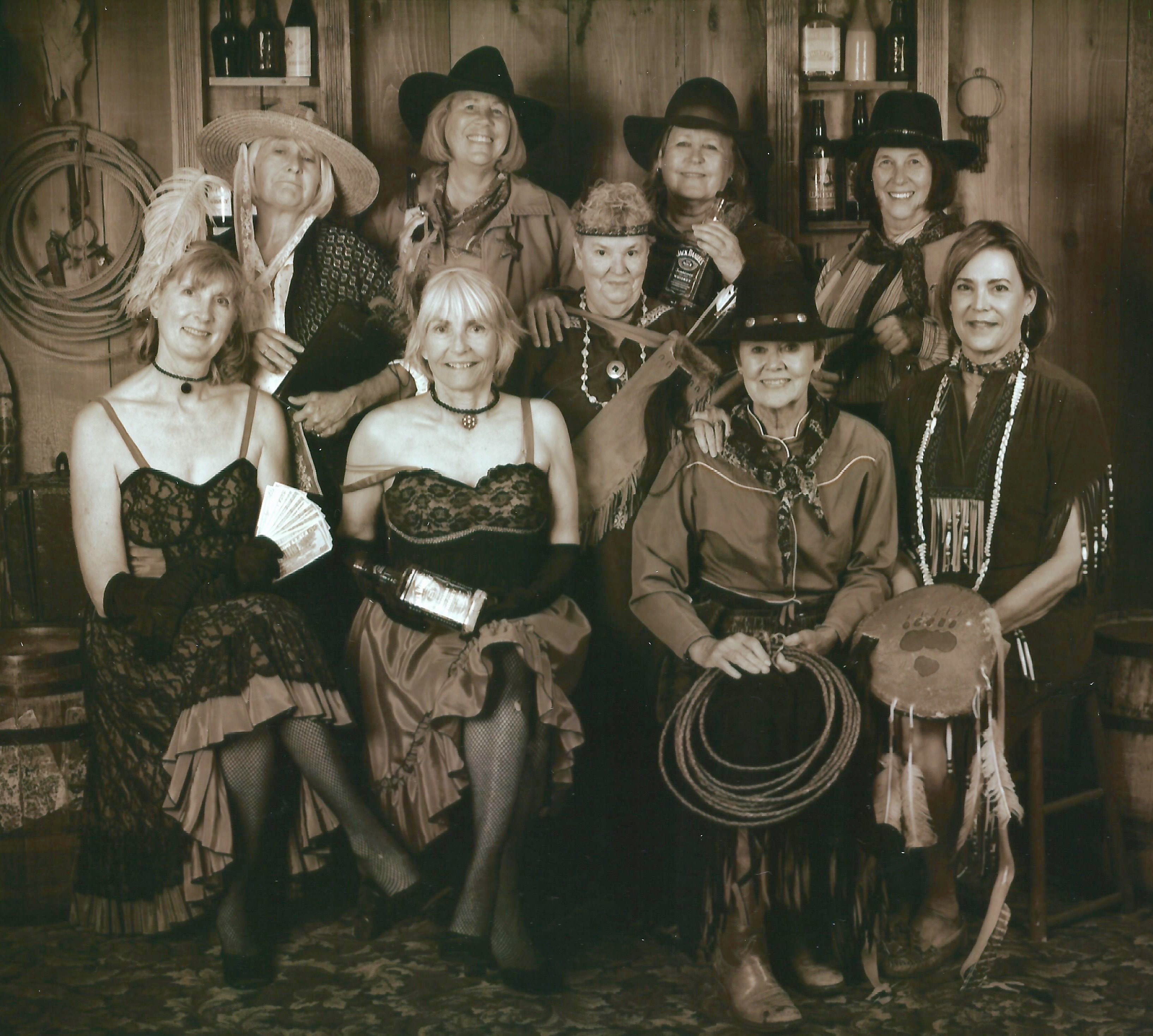
old west photo sepia
marking time with an “old time” photo
2017 Deb Colorado_092
september light, RMNP, photo by debbie windus
IMG_4073_09-14-2017
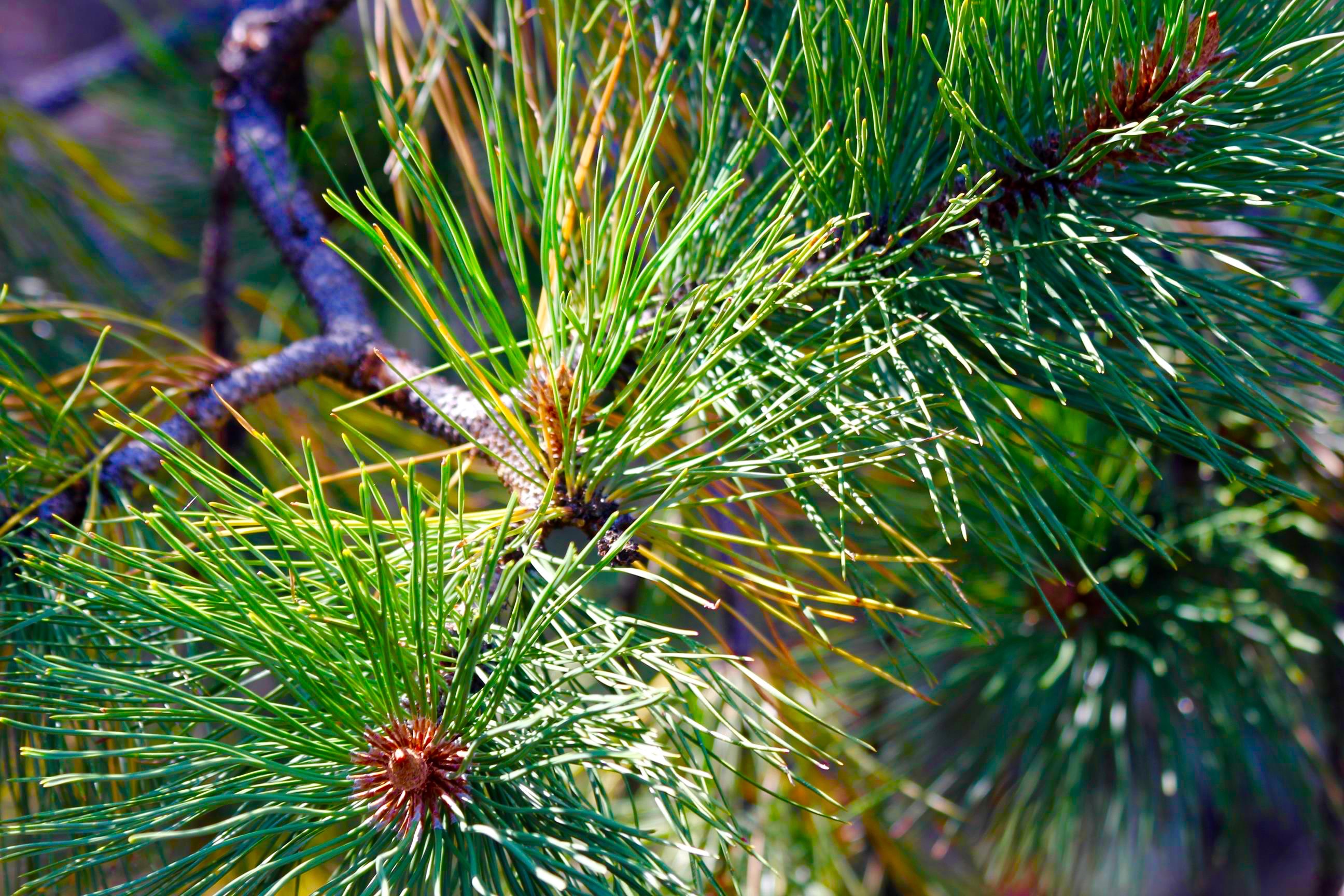
“shining pine needles”, photo by mary beckey kelly
2017 Deb Colorado_082
blooming russian sage, photo by debbie windus
IMG_8139
fire ring built in 1991 is mostly in the same configuration. when a landscaper called it a “spiritual circle”, I quit messing with it.
IMG_8127
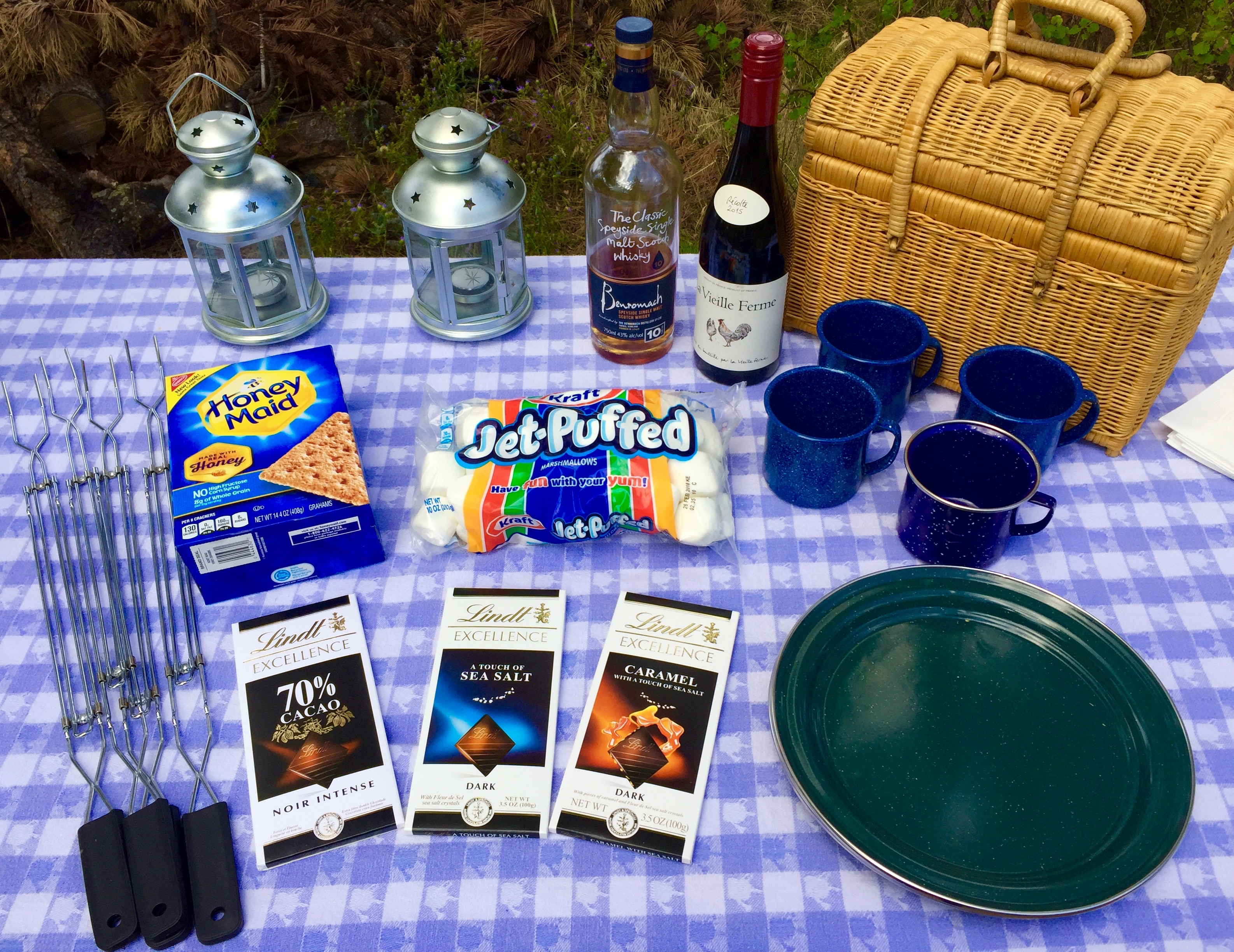
s’more ingredients: grahams, marshmellows, European chocolate choices–plain, sea salt or caramel and sea salt. whisky and wine, optional
IMG_8136
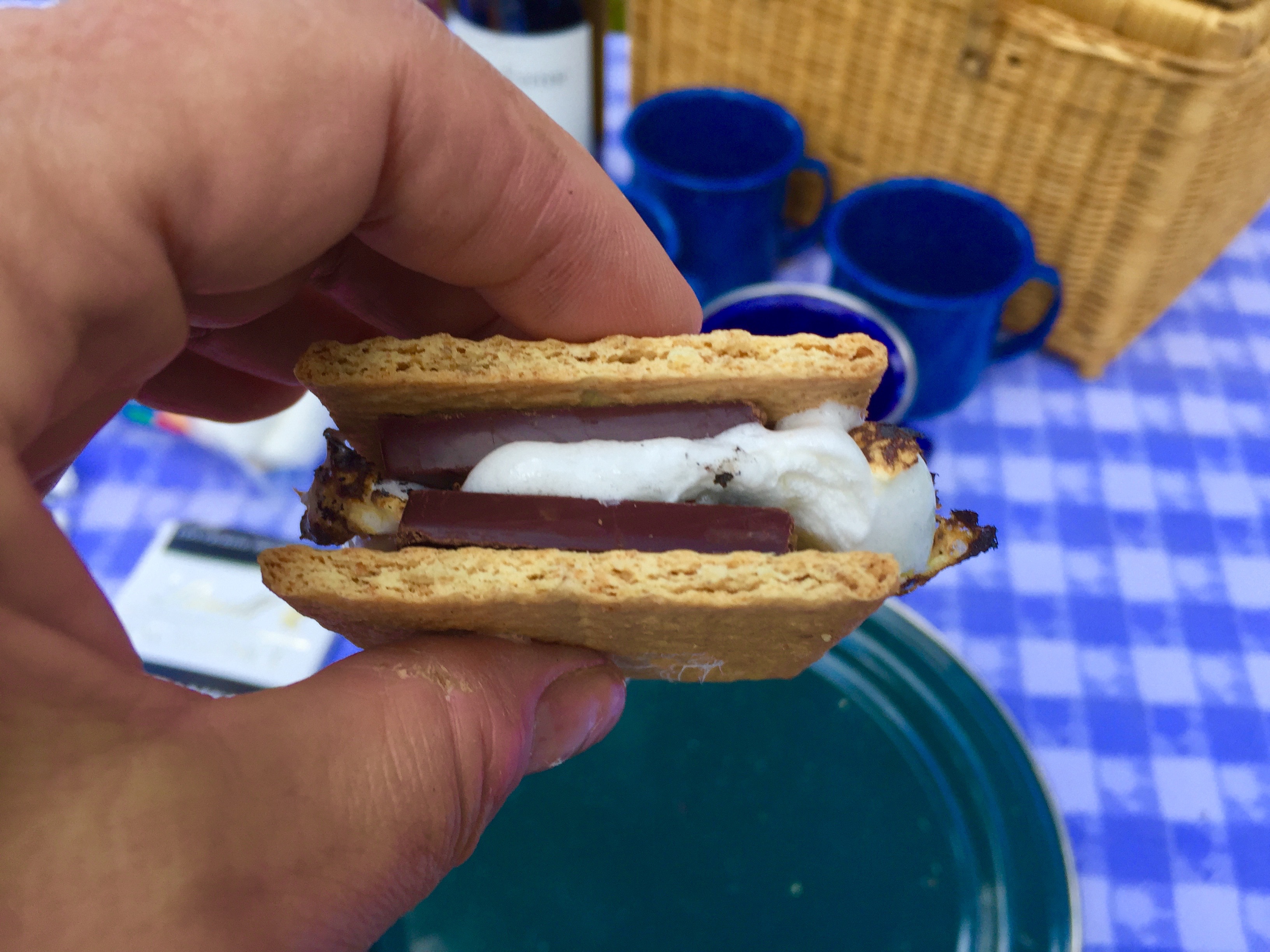
smush together, enjoy with adult beverage of choice
IMG_1840
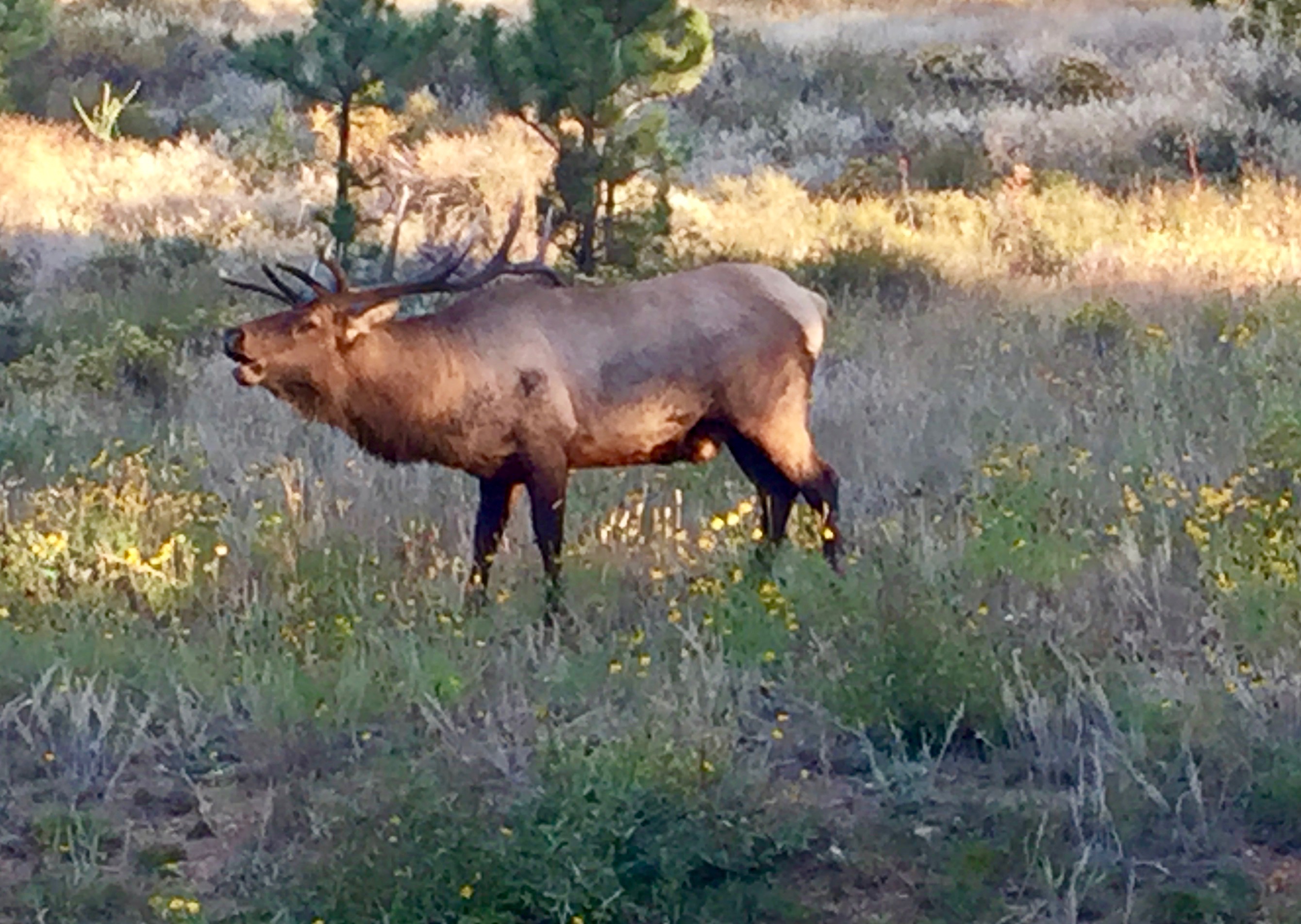
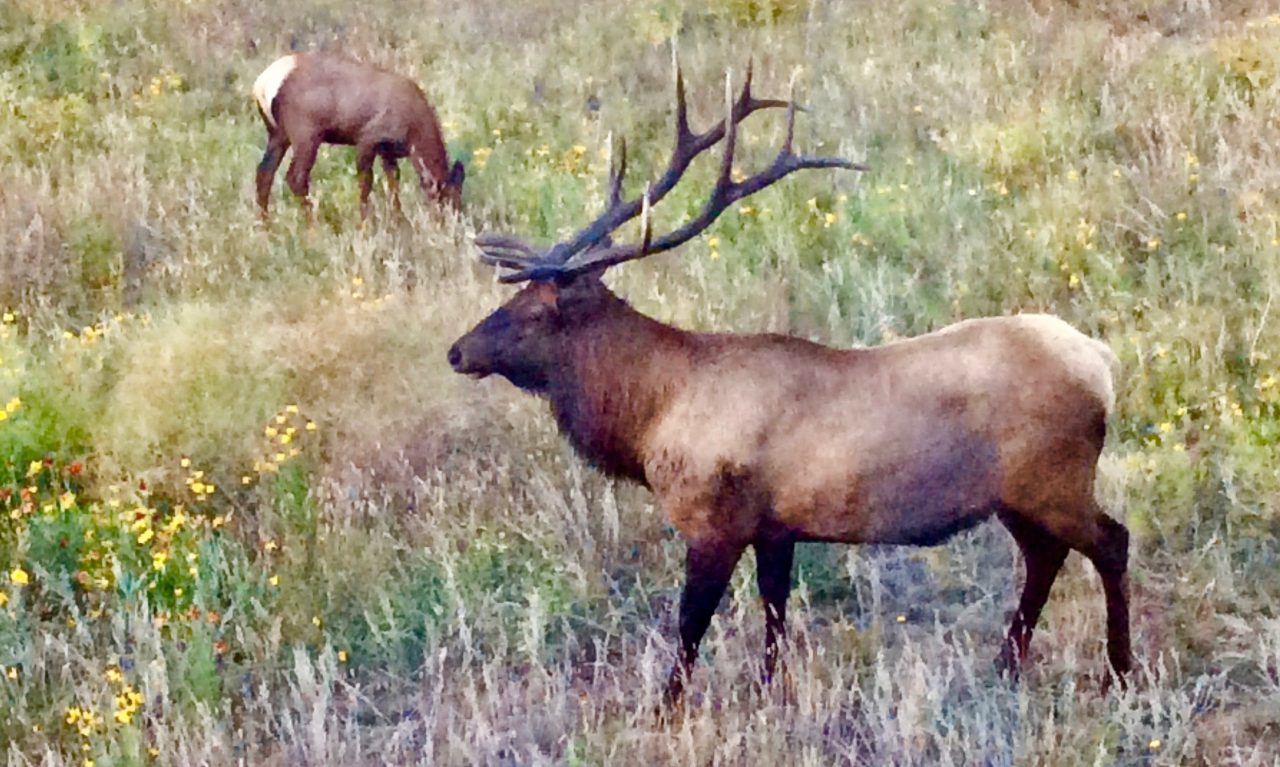
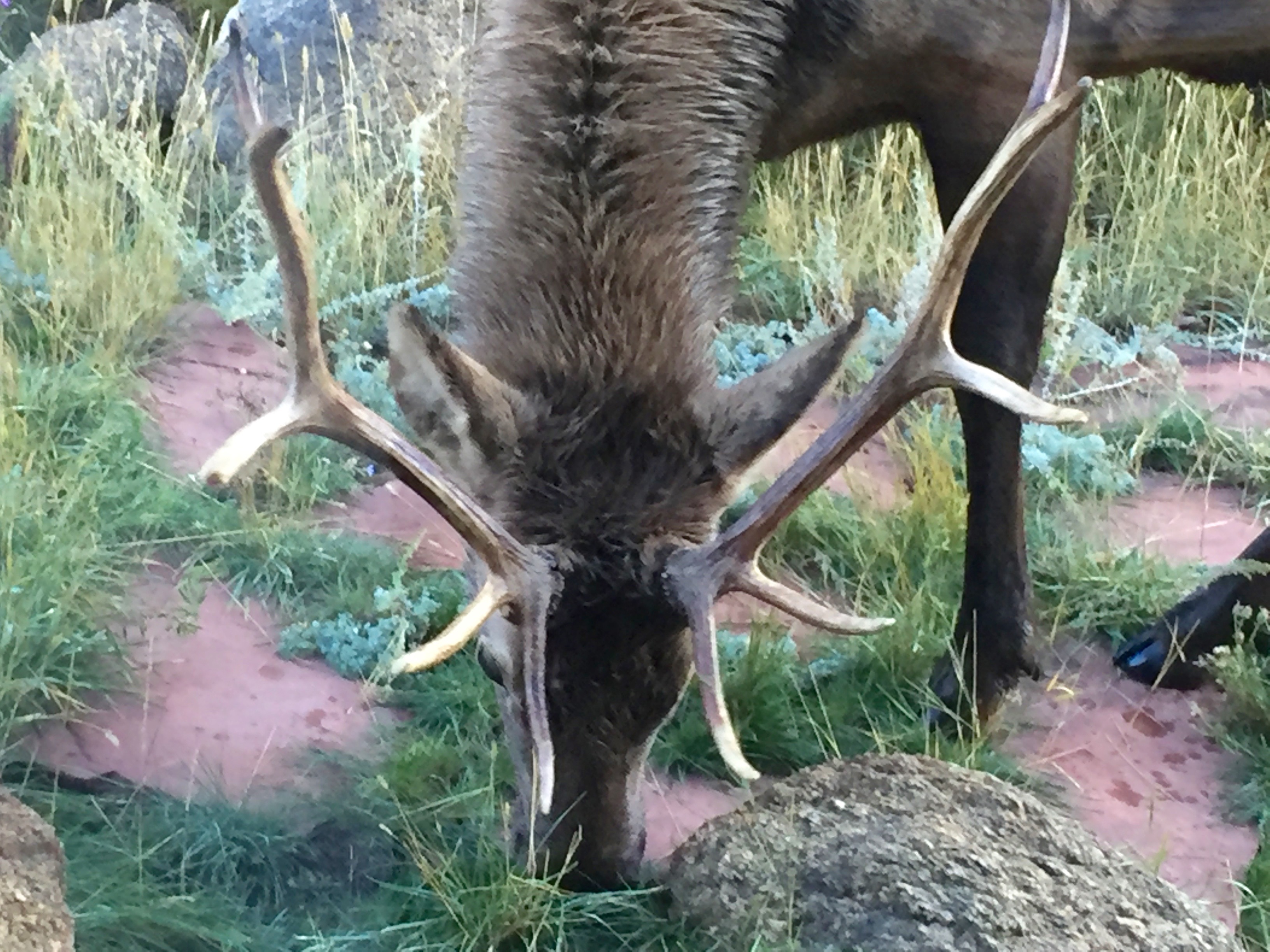
fall begins the elk rut. 6:30 AM bugling wake ups outside bedroom window

CLICK HERE for 30 second video taken from front porch of Mr. Big re-claiming the harem after three younger males tried a take-over coup

cropped-img_0027.jpg
IMG_0150
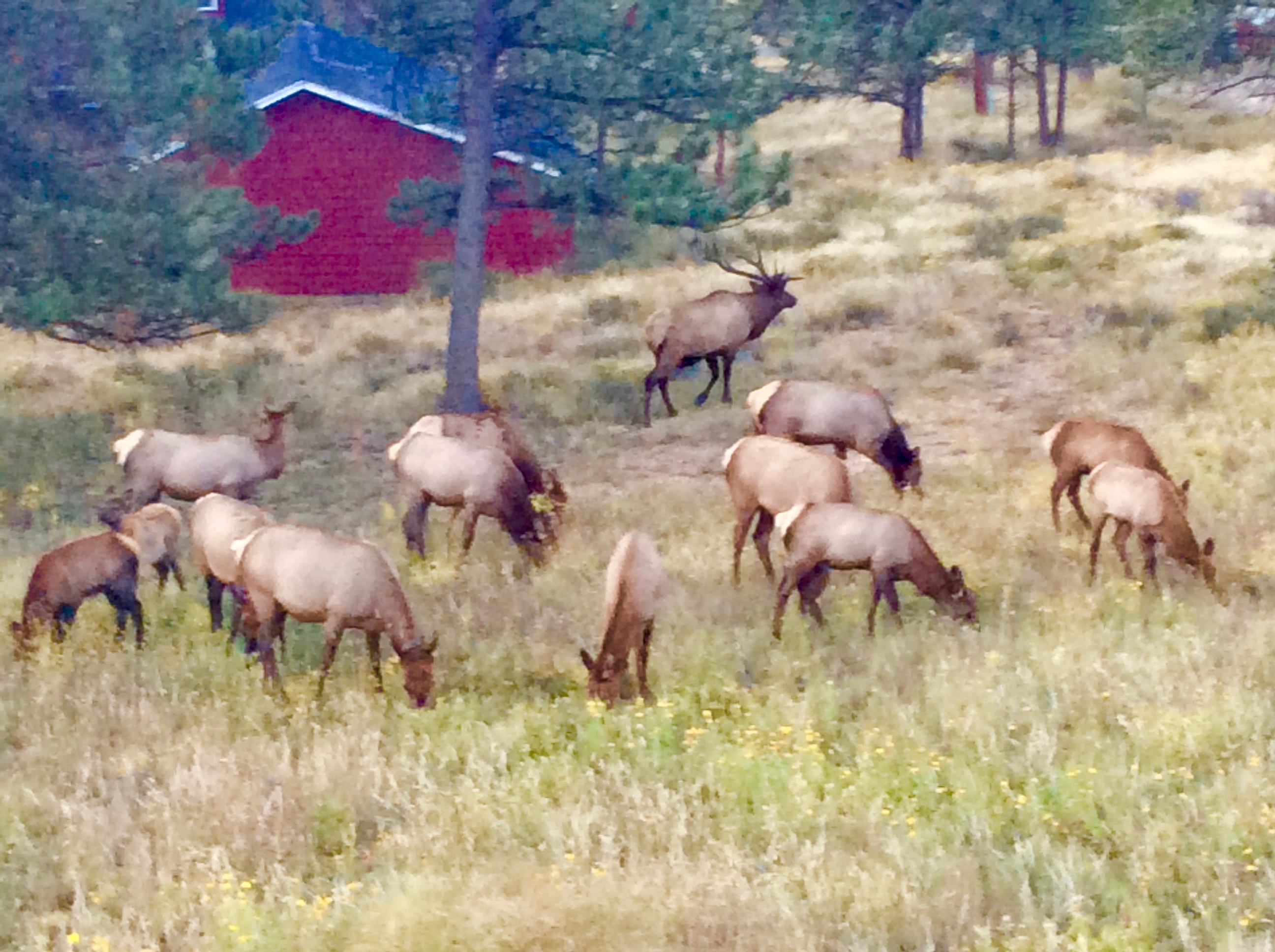
herding on south side of camp estes
IMG_1838
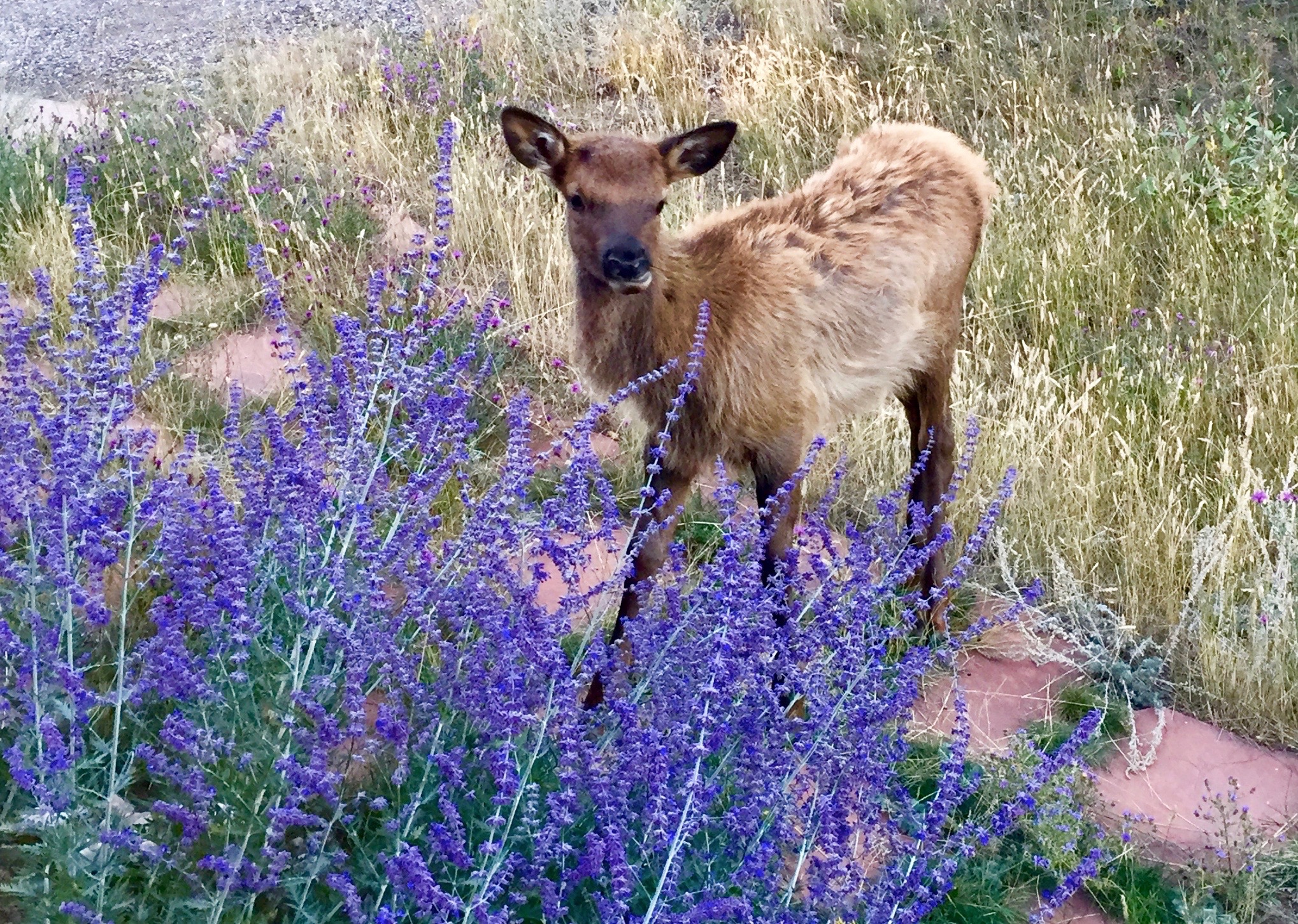
baby elk cuteness
IMG_8079
leila cuteness
IMG_8251
natural symmetry
IMG_1879
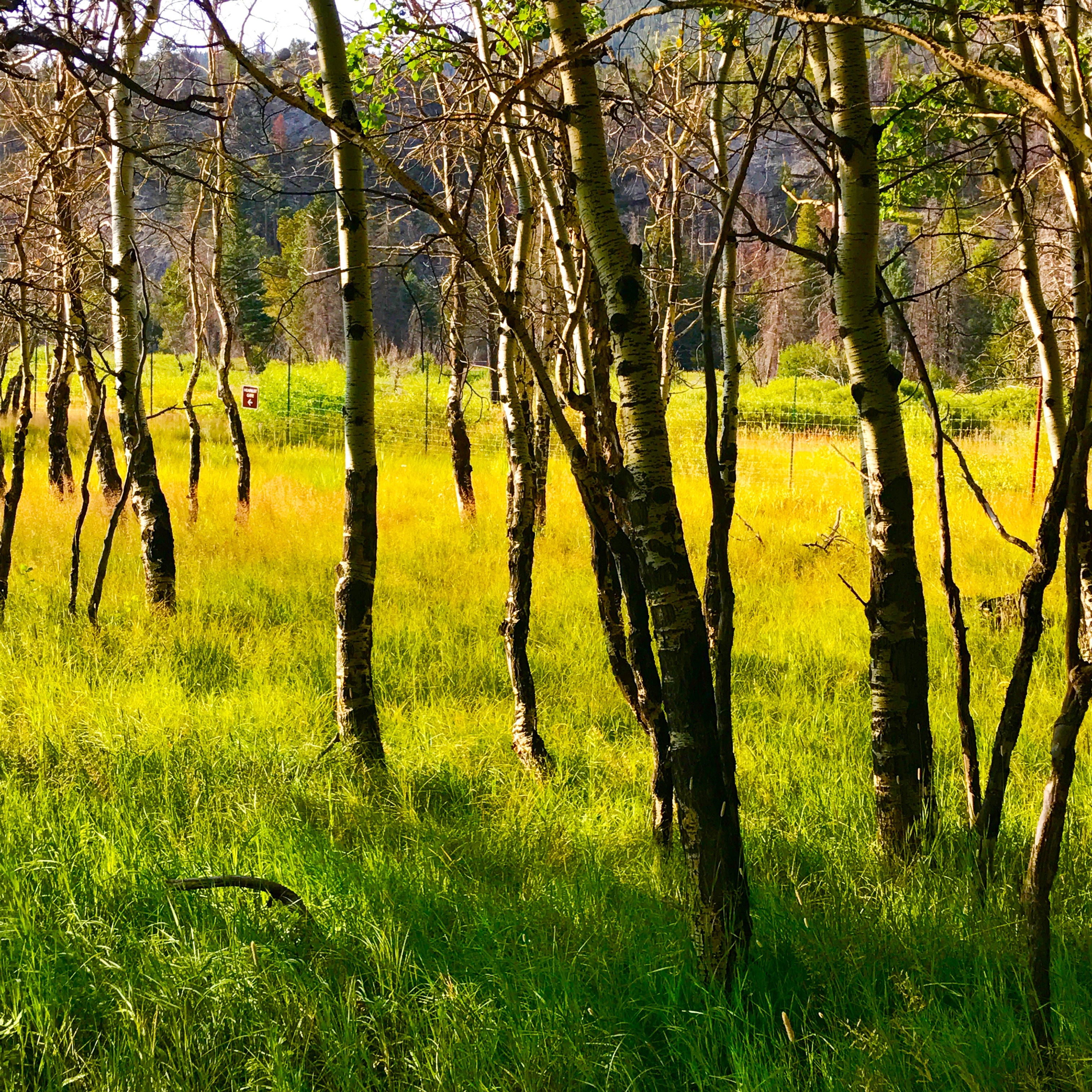
low clouds, aspen turning in distance
IMG_8180
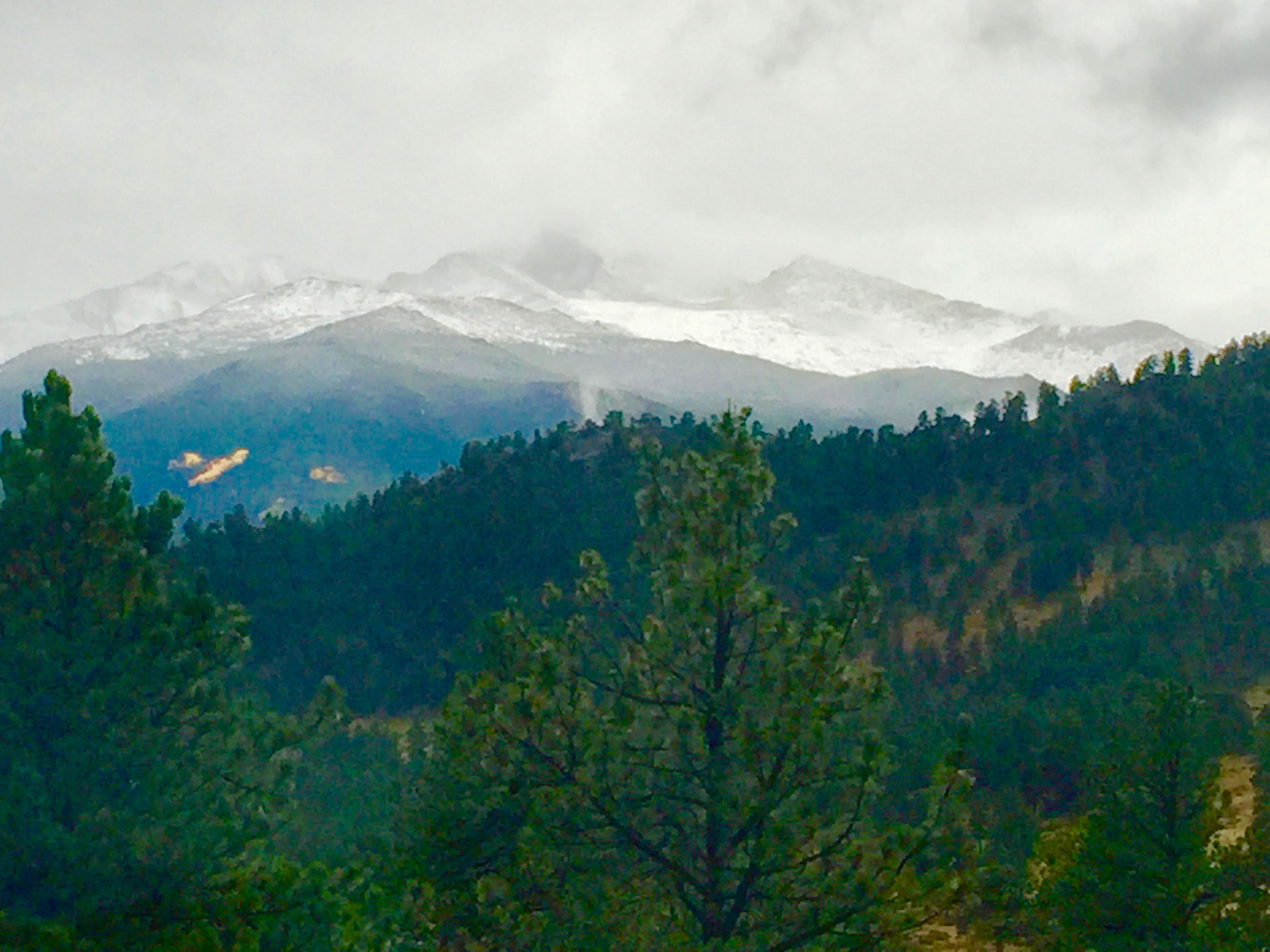
next day, new high country snow
IMG_0455
spirit of the flames turns into double horse head

And finally, to our darling grand-daughter Leila; I hope the wide and wild natural world will always be part of your adventure, that you will be nurtured by its rhythms and beauty, and know that nature exists to support all of her creatures. You are now part of the earth and it is part of you.

Climb the mountains and get their good tidings. Nature’s peace will flow into you as sunshine flows into trees. The wind will blow freshness into you, and cares will drop away like leaves of Autumn.

John Muir