The Unexpected in Normandy

This article touches only on the FRANCO-AMERICAN aspects of D-Day, 70 years ago. Other members of the Allied Expeditionary Forces landed in Normandy at the same time, assuring the success of the invasion. 
Screen Shot 2014-06-15 at 5.04.26 PM
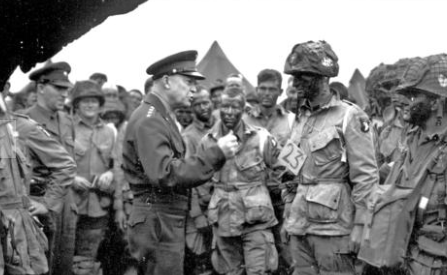
General Dwight D. Eisenhower and members of the 101st Airborne, pre-invasion, June 1944

Throughout military history, the most well constructed plans often result in unexpected outcomes. It happened on D-Day, June 6, 1944. In the pre-dawn hours, American paratroopers of the 82nd and 101st Airborne Divisions were scattered all over the Normandy countryside. Most of them had completely missed their drop zones. As they reached the coast of France, heavy incoming anti-aircraft fire caused C-47 pilots to turn on jump lights too quickly.

Soldiers landed far from designated assembly areas, sometimes losing weapons and equipment in the hasty exit. In the Band of Brothers episode, “Day of Days”, Captain Richard Winters and a nervous private were walking through the darkness looking for orienting landmarks. The private asked, “Do you have any idea where we are, sir?” “Some,” came the answer. The soldier mused, “I wonder if the rest of them are as lost as we are.” To which Captain Winters replied, “We’re not lost, private. We’re in Normandy.” 

And so were we. Unexpectedly. Seventy years later on June 6, 2014.

Just three days earlier the U.S. Embassy had issued an invitation for a small group from the American School Paris to attend the Franco-American D-Day Ceremony in Colleville-sur-Mer. Presidents François Hollande and Barack Obama would speak to guests and returning veterans at the American Cemetery overlooking Omaha Beach. For many soldiers it would be their last trip to the site where the tide of World War II turned. And, perhaps, their last time to honor fallen comrades.

DSC_1256
American Cemetery Omaha Beach, Colleville-sur-Mer

The embassy established a strict timetable. Our bus had to pass inspection in Caen at 6:30AM. The engine number was registered in advance for security purposes. It was another hour’s drive to the memorial site and a second security checkpoint. We were to be seated by 9:30AM. Traffic between Paris and the Norman coast would be heavy, so an early start was scheduled. But, unexpected things happen.

We left from the school parking lot at 3:00AM. Students retreated to the back of the bus and immediately fell asleep. The three adults chatted quietly for the first two hours. I dozed off briefly, but was awakened by loud engine noises and a bad smell. The bus was not moving. The mechanical problem was serious and unfixable. It was 5:30AM.

A replacement bus would arrive from Paris in two or three hours. There was no chance of making the security inspection on time, nor would engine numbers match the original paperwork. Students woke up, but remained quiet. The possibility of missing the ceremony was unspoken and on everyone’s mind.

Around 6:15AM, a Secret Service convoy pulled up next to us. We explained our situation to the lead driver who told us that he was chauffeuring Mary Eisenhower, Dwight’s granddaughter from his son, John. Everyone perked up at the “celebrity” citing. Unfortunately, agents nixed the idea of our group hitching a ride with the VIPs. They pulled out and drove on.

One student mentioned that his father was leading President Obama’s embassy detail in Paris. We called to tell him about the broken down bus and the ruptured schedule. Awhile later, two French “Gendarmerie” [state police troopers] arrived on motorcycles.
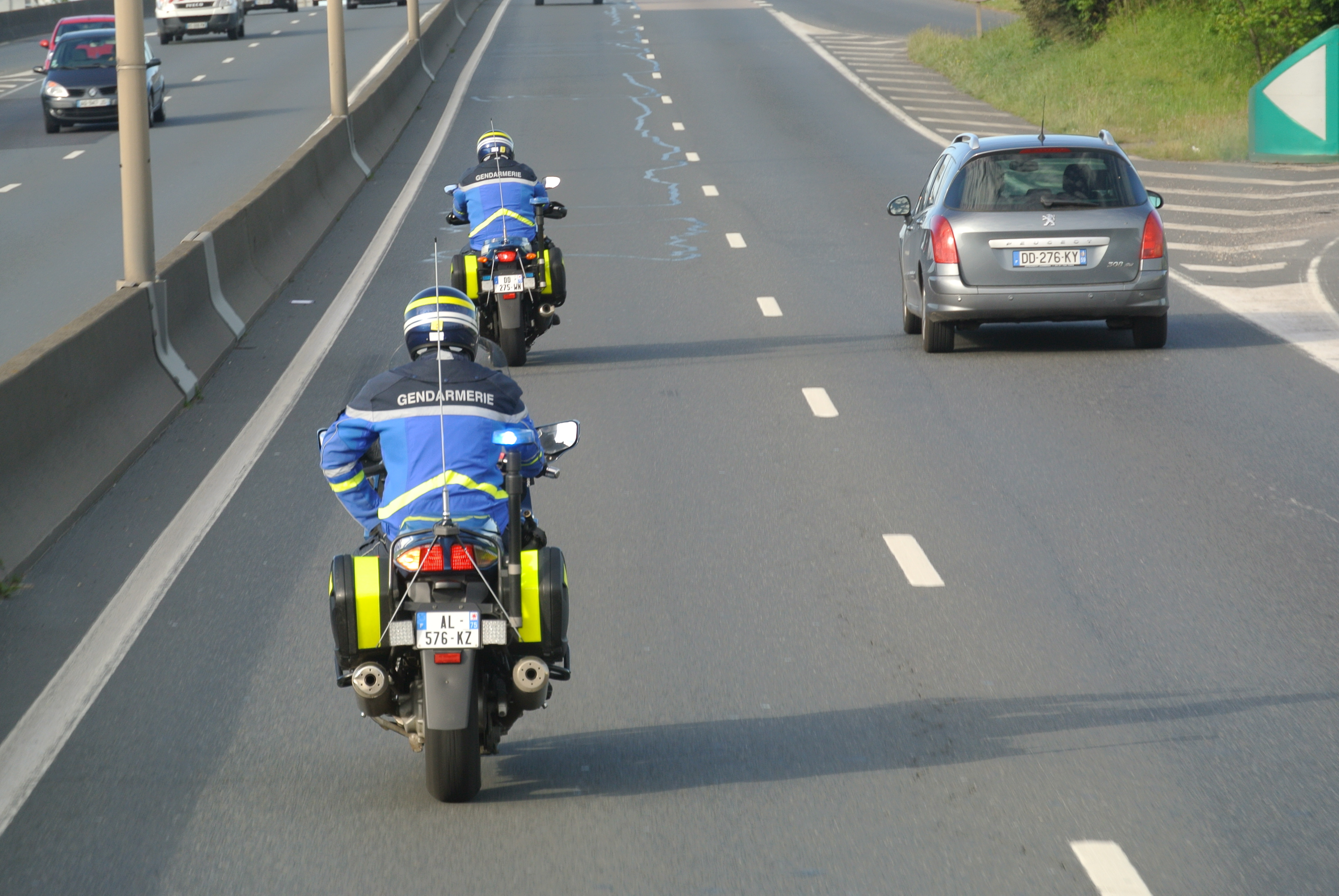
our escorts

The boy’s father had arranged for a personal police escort to speed us through the inspection checkpoint and on to the Cemetery! By 8:15 AM, we were back on the road with a new bus and personal “Gendarmes” leading the way. Moods shifted to a higher gear.

DSC_1205
leading the way to inspection point

At the first traffic jam, our escort turned on flashing lights and sirens and led us down the wrong side of the road. We skirted a long lineup of vehicles waiting to enter the inspection area. By 9:00AM, dogs had sniffed the bus, forms were stamped, and window stickers applied. Landing at Omaha Beach was next. Closely following the motorcycle brigade, we swerved around roadblocks and through roundabouts, literally holding onto our seats. Local residents lined the streets to watch the parade into the Memorial area.

DSC_1229
the way in

Arrival…10:00AM! After thanking the Gendarmes, we inched forward with the crowd waiting to pass through security scanners. Overhead, President Obama arrived on Marine One with four accompanying Osprey helicopters.

DSC_1232
merci beaucoup les gendarmes!

At the Memorial area, chairs overflowed with 15,000 people stretching down the grassy field between the white marble markers. More than 200 American veterans from D-Day 1944 were seated on the stage. Small French and American flags decorated each of the 9,387 grave sites. The sky and the sea, both deep lapis blue, created a stunning backdrop.
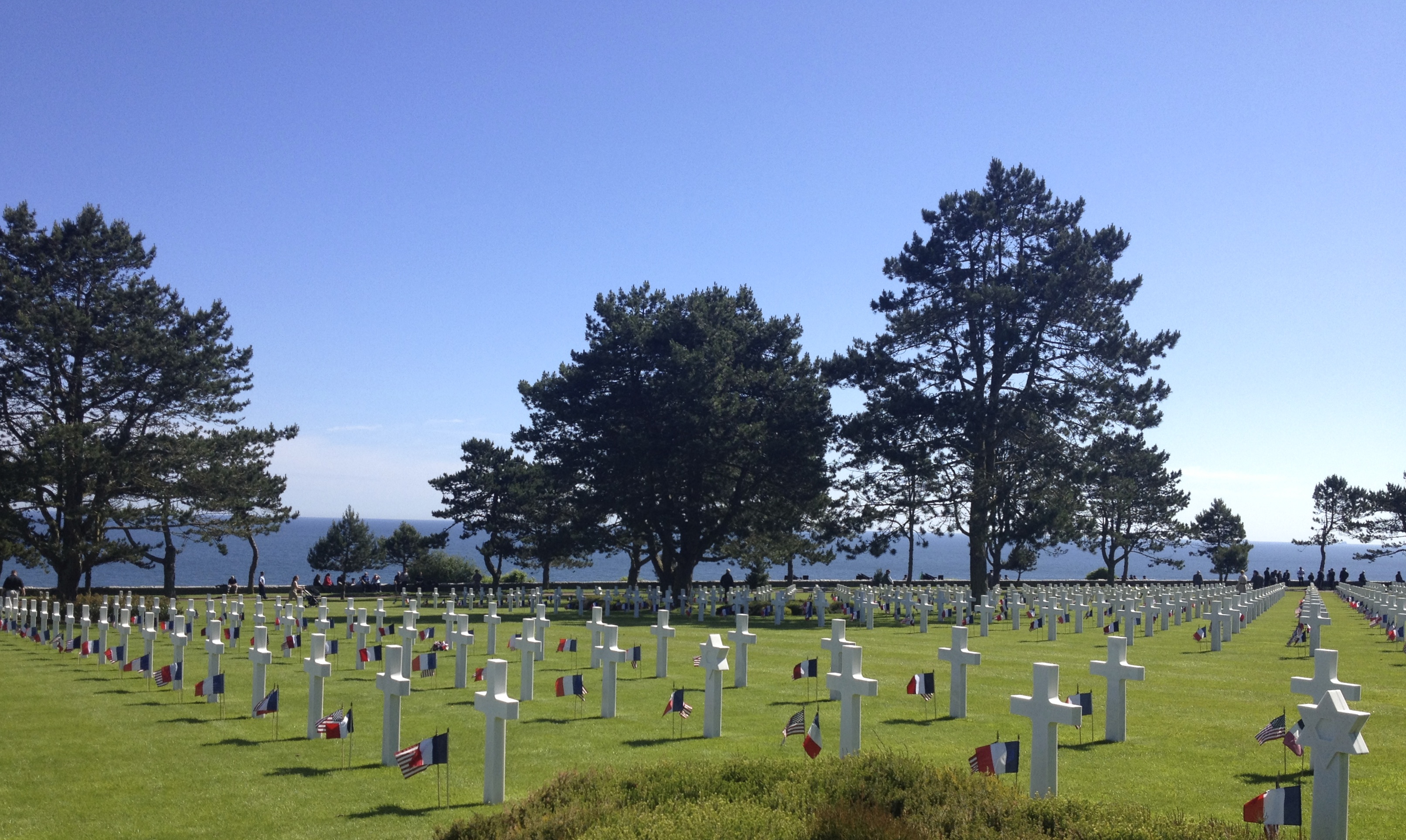
IMG_1390
the backdrop

The Ceremony officially opened with the posting of the colors, French and American. The two national anthems were played, followed by a prayer. French President Hollande spoke first. He commemorated the day, 70 years before, using beautiful descriptive language. He spoke of France’s gratefulness to the American Allies. He thanked the United States for both her help and the ultimate sacrifice made by young men. On the first day of the invasion, 4,000 American soldiers died. The Battle of Normandy lasted three months, until Paris was liberated at the end of August. The total cost was 20,838 American lives.

During President Obama’s speech there were two standing ovations for the veterans seated behind him. He said, “We are here on this Earth for only a moment in time. And fewer of us have parents and grandparents to tell us what the veterans of D-Day did here 70 years ago. So we have to tell their stories for them. We have to do our best to uphold in our own lives the values that they were prepared to die for. We have to honor those who carry forward that legacy today.”

The President reminded us, “Whenever the world makes you cynical…stop. And think of these men. Whenever you lose hope…stop. And think of these men.”

Together, the two presidents laid a wreath for fallen soldiers, followed by a moment of silence. Three cannons poised on top of the cliff above Omaha Beach boomed a 21-gun salute. A trumpet played “Taps”. Finally, four F-15 jets flew over the cemetery in “Missing Man” formation, remembering those who didn’t return home.

080227-F-9708M-002
missing man formation

Of all the unexpected events that had happened that day, the most meaningful took place when the ceremony was over. After the dignitaries departed, we approached the stage where some of the sturdier veterans lingered. We were able to listen to stories from the men themselves. I overheard an interview with one soldier, now 93 years old. His hand stayed cupped by his ear to hear the questions, but he answered each one clearly and modestly.
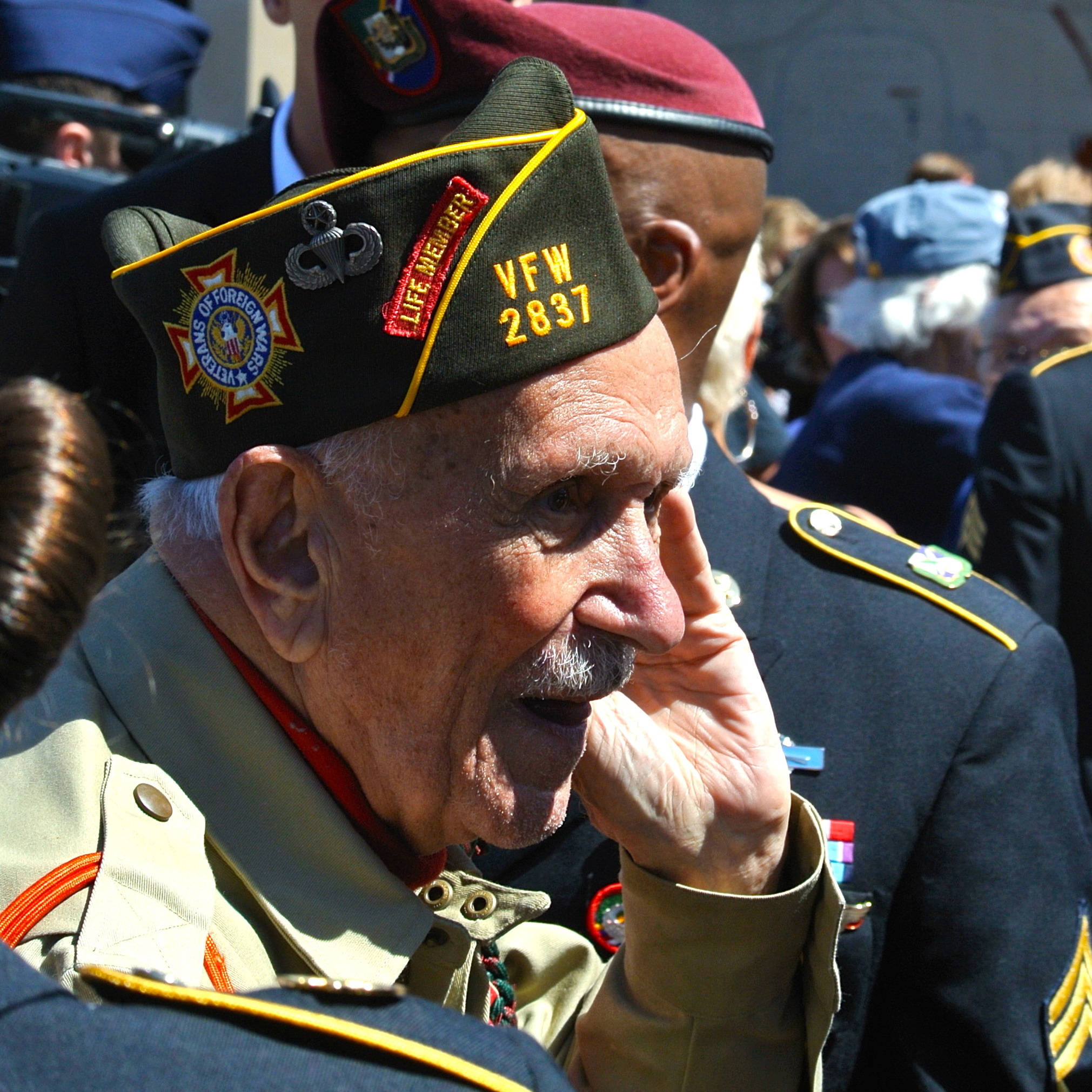
DSC_1263
 veteran interview
DSC_1273
American School Paris students and teacher listen to veteran stories
a soldier and a handshake

We shook hands with veterans in wheel chairs and on walkers, thanking them. The students listened intently to stories of the heroism of comrades who did not survive. Respects were paid to the men now resting in the serenity of the cemetery. Row upon row of white marble crosses stretch across the grass, each etched with a name, rank, company, hometown, and the day of death. They stand in perfect formation, like the soldiers themselves once did.

DSC_1258
in perfect formation

On June 6, 1944, the unexpected happened. That same day in 2014, none of us expected to feel such intense emotion and awe as we mingled with veterans. But we did. Every one of these men had been there on those bloody beaches or scattered across the countryside 70 years ago. What they accomplished changed the course of history for all of us. It is an impossible debt to repay.

Sharing this anniversary with American veterans from D-Day 1944 was an honor and a lifetime memory for everyone in our group. As the older voices continue to fade, it really is up to us to keep telling the stories, so the next generation and the next…will never forget the legacy left to us all.
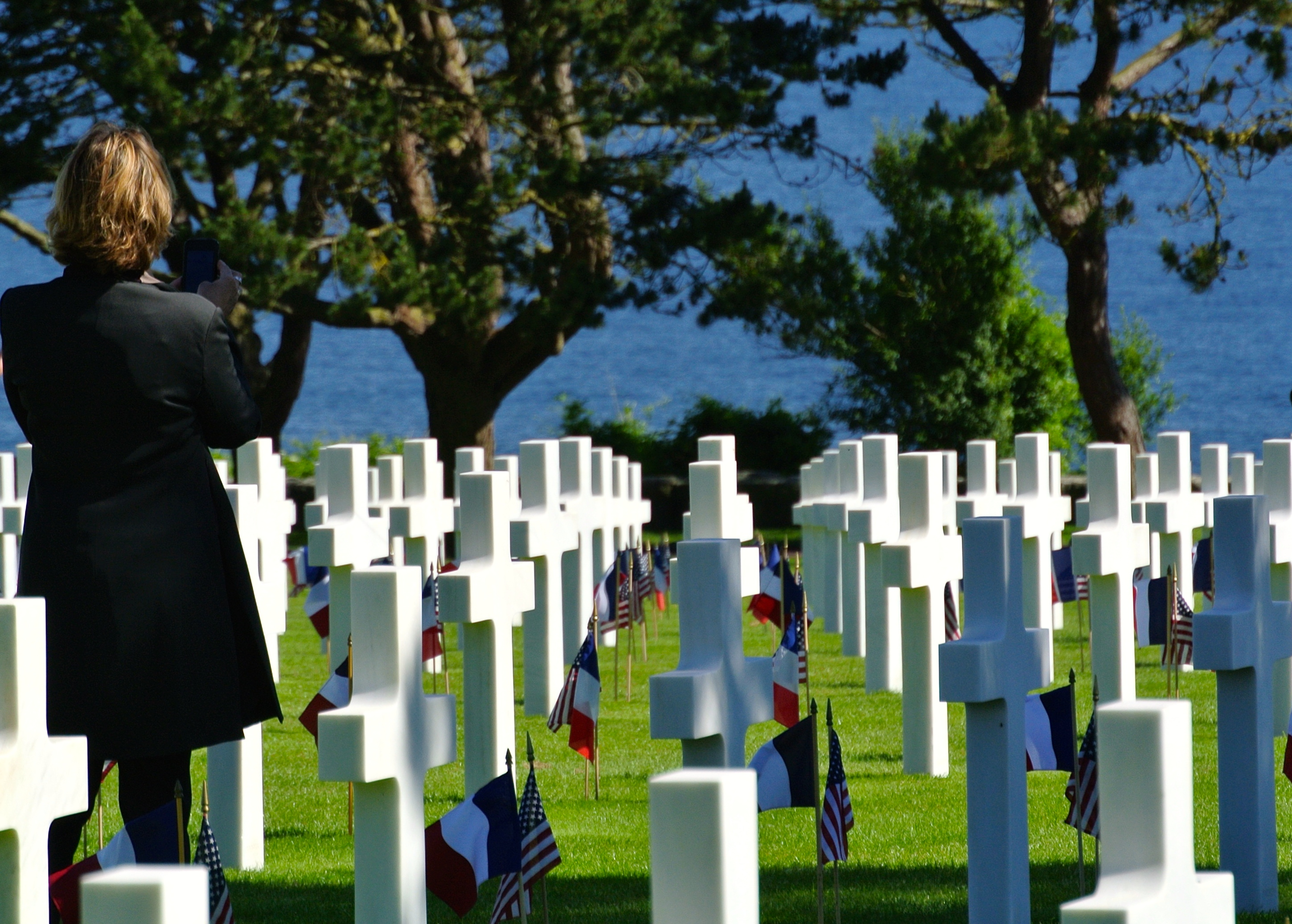
DSC_1239
reflecting among the fallen

Libby’s Lessons in Lauzerte

Libby is my renaissance friend. She lives in a small medieval village on top of a hill in the French countryside. Founded in the 12th century, Lauzerte was designated as one of 100 “Most Beautiful Villages in France” in 1990.

Screen Shot 2014-03-30 at 9.14.40 PM
central square, Lauzerte
Screen Shot 2014-03-30 at 9.12.24 PM
opening onto town square

Although Libby is talented in painting, writing, decorating, and starting successful businesses, she inspires me most with what comes out of her kitchen. I learn something memorable about food every time I see her. She and her husband left the hectic world of U.S. finance to retire early and bought a farm in rural France.

Libby paints sheep
Libby paints sheep

Before long, they opened a “Luxury Boot Camp” called Camp Biche in a ten-bedroom stone mansion, half a block from the central square in Lauzerte. It’s a place where you go to exercise [a lot], receive daily massages and eat three well-proportioned meals a day, including dessert and wine. The result is to lose weight and inches and discover hidden muscles. “Camp” is the kind of place to jump-start the way to a fitter, leaner, healthier you. But it’s not for the faint of heart.

Around Easter in April 2009, I went to see what boot camp and luxury had in common. Advertising had put them on the map, but I was the solo guest for two weeks. At 6:30AM the day began with a glass of hot lemon water and 30 minutes of abdominal exercises followed by an hour of yoga. Then came breakfast, which was always a bowl of Libby’s homemade granola with sheep’s yogurt and freshly cut up fruit, coffee or tea. After eating, it was out the door to hike the rocky, hilly, pilgrimage trails of southern France for the next three to four hours. Lunch was served at 1:00PM, in three courses, with a brief rest afterwards. Back to the exercise room at 3:00PM for one hour of weight training and aerobics followed by an hour of Pilates mat work.

countryside around Lauzerte

At 5:00 PM came the blessed massage and a post-exercise swoon. A soaking bath with aromatic soaps and oils, a shower, and dressing for dinner almost completed the day. The first week, I made my way downstairs to the dining room holding onto both the wall and the ancient wooden banister, negotiating one step at a time. Pausing halfway down to admire candles on the landing gave ache-y muscles a tiny rest.

Dinner was always a fine reward. The table was set with antique linens and good china. A candlelit chandelier and wood burning fire created warmth and ambience. Locally produced wine accompanied the three-course dinner. No bread was ever served. Each meal was based on nourishing food in reasonable portions without the contents of a basket of bread to nosh on between courses. Instead, “carbs” were consumed in small glasses of wine, which was fine by me.

Somehow, I kept my part of the conversation going until I could excuse myself and navigate up the stairs for the night. Over the course of fourteen lunches and dinners the three of us covered a lot of conversational territory. Libby and I became friends.

After I was a guest, Libby read The China Study by Campbell & Campbell. The menus changed overnight as she embraced all vegan cuisine. She took charge of the kitchen, planning and preparing all meals. The food was still amazing and few guests complained. Online reviews raved about the meals and the hard-earned body changes typical after a weeklong stay.

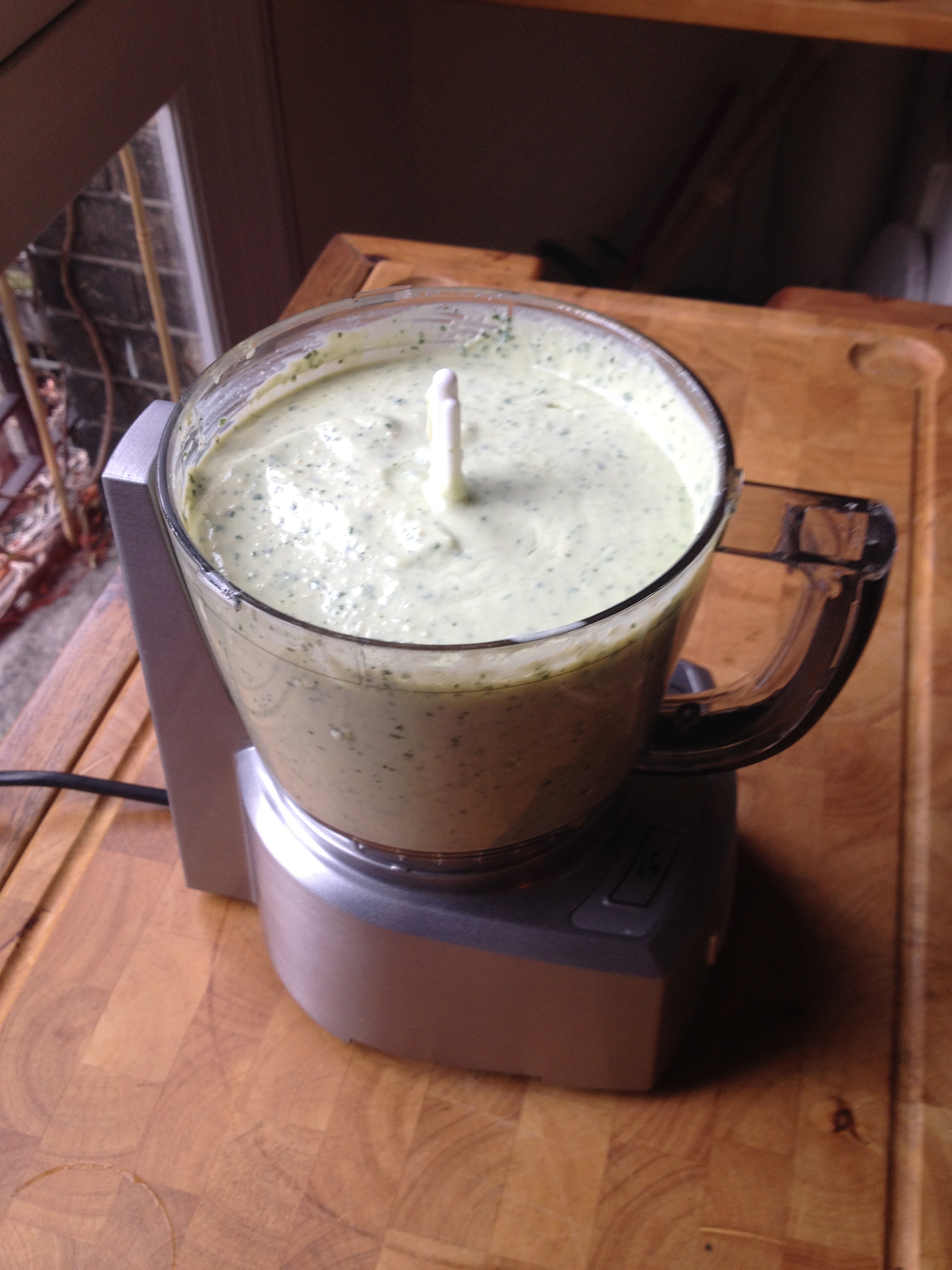
In early March of this year, I took the train from Paris to help Libby with a big spring cleaning before the guest season began. Eating was informal and mostly unscheduled. We prepared a couple of delicious veggie soups, but a food epiphany was born in the middle of a sandwich. The bread spread Libby called “Cashew Ricotta” was anything but a nutty cheese. Vegan it is and ricotta only in name. It’s inherent creaminess and spread-ability came from very soft tofu blended with raw cashews, fresh lemon juice, olive oil, garlic, salt, and basil.

The first taste was transformative. Giving up sea-salted butter on my toast for the week? Not a problem. Liberally spread, Cashew Ricotta on the morning baguette fueled energy for vacuuming cobwebs, dead bugs, and dust bunnies, wiping out cupboards and shelves, hauling firewood, and carting many wheelbarrow loads to the garbage and recycling bins. I sneaked restorative breaks by dipping into the container of “sandwich spread” with carrots, cucumbers, bread and occasionally a finger when nothing else was available. An obsession was born.

IMG_0578
cashew ricotta and sandwich ingredients

With a few ingredients and a food processor, Cashew Ricotta can be made in a flash. It’s a wonderful alternative to hummus since it is also vegetable protein. As well as on sandwiches and toast, it can be used as a dip for crudités, breadsticks, crackers, a topping on baked or boiled potatoes, even hardboiled eggs. It’s probably pretty incredible with French fries but I haven’t tried that, yet. Good-bye forever store-bought mayo! This spread could easily be mass marketed, but the best way to enjoy it is to make your own, à la Libby.

IMG_0553
ingredients
IMG_0566
tofu, cashews, lemon, garlic, olive oil, salt, basil

CASHEW RICOTTA– Sandwich Spread

  • ½ cup RAW cashews [4oz.]
  • ¼ cup fresh lemon juice
  • 2 T. olive oil
  • 3 garlic cloves [can be roasted too]
  • 1 lb. very soft tofu, drained [the softest and creamiest you can find]
  • 1 ½ t. dried basil [can use fresh basil in larger amount]
  • 1 ½ t. salt

In food processor blend cashews, basil, lemon juice, garlic. Then add tofu, oil and salt. If using fresh basil, cut into smaller pieces with scissors and add with the second batch of ingredients. Use as much as you want until you like the color.

IMG_0496
processing
IMG_0737
served with crudités

After twelve successful years of operation, Camp Biche was put on the real estate market in 2019. All of us who went there once, or multiple times, will remember our “luxury boot camp” experience with fondness. Good luck Libby and Craig on next ventures!

The Lowly Leek from Boring to Sublime

Because I live in France and am an unabashed Francophile, things that are part of French food culture often become my eating habits, too. Certain food and drink customs have been more adoptable than others.

For example, I’ve learned to love eating foie gras accompanied by a glass of Monbazillac wine. The sweetness of this wine melds perfectly with a slice of foie gras sprinkled with crystals of sea salt. Foie gras on toast followed by a sip of this wine takes me to a close-your-eyes-and-enjoy-life kind of moment.

IMG_0625
foie gras and toast with Monbazillac wine

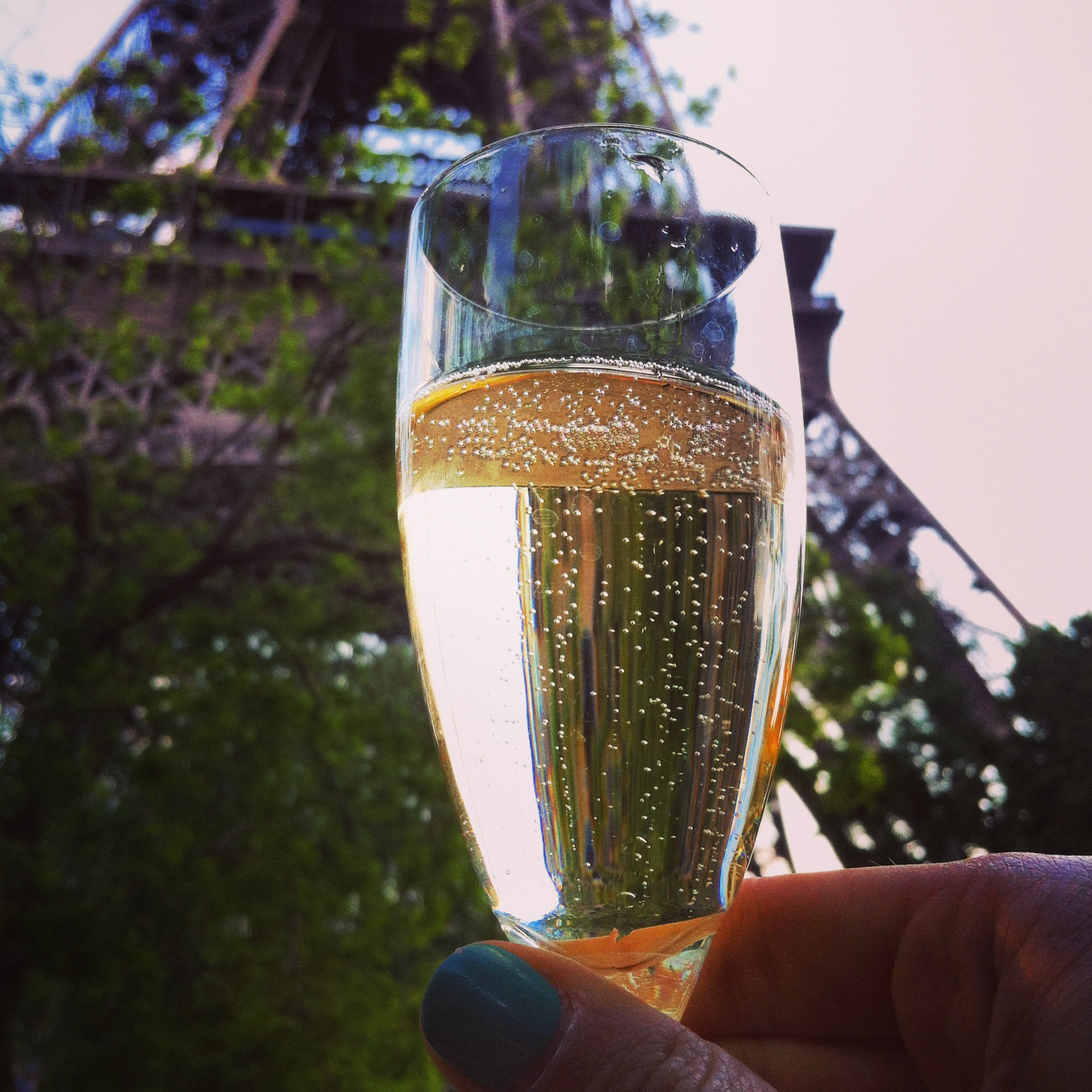
For breakfast, I slice baguette “cereale”, full of seeds and nutty grains, into half lengthwise. I eat it hot from the toaster and smeared with butter from Brittany with chunks of sea salt in it. My daughter says I have a salt dependency, but I enjoy the crunch and burst of flavor when I bite into a crystal of buttery salt on good toasted bread. Another local custom I adopted quite naturally is a glass of Champagne as an aperitif or with meals.

IMG_1993
bubbly apéro

There were other adaptations to French food culture. I eat escargots occasionally, but beef “tartare” never. In France, escargots drowned in garlicky butter and mopped up with torn off pieces of baguette can be pretty delicious, when the mood is right. Although many people enjoy plates of seasoned raw beef [tartare de boeuf] with crispy pommes frites alongside, I can’t get my mind around what the mushy texture might feel like in my mouth. I’ll have my pommes frites with an omelet and salad, thank you.

There have also been some unexpected surprises. Which brings me to the subject of the leek. Leeks are prominently displayed in every indoor and outdoor market, with thick green tops and shiny scrubbed white stalks. They are eaten in a myriad of ways–cooked and marinated as an appetizer, in soups and salads. Leeks are well represented and utilized as a vegetable, but I had never bought or prepared one before we lived in Paris.

IMG_0328
market display

I was seduced into trying leeks in a rather offbeat way.  While reading the book, French Women Don’t Get Fat, I diligently copied the secret recipe that every French woman turns to when her waistband begins to feel snug, but before things get radically out of control.  According to author, Mireille Guiliano, French women know to slice up leeks, boil them into broth, sip the soup, and eat boiled leek salad for two days. Thereafter, order is restored to the waistline.

On a day when it took several attempts to close the button on my jeans it was clearly time to give this recipe a try. I prepared two pounds of leeks by cutting off the green parts, slicing one inch pieces and placing them into a large pot of water to which I added some powdered veggie bouillon. [The French recipe uses unflavored water.] They simmered until soft which didn’t take very long, 15-20 minutes. The cooked leeks were separated from the reserved liquid. The plan was to drink broth every two to three hours and eat the remaining leeks drizzled with lemon juice, olive oil, salt and pepper for the next two days.

I can do anything for two days.

IMG_0368
boiling in veggie bouillon

Throughout the day, whenever I was hungry I sipped leek broth from a mug. It was warm and nourishing in an onion-y kind of way and the bouillon gave it a little salt kick. While my husband ate a normal dinner that evening with a glass of wine, I happily consumed cold boiled leeks with lemon juice, salt and pepper and a glass of water. Just like French women do when their clothes are too tight.

IMG_0382
the french woman diet plan

By the next morning, I was over it. Looking at the refrigerated leftovers was so grossly unappetizing that yesterday’s waist reducing efforts stayed covered, ignored, and soon to be forgotten. There was little hope except to toss things out when they began to smell.

A solution surfaced serendipitously. While weeding out some old papers and magazines, I came across this:  “30- minute recipe for Potato-Leek Soup with Chives“. Maybe redemption was possible with a few added ingredients.

IMG_0337
a few added ingredients

I simmered three thinly sliced potatoes in the veggie leek broth until tender, sprinkled grated nutmeg over the cooked leeks and pureed everything in the blender. The result was a velvety textured, fragrant, soulfully nourishing soup, delicious soup.

That night my husband ate three bowls full.

And I learned not to judge food by first encounter because the seemingly boring leek can become so-very-sublime.

photo 15
leeks reinvented

POTATO-LEEK SOUP WITH CHIVES

  • 2 T. olive oil
  • 2 large leeks, light green and white parts thinly sliced [2 cups, or more]
  • ¼ t. grated nutmeg
  • 1 lb. Yukon gold potatoes [3 medium] peeled and thinly sliced [any potato will do]
  • 3 3/4 C. vegetable broth [can use low sodium]
  • finely chopped chives

Heat oil in large pot over med-low heat. Add leeks, cover and cook 5 min. Add nutmeg and cook 1 min. more. Stir in potatoes and broth. Bring to a simmer. Partially cover, reduce heat and cook 10 min. or until potatoes are tender. Purée with an immersion blender. [Or a regular blender]. Serve hot or chilled, sprinkled with chives. Velvety and golden. Serves 4.

photo 17