
There is nothing more beautiful than a sunset, viewed over a glass of chilled Champagne. –Jared M. Brown
I only drink Champagne when I am happy and when I am sad. –Lily Bollinger
Too much of anything is bad, but too much Champagne is just right. –Mark Twain
In the beginning, Champagne was not a wine. It was an area in northern France known for producing fine wool. Scattered vineyards made a bit of wine for local imbibing. It was rough and pinkish brown and bubbles were considered a bad sign. For several centuries there was a lot of sacking, burning and desecration of the region, especially during the Crusades and the 100 Years War.
In the late 1660s, a young Benedictine Monk named Dom Pérignon was assigned to the Abbey d’Hautvillers to bring it back to life and productivity. This meant resurrecting the vineyards.

Here is where legend and fact collide. Dom Pérignon has been credited for “inventing” champagne. A famous quote speaks of him hailing fellow monks, “Come quickly. I’m tasting the stars!” But the truth is–Champagne invented itself.

All wines bubble when grapes are pressed. Yeast cells on the skins mix with sugar in the juice and fermentation begins. But no one knew about yeasts then. Bubbles were considered a flaw of nature. Fizzy wines were unacceptable for Mass.
What Dom Pérignon did do was pave the way for the Champagne industry of today. He set down some “Golden Rules for Winemaking”. Like using only the best grapes and discarding the rest, pruning hard in the spring, harvesting in cool weather, and pressing the grapes very gently, keeping the juices separate with each pressing.
The most important thing he did was blend different grapes. The harmony he created between balance and taste was unequaled at the time. He mixed grapes from different parts of the region–a completely new concept. Myths arose because he was extraordinary, but in actuality he just made better wines than anyone else. He was an innovator and adaptor with keen observation and taste. He started using corks as stoppers rather than wooden pegs. Still, most of the wine he made was red, not white. And definitely not sparkling.
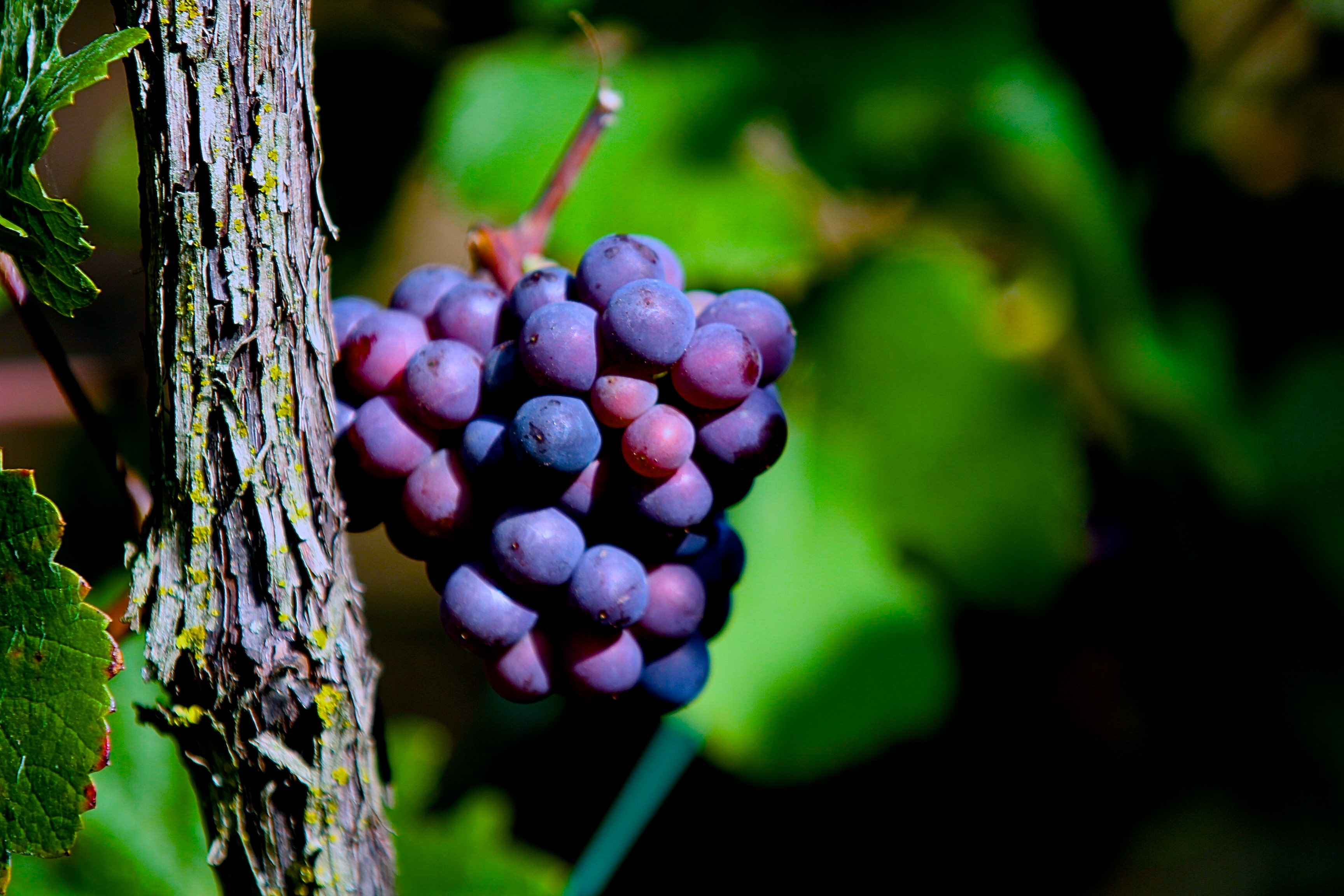
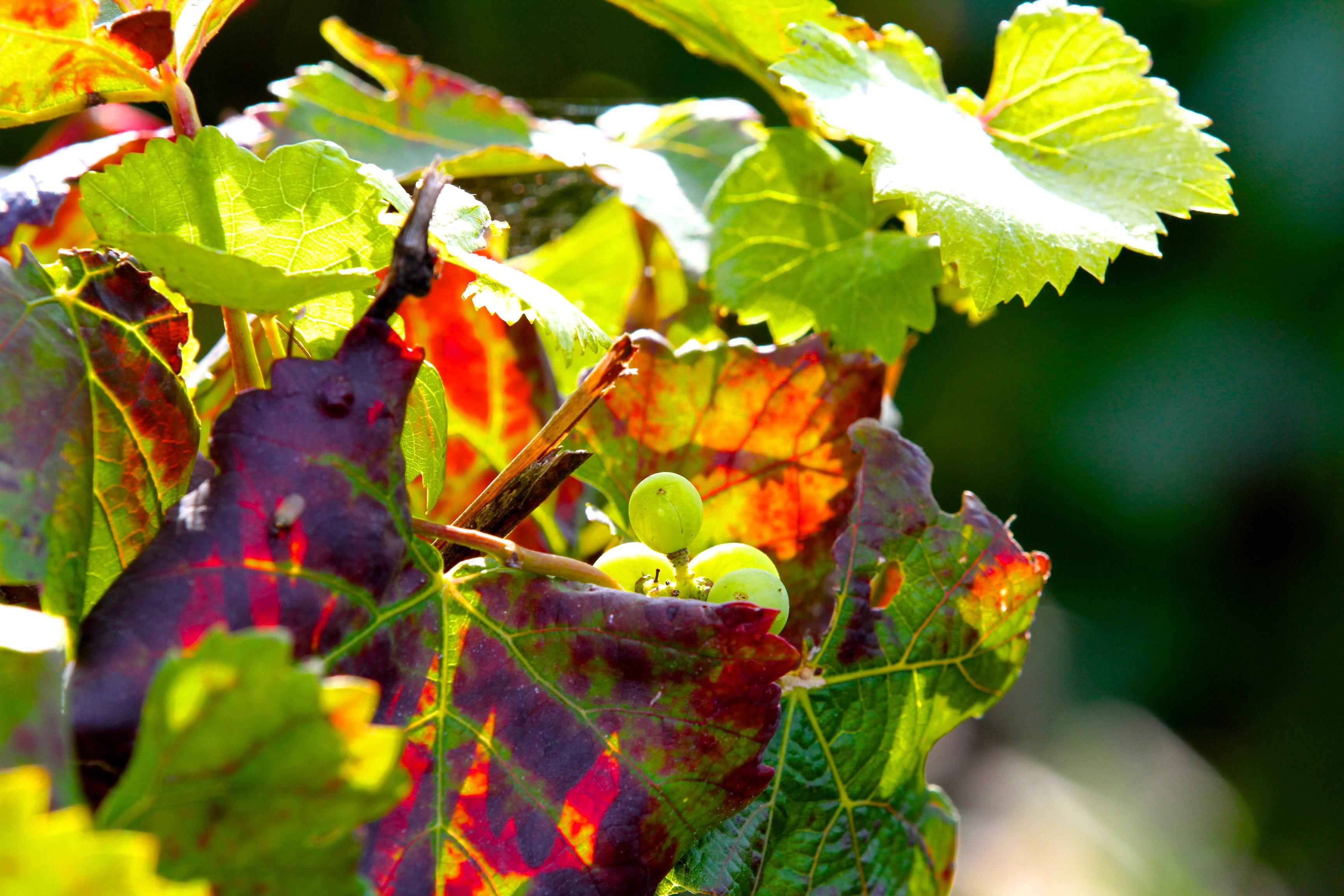
Geographic proximity to Paris [and royalty] further enhanced the region’s reputation. Coronations in the cathedral in Reims featured massive celebrations. Partying Kings and courtiers drank the local wine and decided the erratic tingle in the mouth was rather pleasant. By 1730, Champagne was the beverage throughout European courts.
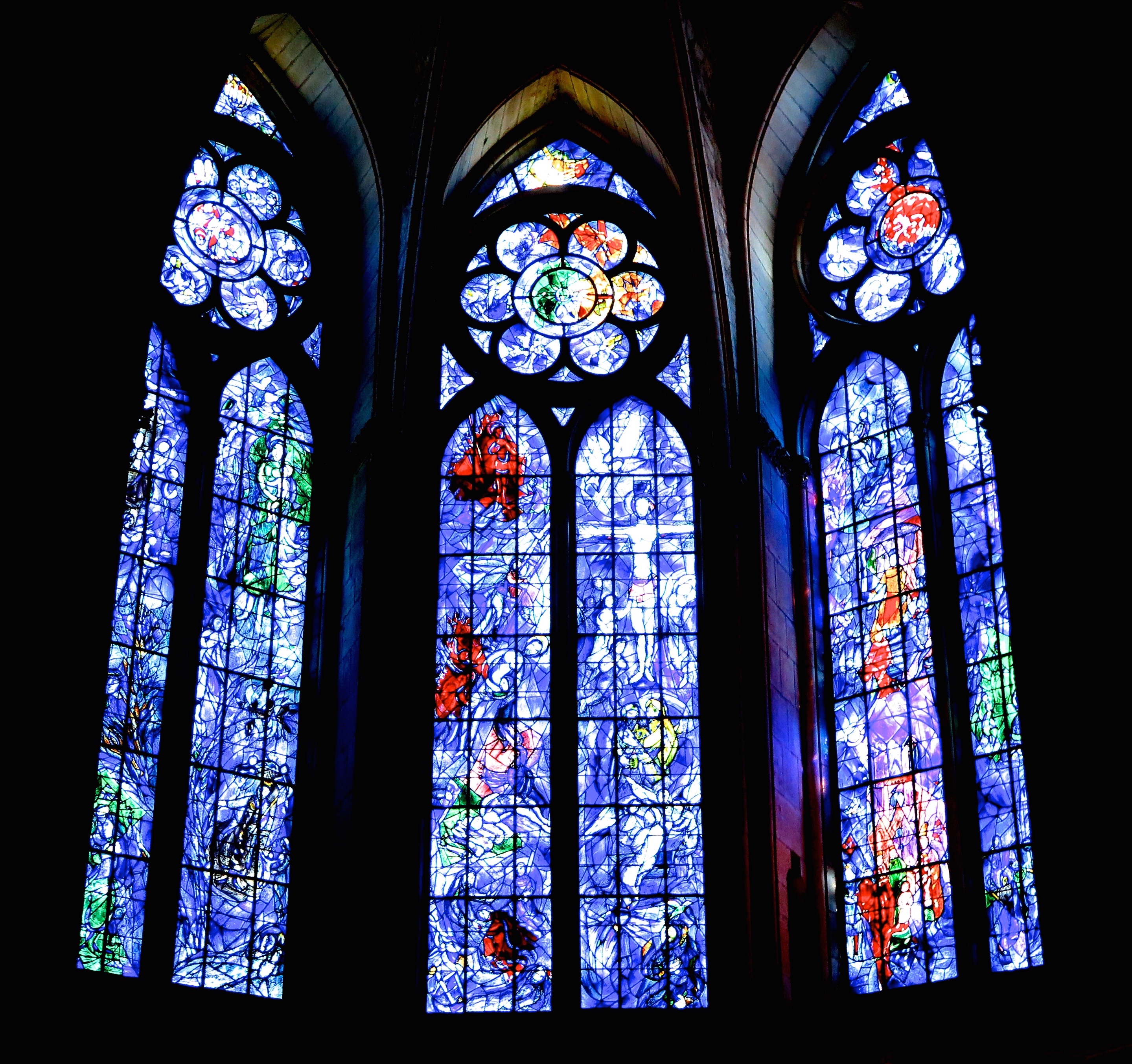
Production, however, remained unpredictable. It had either too much or too little fizz. There was also the danger element. Because fermentation inside the bottle was uncontrolled, excessive build up of gas caused unexpected explosions. More than a few people were maimed or killed.
Still, love for Champagne continued to rise in France and throughout Europe.
Napoleon purposefully stopped in Épernay before every military campaign to pick up a supply. “In victory I deserve it. In defeat I need it.” One time, in a rush, he failed to make the stop. He was on his way to, well…Waterloo.
Fast forward to the mid-to-late 1800s. Louis Pasteur discovered yeast cells. Fermentation became more than a “strange phenomenon” that exploded wine bottles. Wine making took off with newly applied knowledge. Stronger glass bottles, the invention of the wire muzzle and metal foil to hold down corks propelled Champagne’s future.

A common consumer complaint was the unpleasant murkiness left inside bottles from dead yeast cells and other byproducts of fermentation. The discovery of disgorging this sediment became the crowning glory to Champagne fame.
Widow Clicquot [of Veuve Clicquot Champagne] and her cellar master experimented with trying to remove the sticky mess. He cut holes into the widow’s wooden kitchen table and inserted the bottles upside down, suspended by their necks. Periodic twisting and shaking dislodged the sludge and moved it gradually toward the cork. When the cork was pulled, sediment shot out leaving most of the wine and bubbles. Topped off, re-corked, and it was ready to ship. The secret leaked. An industry took off.
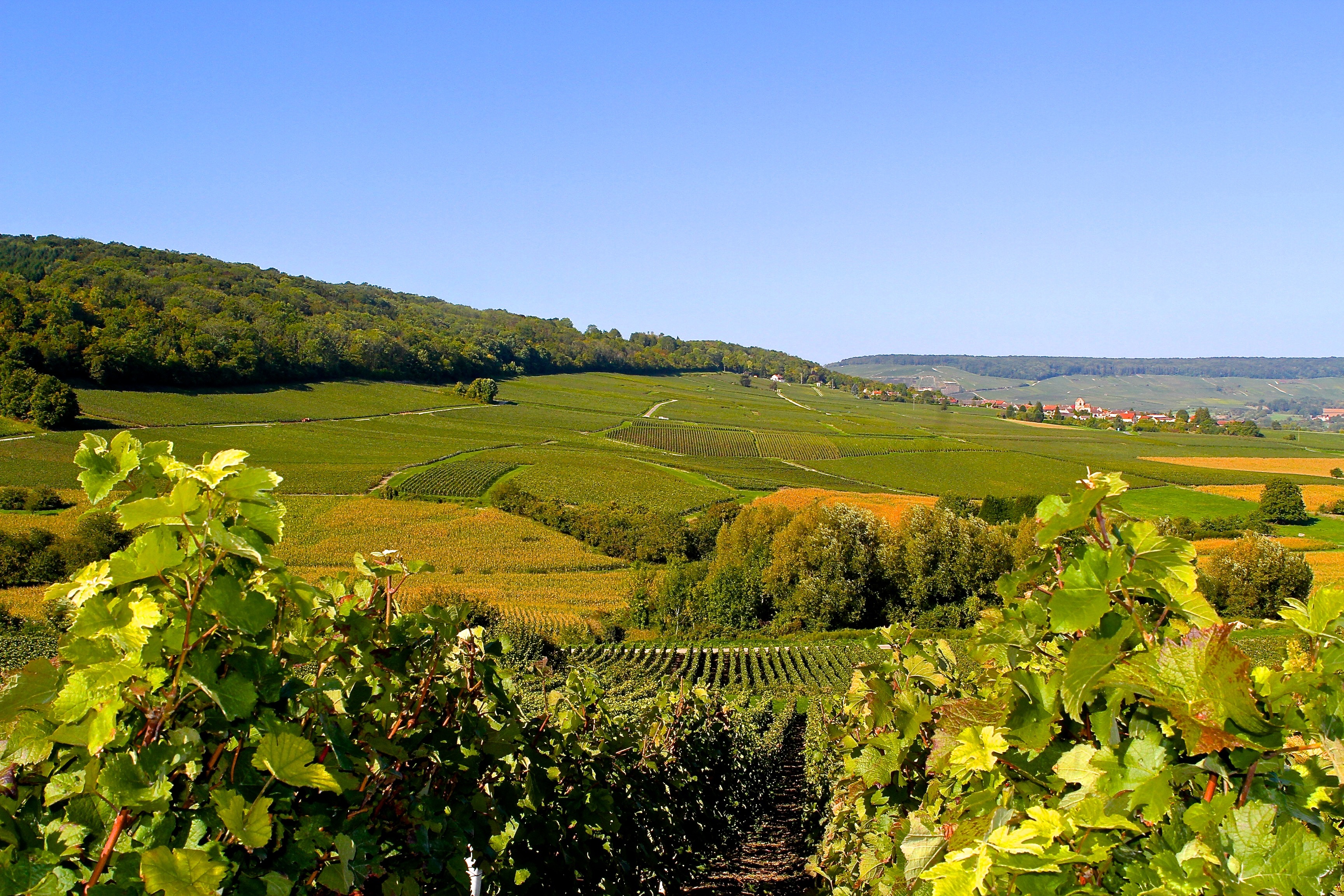
During WWII, most of France’s wine stock was hidden behind false walls to offset German demand for shipments home. Winston Churchill, a notorious Champagne consumer declared, “Remember Gentlemen, it is not just France we are fighting for, it’s Champagne!” His admiration for U.S. President Roosevelt was immortalized in this simile, “Meeting Franklin Roosevelt was like opening your first bottle of Champagne; knowing him was like drinking it.”

Post-war, vineyards not destroyed were massively re-organized. Numbers of vines were reduced. Replanting in symmetrically ordered rows, rather than haphazardly as in the past, became the norm. Grapes were matched to the soil and climate. The combination of ancient chalky soil, harsh northern weather, and unreliable harvests created a system for blending grapes from current and past years. All fine Champagne is now made from blending three grapes: Chardonnay, Pinot Noir, and Pinot Meunier. Exceptions are Blanc de Blancs which is 100% Chardonnay and Blanc de Noirs which is 100% Pinot Noir.


My love for Champagne came about later in life. In my 20s, California sparkling wine was the perfect storm for a day-after headache. During fifteen years of living in Asia we drank Champagne only once–on New Year’s Eve of the millennium. In Germany we sipped Sekt, the sparkling apéro-of-choice at social gatherings. But we never drank it at home. Only when we moved to France did bubbly wine shift from infrequent tasting to regular delight.
When we lived in Paris, Champagne was the only beverage served as an aperitif, day or night. It was light, refreshing, delicious, and trés French, of course. We began making weekend trips to Reims and Épernay, the co-capitals of Champagne region, to sample and learn more.
Some people consume Champagne only on special occasions–weddings, anniversaries, birthdays, retirements, christenings, or at midnight on December 31. We live outside of that box now. When at home in France, Champagne is often our daily white-wine-of-choice.

Pairing Champagne with food often surprises. Strawberries and chocolate are cliché. Pizza happens to be a perfect chemistry match. On homemade pizza night we begin by uncorking something to sip while we cook. Glasses are refilled table side when we sit down to eat.


Sparkling wine produced in other countries–German Sekt, Italian Prosecco, Spanish Cava, and California are runners-up to Champagne. They aren’t bad, just not the same. When you uncork a bottle of Champagne, for whatever occasion, raise your glass to Dom Pérignon, and enjoy “tasting the stars”.
My only regret in life is that I didn’t drink more Champagne. –John Keynes
I’m not planning to have that regret.


Discover more from A Taste of Mind
Subscribe to get the latest posts sent to your email.


I really enjoy your blogs Wendy, and this one is especially relevant. My husband and I are presently in Italy and heading to France later this month…would enjoy meeting with you in Paris for a glass of bubbly!
LikeLike
Sue, What a great idea to meet in Paris! I will send you an email to see if we can coordinate our timing.
LikeLike
Wow, so much I didn’t know about Champagne! Thanks for the history lesson. Drinking champagne will never be the same for me now that I can fully appreciate all that has gone into the making. Aaron
LikeLike
A lovely melange of historical facts, bubbly lore and Churchillisms (did you know his favorite was Pol Roger?). You write beautifully and the photographs are incredible! Wishing you happiness and effervescence as you continue your journey in La Belle France…
LikeLike
I did read that Churchill loved Pol Roger Champagne the most. I am passing along all compliments about photography to my live-in house photographer who uses a camera lens very well!
LikeLike
Incredible pictures! The sunset with glasses on the table was most beautiful and would be gorgeous as a picture on my wall. The history lesson was most interesting and quite a history for champagne.
My favorite time for champagne is in my whirlpool tub filled to the brim, lights out, bubble bath, the sky light above me with stars shinning through and candles surrounding the perimeter. Life is good!!!
LikeLike
A great relaxing ritual for a “perfect day”, and champagne to boot. The sunset photo was taken with my phone on the Amalfi Coast of Italy. It was Adam’s 31st birthday, the island of Capri in the distance, and a simply stunning sunset moment…
LikeLike
Wishing you a perfect world, Wendy – love this post and your pics are amazing! Cheers.
LikeLike
He doesn’t want photo credit given, but the beautiful vineyard shots were all the handiwork of Mark and his bag of lenses. My photographer extraordinaire! Otherwise it is simply IPhone and me.
LikeLike
I enjoy champagne when I’m happy and when I sad too; but it is clearly never as good as when I can drink it with you!
LikeLike
This is the most poetic comment ever written! When we clink glasses next time, I’ll recite it right back to you. Merci ma fille jolie.
LikeLike
I love this, so many fascinating facts! A friend gave a bottle of Veuve Clicquot to Bill and me when we married. Mary Lincoln used to serve it at the White House. We returned from CO last night. We found Meadow Mt. Cafe, but it was closed :o(
LikeLike
Meadow Mountain has to stop closing on Tuesdays. Everyone I send there seems to go on the one day a week they take off.
LikeLike
Gluten free, dairy free, and fat free….always thinking healthy, Wendy!
LikeLike
I hadn’t considered these benefits, but yes to all of them!
LikeLike
Thank you, Wendy. Champagne (sparkling wine) is one of my favorite drinks. It is good anytime, anywhere.
LikeLike
I loved these pictures They are unique, beautiful and personal. Warm regards.
LikeLike