For three years, in the early 1990s, we lived on the island of Cyprus in the eastern Mediterranean Sea. The capital, Nicosia, was divided in half by the Turkish invasion of 1974. After the conflict, U.N. troops kept peace along a border called The Green Line. This line divided the entire island between the Turkish occupied northern section and the Greek populated land to the south. We lived on the Greek Cypriot side of Nicosia. Although you could still see bullet holes in certain places, the old part of the city was very charming—vine covered walls, stone terraced tavernas, shops of pottery, pewter, and hand made lace, narrow cobbled lanes with flowers spilling out of pots.
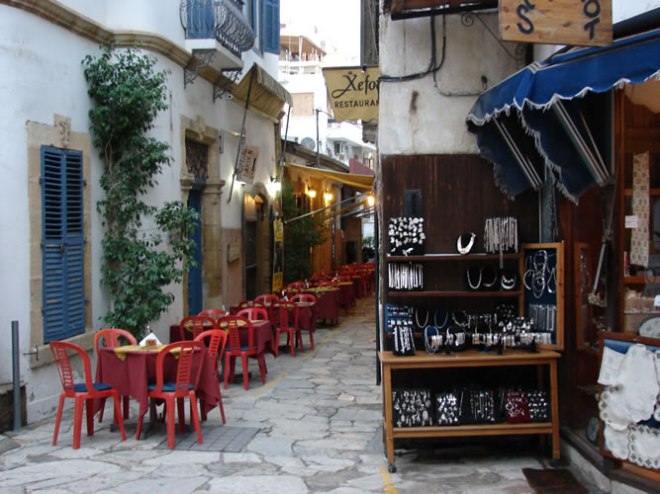
We lived on the ground floor of a small apartment building adjacent to the International School of Cyprus [ISC], as it was called in those years. The kitchen and living room had glass doors that opened onto a large terrazzo-tiled terrace bordered by a white iron railing. It was overhung with willow branches from an enormous tree growing out of the garden of the Greek restaurant on the hillside just below.
In warm weather, sounds of clinking glassware and cutlery drifted upward as tables were set for dinner on the patio. We befriended the owner and sometimes he beckoned us to join him for a late night glass of wine. When the last diners departed, we tiptoed down the stone stairs between our terrace and his restaurant to have a drink and conversation under candle lanterns in the willow tree.
I met Janmarie during our first year in Cyprus. Her four children attended ISC. After dropping them off in the morning, she was at my kitchen table for coffee by 8:30AM. Every day. We became good friends over those visits, talking easily about many things.
Sometimes morning coffee conversations merged into lunchtime hunger. When this happened, particularly in the wintertime, Janmarie would say, “Let’s go for some Halloumi.” We headed downtown to the old part of the city.
Halloumi is a cheese that originated in Cyprus centuries ago. Traditionally it came from sheep’s milk, is pure white, shaped in semi-solid blocks and packed in salty brine. Once relieved of it’s packaging and drained, it looks anemic and unappetizing. The subtlety of this cheese is that it transforms into something special by grilling it to a golden color.


On the streets of old-town Nicosia, hot off the grill, layered on Panini bread with tomato and cucumber slices, then grilled again in a sandwich press, halloumi was more than a hand held snack. It was the taste of salt from the sea mixed with creamy chewiness and warmth, in sharp contrast to the cold air in which we sat.
On a wintery day in a Cypriot taverna, that sandwich reminded me of ancient history beneath the cobblestones–9000 years of island invasions and conquerors, Greek mythology, Roman ruins, and archeological digs. In our own time, it was a reminder of spring picnics in fields of red poppies, smooth-stoned beaches, and tile-roofed houses of old stone overlooking the sea. All told, grilled halloumi is the remembrance of a specific time and place, nourishing food, and my friend.


When we lived in Cyprus, halloumi was a local product only, made and consumed on the island. Later, we lived in Taiwan, Germany and France and halloumi was forgotten.
Then one day, in a Greek delicatessen on our Parisian market street, I spied bricks of that briny cheese. The global market had caught up. Taste and memory were about to be rekindled.
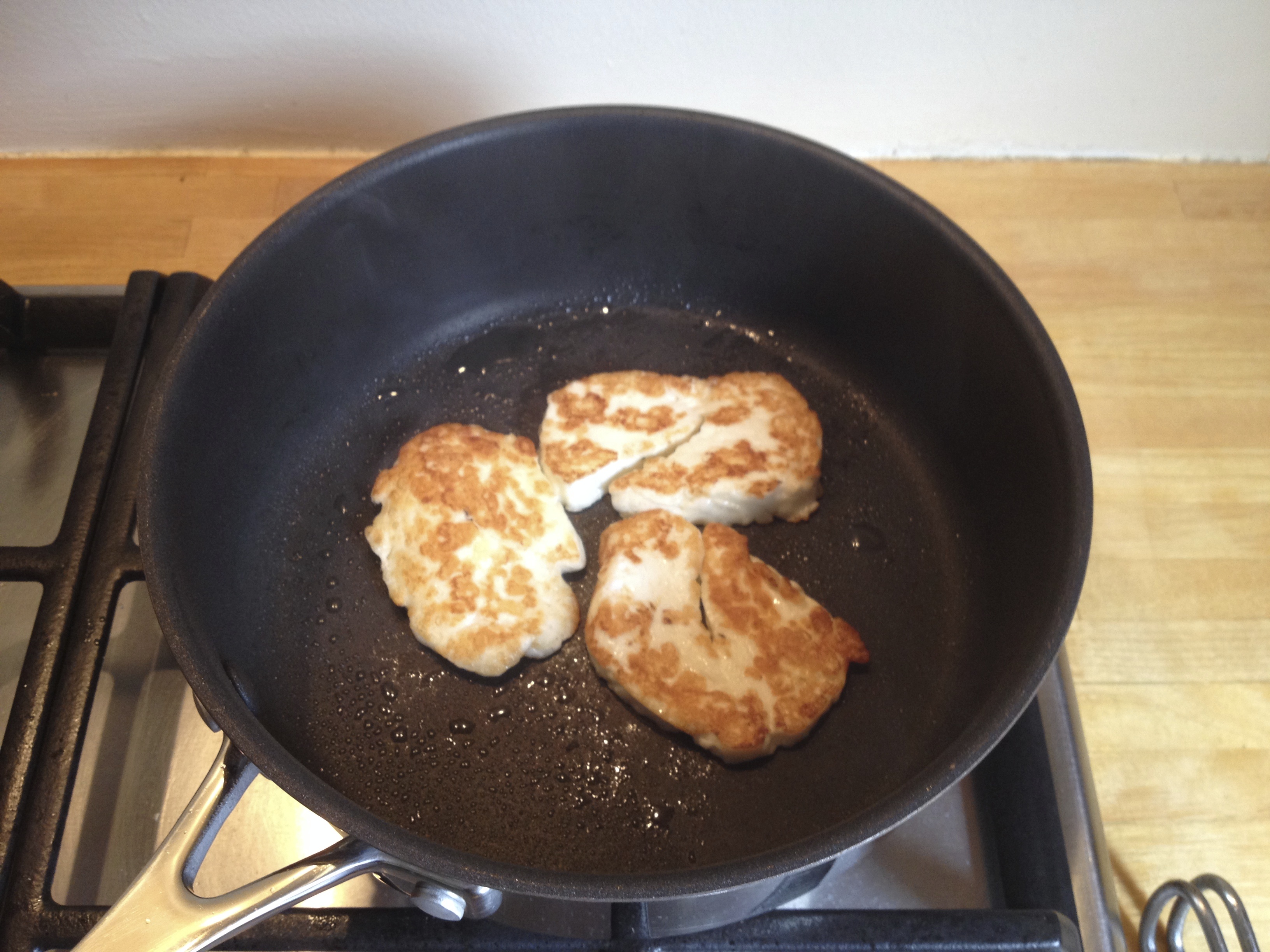
There are different ways to prepare and enjoy halloumi. The easiest way is to slice it ¼ inch thick and fry in a little bit of good olive oil. When nicely browned on both sides, it is the start of a great sandwich using pita bread or a tortilla wrap. Layer in tomatoes, cucumbers, red onions, spinach or leafy lettuce.



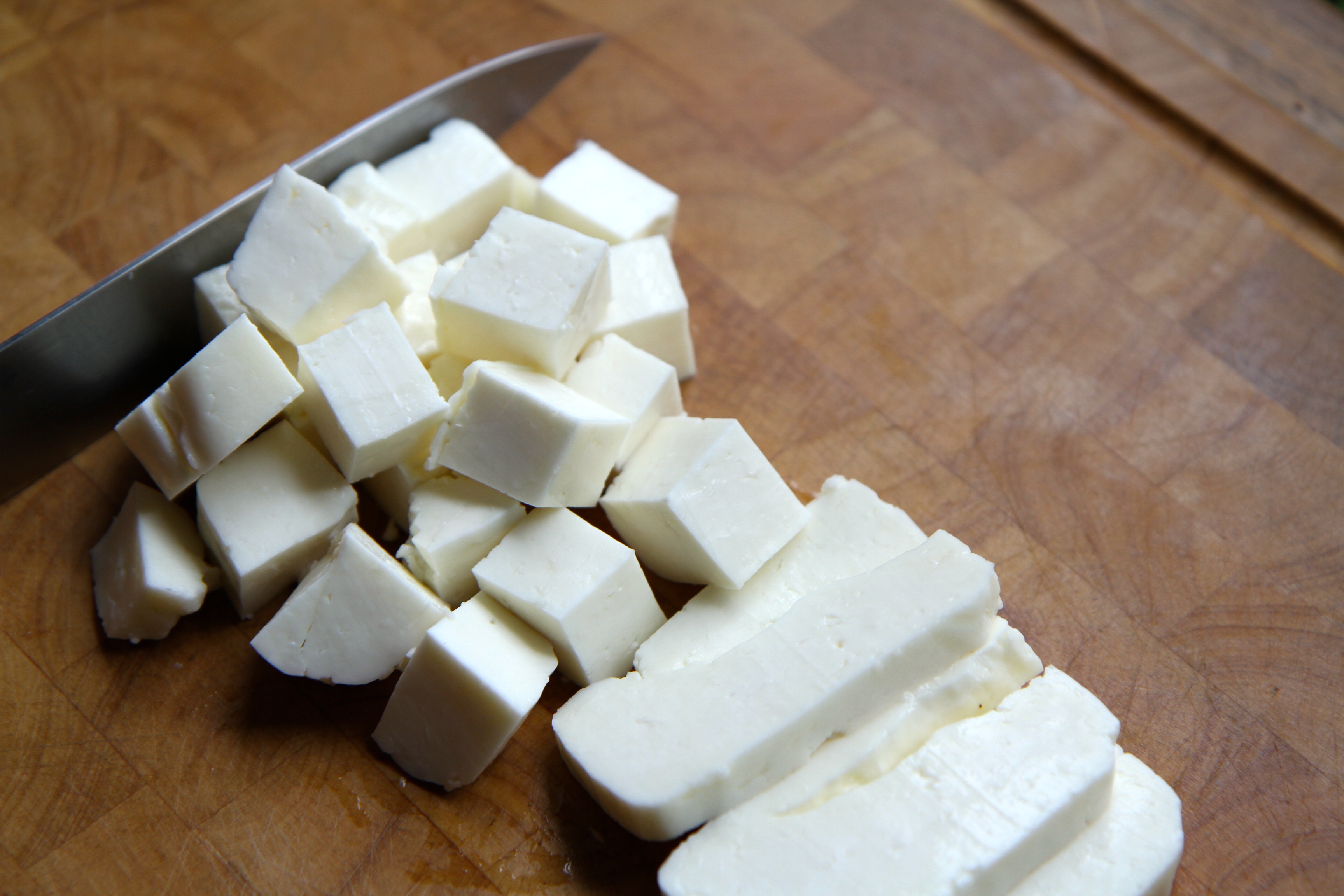
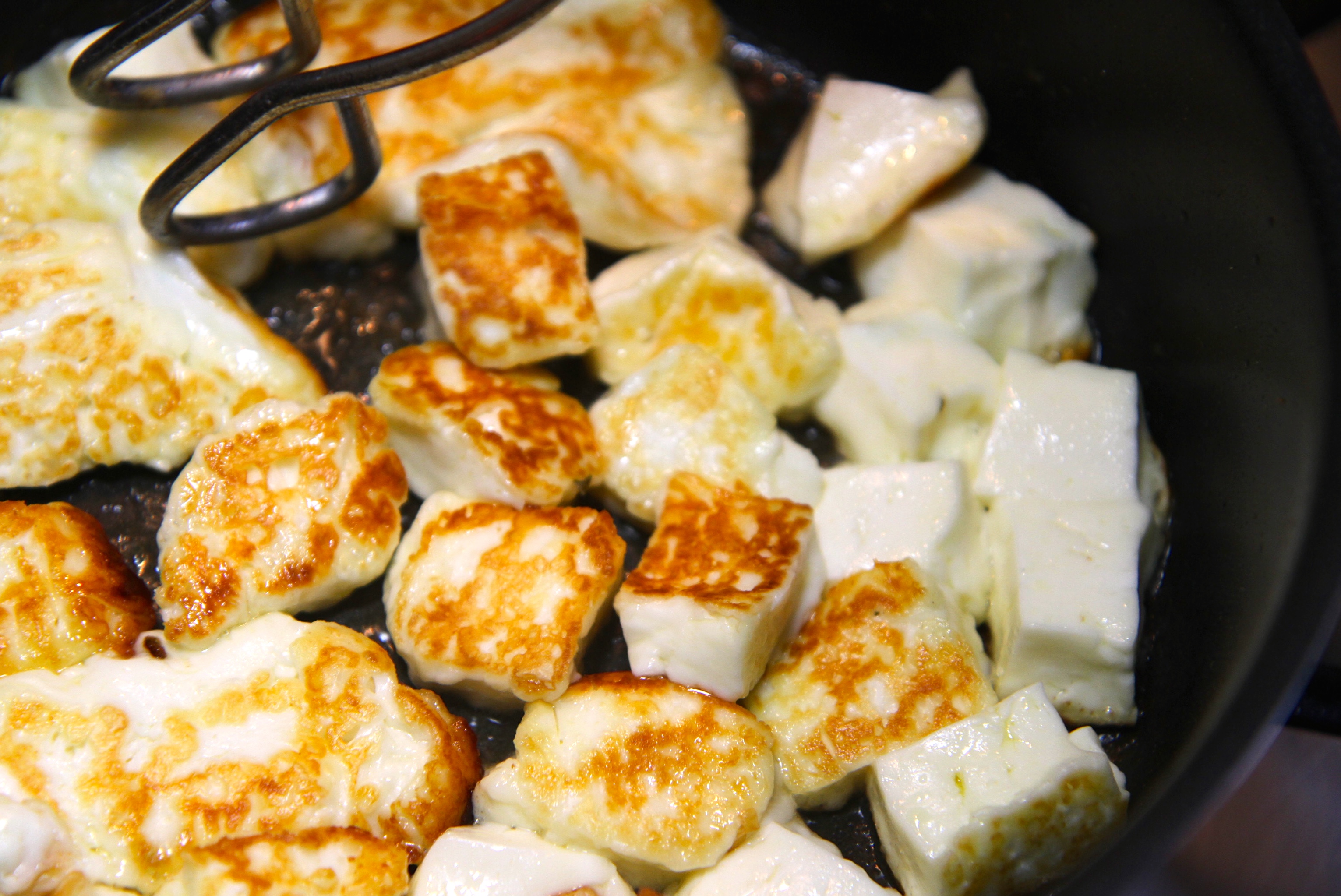
As a snack or hors d’oeuvre, halloumi can be prepared a little differently. Cut into cubes and brown on all sides in a small amount of olive oil. When golden, place in a bowl, drizzle with a bit more oil and sprinkle with red pepper flakes. Pass out the toothpicks and eat it right away. You can make tapas with olives and fresh crudités, or enjoy the salty creaminess on its own.
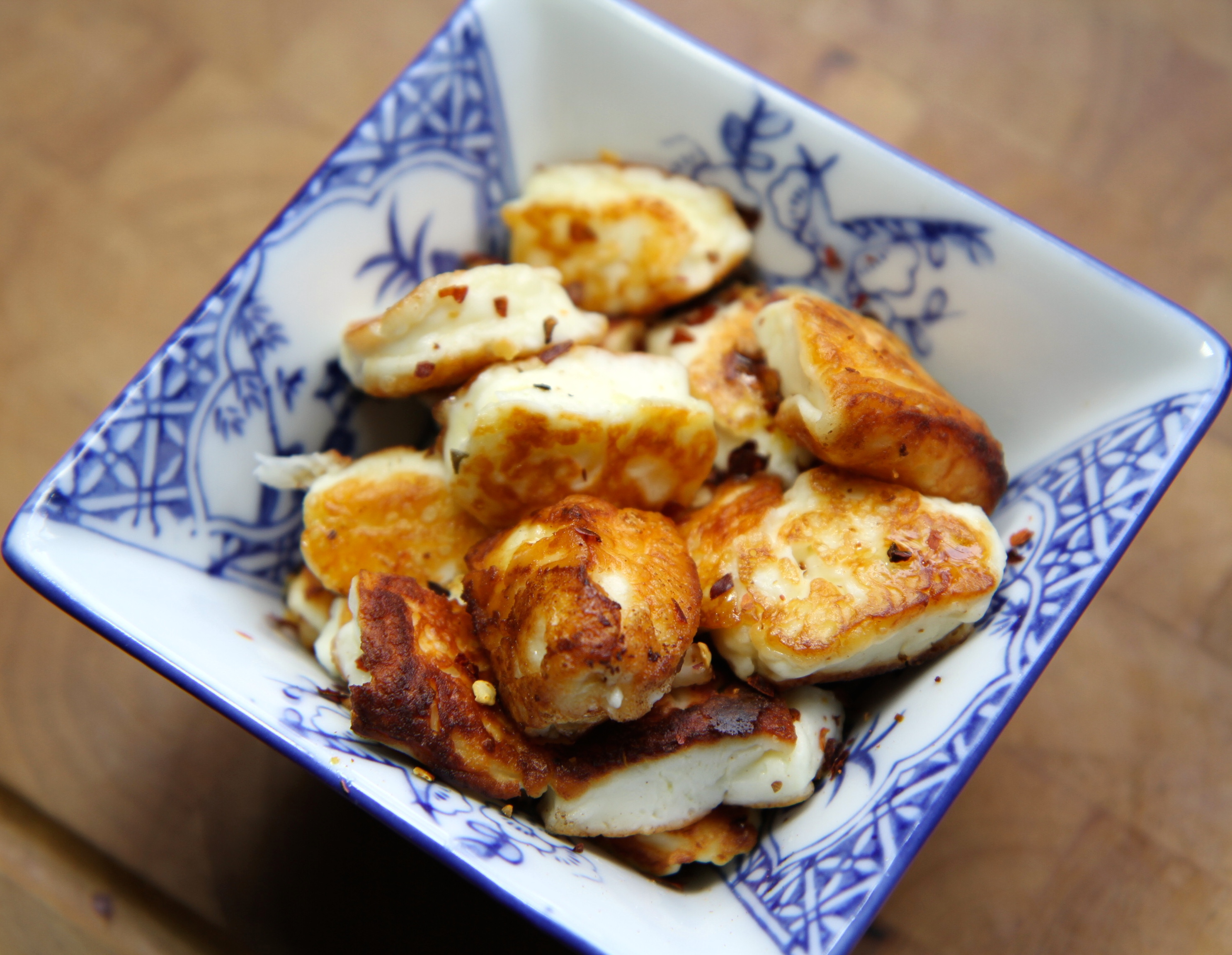
Although I can eat halloumi cheese anywhere in the world these days, I cherish most these three things–a Mediterranean island steeped in ancient history, the camaraderie of a great friend, and a hot-off-the-grill halloumi sandwich on a cold winter day.


Discover more from A Taste of Mind
Subscribe to get the latest posts sent to your email.


Stunning photographs of breathtaking landscapes and mouth-watering snacks. What a magical life you have and how great it is to live it vicariously via your wonderful posts … please keep them coming! à la prochaine.
LikeLike
Betsy, It’s not that much different from your expatriate life in Hong Kong and London and Paris. You just need to get back here more often to hang out with me! Make it a 2015 goal.
LikeLike
Done deal … because Paris is Paris and because you are awesome! Fun, dynamic, curious and filled with “je ne sais quoi” and the spirit of adventure. Looking forward to la prochaine … In the meantime, keep these posts coming s’il te plaît! Affectueusement, b
LikeLike
Wendy
I am amazed at the places you have been and the memories you have captured in your blogs for all of us. Your photography is exquisite. Keep these coming!,,, wonderful!!
LikeLike
Thank you, Carol, for being so avidly supportive, from the beginning.
LikeLike
Wendy! I really enjoyed reading about Cyprus. You have an appreciation for food I find inspiring. One of these years when I am done with this 1905 house, I’m going to start cooking! Cheers to your magical life – or, many lives!
LikeLike
Will, Tim, even if you don’t have time to cook everyday, I’m sure you know how to source delicious nutritious food in your new geography. I know that is important to you and the family…
LikeLike
Enjoyed the memories you tell of Cyprus. That cheese–Christimas–they both begin with C so let’s have some! The rocks you showed. I’m assuming they come with the line on them? Did you keep any?
LikeLike
Marilyn, the only rocks I have from Cyprus are some taking up space on the kitchen window sill. You have probably seen them—in the wire bird’s nest basket.
LikeLike
A brilliant read with beautiful photos. Makes me want to travel and explore Cyprus and most certainly taste the food. Especially Halloumi cheese. I have to look for it now. Thank you for sharing your knowledge and talent with us. Maja
LikeLike
Wendy, what an insightful read and stunning photos. Certainly a breathtaking place.
I have to look for ” Halloumi” cheese at the Parisian market. Cyprus is most certainly on my bucket list now. Thank you so much for sharing.
LikeLike
Once again you cleverly blend the food with the culture and the words with the photographs. Not having been to that part of the world made this post even more interesting to explore. Aaron
LikeLike
Yet again, you strike a chord with me! Halloumi has become a staple in our home – both because it was a protein of choice for my vegetarian daughter (when delicious, locally produced Alberta beef was on the grill) and because I love it! The best is the salty, crisp layer when fried in olive oil!
I enjoy your blog posts because they bring back many memories for me as well…
Your previous post – I recalled our trip to Berlin three years ago. It was one of our first trips outside Asia and I was struck by the idea that people sat in the sidewalk cafes beside each other, not opposite, so that both would have a view of the passing activity.
I anticipate each new post with wonder!
LikeLike
Merci bien, Nancy! Stories that resonate with good memories should be a staple for us all…
LikeLike
Wendy, it is wonderful to read your narritives about the diverse locales you have lived or visited, view your beautiful photos and review the interesting recipes. I am forwarding your site to my foodie mother-in-law who lives in NYC and adores Paris…she will love it! What makes it even more rewarding, is that I know who you are. I look forward to your next edition.
LikeLike
I do remember you from Muscatine, many moons ago, Susie. Thank you for finding the blog! Pass it on to anyone who would enjoy the stories…I’m glad you are one of them.
LikeLike
Each new post becomes my favorite…. never have been to Cyprus but loved my time in Athens.. Will need to try this recipe. Well done again, Wendy!
LikeLike
Thanks, Diane, for being a loyal supporter of the views from my “window”.
LikeLike