Searching For Poppies

Visiting an overseas friend who lives in Luxembourg, I found a book of poetry by Mary Oliver on a living room table. Awake early the first morning with jet lag, I settled into a comfy chair with a cup of coffee and thumbed through poems in the dim light. One entitled “Poppies” provided pause.

Oliver is known for connecting life lessons to her observations of love for the natural world. In “Poppies” her poetic sentiment contrasts the transient beauty of wild poppy fields with the inevitability of life and death. 

“There isn’t a place in this world that doesn’t sooner or later drown in the indigos of darkness.”

To lighten the mood, she weaves in a moment of pure joy while visualizing poppies in the field.

“…But also I say this: that light is an invitation to happiness, and that happiness, when it’s done right, is a kind of holiness, palpable and redemptive. Inside the bright fields, touched by their rough and spongy gold, I am washed and washed in the river of earthy delight…” 

While immersed in her river of delight, she circles back to darkness and loss, ending with a question. 

“…and what are you going to do–what can you do about it–deep, blue night?”

Of course, there is nothing to do other than letting it go. Thus, exemplifying one of Buddha’s teachings that there is nothing anyone can successfully cling to in between the moment of conception and the moment of death. 

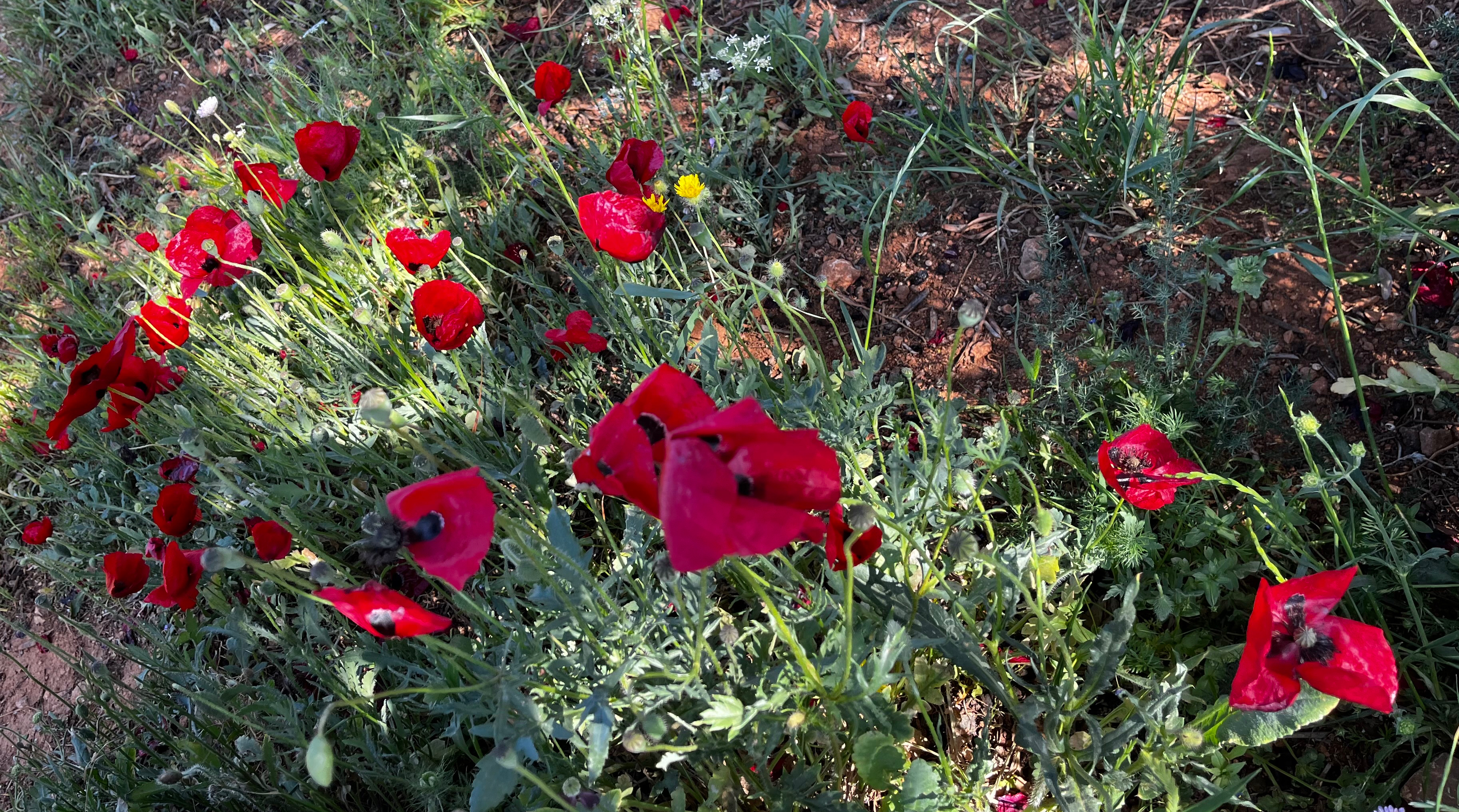
Poppies became my favorite flower when we lived on the island of Cyprus for three years. Every spring, deep red fields of poppy flowers bloomed in profusion all over grassy orchards, fields, and pastures. Shaped like a fine teacup, the crepe-paper-thin petals flutter freely in the breeze. En masse on a roadside or in a field or even in a small clump, they are spectacular. But poppy season is brief. Flowers wilt, fade, and fall to the earth as graying-red dust in a short time. Breathtaking in the moment and then gone. Another year passes.

Our children were young in those years. On weekends we drove out of Nicosia searching for a carpet of red and green to spread out our blanket and picnic. Spending an afternoon in a wild field of flowers and tall grasses is still a magical memory. It was stunningly beautiful, a family outing in the season of rejuvenation, and it made me happy to be there with loved ones.

Cyprus poppy field, circa 1991

During World War 1, [1914-1918], most of the fighting in Europe took place in open fields where poppies proliferated despite the death and mayhem all around. In 1915, Lt. Colonel John McCrae wrote his famous, historic poem, “In Flanders Fields”* after witnessing the returning spring bloom across red battlefields. 

*Full poem at the end of story.

Since then, poppies have been a symbol connecting the blood and sacrifice of soldiers with remembrance, hope, and peace. They are also associated with the Greek God Morpheus–the god of sleep and dreams. Morphine and opium narcotics are derived from poppies, hence the reference to death and sleep. 
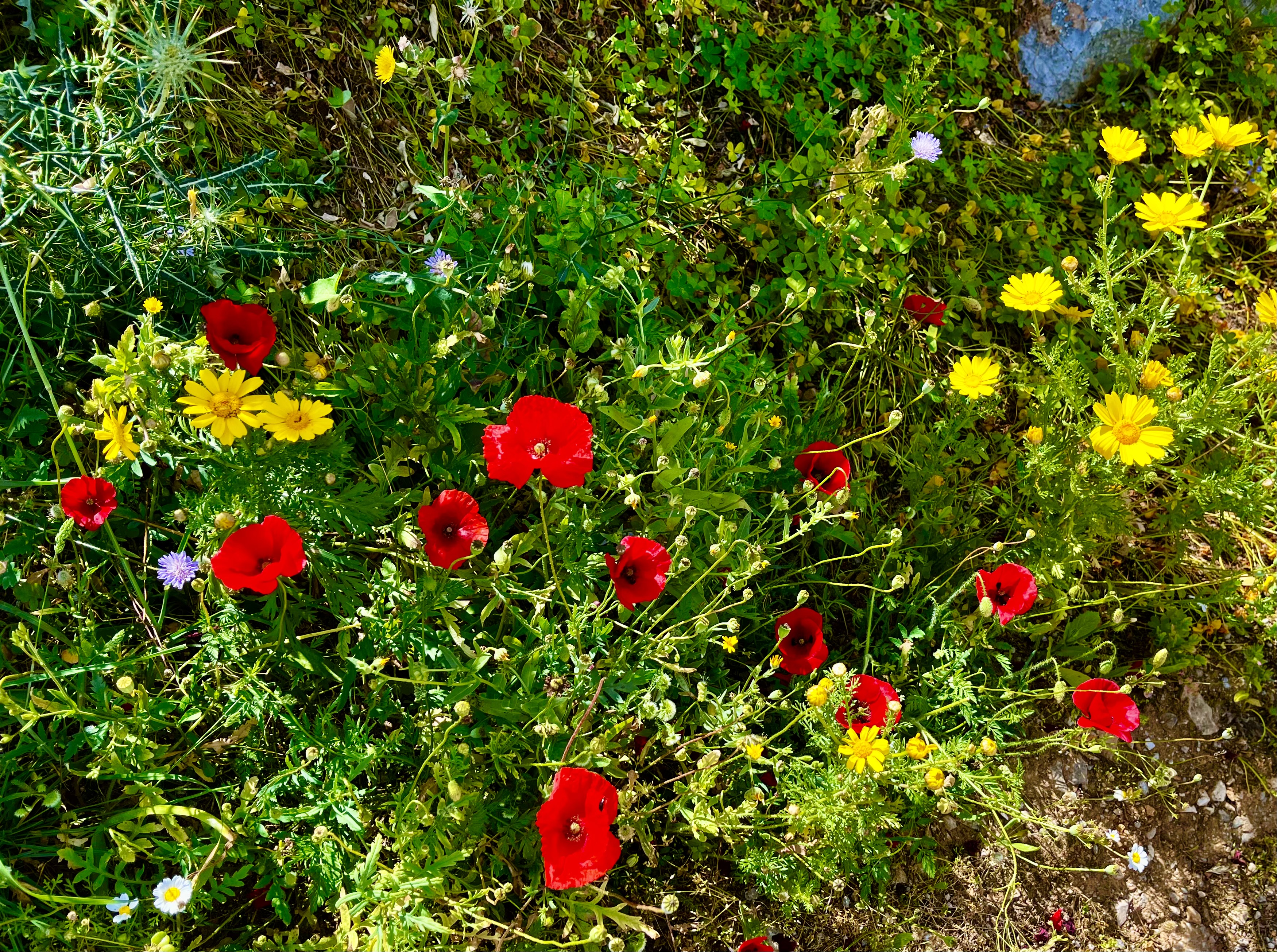
What draws me to experience a profusion of blooming poppy fields whenever possible?  Because, like Mary Oliver, I connect them to a personal lesson. They remind me of the nature of our own family’s life cycle. Beauty in learning and growth, and the eventual letting go as necessitated by time. There was uncertainty and risk taken by our young family of four when we made a decision to live and work overseas in the late 1980s. In geographies and life styles, that were not a reflection of our home culture, we adapted and grew in individual ways. Incorporating the very best of each country’s experience added significantly to our lives. 

Now we are all back living full time in America. Our children are young adults with children of their own. They each have a personal perspective about growing up in other countries for thirteen and sixteen of their formative years. My hope is that it enhanced and deepened their awareness as global citizens, as more thoughtful inhabitants to contributing to the health of the world and our planet for their own children’s future.

I think about these things along with the light and dark life cycle of the seasonal poppy. The lightness, the brightness, the earthly delight when seeing them massed in peak glory. The dark side of “here and now” beauty is knowing that it is fleeting. It will leave. Which must occur in order to be ready for the next opportunity to grow.
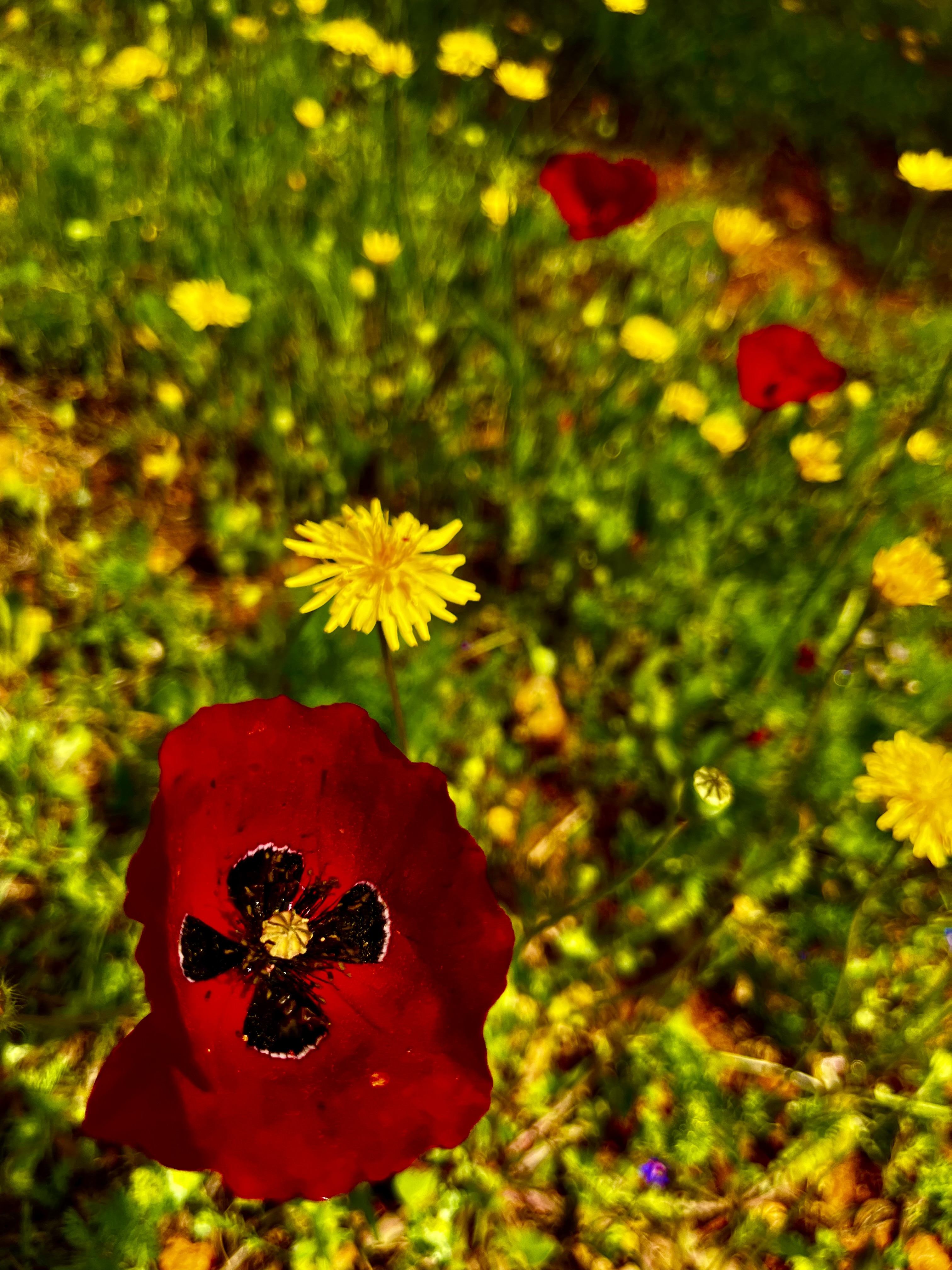
This past spring, the seasonal return of poppies in the wild offered an opportunity to re-experience an assault of red on the senses. We were in Greece in April. Poppy season was on, but had passed its peak in Athens. Then we traveled to the island of Hydra. Asking others to be on the lookout, someone said they saw “a whole field of poppies in bloom” on a hike.

It wasn’t exactly like that. What we found was a roadside of brilliant red flowers crowning a cliff high above the Mediterranean Sea, still lacy and vibrant and swaying in the breeze. It was a sought-after reminiscence, perfect for the moment, the contrasting beauty of vibrant red petals and deep blue sea. 

…and it was enough, before moving on down the path. 


We live in a world where people think happiness is a condition, but it’s not; it’s a sensation. It’s momentary. –Fran Lebowitz

This existence of ours is as transient as clouds. A lifetime is like a flash of lightning in the sky, rushing by, like a torrent down a steep mountain. –Buddha

You can’t say I’m not happy ‘cause happy’s not an action, you just feel that way.
–Ambersunshower, from the song, ‘Walter T’, 1996 [Only available on YouTube.com]


POPPIES    by Mary Oliver

The poppies send up their
orange flares; swaying
in the wind, their congregations
are a levitation

of bright dust, of thin
and lacy leaves.
There isn’t a place
In this world that doesn’t 

Sooner or later drown
In the indigos of darkness, 
but now, for a while,
the roughage

shines like a miracle 
as it floats above everything
with its yellow hair.
Of course, nothing stops the cold

black, curved blade
from hooking forward–-
of course
loss is the great lesson.

But I also say this: that light
Is an invitation 
to happiness,
and that happiness,

when it is done right,
is a kind of holiness,
palpable and redemptive.
Inside the bright fields,

touched by their rough and spongy gold,
I am washed and washed
In the river of delight––

and what are you going to do––
what can you do
about it––
deep, blue night?

IN FLANDERS FIELDS by John McCrae

In Flanders fields the poppies blow

Between the crosses, row on row,

    That mark our place; and in the sky

    The larks, still bravely singing, fly

Scarce heard amid the guns below.

We are the Dead. Short days ago

We lived, felt dawn, saw sunset glow,

    Loved and were loved, and now we lie,

        In Flanders fields.

Take up our quarrel with the foe:

To you from failing hands we throw

    The torch; be yours to hold it high.

    If ye break faith with us who die

We shall not sleep, though poppies grow

        In Flanders fields.


a different kind of poppy, Poppy Tennis-Hewitt


The Poetry of Space

Your home has to be a refuge, the place you come back to after the world has done all the things it has done to you, where you can be truly yourself, power out, refuel. It should feel good every time you walk in the door.Amanda Dameron

One year into the Covid-19 pandemic, where spending more time at home has been the norm, the importance of home space, how we create it, how we live in it, what it means, seems a timely topic.

Quarantine has redefined the rhythms of life at home. It has provided different ways to think about and use space. It’s not only about structure, but also light and air, comfort, privacy and intimacy in a place where we can safely talk, think, do, or just be. 

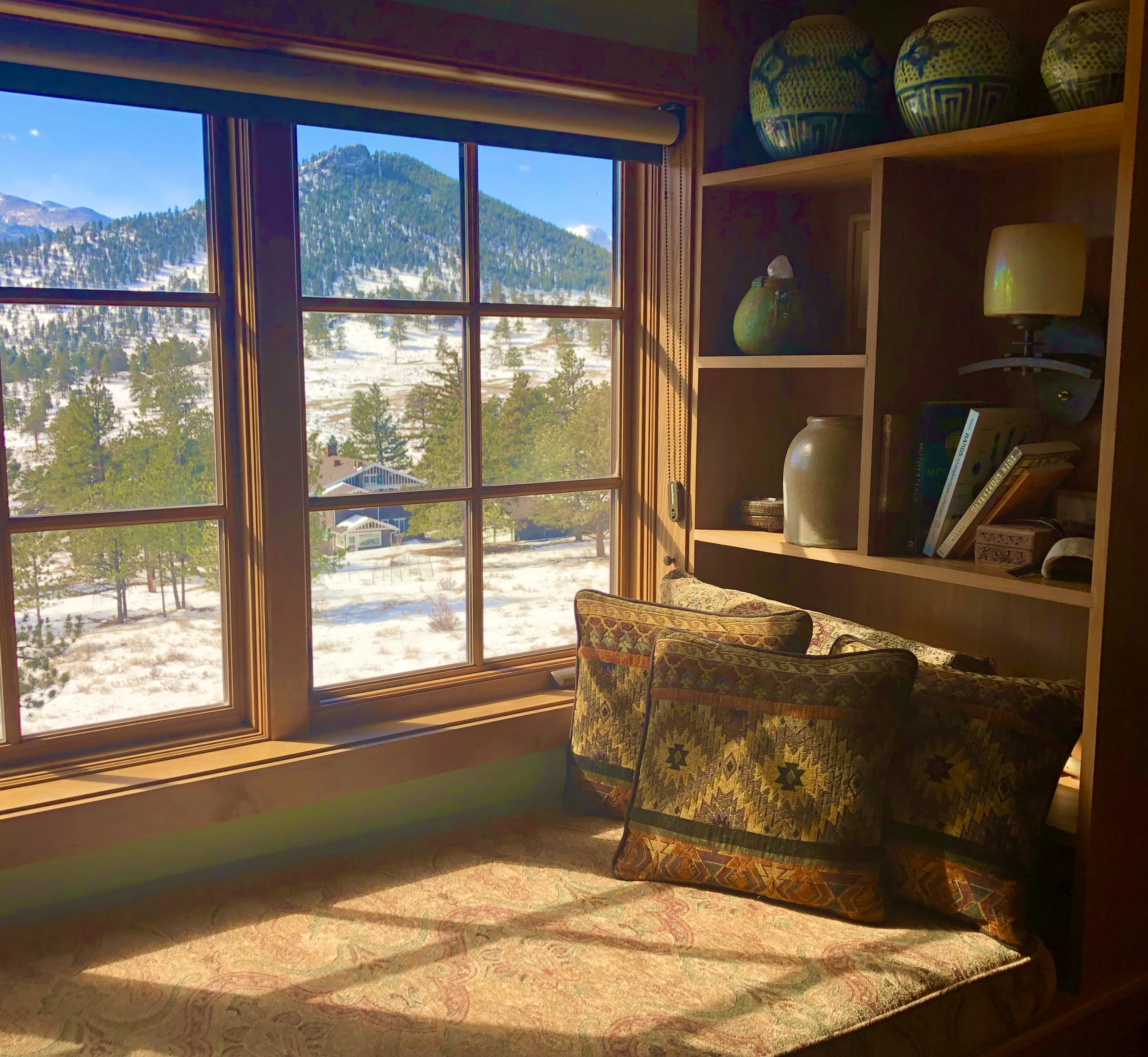
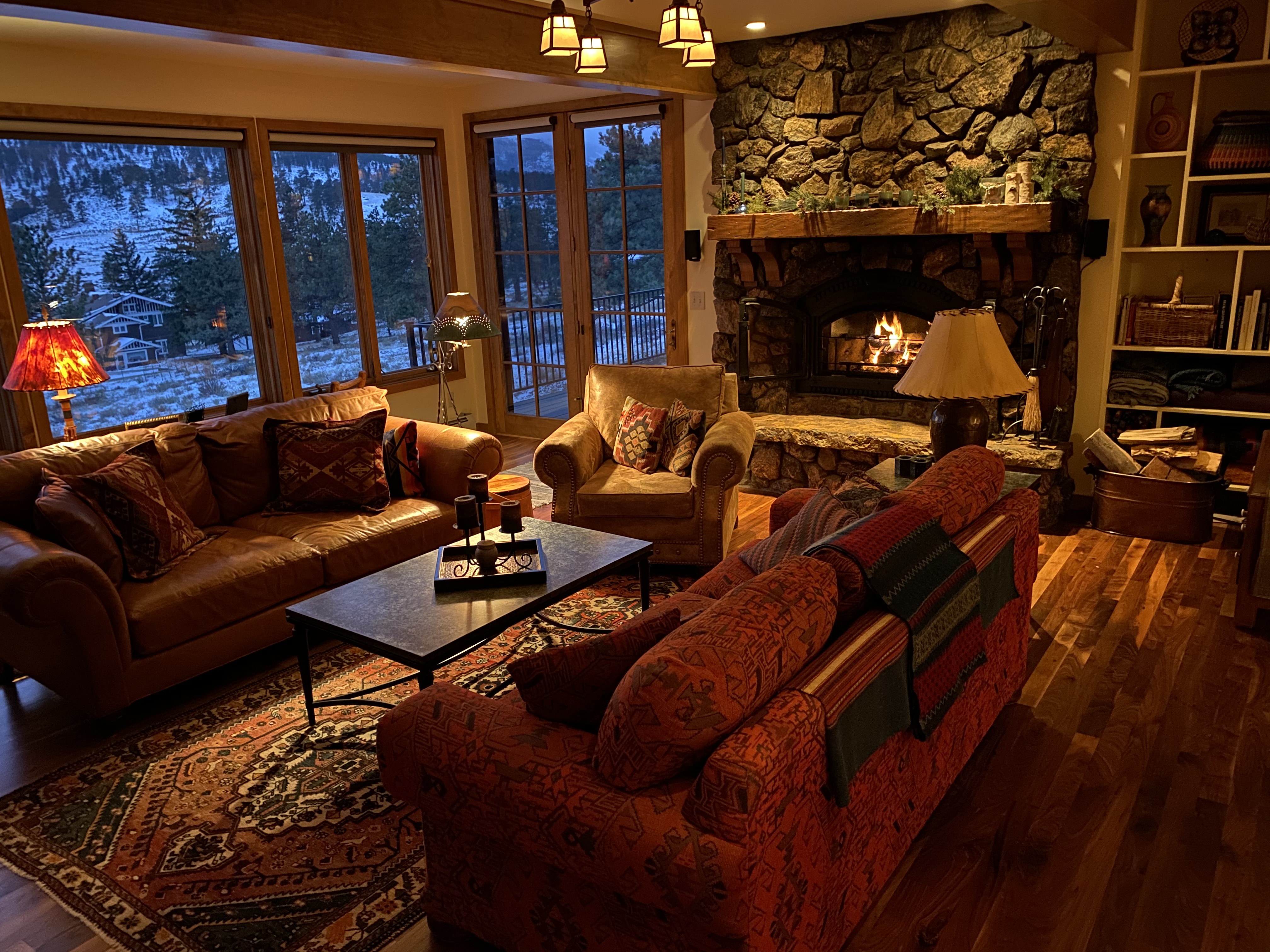
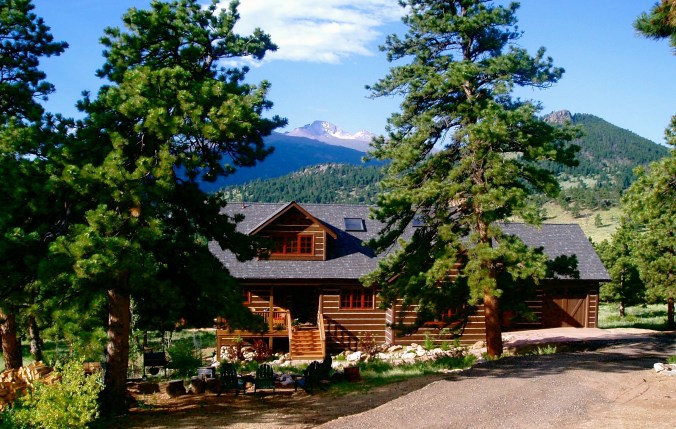
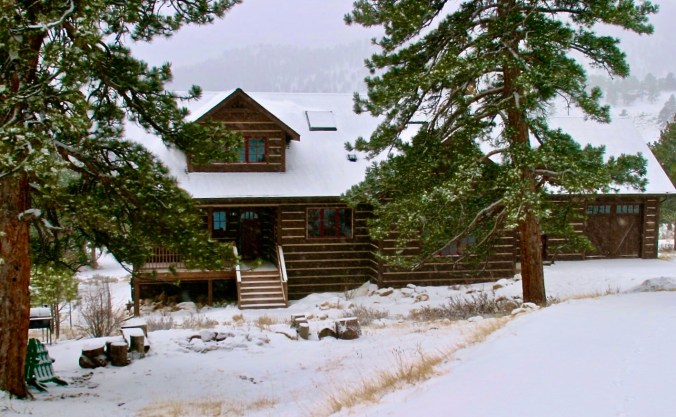
colorado cabin, by elizabeth zareh, 2020

…as a child, I always wanted to be in other people’s houses. Now, though still fascinated by those other houses, I am only really comfortable and relaxed in my own. My house is like a garment, made to my exact measurements, draped around me in the way I like… Margaret Forster

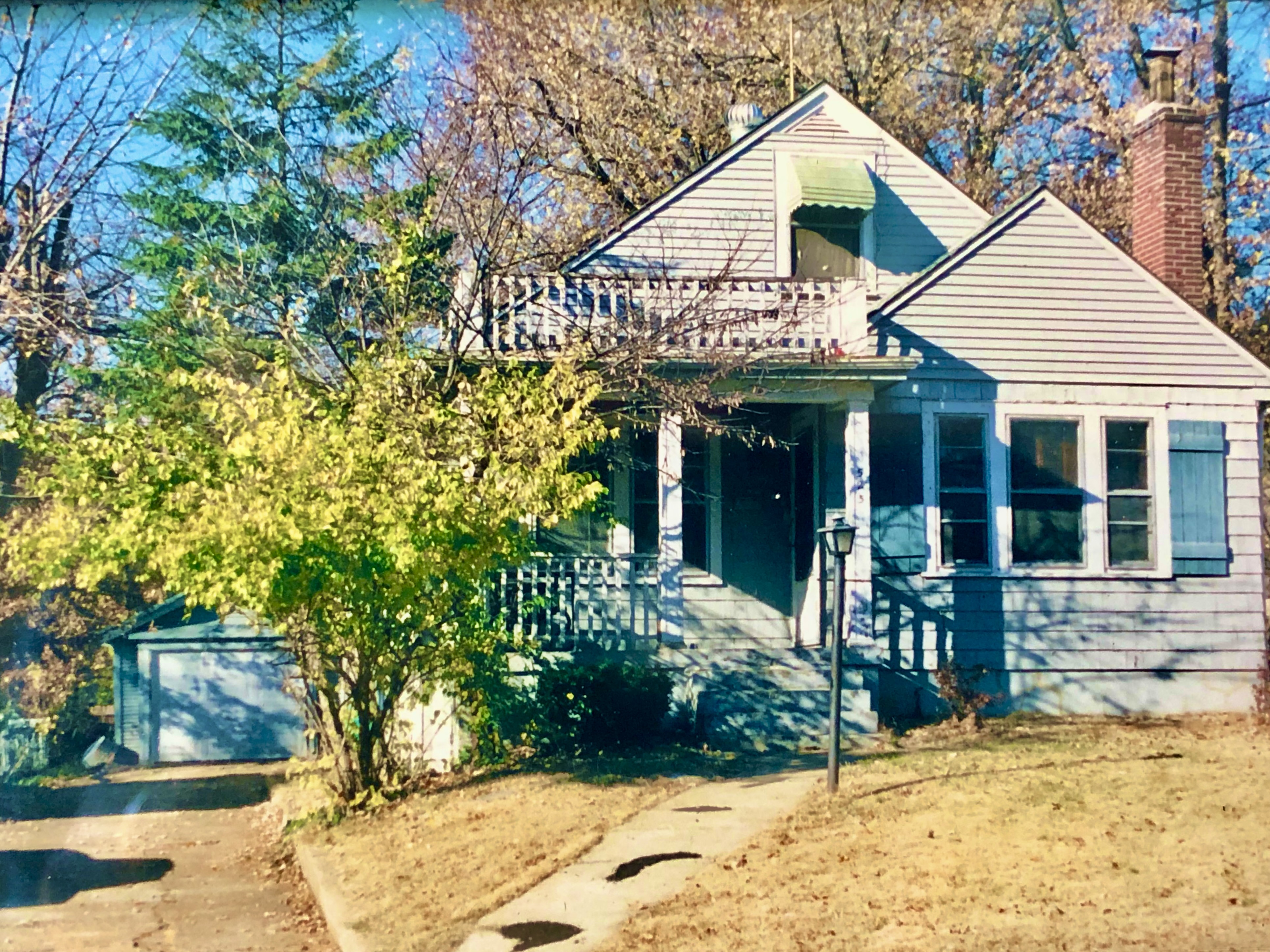
My interest in houses and interior spaces began in childhood. In a small town suburb of a mid-western city, my mother would pile my younger sister and me into the backseat of the station wagon whenever she visited a friend outside our neighborhood. I never refused to go. I knew we would drive past a certain house, on curvy Big Bend Road, where my imaginary friend Cindy lived. And every time we drove by, I said aloud, “Look, there’s Cindy’s house!”

Imaginary friends weren’t an option–they were essential.Emory Ann, 23 Things Only Children Know to be True

I made up this friend, gave her a name, and pretended to call her on the phone from the car because there was something I loved about that particular house, shaded by tall trees on a curved lot. I wanted to run to the door and be invited to play with a friend who didn’t exist. In my eight-year-old mind, I even imagined living in this cottage-like home with people I didn’t know.

Like the body itself, a home is something both looked at and lived in.…it is an image, an idea, a goal; perhaps as it was for my mother…it has filtered down to me. –Rachel Cusk

It is common to find a family link in people who care about how they live, what their space looks like, how it feels to others. Often it begins in an environment during childhood, emulating a relative’s sense of design and comfort in the home. Sometimes it comes from other early life experiences.

I spoke with a sampling of family and friends about how their interest developed in creating a home that both nurtured them and resonated with others. I asked for a recollection or anecdote when they knew that space, of a certain style, just so, would be important for the rest of their lives. 

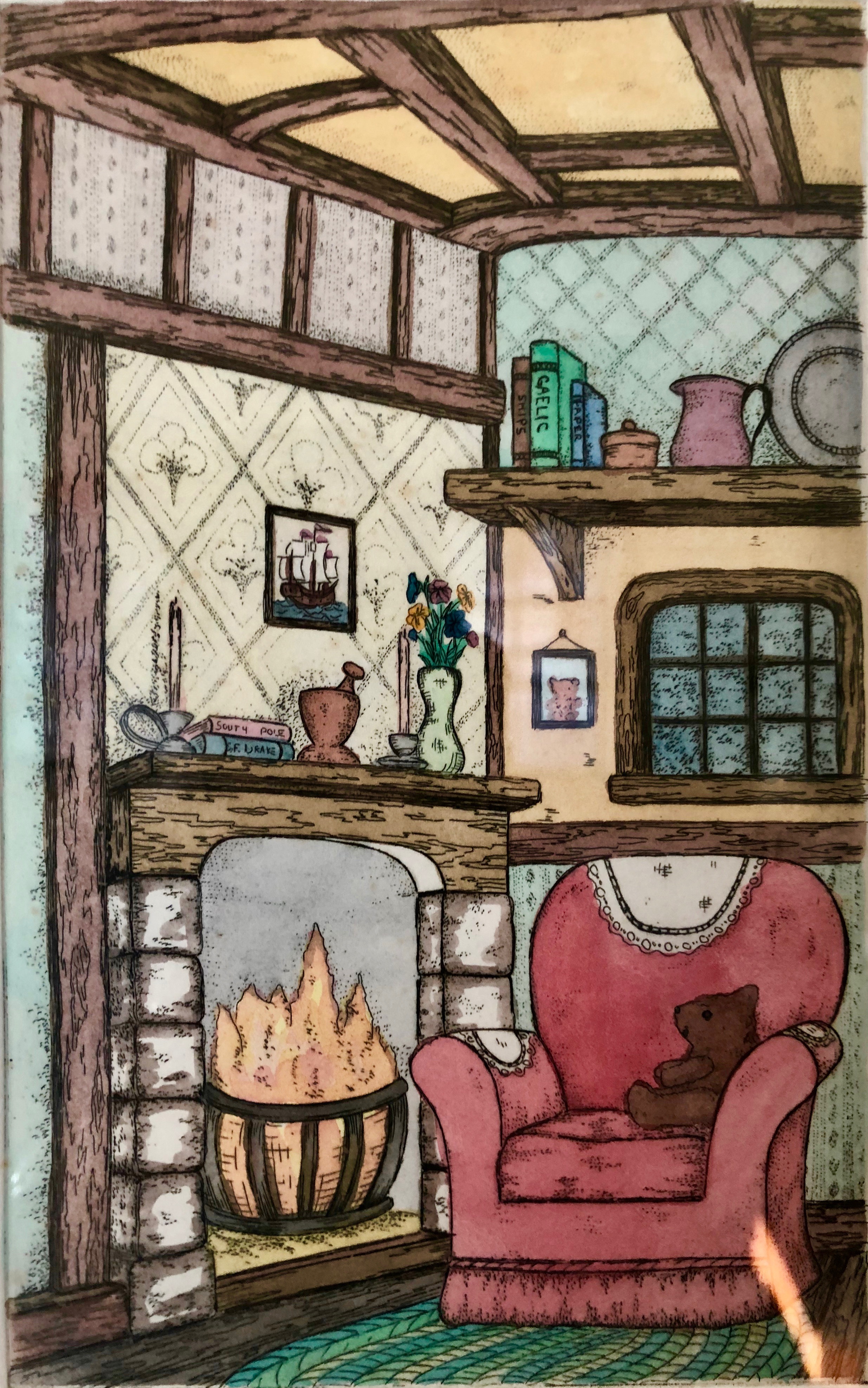
Responses varied from a childhood obsession for re-arranging furniture in a tiny bedroom until it felt right, to sewing curtains, bedspreads and pillows to create a signature space. Others spoke of a fascination with miniature rooms in doll houses, or a teenage bedroom on the top floor of a Victorian house with a sink built into the closet, or annually setting up a primitive cabin in a summer boys’ camp.

My friend Marilyn Larson wrote a beautiful memory about playing with her younger sister on the family farm in southern Minnesota. In a small grove of trees, they carefully raked the ground and removed debris in preparation for setting up rooms for a home. Each room was given a name designated by purpose, furnished with orange crates, lumber, or broken implements scavenged outside the barn. Sometimes they played “restaurant” by setting up a counter on a long plank of wood dragged from the junk pile, accessorized with broken dishes. They served homemade “mud cakes” and tried to entice their brother to buy one.

My brother-in-law Erik, a professional designer, has two memorable stories. The first was when he carved the skyline of New York City into the pine headboard of the bed his father had just built. Only six-years-old, using pointy scissors and ballpoint pens as primitive tools, he was proud of the creation of what he thought New York might look like. His parents were not impressed. He also secreted clear plastic food containers from the kitchen to an empty neighborhood field where he spent hours constructing houses, buildings and towns in the open, weedy landscape. His mother had no appreciation for this either. But he was onto something that evolved into a life of designing and building sets and spaces for theater, television, and corporations.

Frank Lloyd Wright, whose work organically synced with nature, was influenced by space as a boy. His schoolteacher mother bought a set of educational blocks created by the German educator, Friedrich Froebel. These geometrically shaped blocks were designed to teach children about form and relationship to nature. Wright remembers being fascinated by them, assembling shapes and compositions for hours at a time. He credited them for kindling his creative mind toward architectural design.

…there is no true understanding of any art without some knowledge of its philosophy. Only then does its’ meaning come clear. –Frank Lloyd Wright

Considering houses as art forms, Wright suggests that to really understand them they should be viewed philosophically. But it was a book by Gaston Bachelard that first started me thinking about houses metaphorically.

Gaston Bachelard [1884-1962] was a French philosopher from the last century. His idea of the house as poetic space that holds memories and opens portals to dreams and imagination is timeless.

Bachelard uses the image of houses “as a tool for analysis of the human soul”. Simplified, the house is the container that shelters our body, which is the container for our inner life. To access inner life requires daydreaming. In order to daydream we need solitary time. With solitary time, we learn to love “the space inside us”, the creative dreaming place. Learning to happily “abide” within ourselves while in the shelter of the house is poetry, because the house is in us as much as we are in it.

What does this mean?

The house, a physical space, provides shelter for us to dream and make memories. These dreams and memories are held in our unconscious, a metaphysical place. Remembering dreams is easier with connection to an actual space. When the house offers places to curl up, in solitude, such as nooks and crannies, window seats, attics and garrets, one’s own bedroom, there are built-in places to think and dream and create. The circle of house around us housing the soul within us is poetry.

Bachelard says children must be allowed time to daydream. They need to learn to love being alone and, at times, even bored. Solitary time opens and invites new thinking in unexpected ways–just as poetry does. Time alone teaches children to live within themselves, too. Inside their daydreams is where they experience the immensity of imagining worlds within worlds.

The house protects the dreamer. The houses that are important to us are the ones that allow us to dream in peace.Gaston Bachelard

The house you were “born in” is your first space of material warmth, protection and rest. It is imprinted in a place in the subconscious that you may or may not return to in dreams. If we dream about houses they are often not easily described by words. There’s where the poetry comes in.

In the house I was born into, my older sister had the best room. Her bedroom was underneath the roof. To the right, at the top of the stairs, was an aromatic cedar closet where seasonal clothes were stored. To the left, down a narrow hallway was the door to her room. The walls and ceiling were honey colored pine and the ceiling angled like a triangle from the peak. Low walls ran along both sides with cubbyhole doors that hid spaces further under the eaves. There was a tiny closet with low hanger bars and a narrow shelf for folded clothes. The only window opened to a flat roof over the front porch. It was forbidden to go out there because you might “fall through” the unsupported porch ceiling. But I learned that my sister crawled out the window to climb onto the higher roof and [secretly] smoke with her friends. 

When she was away, I lay on her bed, stared into the peak, re-arranged the furniture in my head, and imagined how I would live if this were my space. Eventually I had a claim to the coveted room when it was time for her to go to university. But then my father took a job in a different state. And that perfect bedroom nest, which I never fully inhabited, still recurs in my nighttime dreams. [With the addition of a bathroom through the back wall of the closet invented by my subconscious.]

Our house is our corner of the world…it is our first universe. If looked at intimately–even the humblest dwelling is beautiful. –Gaston Bachelard

All inhabited space is essentially the notion of home. A house doesn’t necessarily have to be the shelter opening the doorway to creativity and dreaming. A hermit’s hut, a childhood bedroom, a tent in the woods, the car on a road trip, a favorite hike, a deep soaking bathtub, a tree next to a river–places where we can be alone are also conduits to accessing “inside” spaces where we think and dream and create. Even the humblest, most primitive space can be this place.

You have to filter out stale ideas that your mother gave you about how you should live, or what you should have in your space. Does it have to do with you, or not? –Interior designer, New York Times

My mother had a knack for making houses into homes. She intuitively knew how things should be arranged and was true to her own tastes for creating comfort in the places I grew up. She was on the sidelines with advice as I began experimenting with my own living spaces. 

The time came when we both realized that choices going forward needed to be mine and not hers. One birthday she gave me a clear glass ginger jar lamp stuffed with white seashells. The shade had accordion pleats the color of beige sand. I didn’t say I hated it, but it had nothing to do with me. It was her idea of a cool accessory. So I diplomatically said I didn’t want a lamp as much as I wanted a professional bread knife with serrated edges. She kept the lamp. I got the knife. Future gifts were checks.

My first apartment living alone was in Madison, Wisconsin on the top floor of a house across the street from Lake Monona. It had a glassed-in porch that looked into trees on the lake shore. The bed was a saggy mattress on top of bouncy coil springs hauled down from the attic one floor above. I arranged green trees and plants for window treatments, hammered Indian cotton tapestries to the walls to hide plaster cracks, and covered splintery floors with funky patchwork rugs. There was no bedroom door so I tacked up a curtain of wooden beads that clinked and swayed in long strands. It was perfect.

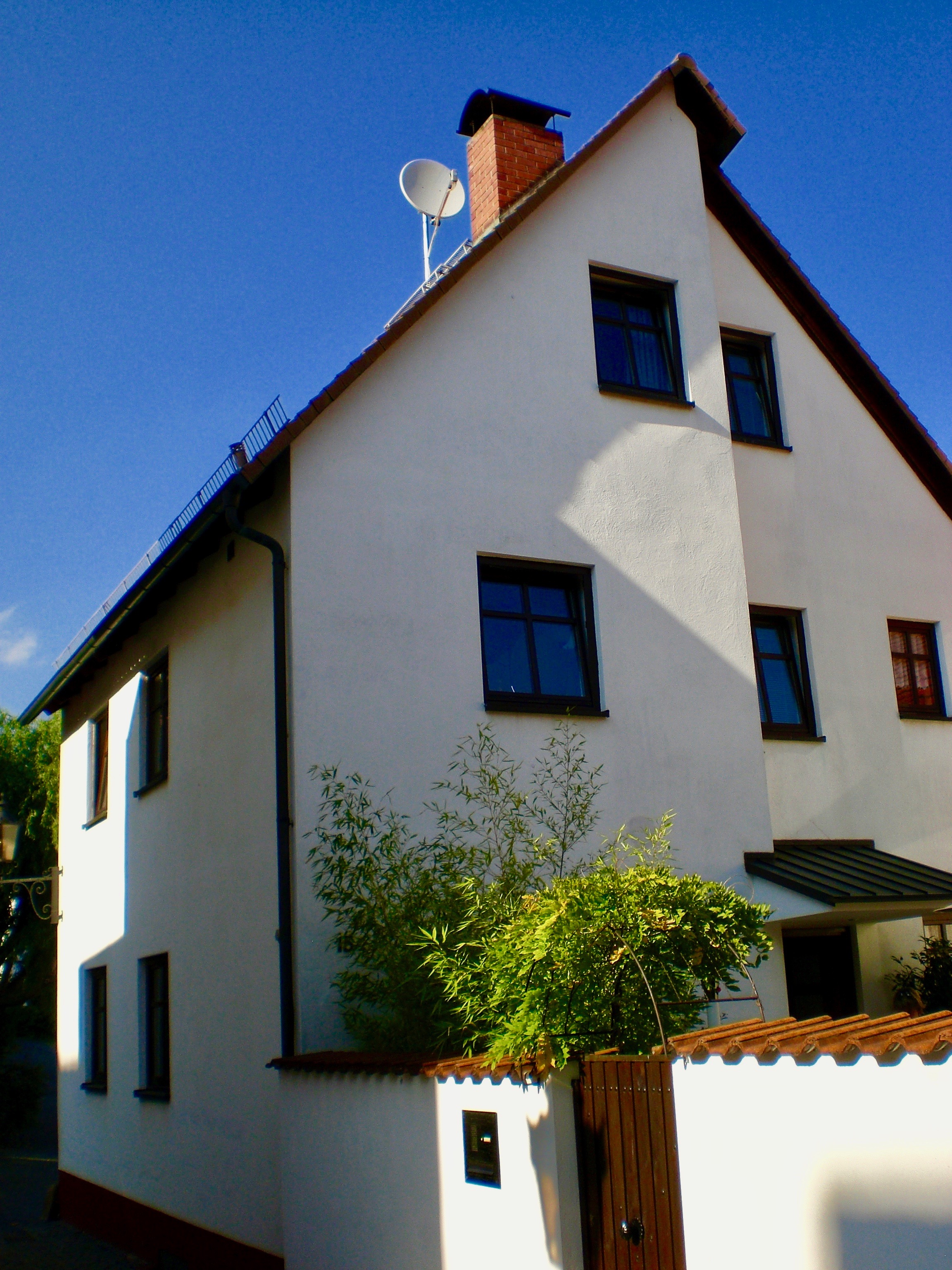
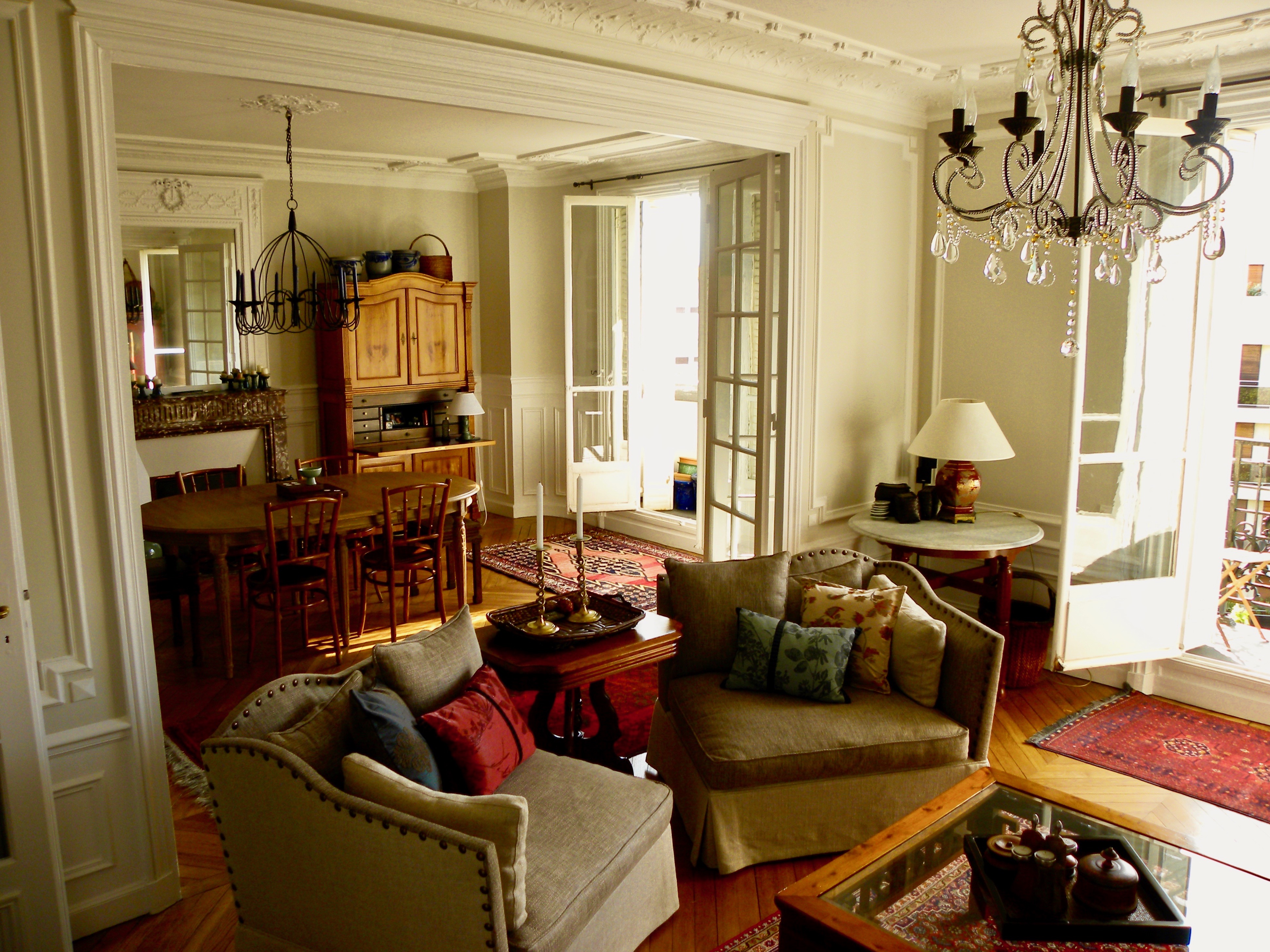
Marriage followed with several changes in geography in the U.S. Eventually we made the decision to move overseas. Different stories accumulated while living in five countries over the next 30 years. Apartments or houses in Singapore, Cyprus, Taiwan, Germany and France were woven together by the layout of affordable space that fit our family and by treasures we collected from each place we lived. There were always challenges while adapting to a new job, unfamiliar languages and cultures. But whatever the outside world threw at us, when we crossed the threshold of each dwelling we breathed in familiar sights and scents. It was our space, our comfort, our sanctuary, our home.

courtyard and house in oberursel germany, paris apartment in 16th arrondissement

My artist friend, Catherine Ventura whom I met in Taiwan, said it best, “I make familiar spaces in unfamiliar places.” We all did.

The ideal of happiness has always taken material form in the house, whether cottage or castle. It stands for permanence and separation from the world. –Simone de Beauvoir

Frances Schultz recovered from a failed relationship and missteps in mid-life by buying and renovating a tiny dilapidated cottage with good bones. She wrote a therapeutic memoir, The Bee Cottage Story, about healing herself with the power and creativity of making a beautiful home. 

There are no rules about how a house becomes a home. It requires thought, time and attention, and putting your stamp on it by living in the space. As far as decorating, Schultz advises intuition; “If it feels right, it probably is. If it doesn’t, it isn’t. Instincts are not wrong. Ignoring them is…when a space is right for you; there is an instinctive response to it–an intuitive sense of how you would live there, where your things would go, what you would keep, and what you would change. It’s a project, not a struggle.”

Ruth Bender, a long time friend, wrote these thoughts; “Making a home is a mentally engaging and creative gift to oneself. It is an expression of love to those we are lucky enough to actually be with and to those dear ones who are gone or far away.”

Houses that become homes are like a poem. They have structure that represents how we want to live in the world. They shelter our feelings for people and surroundings we love. And if the home is nourishing to the soul and allows expression of the “inner self”, then we are fortunate to have created our own poetry of space.

believe that place is fate. Where you are is who you are. The further inside you the place moves, the more your identity is entwined with it. Never casual, the choice of place is the choice of something you crave.Frances Mayes